Hunting Ontario’s November Gun Season
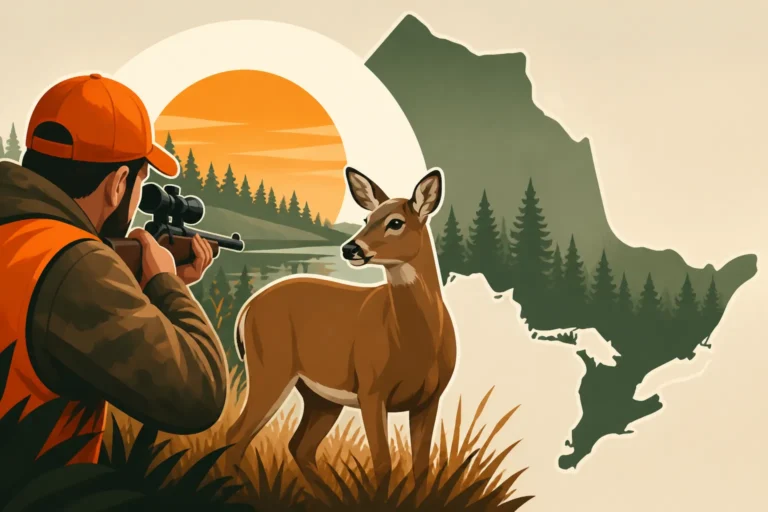
There's nothing quite like the crisp, biting air of a November morning in Ontario, especially when you're perched in a stand, rifle in hand, knowing that the province's deer are on the move. Many of us have felt the frustration of early season hunts where deer seem to vanish into thin air, or the confusion of trying to decipher complex regulations. This guide is dedicated to helping you master the art and science of hunting Ontario's November gun season, offering practical advice and deep insights to turn those frosty mornings into memorable successes.
Understanding Ontario's November Gun Season
November in Ontario is, for many, the pinnacle of the deer hunting calendar. It’s when the rifle season opens across many Wildlife Management Units (WMUs), bringing with it unique opportunities and challenges. If you've ever felt overwhelmed by the sheer scale of the provincial regulations or wondered why some hunters consistently find success in November while others struggle, you're not alone. This month is a game-changer, but it demands specific knowledge and adaptation.
Why November is Peak Season for Many Hunters
Let's be real, while archery season kicks off earlier and muzzleloader season extends the opportunity for some, November's general gun season is where most hunters focus their efforts. Why? A huge part of it is simply accessibility. More hunters are in the woods with rifles, which offer greater range and a different hunting style than bows or muzzleloaders. But beyond that, November often coincides with the peak of the whitetail rut in many parts of Ontario. Deer, especially bucks, are far more active, less cautious, and frankly, a bit distracted. This increased activity means more chances for sightings, more opportunities to intercept deer moving between bedding and feeding areas, or cruising for does. The energy in the woods is palpable; every rustle of leaves could be that buck you've been dreaming about. It's a time when many hunters take vacation days, gather their hunting camps, and head into the bush with high hopes.
Navigating WMU-Specific Regulations and Dates
Ontario is a vast province, and its hunting regulations reflect that diversity. What's legal and open in one Wildlife Management Unit (WMU) might be entirely different in another, even a neighbouring one. This can be incredibly confusing, leading to a lot of head-scratching over maps and regulation summaries. For November gun season, it's absolutely critical to consult the most current hunting regulations summary for your specific WMU. These can change annually, so relying on last year's knowledge is a recipe for disappointment, or worse, a violation. Some WMUs have general rifle seasons that span several weeks, while others might have shorter, more controlled periods. You'll need to know the specific Ontario Deer Season Dates and Tags for your area. Furthermore, remember that antlerless tags are often allocated through a draw system in many WMUs, and you might only be able to harvest an antlered deer with your primary tag, or require a Controlled Deer Hunt Validation if you're in a designated unit. Always double-check allowed firearms, bag limits, and any special conditions that apply to your chosen hunting ground, whether it's private land or Hunting Ontario's Crown Land. Using a mapping app like GoHunt can be incredibly helpful here, as some platforms integrate WMU boundaries directly, helping you stay compliant.
The Impact of the Rut on November Hunting
The whitetail rut is arguably the single biggest factor influencing deer behaviour in November, making it a pivotal element in Hunting the Rut in Early to Mid November. Bucks are actively seeking does, often abandoning their typical cautious patterns and travelling widely, sometimes even in daylight. This isn't always a mad dash; it comes in phases. Early November might see bucks scraping and rubbing, scent-checking areas. Mid-November often brings the peak breeding phase, where chasing and intense competition are common. Later in November, you might see a "second rut" where unbred does come into estrus, or younger bucks are still trying their luck. Understanding these phases is key. During the peak, deer might move at any time of day, so sitting longer in your stand can pay off. They'll follow specific travel corridors, check traditional scrape lines, and often appear in unexpected places as they pursue does. This heightened activity, while exciting, can also make deer less predictable in terms of specific feeding or bedding patterns, as their focus shifts almost entirely to breeding.
Key Strategies for November Deer Hunting
The chill of November demands a different approach than the warmer early archery days. The leaves are mostly down, visibility is better, but deer are also more aware of their surroundings. You'll need to adapt your methods, whether you're a patient stand hunter or prefer to cover ground. Successful November hunting is often a blend of understanding deer behaviour, terrain, and the specific pressures in your hunting area.
Still Hunting and Stand Hunting in Changing Conditions
Still hunting, for those unfamiliar, is essentially slow, deliberate stalking through the woods. It's about moving quietly, taking a few steps, then pausing to scan and listen for several minutes. In November, with leaves underfoot and potential crusty snow, being truly silent is a monumental challenge. However, with the right conditions (a slight breeze, damp ground, or a fresh dusting of snow), it can be incredibly effective, especially when deer are on the move due to rutting activity or external pressure. Focus on hunting into the wind or a crosswind, moving along natural travel corridors like ridges, creek bottoms, or the edges of dense cover. Look for slight movements, horizontal lines that don't belong, or the flick of an ear. The key is to be constantly ready for a shot, as encounters can be fleeting.
Stand hunting, on the other hand, relies on patience and positioning. In November, with colder temperatures, comfort becomes paramount. A warm, insulated blind or a carefully chosen tree stand on a well-used trail can be highly productive. Focus your stand placement on pinch points, funnels between bedding and feeding areas, or active scrape lines. During the rut, bucks will often cruise these areas. Consider a morning hunt near bedding cover, and an afternoon hunt closer to food sources, or a full-day sit on a travel corridor in between. Hanging a Stand on an Ontario Bush Edge or Hunting a Cedar Swamp Edge can be particularly effective, as these transition zones are natural travel routes. The colder weather means deer will be looking for thermal cover, so south-facing slopes or thick conifer stands can be hot spots.
The Art of the Deer Drive Where Legal
Deer drives are a classic November gun season tactic, especially when hunting in a group, but they are not universally legal or practical. First, it’s critical to verify if Running Deer With Dogs Where It Is Legal or if deer drives with human participants are permitted in your WMU. Assuming they are, a well-executed deer drive can push deer out of thick cover towards waiting "posters." It's not about being loud and chaotic; it's about a controlled, coordinated effort. The "drivers" move slowly and deliberately, pushing deer naturally. The "posters" are strategically placed along escape routes or funnels, staying perfectly still and quiet. Communication is key, often using radios or hand signals. Before any drive, scout the area thoroughly to understand deer escape routes and safely position posters. Always consider safety first: clear lines of fire for posters, knowing where everyone in the party is, and Ontario Blaze Orange Requirements for all participants are non-negotiable. Drives are best suited for smaller, dense bush lots where deer like to hide, or to push animals off Hunting a Hardwood Ridge for Whitetails.
Calling and Rattling During the Late Rut
While grunt calls and rattling can be effective throughout the rut, they still have a place in November, especially if you're targeting bucks that might be in a "cruising" phase or still actively seeking does. A soft grunt call, mimicking a deer moving through the woods, can pique a curious buck's interest. A snort-wheeze can challenge a dominant buck. Rattling, simulating two bucks fighting, can draw in curious or aggressive bucks. However, the volume and intensity of your rattling should match the cover. In thick bush, a less aggressive, shorter rattling sequence is often better, as deer won't be able to see far. Rattling Volume in Thick Bush is a skill to master. Use short bursts, followed by long periods of silence, listening intently for a response. The colder air carries sound differently, so adjust accordingly. Combine rattling with periods of grunting or doe bleats for added realism. Remember, deer might circle downwind to get a scent, so always position yourself to have a clear shot if they try this manoeuvre. This is where using a robust mapping tool like GoHunt can help you understand wind direction relative to your setup.
Essential Gear for Cold Weather Hunts
Hunting in Ontario in November means dealing with cold, and sometimes brutally cold, weather. Rain, snow, sleet, or freezing temperatures are all on the table, often within the same week. Being unprepared for the elements doesn't just make for an uncomfortable hunt; it can be dangerous. Proper gear is not a luxury; it's a necessity for safety and success.
Layering Up for Ontario's Freezing Temperatures
The secret to staying warm in the Ontario bush isn't one giant, heavy coat; it's smart layering. You need to be able to add or shed layers as your activity level changes (e.g., walking in vs. sitting still) and as the temperature fluctuates throughout the day.
- Base Layer: Start with a moisture-wicking base layer against your skin. Merino wool or synthetic materials are excellent choices as they draw sweat away, keeping you dry and preventing dangerous chills. Avoid cotton at all costs; once wet, it stays wet and loses all insulating properties.
- Mid-Layer: This is your insulation layer. Fleece jackets, puffy vests, or thicker merino wool sweaters work well. These layers trap warm air close to your body.
- Outer Layer: Your final layer needs to be windproof, waterproof, and durable. A good quality hunting jacket and pants will protect you from the elements. Look for features like quiet fabrics, ample pockets, and reinforced high-wear areas. Brands like Sitka Gear or First Lite offer excellent cold-weather options designed for hunters. Don't forget extremities: an insulated hat, neck gaiter, and waterproof gloves or mittens are non-negotiable. Hand warmers and toe warmers can be a lifesaver on long sits.
Optics and Firearm Considerations
November hunting demands reliable equipment. For your firearm, ensure it's sighted in precisely. Cold weather can sometimes affect point of impact slightly, so a quick check at the range before the season starts is always a good idea. Legal Rifle Calibres for Big Game vary, so know what's permitted in your WMU. Choose a calibre appropriate for whitetail deer, offering sufficient energy for a clean kill at anticipated distances. Maintain your rifle; cold, moisture, and dirt can cause malfunctions. Use a lightweight oil designed for cold weather.
Optics are equally crucial. A good quality scope with clear glass is essential, especially in low light conditions often encountered in early morning or late evening hunts. Ensure your scope is fog-proof and waterproof. Binoculars (10×42 or similar) are invaluable for scanning open areas, thick bush, and checking out potential deer at a distance without unnecessary movement. Rangefinders are also highly recommended for precise shot placement, especially if you're shooting across fields or varied terrain where judging distance can be tricky. Keep lens caps on until you're ready to use them to prevent moisture and frost buildup.
Navigation and Communication Tools
Getting turned around in the Ontario bush, especially in vast Crown Land areas like those covered by Hunting Northwestern Ontario's Big Bush, is a real danger. A reliable GPS device or a robust hunting app on your smartphone (like GoHunt, or onX Hunt) is critical. These tools allow you to mark your vehicle, stand locations, and track your movements. Download offline maps before you head out, as cell service is often non-existent in remote areas. Bring a portable power bank to keep your devices charged in the cold. A traditional compass and map are excellent backups, and knowing how to use them is a skill every hunter should possess.
For communication, if you're hunting with a group, two-way radios are invaluable for coordinating drives or simply checking in. In areas without cell service, a satellite messenger (like a Garmin inReach or Zoleo) offers a lifeline for emergency communication, allowing you to send text messages and call for help even in the most remote locations. Always leave a detailed hunt plan with someone not in your party, including your exact hunting location, expected return time, and who to contact if you don't check in.
Reading the Landscape and Deer Sign in Late Fall
As November progresses and the landscape changes, so too does the way deer interact with it. The naked trees offer fewer hiding spots, but the ground, whether frozen or snow-dusted, becomes a canvas for deer activity. Being able to Reading Whitetail Sign in Ontario Hardwoods and other habitats is paramount to predicting deer movement and finding success.
Identifying Prime Rutting and Feeding Areas
In November, understanding how the rut influences deer behaviour is key. Bucks are actively seeking does, often using travel corridors that connect traditional bedding areas (thick conifer stands, dense swamps) with feeding areas (agricultural fields, oak ridges with acorns, recent clear-cuts). Look for areas with fresh scrapes and rubs, indicating recent buck activity. Scrapes are often found under low-hanging branches along trails, while rubs appear on small trees where bucks have removed bark with their antlers. These "signposts" are communication hubs during the rut.
Feeding areas become especially important as deer need to fuel their strenuous rutting activity and prepare for winter. While summer food sources might be depleted, fields of standing corn, soybean fields, or even apple orchards can be major draws. Hunting a Standing Corn Field Edge or Hunting a Soybean Field at Dusk can be incredibly productive, as deer will often emerge in the late afternoon to feed. Don't overlook natural food sources like acorns on oak ridges, which provide high-energy nutrition. If there's snow on the ground, deer will paw through it to find browse, so observe where they've been digging.
Understanding Snow Sign and Tracking
A fresh snowfall is like a hunter's cheat sheet. It reveals everything that's moved through the woods, making Reading Sign After a Fresh Snow one of the most effective strategies for locating deer. Look for fresh tracks, especially larger tracks with dew claws showing, indicating a heavier, likely older deer or a buck. Tracks leading from thick cover towards feeding areas or along ridges are prime travel routes. Pay attention to the size, depth, and stride of the tracks. Deeper tracks mean a heavier deer; longer strides suggest a moving, potentially cruising, animal.
Once you find fresh tracks, you have a choice: follow them (track hunting) or try to intercept the deer further along its path. When tracking, move slowly and deliberately, always looking ahead rather than at your feet. Deer often bed down on high ground, facing their back trail to detect anything following them. Use the wind to your advantage, keeping it in your face or across your body. Tracking also helps you understand deer density in an area and identify bedding sites (depressions in the snow where deer have rested) and browse lines (where deer have been eating twigs).
Adapting to Post-Rut Deer Behavior
While much of November focuses on the rut, it's important to remember that the peak breeding activity can wind down in the latter half of the month, especially in certain WMUs. As the rut wanes, bucks become exhausted and begin to shift their focus back to feeding and regaining lost weight before winter truly sets in. This is when food sources become paramount. Deer will often revert to more predictable patterns, moving between secure bedding areas and available high-energy food sources.
This doesn't mean the hunting is over; it simply means your tactics need to adapt. Instead of focusing solely on rut sign, prioritize food sources and secure cover. Bucks will still be around, but they might be less responsive to calls and rattling, and more focused on survival. Look for areas where deer can get out of the wind and sun, conserving energy. Thick cedar swamps, dense pine plantations, or south-facing slopes with good cover can be excellent spots. Hunting a Cedar Swamp Edge becomes even more critical as winter approaches, as these areas provide crucial thermal cover. Deer often yard up in these dense pockets as snow deepens, a pattern that intensifies later in the season.
Safety Considerations During Peak Season
November gun season sees more hunters in the woods than almost any other time of year. This increased activity, combined with variable weather and the excitement of the hunt, means that safety should always be your absolute top priority. We all want to harvest a deer, but never at the expense of safety for ourselves or others.
Blaze Orange and Visibility Requirements
Ontario has specific How Much Blaze Orange Ontario Requires for hunters during gun seasons, and for good reason: it saves lives. Every hunter, and anyone accompanying them (even non-hunters), must wear blaze orange (or fluorescent orange) that is visible from all sides. This typically means a minimum of 400 square inches of solid blaze orange material, including a hat. The point isn't just to be seen by deer (they don't perceive orange as a bright colour anyway); it's to be instantly recognizable as a human to other hunters.
Before you even step into the woods, ensure everyone in your party is properly outfitted. When moving through cover, be especially mindful of where others are. Never take a shot without being 100% certain of your target and what lies beyond it. The temptation to shoot quickly when a buck appears can be intense, but confirming your target is not another hunter is non-negotiable. Blaze orange is your first line of defense against accidental shooting incidents during this busy time of year.
Hunt Plan and Emergency Preparedness
A thorough hunt plan is essential, whether you're alone or with a group. This isn't just a suggestion; it's a critical safety measure.
- Share Your Plan: Before heading out, inform a trusted person who is not hunting with you about your exact hunting location (WMU, specific trails, road access points), who you're with, and your expected return time. If your plans change, update them.
- Emergency Kit: Pack a small but comprehensive emergency kit. This should include a first-aid kit, emergency shelter (tarp or space blanket), fire-starting tools, extra water/purification tablets, high-energy snacks, a flashlight with extra batteries, and your navigation/communication devices.
- Basic Survival Skills: While you hope to never use them, having basic survival skills like how to build a fire, signal for help, and construct a makeshift shelter can be life-saving if you get lost or injured.
- Hypothermia Awareness: November weather can turn deadly quickly. Know the signs of hypothermia (shivering, confusion, clumsiness, slurred speech) and how to prevent it (staying dry, layering up, staying hydrated and fed).
Ethical Shot Placement and Tracking Wounded Game
Responsible hunting means aiming for a quick, humane kill. This requires patience, practice, and knowing your rifle and its capabilities. Always aim for the vital organs (heart and lungs) located in the chest cavity. This area offers the largest target and the highest probability of a clean, ethical kill. Practice shooting from various positions you might encounter in the field, not just from a bench rest. Rifle Hunting Ontario's Deer Season requires precision.
Despite our best efforts, sometimes a deer is wounded. If you suspect you've made a marginal shot, give the deer time. A gut-shot deer, for example, might travel a significant distance before bedding down. Wait at least 30-60 minutes, or even longer, before tracking, to allow the deer to expire or stiffen up. When you do track, move slowly and methodically, looking for blood, hair, bone fragments, and disturbed ground. Mark the last known blood sign frequently, perhaps with toilet paper or flagging tape (removed afterward). Reading Sign After a Fresh Snow is invaluable here. If tracking into nightfall, consider backing out and resuming at first light, as long as temperatures are cold enough to prevent meat spoilage. Never abandon a wounded animal without a thorough search.
Processing and Care After a November Harvest
Successfully taking a deer in November is a fantastic feeling, but the work isn't over when the shot is fired. Proper field dressing, transportation, and care of the meat are crucial, especially with the fluctuating temperatures of late fall. You've worked hard for your venison; ensure it's handled correctly to provide delicious meals.
Field Dressing in Cold Temperatures
Field dressing is the process of removing the internal organs to cool the carcass quickly and prevent spoilage. While Field Dressing in Warm Ontario Weather has its own challenges, cold weather brings its own unique set of considerations.
- Act Quickly: Even in cold temperatures, the internal organs retain a lot of heat, which can quickly lead to bacterial growth and sour meat. Get the guts out as soon as possible after the harvest.
- Gloves are Your Friend: The cold, combined with blood and fluids, can quickly chill your hands. Wear waterproof, insulated gloves to stay warm and maintain dexterity. Nitrile gloves underneath your insulated gloves are also a good idea for hygiene.
- Cleanliness: While the cold helps, still strive for cleanliness. Avoid getting dirt, leaves, or stomach contents on the meat.
- Propping the Cavity Open: Once gutted, prop the chest cavity open with a stick to allow air to circulate and cool the meat faster. This is particularly important if the temperature is hovering around freezing or slightly above.
- Remove Glands: Carefully remove the tarsal glands (on the inside of the hocks) and metatarsal glands (on the outside of the lower leg) to avoid contaminating the meat with strong musk.
Transporting and Storing Your Harvest
Getting your deer out of the bush and home for further processing requires planning.
- Dragging and Hauling: If you're fortunate enough to harvest a deer near a trail or road, consider using a deer cart or sled, especially if there's snow. If dragging, secure the deer's head to prevent it from snagging. For large bucks, especially those Why Southern Ontario Grows Heavy Bucks, a second person makes all the difference. Always avoid dragging through deep mud or water if possible.
- Transportation in Vehicle: When transporting your deer, ensure it's securely fastened and visible (with blaze orange flagging if outside a vehicle). In Ontario, Transporting Game Meat in Ontario requires that if transporting an entire or major portion of a deer, evidence of species and sex (e.g., antlers on a buck, or the head on an antlerless deer) must remain attached to the carcass, along with the notched tag. Keep the carcass as cool as possible. If the weather is mild, using ice in the body cavity (in garbage bags to prevent waterlogging the meat) can help.
- Storage at Home: Once home, if you're not butchering immediately, hang the deer in a cool, well-ventilated area where temperatures are consistently between 0°C and 4°C (32°F and 39°F). A garage or shed is often suitable in November. Allow it to hang for several days (up to a week or more, depending on temperature and cleanliness) for the meat to age and tenderize. If temperatures are too warm, or fluctuate too much, you'll need to skin it and get the meat into a cooler with ice or a refrigerator/freezer much sooner.
The Importance of Post-Hunt Reporting
Don't let the excitement of a successful hunt distract you from your legal obligations. In Ontario, Reporting Your Ontario Harvest is mandatory for many species, including deer. This usually involves reporting your harvest online through the Fish and Wildlife Licensing Service. The specific details required typically include the species, sex, WMU where harvested, and the date.
Why is this important? Your harvest reports provide critical data to the Ministry of Natural Resources and Forestry (MNRF). This information helps them monitor deer populations, assess the health of the herd, understand harvest rates, and make informed decisions about future hunting regulations, tag allocations, and management strategies for the province's wildlife management units. Accurate reporting helps ensure the sustainability of Ontario's deer hunting resource for generations to come. It’s part of our responsibility as ethical hunters to contribute to conservation efforts.
| Aspect of November Hunt | Key Considerations | Recommended Action |
|---|---|---|
| Deer Activity | Peak of the rut, increased movement, less caution. | Focus on travel corridors, pinch points, and scrape lines. Sit longer. |
| Weather Conditions | Cold, wind, rain, snow common; fluctuating temperatures. | Layer clothing (wool/synthetics), waterproof outer shell, insulated boots, hand/toe warmers. |
| Visibility | Leaves down, better sightlines, but deer more exposed. | Use binoculars. Move slowly if still hunting. Practice long-range shooting. |
| Hunting Pressure | High hunter numbers in many WMUs. | Hunt remote areas, use deer drives in legal zones, sit all day in stands. |
| Safety | Increased risk due to hunter density and weather. | Wear full blaze orange, carry emergency kit, share hunt plan, confirm target. |
| Post-Harvest | Rapid cooling crucial for meat quality. | Field dress quickly, hang in cool area, transport carefully, report harvest. |
Disclaimer
Please remember that hunting regulations in Ontario can change. Always consult the most current official Ontario Hunting Regulations Summary before heading out into the field. This guide provides general information and recommendations, but it is your responsibility to know and adhere to all applicable laws and regulations. Stay safe, hunt ethically, and enjoy the incredible experience of hunting Ontario's November gun season.