Hunting a Standing Corn Field Edge
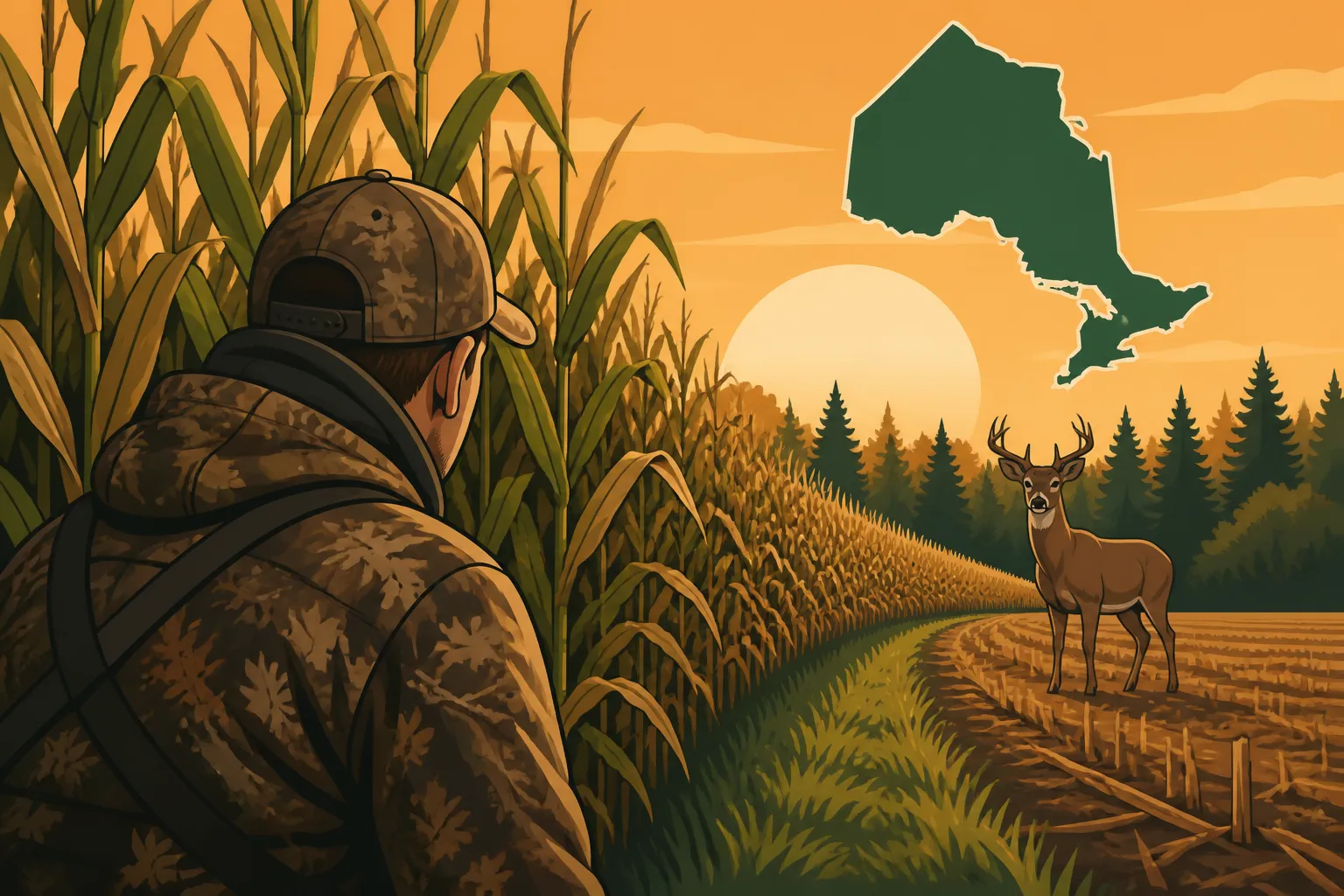
You know that feeling, right? You've been scouting hard, checking bush edges and travel corridors, only to find the deer activity just isn't quite where you thought it would be. Or maybe you've spotted some absolute giants, but they seem to vanish into thin air as soon as the sun is up. It's frustrating, but it's a common story for hunters across Ontario. The truth is, sometimes the deer are right under your nose, hidden in plain sight, especially when there's a lush field of standing corn nearby. This guide is all about demystifying the art of hunting a standing corn field edge, helping you unlock the potential of these overlooked hotspots for whitetails.
Understanding the Allure of Corn Fields for Whitetails
For an Ontario whitetail, a field of standing corn isn't just a place; it's an entire ecosystem, a five-star resort rolled into one. It provides everything a deer needs to thrive, especially when hunting pressure starts to ramp up in other areas. We're talking about food, shelter, and security, all wrapped up in a dense, towering package that can make a deer feel completely invisible. Hunters often overlook corn or see it as too difficult to navigate, but that's precisely why it can be such a gem – the deer know they're safe there.
The Seasonal Appeal of Standing Corn
Early in the season, when the corn is still green and growing, it offers a cool, shaded refuge from the late summer sun and biting insects. Deer will bed down deep inside, enjoying the consistent temperature and the almost impenetrable cover. As the season progresses into fall, and the corn begins to mature, it transforms into an absolute buffet. Those kernels are packed with carbohydrates and energy, exactly what a deer needs to pack on fat reserves before the lean winter months. This is particularly true in areas where natural food sources might be dwindling or have been heavily browsed. It's a goldmine, really, and the deer treat it as such, often making these fields their primary residence.
Then comes the golden, drying stage. The stalks stiffen, the leaves crinkle, but the cover remains incredibly dense. A mature buck can literally disappear into a few rows of corn, making tracking them by sight nearly impossible. This cover provides not only a sense of safety from predators but also from us, the hunters. They know they can slip in and out, feed, and bed without being seen, especially during daylight hours. This ever-changing seasonal appeal means your tactics need to adapt, but the core attraction remains constant: corn means life for a whitetail.
Food, Cover, and Security: The Deer's Perspective
Imagine being a deer. You need to eat, you need to feel safe, and you need a place to rest. A standing corn field delivers on all fronts. The sheer volume of nutritious kernels available means deer don't have to travel far to get their fill. They can simply browse right where they bed, minimizing their exposure to potential threats. This reduces energy expenditure and increases their overall sense of well-being, leading to healthier, larger deer, especially in regions like Southern Ontario farm country where corn is plentiful.
Beyond food, the dense stalks offer incredible thermal cover, protecting deer from harsh winds, rain, and early season cold snaps. It also acts as a visual and auditory barrier. You might be walking a field edge, and a deer could be a mere 20 yards inside, completely unaware of your presence, or vice versa. This sense of security is paramount, especially for mature bucks who are constantly on alert. They learn that the corn offers a sanctuary where they can relax and move with less caution during the day. This is why you often find deer slipping into corn fields at first light and emerging only after dark, using the cover for their daylight movements, often sticking close to a fencerow between two fields or a woodlot.
Effective Strategies for Hunting Corn Field Edges in Ontario
Hunting corn fields isn't just about showing up and hoping for the best; it requires a thoughtful, strategic approach, much like any other successful hunt. Because deer use corn so effectively for cover, you need to think like a deer and anticipate their movements, especially along those critical edges where they transition between the field and other habitat types. Patience and precision are your best friends here.
Scouting and Strategic Stand Placement
Pre-season scouting is absolutely non-negotiable when it comes to corn. Even before the stalks reach their full height, you can start identifying key entry and exit points. Look for worn trails leading into and out of the corn, particularly where they connect to adjacent woodlots, creek bottoms, or thick cover. These trails are like deer highways. Use a mapping app like GoHunt (or another reputable app) to mark these trails, potential bedding areas just inside the corn, and any funnels or pinch points along the edges. Don't be afraid to walk the edges, even slightly into the corn, paying close attention to fresh tracks, droppings, and browse lines. You might even find where deer are rubbing their antlers on the thicker corn stalks.
When it comes to stand placement, think about where deer will feel most comfortable emerging or entering. Often, this is a subtle bend in the field, a point where a small finger of woods extends, or even a low spot in the terrain. You'll want to place your stand where you can intercept deer moving along these edges or as they pop out to feed. Consider setting up a stand where you can overlook a well-used trail that skirts the corn edge before diving back into heavier timber. If the corn borders a hardwood ridge for whitetails, focus your efforts on that transition zone, as deer will often travel the security of the ridge before dropping down to the corn. Ideally, you want to be close enough for a good shot but far enough not to spook deer entering or exiting the field.
Playing the Wind and Mastering Entry/Exit
Wind is your ultimate dictator when hunting corn. Deer will almost always approach a food source, especially one as open as a field edge, with the wind in their favour. This means they'll circle downwind before committing, trying to scent-check the area for danger. Therefore, your stand placement must account for prevailing winds. Have multiple stand locations ready for different wind directions, or choose one that gives you a favourable crosswind. Never hunt a corn field edge with your scent blowing directly into where you expect deer to approach from or enter the field. This is a surefire way to educate and spook deer, making them even warier of the area.
Your entry and exit routes are just as critical. The goal is to get into your stand and out again without alerting a single deer. This often means walking along ditch lines, creek beds, or dense tree lines that offer visual and scent cover. Avoid walking directly down the corn row if possible, as the noise can be immense, and your scent will linger. If you have to cut through a section of corn to reach your stand, do it slowly and quietly, as early as possible before prime movement times. If you're hanging a stand on an Ontario bush edge next to a corn field, ensure your path doesn't cut across common deer trails. Think about how you'll leave after the hunt, especially if you harvest a deer. Planning for extraction is part of successful entry/exit strategy.
Timing Your Hunt: Dawn, Dusk, and the Rut
The classic "golden hours" of dawn and dusk are often the most productive around corn fields. Deer will typically move out of the corn to feed in adjacent plots or linger on the edges at first light before retreating deep into the stalks for the day. In the evening, they'll emerge to feed, often following the same predictable patterns. However, corn can also be an excellent spot for an all-day sit, especially during the peak of the rut, roughly hunting the rut in early to mid November. Bucks will cruise these edges, sometimes even popping in and out of the corn, searching for does that are feeding.
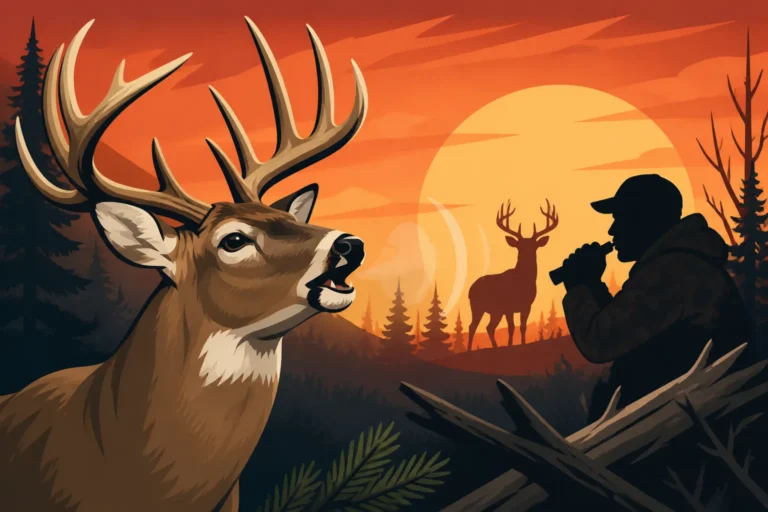
During the rut, does feeding in the corn fields become natural magnets for bucks. A buck might follow a doe's trail right along the edge or even venture a few rows in, confident in the cover. This is when rattling and calling can be particularly effective. A few soft grunts or even a snort-wheeze directed towards the corn can sometimes entice a curious buck to reveal himself along the edge. Remember that deer typically move during low light, so being in your stand well before sunrise and staying until legal shooting light is completely gone is crucial.
Challenges and Considerations When Hunting Corn Fields
As appealing as corn fields are, they come with their own unique set of challenges. It's not always easy, and sometimes it feels like the deer are just laughing at you from their hidden fortress. Understanding these hurdles and having a plan to overcome them is key to turning a frustrating hunt into a successful one.
The "Black Hole" Phenomenon and Recovery Challenges
One of the biggest frustrations, and indeed a major challenge, is what I like to call the "black hole" phenomenon. You see a magnificent buck, perhaps even get a shot off, and it bolts directly into the dense, standing corn. Suddenly, it's gone. The corn stalks are so thick and tall that visual tracking is nearly impossible. Unless you have a clear, distinct blood trail, finding a downed deer in a vast corn field can be incredibly difficult, often turning a joyful moment into hours of agonizing searching. This is compounded if the deer doesn't leave a strong trail, or if you're hunting in warmer, earlier seasons where meat care in Ontario's warm early seasons is critical.
To combat this, precision is paramount. If you take a shot, make absolutely sure it's a good one. Wait for a broadside or quartering-away shot that gives you the best chance of a quick, ethical kill and a clear exit wound for a blood trail. Mark the exact spot the deer was standing and the direction it ran. Use landmarks, or even drop a piece of blaze orange fabric at the shot site. If you have a partner, have them stand on the shot location while you begin tracking. If the trail is sparse, consider bringing a tracking dog if legal and available in your area. Don't rush in; give the deer time if you believe it was not a fatal shot, but be diligent in your search, covering every possible row in the direction of travel.
Navigating Hunter Pressure and Property Boundaries
Corn fields, especially those bordering public land or easily accessible areas, can attract a lot of attention from other hunters. This increased pressure can push deer deeper into the corn, making them even more nocturnal or hesitant to leave the security of the stalks. If you're hunting private land, make sure you have solid permission and are aware of any other hunters who might also have access. For crown land, scouting for vehicle access points and identifying areas that receive less pressure is crucial. The GoHunt app can be immensely helpful here, as it often shows land ownership boundaries, allowing you to stay clear of private property lines and identify potential access points.
Always be acutely aware of property lines. Shooting across a boundary or retrieving a downed animal from adjacent private land without permission is trespassing and illegal. Before you hunt, consult detailed maps, like those available on GoHunt, to clearly understand where your hunting privileges end. If you suspect an animal has crossed onto private land, make immediate contact with the landowner to request permission to retrieve it. Building good relationships with landowners is invaluable, as it not only respects their property but also potentially opens up more hunting opportunities down the line, an important aspect of knocking on doors in Southern Ontario. Respecting these boundaries is not just a legal obligation but a cornerstone of ethical hunting.
Gear and Tactics for Success Around Corn
Successfully hunting a corn field edge requires more than just knowing where the deer are. It demands the right gear and a smart application of tactics to overcome the unique challenges these environments present. From scent control to calling, every detail can make a difference in turning a close encounter into a filled tag.
Essential Gear for Corn Field Edges
Given the close quarters and the deer's reliance on their senses, scent control is paramount. Invest in high-quality scent-eliminating sprays, detergents, and even activated carbon clothing. Your goal is to be as odorless as possible. This is particularly important when deer are bedding just inside the corn and could bust you at close range. Optics are also key; a good pair of binoculars (10×42 or 10×50) will help you pick apart the corn rows for movement at dawn and dusk, or spot that subtle flick of an ear. A rangefinder is non-negotiable for precise shot placement, especially if you're bowhunting Ontario's long archery season and need to know exact distances in an environment where depth perception can be tricky.
As for firearms, consider the legal requirements and effective range. If you're rifle hunting Ontario's deer season, ensure your chosen calibre is appropriate for whitetail and that you're sighted in for the distances you expect to shoot. Often, shots around corn fields are not extremely long range, but precision is always needed. For bowhunters, ensure your bow draw weight rules in Ontario are met and that your broadheads are razor-sharp. A good headlamp with a red-light setting is essential for silent, stealthy entry/exit in the dark, and for tracking in low light conditions. Using a mapping app like GoHunt to mark your stand, potential shot scenarios, and even where you last saw the deer can be a lifesaver when navigating in the dark.
Calling and Decoying Strategies
Deer in corn fields are often vocal, especially during the rut. Soft grunts can mimic a buck cruising the area, while a doe bleat might entice a curious buck looking for companionship. Don't be afraid to experiment with different calls, but always start subtle. Over-calling can spook deer, especially if they're pressured. During the peak of the rut, a light rattling sequence can sometimes bring a buck crashing out of the corn, thinking another buck is challenging his territory. However, in heavily pressured areas, aggressive rattling might do more harm than good. Adapt your calling to the local deer behaviour.
Decoying can be a powerful tactic, but it requires careful consideration around corn. A single doe decoy, placed just outside the corn edge, facing back towards the corn, can sometimes draw a buck out. The idea is to make him believe a doe is about to enter or has just left the cover. Make sure your decoy is visible but not so exposed that it looks unnatural. Always position your decoy downwind of your stand so that any buck approaching the decoy will present a shot opportunity before he scents you. This is a tactic that works best during the pre-rut and rut phases when bucks are actively seeking does. Always ensure you are clearly visible in blaze orange when using decoys, especially during gun seasons, to ensure safety.
| Feature | Advantages of Hunting Corn Field Edges | Challenges of Hunting Corn Field Edges |
|---|---|---|
| Deer Activity | High traffic for feeding and bedding | Deer can disappear into dense cover |
| Cover | Excellent visual and thermal cover for deer | Difficult for hunter visibility and tracking |
| Food Source | Abundant, high-energy food source | Deer can feed entirely within the field, limiting edge exposure |
| Security | Deer feel safe from predators and hunters | Makes deer highly nocturnal, difficult to pattern |
| Tracking | Good trails can be evident on edges | Recovery of downed game can be extremely difficult in thick corn |
| Pressure | Can provide refuge from external pressure | Popular spots can attract high hunter pressure |
| Scouting | Clear sign of movement along edges | Difficult to scout internal field movements |
Disclaimer
Hunting is an inherently dangerous activity. Always prioritize safety, adhere to all local hunting regulations and laws, and obtain the necessary licenses and permits. The information provided in this guide is for informational purposes only and should not replace professional instruction or local wildlife regulations. Ensure you have proper training and respect for the outdoors and wildlife.