Hunting Wolves in Ontario’s North
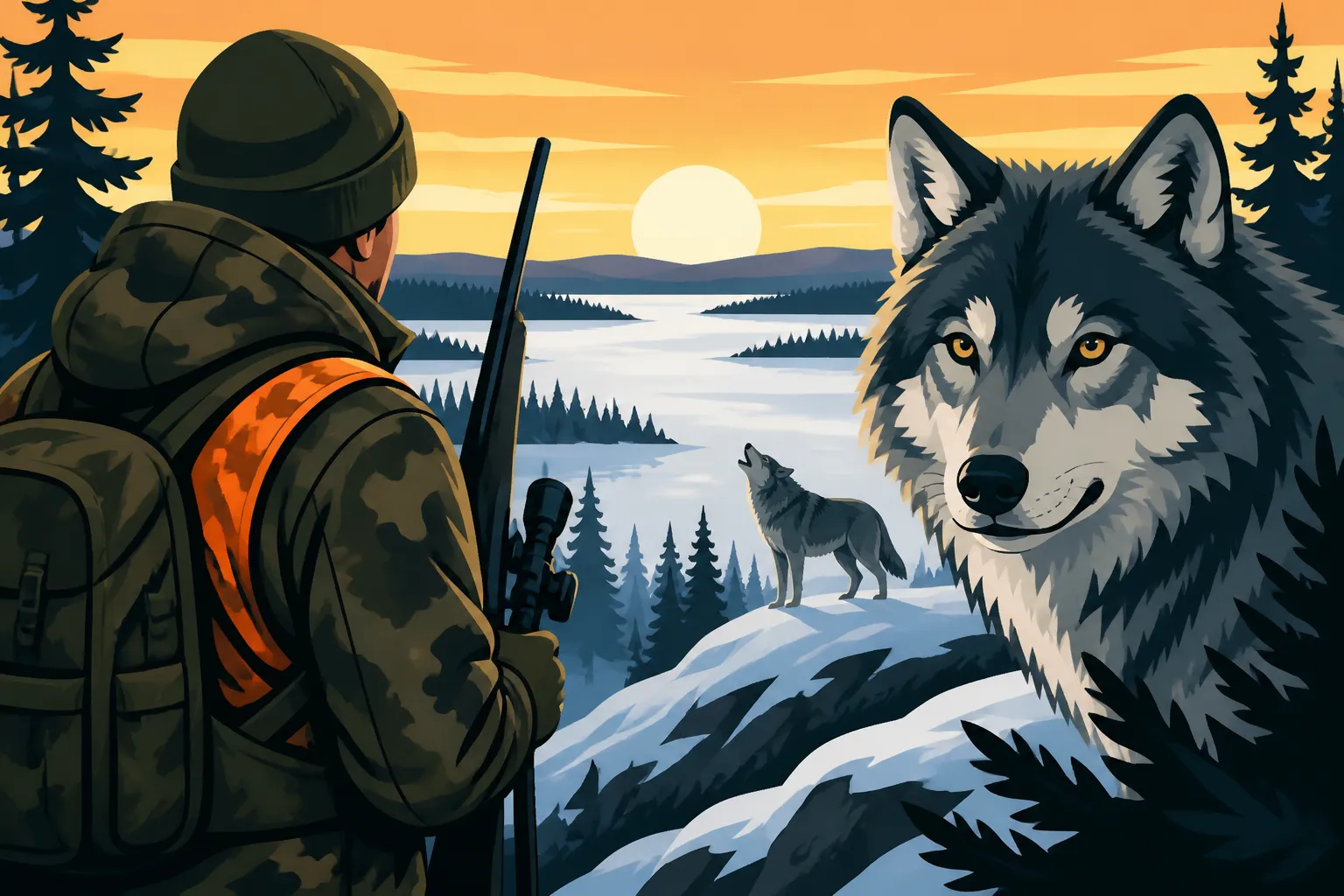
Hunting wolves in Ontario's vast northern reaches is a challenge that many hunters find deeply rewarding, yet it comes with unique hurdles. These intelligent, elusive predators are notoriously difficult to outsmart, often leading to frustrating hunts where you might barely catch a glimpse, let alone a shot opportunity. This comprehensive guide is designed to peel back the layers of mystery surrounding wolf hunting in the province, diving deep into their behaviour, the necessary regulations, effective strategies, and essential gear, all to help you approach your next hunt with confidence and a solid plan.
Understanding Ontario's Wolf Species and Their Habitat
Before you even think about loading your rifle, it's crucial to understand the very creatures you're pursuing. Ontario is home to several wolf populations, each with slightly different characteristics and behaviours. Knowing what you're looking for, and where to find it, is half the battle won against these cunning predators.
Distinguishing Wolves from Coyotes in the Bush
One of the most common mistakes in the bush, especially for less experienced hunters, is confusing a wolf with a coyote. While both are canids, they are distinct species with different sizes, builds, and behavioural patterns. Eastern wolves, often found in central and eastern Ontario, are generally smaller than grey wolves, leading to some confusion with larger coyotes or coywolves in transition zones. Grey wolves, prevalent in Northern and Northwestern Ontario, are significantly larger, often weighing over 80 pounds, with some mature males reaching well over 100 pounds. They have broader muzzles, larger paws, and a more robust, barrel-chested appearance compared to the slender, often scruffier coyote.
Coyotes, on the other hand, are smaller, typically ranging from 25 to 45 pounds. They have more pointed ears, a narrower snout, and a more dog-like gait. Their fur often appears lighter and more varied in colour than the usually uniform grey, black, or reddish-brown of a wolf. In regions where their ranges overlap, especially in more agricultural or semi-forested areas, identifying the correct species can be tricky. However, in the deep northern bush where prime wolf habitat exists, you're more likely to encounter the larger, more powerful grey wolf. Familiarize yourself with their distinct tracks as well; wolf tracks are considerably larger than those of a coyote, often measuring over four inches in length. This distinction is not just academic; it’s vital for ethical hunting and adhering to specific tag requirements. For more on this, you might find our guide on Wolves and Coyotes in Ontario particularly insightful.
Prime Wolf Habitat in Northern Ontario
Wolves thrive in vast, undisturbed wilderness areas, which is precisely what Northern Ontario offers in spades. Think expansive boreal forests, mixed woodlands, vast tracts of Crown land, and areas with healthy populations of their primary prey: moose, deer, and beaver. They are often found patrolling along ancient game trails, old logging roads, hydro lines, and river systems – natural travel corridors that allow them to cover ground efficiently while hunting. Areas with active timber harvesting can also create excellent habitat, as the regenerated growth provides food for deer and moose, which in turn attracts wolves.
Specifically, regions like Northwestern Ontario, particularly the areas west of Thunder Bay and up towards Kenora and Dryden, are renowned for robust wolf populations. Similarly, parts of Northeastern Ontario, especially the larger, unbroken forest blocks around Cochrane, Hearst, and Kapuskasing, hold significant numbers. These are not areas where you’ll typically find wolves lurking in suburban woodlots; rather, they demand deep wilderness travel and an understanding of large-scale landscape features. Look for areas with a mosaic of forest types, particularly mature stands interspersed with younger growth, beaver ponds, and wetlands. These diverse landscapes support a healthy prey base, which is the ultimate draw for wolves. Understanding how to locate these vast, often remote hunting grounds is critical, and a resource like Hunting Northwestern Ontario's Big Bush can offer valuable insights into these rugged territories.
The Algonquin Wolf and Its Unique Protection
While the focus of hunting in Northern Ontario is typically on the Grey Wolf, it's absolutely crucial to be aware of the Algonquin Wolf and its protected status. The Algonquin Wolf, sometimes referred to as the Eastern Wolf or by its scientific name Canis lycaon, is a species of special concern in Ontario. It's found predominantly in the central and southeastern parts of the province, particularly within and surrounding Algonquin Provincial Park, and extends into adjacent areas like the Alqonquin Highlands and portions of the Great Lakes-St. Lawrence forest region.
The range of the Algonquin Wolf generally falls outside the traditional "Northern Ontario" hunting grounds for grey wolves, but understanding its distribution is paramount to avoiding inadvertent harvest. There are strict regulations in place to protect these animals, including closed seasons and specific prohibitions on hunting or trapping them within their core range. It's a complex topic, and distinguishing them from larger coyotes or smaller grey wolves in mixed zones can be incredibly difficult, even for seasoned wildlife professionals. This is why vigilance and understanding your hunting area's specific regulations are non-negotiable. For anyone venturing into central Ontario, or even areas where grey and Algonquin wolf ranges might slightly overlap, it's not just about compliance, but about ethical conservation. Always double-check the current regulations for your specific Wildlife Management Unit (WMU) and, when in doubt, err on the side of caution. For a deeper dive into this important distinction, make sure to read What the Algonquin Wolf Actually Is.
Regulations and Licencing for Wolf Hunting in Ontario
Navigating the rules and regulations is arguably the most critical part of any hunting trip, and wolf hunting in Ontario is no exception. Ignorance of the law is never an excuse, and violations can lead to severe penalties, including fines, licence suspension, and even jail time. Make sure you're squared away before you even think about heading into the bush.
Obtaining the Necessary Licences and Tags
To hunt wolves in Ontario, you first need a valid Outdoors Card. This card is your gateway to purchasing any hunting or fishing licence in the province and acts as your identification as an outdoors person. Once you have your Outdoors Card, you'll need to purchase a Resident Small Game Hunting Licence. This licence, often referred to as a "small game" licence, typically covers wolves and coyotes, among other species, across much of Ontario. However, specific tag requirements and seasons can vary significantly by WMU.
It's absolutely critical to consult the current Ontario Hunting Regulations Summary, published annually by the Ministry of Natural Resources and Forestry (MNRF). This document will detail which WMUs allow wolf hunting, specific season dates, and any special tag requirements or restrictions. For instance, in some WMUs, wolves might be listed as a "fur-bearing animal" that can be harvested under a small game licence, while others might have more specific rules or even closed seasons. Always verify the regulations for the specific WMU you intend to hunt. Remember, acquiring the right paperwork is your first step towards an ethical and legal hunt. For an in-depth look at this, our guide on Ontario Wolf and Coyote Tag Rules is an excellent resource.
Season Dates and Bag Limits Across WMUs
Wolf hunting season dates and bag limits are highly variable across Ontario's extensive network of Wildlife Management Units (WMUs). This variability is designed to manage local populations sustainably, taking into account factors like prey availability, habitat quality, and human-wildlife interactions. In many northern WMUs, the wolf season can be quite long, often spanning from early fall through to late winter, sometimes coinciding with moose or deer seasons. This extended period offers hunters a good window of opportunity, especially when snow cover makes tracking easier.
However, it's not a blanket rule. Some WMUs, particularly those closer to human settlements or within the protected range of the Algonquin Wolf, may have very short seasons, specific opening and closing dates, or even be closed entirely to wolf hunting. Bag limits are typically quite conservative, often one or two wolves per hunter per season, but again, this is WMU-specific. There might also be restrictions on methods of take during certain periods. For example, some areas might permit trapping for wolves under a separate fur harvest licence, but these rules are distinct from recreational hunting. Always use resources like the official MNRF regulations summary or the GoHunt app to pinpoint the exact dates and limits for your target WMU. And remember, understanding Ontario Shooting Hours for Big Game is also crucial, as it provides context for ethical shot timing, even if wolves are often pursued in daylight.
Legal Equipment and Blaze Orange Requirements
When hunting wolves in Ontario, your choice of equipment must adhere to provincial regulations. For rifles, there aren't typically specific calibre restrictions for wolves as there are for big game like moose or deer, but it's common sense to use a calibre that delivers sufficient energy for a clean, ethical kill. Many hunters opt for medium to large calibre rifles, such as .270, .30-06, .308, or even magnum calibres, especially when hunting in open areas where longer shots might be possible. Shotguns loaded with slugs are also legal. Archery equipment, including compound bows and crossbows, must meet minimum draw weight and arrow/bolt specifications if you choose to hunt wolves with a bow.
Blaze orange requirements are another critical safety and legal consideration. In Ontario, during any open season for deer, moose, or bear, hunters must wear blaze orange. This includes a minimum of 400 square inches above the waist, visible from all sides, and a blaze orange head covering. While wolf hunting might often occur outside of these specific big game seasons, it's always wise, and often legally required if overlapping, to don your blaze orange, especially when other hunters might be in the woods for small game or other pursuits. Safety is paramount, and being visible is the simplest way to reduce the risk of accidents. Even if you're not strictly required to wear it, a blaze orange vest and hat should be standard practice when moving through the bush. For more details on this, our article on Ontario Blaze Orange Requirements offers a comprehensive overview.
Proven Strategies for Hunting Wolves in Ontario's North
Wolf hunting is an exercise in patience, stealth, and a deep understanding of animal behaviour. These aren't creatures you simply stumble upon; they demand calculated strategies and a hunter's utmost respect.
The Power of Calling and Decoys
Calling is arguably the most effective and exciting strategy for hunting wolves. Wolves are highly social and territorial, responding to a variety of calls. Distress calls, mimicking a wounded rabbit, fawn, or even a distressed beaver, can often pique their curiosity, drawing them in to investigate a potential easy meal. Howls, both individual and pack howls, can also be highly effective, especially for locating wolves or challenging a dominant male to reveal himself. Electronic callers, such as those from Foxpro or ICOtec, pre-loaded with a range of wolf, coyote, and prey sounds, are popular tools, allowing for volume control and hands-free operation.
Manual calls, however, also have their place, especially for a more nuanced approach or when hunting areas with educated wolves. Setting up for a call sequence requires careful attention to wind direction, cover, and escape routes. Always set up with the wind in your face or quartering, ensuring your scent doesn't reach the wolves before they're in range. Decoys, particularly those mimicking a wounded animal or a small game animal, can further enhance your calling setup by providing a visual stimulus that distracts the wolf and draws its attention away from your concealed position. A well-executed calling sequence, combined with a good hide and a subtle decoy, can turn a quiet morning into an unforgettable encounter.
Spot and Stalk in Open and Semi-Open Terrain
While much of Northern Ontario is dense forest, there are specific areas where spot-and-stalk tactics can be highly effective. This includes recent clear-cuts, large logging blocks, open muskegs, hydro lines, gas pipelines, and even frozen lake edges, especially in late fall and winter. These open environments allow for better visibility, enabling you to spot wolves from a distance using binoculars or a spotting scope. Wolves often utilize these open areas for travel, hunting, or simply resting in sunny spots during colder weather.
Once a wolf or pack is spotted, the challenge shifts to the stalk. This requires exceptional stealth, utilizing terrain features like rises, treelines, and brush to remain undetected. Wind direction is, again, paramount. You'll need to move slowly, deliberately, and be prepared to freeze for extended periods if a wolf looks your way. This method demands keen observation skills, a deep understanding of animal movement, and physical stamina to cover ground quietly. It's a game of chess played over vast landscapes, where every move must be calculated. GoHunt's mapping features can be incredibly helpful for identifying these types of open and semi-open areas on Crown land, allowing you to plan your approach routes well in advance.
Ambushes Along Travel Corridors and Kill Sites
Wolves, like all predators, are creatures of habit when it comes to travel and food. Identifying their regular travel corridors and recent kill sites can provide excellent ambush opportunities. Travel corridors often include old logging roads, game trails, frozen rivers or lakes, and the edges of clearings. These are the highways wolves use to move between hunting grounds, dens, and rendezvous sites. By scouting these areas for fresh tracks, scat, and other sign, you can determine active routes.
Kill sites are another prime ambush location. If you stumble upon a fresh deer or moose kill, especially one that wolves have only partially consumed, there's a very high probability they will return to feed. Setting up a blind downwind of such a site, well before dawn, can put you in an excellent position for a returning wolf. This strategy relies heavily on pre-hunt scouting and patience. It’s not about covering miles, but about picking the perfect spot and waiting for the wolves to come to you. You might find that our article on Hunting an Old Logging Road in the North provides useful context for identifying these key travel routes in dense bush.
Key Considerations for a Northern Ontario Wolf Hunt
Hunting wolves in the vast wilderness of Northern Ontario is as much about preparation and mental fortitude as it is about shooting skills. The environment itself presents unique challenges that demand respect and careful planning.
Scouting and Locating Wolf Activity
Effective scouting is the bedrock of a successful wolf hunt. You can't just wander into the bush and expect to bump into a wolf. Wolves cover enormous territories, and pinpointing their current activity is crucial. Start by studying maps, particularly satellite imagery, to identify potential travel corridors, pinch points, and areas with good prey populations. Look for old logging cuts, beaver ponds, river systems, and hydro lines. Resources like GoHunt's detailed mapping tools, with their Crown land layers, can be invaluable for this initial digital scouting phase, allowing you to identify remote areas with minimal human disturbance.
Once on the ground, look for concrete signs: tracks in mud, snow, or sand; scat; scratch marks on trees (especially territorial markings); and active kill sites. Howling at dawn or dusk can also help locate a pack, but be cautious not to over-call and educate the wolves to your presence. Remember, wolves are highly intelligent; if they sense pressure, they'll become even more elusive. Focus on fresh sign and recent activity to narrow down their current range. Scouting effectively saves you countless hours of unproductive hunting and increases your chances of encountering these wary animals. For a detailed primer on leveraging technology for your scouting efforts, refer to our guide on Scouting With Satellite Imagery in Ontario.
Weather, Scent Control, and Patience
Northern Ontario weather can be unpredictable and unforgiving, especially during the fall and winter wolf seasons. Extreme cold, deep snow, and biting winds are common. Your ability to withstand these conditions directly impacts your hunting success and safety. Dress in layers, prioritizing warmth, waterproof outer shells, and proper footwear. A severe drop in temperature or a heavy snowfall can completely alter wolf behaviour and movement patterns.
Scent control is absolutely non-negotiable when hunting wolves. They possess an incredibly acute sense of smell, far superior to a deer's. Every human scent molecule you emit is a red flag. Use scent-eliminating sprays, wash your hunting clothes in scent-free detergent, and store them separately from everyday clothing. Bathe with scent-free soap before heading out, and always play the wind. Positioning yourself downwind of where you expect wolves to appear is paramount. Finally, and perhaps most importantly, is patience. Wolf hunting is rarely a fast-paced affair. You might sit for hours, or even days, without seeing a single animal. The mental fortitude to remain still, quiet, and alert, even when nothing is happening, often separates successful wolf hunters from the rest.
Safety and Logistics in Remote Areas
Hunting wolves in Northern Ontario often means venturing into truly remote wilderness, far from immediate help. This demands meticulous planning for safety and logistics. Always inform someone of your exact hunting location and your expected return time. Carry a reliable communication device, such as a satellite phone or an inReach device, as cell service is non-existent in many of these areas. A well-stocked Truck Kit for a Northern Ontario Hunt is not just a convenience, but a necessity, containing emergency food, water, first-aid supplies, extra fuel, and recovery gear.
Navigation is another critical aspect. Don't rely solely on a phone app; carry a physical map (like one from our guide on Reading an Ontario WMU Map Before You Go) and compass, and know how to use them. GPS devices are excellent, but batteries can die. Be proficient in wilderness first aid and carry appropriate supplies for injuries or illnesses. Consider hunting with a partner, especially in deep bush, for added safety. Understand the rules for accessing and camping on Ontario's Crown Land Access Rules, as much of the prime wolf habitat lies within these public lands. The vastness and wild nature of Northern Ontario are part of its allure, but they also demand a heightened sense of responsibility and preparedness from every hunter.
Ethical Hunting Practices and Post-Harvest Care
Ethical hunting is about respect for the animal, the land, and the hunting tradition. It means doing everything in your power to ensure a quick, humane harvest and caring for the animal respectfully afterward.
Responsible Shot Placement and Tracking
When you finally get an opportunity at a wolf, responsible shot placement is paramount. Due to their intelligence and resilience, a poorly placed shot can result in a wounded animal that escapes and suffers. Aim for the vital organs – the heart and lungs – located just behind the shoulder. This area provides the largest target for a clean, ethical kill. Practice with your rifle regularly, ensuring you are proficient at various distances and under simulated field conditions. Only take shots within your effective range, and never rush a shot. If the shot doesn't feel right, don't take it.
After the shot, even if the wolf appears to drop immediately, always approach with caution. Wolves are tough, and a seemingly dead animal can sometimes revive or react defensively. Once you're certain the animal is down, take a moment to confirm it. If the wolf runs, mark the spot where it was hit and the direction of travel. Give it time – sometimes 15-30 minutes, or even longer for a marginal hit – before beginning to track. Follow the blood trail meticulously, looking for broken branches or disturbed ground. Tracking in snow can be easier, but in dense bush, it requires immense patience and sharp eyes. Losing a wounded animal is every hunter's worst nightmare, so commit to a thorough and diligent tracking effort.
Field Dressing and Meat Care in the North
Unlike deer or moose, wolves are not typically hunted for their meat, though their hides are highly valued. However, proper field dressing is still essential, especially for preserving the hide, which is often the primary trophy. The moment the wolf is down, begin the field dressing process to cool the carcass as quickly as possible. This helps prevent hair slippage, which can ruin a hide for taxidermy or tanning. Make careful incisions to avoid cutting through valuable fur. If you plan to have the hide tanned or mounted, skinning should be done meticulously, leaving sufficient hide around the paws and head.
In colder northern climates, cooling isn't usually an issue, but preventing freezing might be. If temperatures are extremely cold, ensure the hide doesn't freeze before it can be properly processed. For hides destined for taxidermy, it's often best to remove as much meat and fat as possible, then salt it heavily before getting it to a reputable taxidermist. While not a primary meat animal, the principles of quick cooling and cleanliness still apply. Although wolves aren't typically consumed, understanding how to handle game effectively, as detailed in articles like Meat Care in Ontario's Warm Early Seasons, still provides valuable knowledge for general animal processing in the field.
Reporting Your Harvest and Contribution to Conservation
Once you've successfully harvested a wolf, your responsibility doesn't end. In Ontario, mandatory reporting of your harvest is a critical component of wildlife management and conservation. Details on how and when to report your wolf harvest will be outlined in the annual Ontario Hunting Regulations Summary. This typically involves using the online hunter reporting system or submitting a paper form by a specific deadline. The information you provide—such as the date, WMU, sex of the animal, and sometimes age or size—is vital for the Ministry of Natural Resources and Forestry (MNRF) to monitor wolf populations.
This data allows wildlife biologists to track population trends, assess the effectiveness of current management strategies, and make informed decisions about future season dates and bag limits. By diligently reporting your harvest, you're directly contributing to the sustainable management of Ontario's wolf populations, ensuring these magnificent animals continue to thrive for future generations. It's a fundamental part of being a responsible hunter and demonstrates a commitment to the health of our shared natural resources.
Gear Essentials for Success on a Wolf Hunt
Hunting wolves in Northern Ontario requires specific gear tailored to the challenging environment and the elusive nature of the animal. Having the right equipment can make the difference between a successful hunt and a frustrating, even dangerous, experience.
Rifles, Ammunition, and Optics
Your rifle is, of course, central to your hunt. As mentioned earlier, a medium to large calibre rifle (e.g., .270, .30-06, .308, 7mm Rem Mag, .300 Win Mag) capable of delivering a powerful and ethical kill at various ranges is recommended. Accuracy is paramount, so ensure your rifle is well-maintained and sighted in. Premium ammunition with controlled expansion bullets is a wise investment, as it maximizes energy transfer and reduces the risk of an ethical failure.
Optics are equally crucial. A high-quality rifle scope with good low-light performance and adjustable magnification (e.g., 3-9x, 4-12x, or even higher for longer range opportunities) is essential. For spotting, a good pair of binoculars (10×42 or 10×50) is non-negotiable for glassing large areas, especially when utilizing spot-and-stalk tactics. In more open country, a spotting scope can also be invaluable for identifying wolves at extreme distances without disturbing them. Consider lightweight, durable gear that can withstand harsh weather and the rigours of bush travel.
Winter Clothing and Survival Gear
Northern Ontario winters are no joke. Proper clothing is not just about comfort; it's about survival. Layering is key: start with a moisture-wicking base layer, add insulating mid-layers (fleece or down), and top it off with a waterproof, windproof outer shell. A warm hat, insulated gloves or mitts, and heavy-duty, waterproof, insulated boots are critical to prevent frostbite and hypothermia during long hours of waiting in frigid temperatures.
Beyond clothing, a comprehensive survival kit is mandatory. This should include:
- Fire starting materials: waterproof matches, lighter, fire steel, tinder.
- Emergency shelter: tarp, bivy bag.
- Navigation: GPS, map, compass.
- First-aid kit: comprehensive and well-stocked.
- Food and water: high-energy snacks, water filter or purification tablets.
- Tools: multi-tool, knife, small saw.
- Signaling devices: whistle, signal mirror, satellite communication device.
Remember, a simple trip into the bush can quickly become a survival situation if you're not prepared.
Navigation and Communication Tools
In the vastness of Northern Ontario, getting lost is a real and dangerous possibility. Reliable navigation tools are non-negotiable. A handheld GPS unit is highly recommended for accurate positioning and marking waypoints, but it should always be backed up by a physical map of your Wildlife Management Unit and a compass. Learn to use them both before your trip. Pre-loading your routes and potential hunting spots into your GPS or a mapping app like GoHunt can save precious time and prevent errors in the field.
Cell service is often non-existent in remote northern areas, making a satellite communication device (e.g., Garmin inReach, Zoleo, or a satellite phone) an essential piece of safety gear. These devices allow you to send and receive messages, access weather forecasts, and, most importantly, send an SOS signal in an emergency, providing peace of mind for both you and your loved ones back home. Don't venture deep into the northern bush without a reliable way to communicate.
Disclaimer
Please remember that hunting regulations, seasons, and licensing requirements can change. Always consult the most current Ontario Hunting Regulations Summary from the Ministry of Natural Resources and Forestry (MNRF) before planning and embarking on any hunting trip. The information provided in this guide is for general informational purposes only and does not constitute legal advice.