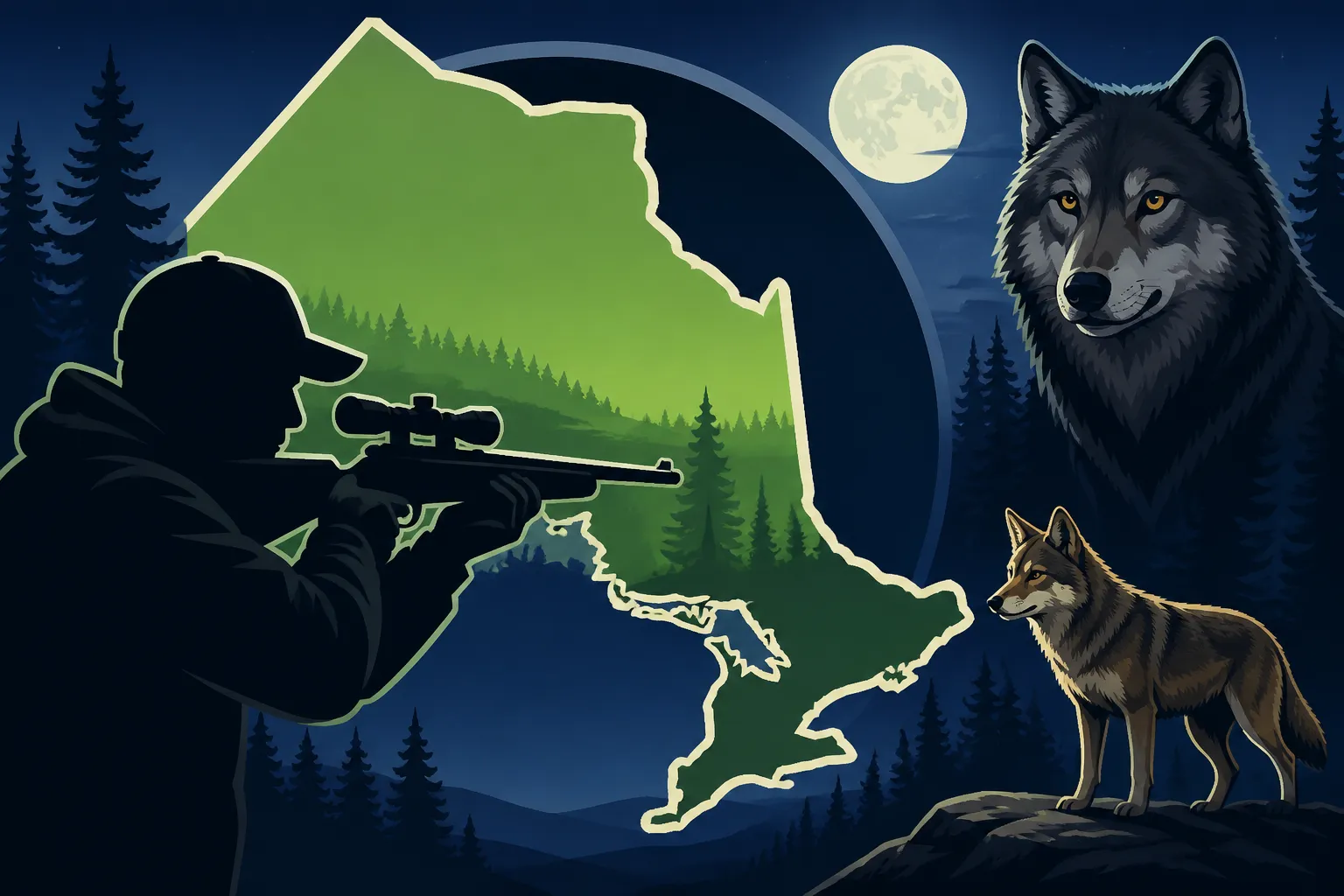
Night Hunting Rules for Ontario Predators
Navigating the specifics of hunting regulations in Ontario can feel like trying to untangle a knot, especially when it comes to something as nuanced as night hunting. Many hunters find themselves confused about what's actually permissible after dark, particularly when it comes to managing predator populations like coyotes and wolves. The general prohibition on night hunting for most game often leads to misunderstandings, leaving folks unsure about how to stay on the right side of the law. This comprehensive guide is designed to cut through that confusion, giving you a clear, detailed understanding of Ontario's night hunting rules for predators, so you can hunt safely, legally, and ethically.
Understanding Ontario's General Night Hunting Prohibition
Let's get one thing straight from the start: for the vast majority of game species in Ontario, hunting after dark is simply not allowed. This isn't just a suggestion; it's a fundamental part of our hunting regulations, laid out clearly in the Ontario Hunting Regulations Summary. The intent behind this rule is multifold, focusing on safety, fair chase, and the conservation of wildlife. Trying to hunt deer or moose at night, for example, is not only illegal but incredibly dangerous and completely against the spirit of ethical hunting.
The Rationale Behind the Rules
The prohibition on night hunting for most game is rooted in several critical considerations. First and foremost is safety. Hunting in the dark drastically increases the risk of misidentification, leading to potential accidental shootings of non-target animals, livestock, or even other people. Visibility is compromised, making it incredibly difficult to accurately identify your target, ensure a clear backdrop, and be certain of what lies beyond. It’s also about fair chase. Many game animals are naturally less wary at night, and hunting them under the cover of darkness, often with artificial light, could give hunters an unfair advantage that doesn't align with conservation principles. Finally, it helps to prevent overharvesting and poaching, as animals are more vulnerable at night. These rules are in place to protect both hunters and the wildlife we cherish.
Designated Night Hunting Exceptions
While the general rule is no night hunting, there are specific, carefully carved-out exceptions, and these almost exclusively apply to certain predator species, primarily coyotes and wolves. It's crucial to understand that these exceptions are not broad licenses to hunt any animal at any time. They are narrowly defined and come with their own set of stringent conditions. For instance, hunting migratory birds, big game like deer or moose, or upland game birds like grouse, is strictly limited to half an hour before sunrise and half an hour after sunset. However, when it comes to some predators, the rules change, acknowledging their often-wary nature and the need for population management in certain areas. This is where the specifics really matter, and where many hunters tend to get confused.
Specific Regulations for Coyote and Wolf Hunting at Night
This is the section most hunters are keenly interested in. Ontario does indeed allow for the night hunting of coyotes and wolves, but it's not a free-for-all. There are specific conditions and requirements that must be adhered to. Ignoring these could lead to serious charges, so paying close attention to the details is paramount. The goal is to provide hunters with a tool for predator management while maintaining public safety and responsible hunting practices.
Legal Hours for Predator Hunting
Unlike deer or moose, which have strict daylight hunting hours, coyotes and wolves can be hunted at night in many areas of Ontario. The critical caveat is that you must be hunting on private land, and you must have written permission from the landowner to hunt at night. Without that written permission, night hunting, even for coyotes, is illegal on private property. On Crown Land, however, the rules tighten considerably. Night hunting for coyotes and wolves on Crown Land is generally prohibited, with very few, highly localized exceptions (always consult the most current regulations for any specific WMU you plan to hunt). The reason for this distinction often comes down to public safety and avoiding conflicts with other Crown Land users who might not expect hunters to be active after dark.
You'll often hear discussions about "shooting hours" in Ontario, which generally refer to the period from half an hour before sunrise to half an hour after sunset. For predators like coyotes and wolves, when hunting on private land with permission, these shooting hours can extend beyond that window. However, this exception is specifically for the hunting of these designated predators, and hunters must ensure they are in compliance with all other regulations. It's a precise distinction that differentiates hunting an animal during its more active nocturnal hours versus general game hunting. If you're looking for more general information on daily hunting times, our guide on Ontario Shooting Hours for Big Game can shed more light on the standard framework.
Equipment and Methods Allowed
When hunting coyotes and wolves at night on private land with permission, certain equipment is permitted to aid in identification and aiming. Artificial lights, specifically spotlights, are allowed for illuminating the target. However, it's vital to remember that these lights are for target identification, not for "shining" or harassing animals from a vehicle without the intent to hunt. The use of night vision or thermal imaging devices for hunting coyotes and wolves at night is also generally permitted. These tools have revolutionized night hunting, allowing for much clearer identification and safer shot placement in low-light conditions.
When it comes to firearms, hunters must still adhere to all general firearm regulations regarding legal calibres and ammunition. For example, high-powered rifles are acceptable for coyotes and wolves, but you must ensure you have the appropriate licence and be aware of any local restrictions, such as "shotgun-only" zones in more populated areas. Electronic calls are also a popular and highly effective tool for attracting coyotes and wolves, and their use is generally permitted during night hunting for these species. While hunters often debate the ethics of certain calling methods, using electronic calls at night for predators falls within the legal framework, making it a viable option for those engaged in Calling Coyotes at First Light or later into the night.
It’s important to note that while these tools are allowed, responsible use is paramount. Never use a light or other device to harass wildlife. The intent must always be to lawfully hunt within the regulations.
Importance of Landowner Permission and Safety Zones
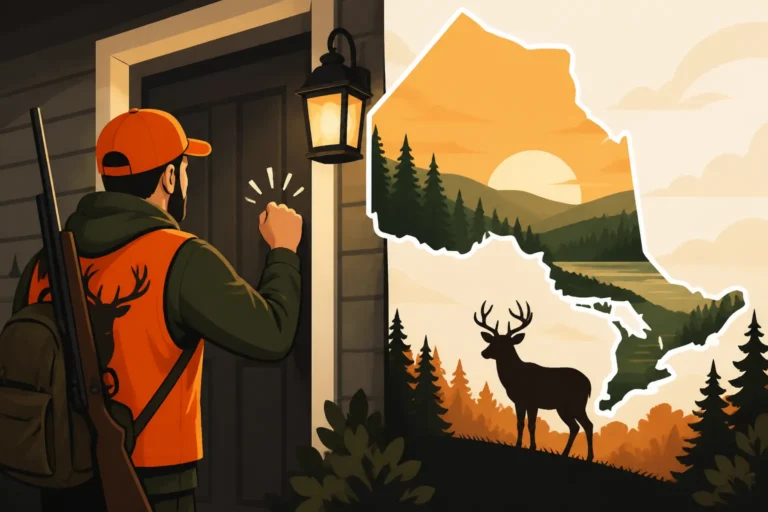
This cannot be stressed enough: written landowner permission is non-negotiable for night hunting predators on private property. Verbal permission is simply not good enough, and frankly, it leaves you vulnerable if there's ever a question. Always get a signed letter from the landowner, explicitly stating what you are permitted to hunt, on what dates, and specifically confirming permission for night hunting. This protects you, and it protects the landowner. Without it, you could be charged with trespassing or illegal hunting, which carries significant penalties. This goes hand-in-hand with understanding Ontario Trespass and Landowner Law.
Beyond just permission, hunters must be acutely aware of safety zones. You cannot discharge a firearm within certain distances of dwellings, roads, or other structures, even on private land. These distances are specified in the regulations and are in place to ensure public safety. Always scope out your hunting area during daylight hours, identify all potential hazards, and establish clear shooting lanes and safe backstops. Using mapping tools, like those provided by GoHunt, can be incredibly beneficial here. They allow you to pinpoint property lines, identify buildings, and mark potential safety zones or problematic areas before you even set foot in the field after dark. This kind of careful planning is essential for a safe and successful night hunt, especially when you're targeting predators like those found when Hunting Coyotes on Ontario Farm Ground.
Regional Variations and WMU Specifics
Ontario is a massive province, and its diverse geography and population densities mean that hunting regulations, even for predators, aren't always uniform from one end to the other. What might be perfectly legal and common practice in the vast expanses of Northwestern Ontario could be entirely prohibited or severely restricted in the more populated southern regions. This variability is why relying solely on general rules can get you into trouble.
How Wildlife Management Units Can Impact Rules
Ontario is divided into numerous Wildlife Management Units (WMUs), and these units are the backbone of how hunting regulations are administered and managed. Each WMU often has specific season dates, bag limits, and sometimes even unique rules for certain species or hunting methods. For night hunting predators, checking the specific WMU you plan to hunt in is critical. While the provincial regulations provide the overarching framework, a particular WMU might have additional restrictions or, in rare cases, specific allowances. For example, some WMUs might have different approaches to wolf management than others, potentially impacting night hunting opportunities for this species.
It's not enough to simply know you're hunting in "Northern Ontario." You need to know the specific WMU number. The best way to do this is by consulting the official Ontario Hunting Regulations Summary and referring to an updated Ontario Wildlife Management Units map. Resources like this can help you verify the precise boundaries and any WMU-specific rules that apply to night hunting for coyotes or wolves in that area. Tools like GoHunt can overlay WMU boundaries directly onto satellite imagery, making it incredibly intuitive to see where you are and what rules might apply to your specific hunting location. This level of detail is non-negotiable for responsible hunting, whether you're stalking Hunting Wolves in Ontario's North or calling coyotes closer to agricultural areas.
Checking Local Bylaws and Municipal Regulations
Beyond provincial WMU rules, it’s imperative to remember that municipalities and even conservation authorities can have their own bylaws and regulations that impact hunting. While provincial law typically supersedes municipal bylaws when it comes to hunting regulations, municipal bylaws often govern things like noise, discharge of firearms, and public safety within their specific jurisdictional boundaries. For instance, a municipality might have a bylaw prohibiting the discharge of a firearm within a certain distance of a residential area, regardless of provincial hunting season dates.
This becomes especially relevant for night hunting, where noise and light might draw more attention from residents. Always check with the local municipal office or police service for any bylaws that might apply to your intended hunting location. It’s better to make a few phone calls beforehand than to face an unexpected visit from law enforcement while you're out hunting. This due diligence ensures you're not only complying with provincial hunting regulations but also being a good neighbour and respecting local community standards. A quick search of the municipal website for "firearms bylaws" or "hunting restrictions" can often provide the information you need.
Best Practices for Ethical and Safe Night Hunting
Night hunting, even for predators like coyotes and wolves, demands a higher degree of responsibility and caution than daylight hunting. The reduced visibility, the potential for misidentification, and the unique challenges of navigating in the dark mean that ethical and safety considerations must be at the forefront of every decision you make.
Pre-Scouting and Understanding Your Terrain
You would never hunt an unfamiliar piece of bush in daylight without scouting, and the same principle applies tenfold to night hunting. Before you even think about heading out after dark, spend significant time during the day thoroughly scouting the area. Familiarize yourself with every rise, fall, creek, fenceline, and potential obstacle. Understand your shooting lanes, identify safe backstops, and know exactly where property lines lie. Using detailed topographic maps or satellite imagery through apps like GoHunt is invaluable for this. You can mark potential stand locations, exit routes, and areas to avoid.
Knowing the terrain intimately helps prevent accidental falls, getting lost, or inadvertently straying onto private property where you don't have permission. It also allows you to anticipate where coyotes or wolves might approach from, where they might try to circle downwind, and where you can position yourself for the best, safest shot. A good scout during the day means a much safer and more effective hunt at night. For more on preparing for your hunt, you might find our guide on Scouting With Satellite Imagery in Ontario particularly useful.
Communication and Safety with Your Hunting Party
If you're hunting with a partner or a group, clear and constant communication is absolutely critical. Establish a robust communication plan before you even leave the vehicle. This includes hand signals, specific verbal commands, and agreed-upon procedures for moving, setting up, and, most importantly, identifying targets. Ensure everyone knows where everyone else is at all times. Using two-way radios can be a lifesaver, especially in thick cover or when spreading out.
Safety protocols should be reviewed meticulously. This includes knowing your zones of fire, never shooting towards another hunter, and always identifying your target 100% before putting your finger on the trigger. Misidentification is the greatest danger in night hunting. Ensure everyone in the party is proficient with their firearm and understands the range limitations in the dark. Carry reliable flashlights, headlamps, and ensure all firearms are handled safely and responsibly. While not strictly required for night predator hunting, understanding general safety practices like those covered in Ontario Hunter Education Requirements can only enhance your party's preparedness.
Respecting Property Boundaries and Wildlife
Ethical hunting isn't just about following the law; it's about respecting the land, the wildlife, and other landowners. When night hunting for predators, this means being extra mindful of your presence. Keep noise to a minimum, and be discreet with lights. While spotlights are allowed for target identification, avoid shining them indiscriminately across fields or towards residential areas, which can be unsettling for neighbours. Always remember that even if you have permission to hunt a specific field, adjacent landowners may not appreciate bright lights sweeping across their property in the middle of the night.
Regarding wildlife, while coyotes and wolves are designated as predators and can be hunted at night, every effort should still be made for a quick, humane harvest. This underscores the importance of proper shot placement and knowing your equipment's capabilities. Never take a risky shot that could wound an animal or endanger others. The responsible hunter understands their role in the ecosystem and strives to manage populations ethically. Using reliable mapping resources like GoHunt to confirm property lines is an excellent way to ensure you're always within your permitted hunting area and not encroaching on a neighbour's land.
Ultimately, night hunting for predators in Ontario is a privilege, not a right. By adhering to these strict rules, prioritizing safety, and acting ethically, we ensure this privilege can continue for future generations.
Ontario Predator Night Hunting Summary
| Rule Aspect | General Game Species (e.g., Deer, Moose) | Coyotes/Wolves (on Private Land with Written Permission) | Coyotes/Wolves (on Crown Land) |
|---|---|---|---|
| Legal Hours | ½ hr before sunrise to ½ hr after sunset | Permitted outside standard shooting hours | Generally NOT permitted |
| Landowner Permission | Required on private land | Mandatory Written Permission | Not applicable |
| Artificial Lights | Not permitted | Permitted for target identification | Not permitted |
| Night Vision/Thermal | Not permitted | Permitted for target identification | Not permitted |
| Electronic Calls | Generally permitted (species-specific) | Permitted | Permitted (during legal hours) |
| Safety Zones | Always applicable | Always applicable (critical at night) | Always applicable |
| WMU Specifics | Always check WMU regulations | Always check WMU regulations and local bylaws | Always check WMU regulations |
Disclaimer
The information provided in this guide is for general informational purposes only and does not constitute legal advice. Hunting regulations in Ontario can change, and it is the hunter's responsibility to consult the most current official Ontario Hunting Regulations Summary, available from the Ministry of Natural Resources and Forestry (MNRF), before engaging in any hunting activity. Always verify specific rules and regulations for your chosen Wildlife Management Unit (WMU) and ensure you have all required licences and permissions.