Ontario Blaze Orange Requirements
Few things can raise the blood pressure of an Ontario hunter faster than realizing they've overlooked a crucial piece of safety gear, especially something as fundamental as blaze orange. It's not just about looking bright in the bush; it's a non-negotiable legal requirement and, more importantly, a lifeline for preventing accidents. This guide is here to untangle all the ins and outs of Ontario's blaze orange requirements, ensuring you're safe, compliant, and ready for your next adventure in the field.
Understanding Ontario's Blaze Orange Mandate
Ontario's hunting regulations are clear when it comes to blaze orange: it's a mandatory safety measure designed to protect hunters and other outdoor enthusiasts. The provincial government, through the Ministry of Natural Resources and Forestry (MNRF), sets these rules to minimize the risk of hunting-related incidents. It’s not just a suggestion; it’s a law put in place to ensure everyone comes home safe.
Who Needs to Wear It and When
The regulations stipulate that every hunter engaged in big game hunting (which includes deer, moose, and bear) during their respective open seasons must wear blaze orange. This applies whether you're actively hunting, traveling to or from your hunting spot, or even scouting in an area where hunting is permitted. It's a blanket rule for anyone participating in these specific hunting activities. For instance, if you're out during Ontario Gun Season Opening Day or hunting during Ontario's November Gun Season, this rule applies to you without exception.
This also extends to youth hunters and apprentices. If you're out with someone participating in Ontario Apprentice and Youth Hunting, they too must adhere to the blaze orange requirements. The intention is universal safety, regardless of experience level. So, if you're walking through a woodlot on your friend's back forty, or traversing vast stretches of Hunting Ontario's Crown Land during an open big game season, that bright orange needs to be on full display.
The Purpose Behind the Rule
At its core, the blaze orange requirement serves one primary purpose: to enhance visibility. In the dense bush, mixed forest, or even open fields of Ontario, it can be incredibly difficult to distinguish a hunter from the natural surroundings, especially in low light conditions, thick fog, or when game movement is drawing the eye. Deer, moose, and bear, for example, do not see the color orange in the same way humans do, making it an effective safety colour that doesn't alert the animals.
Think about a common scenario: you’re still-hunting slowly through a cedar swamp, focused on every snap of a twig, every rustle in the leaves. Another hunter, perhaps on a nearby ridge, might catch a glimpse of movement. Without blaze orange, that movement could be mistaken for game, leading to a dangerous situation. With the bright, unmistakable splash of orange, the other hunter immediately recognizes a fellow human. This clear identification helps prevent misidentification and, ultimately, accidental shootings. It's a proactive step to ensure that while hunters are focused on their quarry, they're not inadvertently putting each other at risk.
Exceptions and Misconceptions
While the blaze orange rule is widespread, there are specific exceptions, and it's important not to misunderstand them. The most common exception is during archery-only seasons for deer. When Ontario's Bow Season Runs, hunters using only bows and arrows for deer or moose are typically exempt from wearing blaze orange, as the close-range nature of bowhunting, combined with the need for camouflage, necessitates a different approach. However, if you're bowhunting during a firearms season, or in an area where firearms are also permitted, the blaze orange rules often still apply to ensure maximum safety for all hunters present.
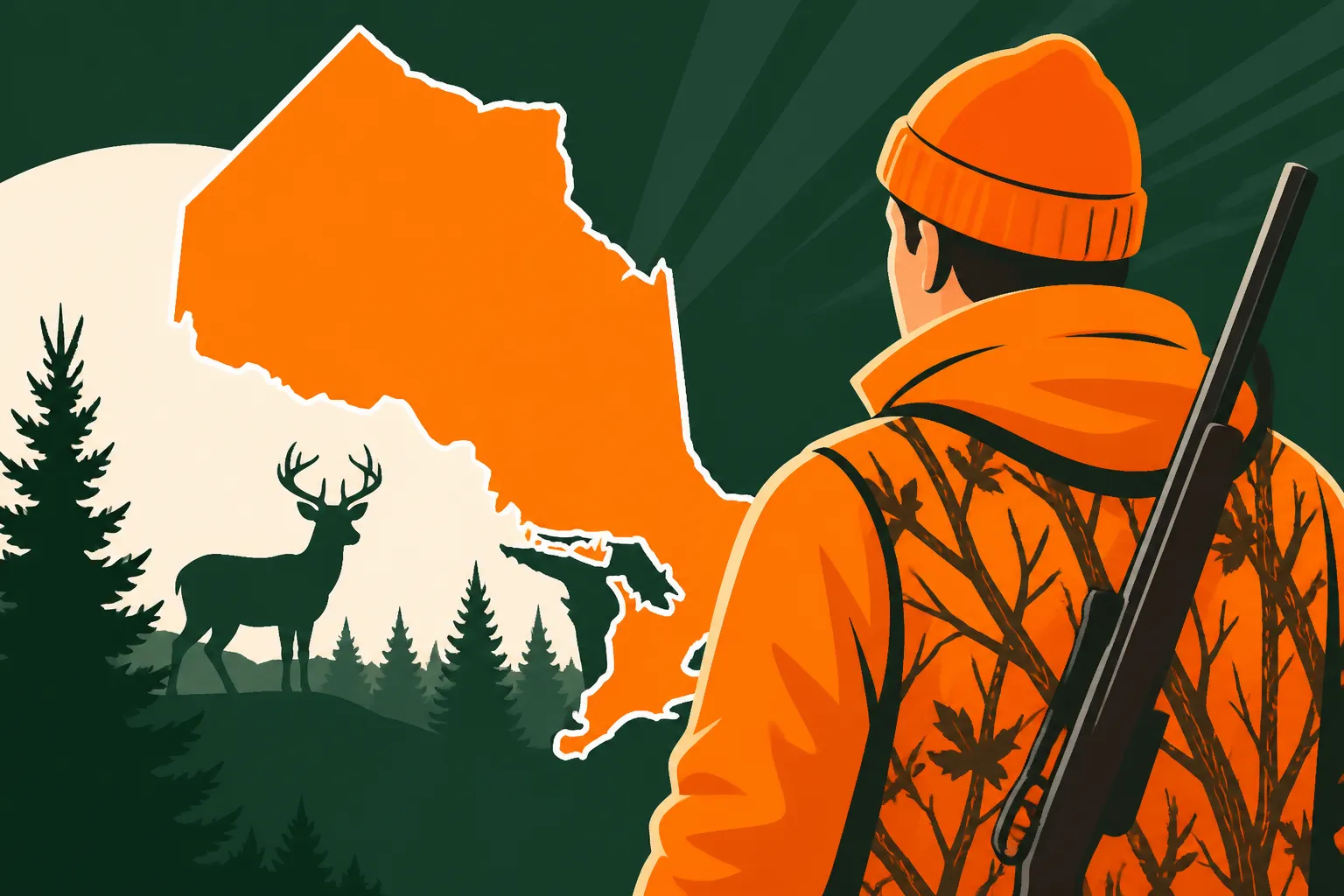
Another common misconception is that camouflage orange patterns count. While these patterns might incorporate orange, they generally do not meet the minimum solid surface area requirements. The regulation is quite specific about the amount of uninterrupted blaze orange needed to ensure visibility. Similarly, merely having a small orange patch on a hat might not be enough. It's about a significant, easily identifiable portion of your outer clothing being the correct color. Always check the current year's hunting regulations summary for the most up-to-date and specific details for your particular hunt.
Specific Garment Requirements
It's not enough to simply wear any orange. Ontario's regulations specify the kind of blaze orange required to ensure adequate visibility. Understanding these specifics can make all the difference, not just for compliance, but for your actual safety in the field. This isn't about fashion; it's about being seen when it matters most.
Minimum Surface Area and Visibility
The regulations clearly outline a minimum surface area for blaze orange. Hunters are required to wear a minimum of 400 square inches (2,580 square centimetres) of solid blaze orange material visible above the waist. This isn't just a number pulled from thin air; it's a carefully determined amount to ensure that a hunter is easily identifiable from various angles and distances, even in dense cover or dim light. This includes the front, back, and sides.
What does 400 square inches look like in practice? Imagine a vest or jacket that completely covers your torso. It needs to be a substantial piece of clothing, not just a small patch or a few stripes. This ensures that even if you're bending over, kneeling, or partially obscured by brush, a significant portion of your body remains visible. This minimum surface area is critical because it ensures that you stand out from the brown, grey, and green hues of the natural environment, screaming "human!" to anyone else in the vicinity.
Acceptable Colours and Materials
The specific colour required is "blaze orange," also often called "hunter orange" or "fluorescent orange." This isn't just a bright shade of orange; it's a specific, highly visible, fluorescent hue designed to stand out. Other colours, even bright ones like neon yellow or regular orange, do not meet the legal requirement. The intensity and specific wavelength of light reflected by blaze orange make it uniquely effective in varying light conditions.
When it comes to materials, the regulations typically focus on the colour and visibility, rather than the fabric type itself. Most hunting vests, jackets, and hats designed for this purpose are made from durable, sometimes waterproof, synthetic fabrics that retain their vibrant colour even after repeated use and exposure to the elements. The key is that the material must be solid blaze orange, not a faded or mottled version. While some manufacturers integrate reflective strips, the primary requirement is the solid blaze orange surface. When you're picking out gear, consider durability. A quality blaze orange vest or jacket will stand up to the rigours of the bush, whether you're Hunting an Ontario Bush Edge or navigating tougher terrain.
Headwear and Outerwear Details
Beyond the torso, headwear plays a crucial role in visibility. Hunters are typically required to wear a blaze orange hat or head covering that is visible from all directions. This is particularly important because the head is often the most exposed part of the body when moving through brush or when a hunter is in a low position. A solid blaze orange cap or toque ensures that even if your torso is temporarily obscured, your head still serves as a clear indicator of your presence.
When considering outerwear, many hunters opt for a full blaze orange jacket, especially in colder weather. This can easily meet the 400 square inch requirement. However, a blaze orange vest worn over your regular hunting jacket is also perfectly acceptable, provided it meets the minimum surface area. The key is that it must be the outermost layer for maximum visibility. Layering is crucial for comfort and warmth in Ontario's variable weather conditions, so plan to have your blaze orange as the final layer on top of your insulation. Whether you're in a stand or participating in Deer Drives With Three or Four Hunters, making sure your hat and outermost layer are blaze orange is paramount.
| Item Type | Required? | Minimum Surface Area (Visible Above Waist) | Colour | Notes |
|---|---|---|---|---|
| Vest/Jacket | Yes | 400 sq. inches (2580 sq. cm) | Solid Blaze Orange | Must be outermost layer |
| Hat/Head Covering | Yes | Visible from all directions | Solid Blaze Orange | Cap, toque, or other headwear |
| Camouflage Orange | No | Does not count | N/A | Must be solid blaze orange |
| Bowhunting (Deer/Moose, Archery-only season) | No (typically) | N/A | N/A | Check specific WMU regulations; applies if firearms season is open concurrently. |
| Hunting Small Game | No | N/A | N/A | Not legally required, but highly recommended. |
Why Blaze Orange is So Critical for Hunter Safety
When we talk about blaze orange, we're not just discussing a legal obligation; we're talking about a fundamental pillar of hunter safety. The vivid, almost unnatural color is designed specifically to prevent tragedy in the field. It’s an unspoken agreement among hunters that we will take every precaution to identify ourselves to one another.
Preventing Accidental Shootings
The grim reality is that hunting accidents, particularly those involving misidentification, can be fatal. Blaze orange is the single most effective visual deterrent against these types of incidents. When a hunter sees movement in the thick bush, their natural instinct, especially when adrenaline is pumping, is to identify if it's game. Without a clear signal, shadows, rustling leaves, or even the subtle sway of a branch can be mistaken for the outline of an animal.
However, when a flash of bright, unmistakable blaze orange enters that field of view, the brain immediately registers "human." This instantaneous recognition allows a hunter to halt their action, properly identify the source of movement, and avoid what could be a catastrophic error. This is why the rules are so strict about solid colours and minimum surface areas – to provide that unambiguous signal. Whether you are Sitting All Day in an Ontario Blind or navigating dense cover, this visual signal ensures other hunters know exactly where you are.
Enhancing Visibility in Diverse Terrains
Ontario's hunting landscapes are incredibly varied. From the dense, dark conifer stands of the north to the rolling hardwood ridges and open farmland of the south, conditions can change dramatically. Blaze orange performs exceptionally well across this spectrum. In the deep shadows of a spruce forest, where natural light struggles to penetrate, blaze orange cuts through the gloom. Against a backdrop of fall foliage, where browns, reds, and yellows might camouflage other colours, blaze orange maintains its distinction.
Consider also the impact of weather. A sudden squall of rain, a flurry of snow, or a thick fog can drastically reduce visibility. In these challenging conditions, blaze orange remains one of the most effective ways for a hunter to be seen. It doesn't rely on perfect light or clear conditions; its fluorescent properties allow it to almost glow, even when ambient light is low. This constant, reliable visibility is paramount, especially when navigating unfamiliar terrain or during the golden hours of dawn and dusk when game is most active and natural light is at its poorest. This consistent visibility is why it’s so important when Scouting a Wildlife Management Unit or setting up in diverse habitat.
The Psychology of Safety and Awareness
Beyond the purely visual aspect, the widespread adoption of blaze orange fosters a culture of safety and awareness among hunters. When everyone in the field is visibly marked, it creates an expectation of care and responsibility. Hunters are more likely to be conscious of their surroundings, knowing that other hunters are also present and visible. This mutual understanding reinforces safe hunting practices.
Furthermore, wearing blaze orange subtly reminds the wearer of their responsibility. It's a constant visual cue that they are participating in an activity that demands vigilance and adherence to safety protocols. It promotes the idea that every hunter is an ambassador for the sport, and their actions, including compliance with safety rules, reflect on the entire hunting community. This shared commitment to safety ultimately leads to a more enjoyable and secure hunting experience for everyone involved, reducing anxiety and increasing confidence in the field.
Common Scenarios and Practical Application
Understanding the blaze orange rules in theory is one thing, but applying them correctly in the diverse and often unpredictable environments of Ontario's bush is another. It's about knowing how the regulations translate to real-world hunting situations.
Still-Hunting vs. Stand Hunting Considerations
Whether you're still-hunting (moving slowly and deliberately through the woods, stopping frequently to scan) or stand hunting (sitting stationary in a treestand or ground blind), your blaze orange must be visible. For the still-hunter, it's about movement. Even though you're trying to be stealthy, your blaze orange needs to be constantly visible from all angles. This means a full vest or jacket is paramount, not just a small piece of fabric. When you're creeping along, perhaps through a thick cedar swamp edge or up a hardwood ridge, your movements will inevitably reveal different parts of your body, and each revealed part should scream "human!"
For the stand hunter, while stationary, visibility is equally important. Even though you might be elevated or tucked into a blind, other hunters might be moving through the area. Your blaze orange vest or jacket, combined with a hat, ensures that if another hunter passes by, they immediately see you. This is especially true if you are Hanging a Stand on an Ontario Bush Edge, where the possibility of other hunters is higher. It's a reminder that even when you feel hidden, you're responsible for being seen by other people, not just avoiding detection by game.
Group Hunting and Drives
Group hunts and deer drives are a common and effective tactic in many parts of Ontario, especially when hunting species like whitetail deer. In these scenarios, the importance of blaze orange is amplified. When multiple hunters are moving through an area, communication and visibility become absolutely critical. During a drive, some hunters (the "drivers") will be pushing game, while others (the "posters" or "blockers") will be stationary, waiting for game to be pushed towards them. All participants, whether driving or posting, must wear blaze orange.
This ensures that every member of the hunting party is clearly identifiable to one another. When hunters are moving through thick cover, perhaps on a group moose hunt or conducting a Deer Drives With Three or Four Hunters, the visual cue of blaze orange helps prevent accidental shootings among the group. It also means that if you're Posting a Drive Around a Bush Lot, any other hunter outside your group who might be in the area will also immediately identify you as a human, not an animal. Before any group hunt, it's always wise to review the blaze orange requirements as a team, ensuring everyone is compliant and understands the safety protocols.
Blaze Orange for Non-Hunters in Hunting Areas
This is a point often overlooked but is incredibly important for public safety. While not legally mandated for non-hunters, it is highly recommended that anyone venturing into areas where hunting is active, especially during big game seasons, wear blaze orange. This includes hikers, bird watchers, photographers, trappers, and even landowners checking their property.
Think about someone out for a walk with their dog in a woodlot that borders a hunting area. While they aren't hunting, a hunter might be glassing that very woodlot. A splash of blaze orange on the walker (and even their dog!) provides that crucial visual identifier. It's a simple, effective way for non-hunters to protect themselves by proactively signaling their human presence to hunters. Many outdoor apps, like GoHunt, allow users to view WMU boundaries and public land, making it easier for non-hunters to identify areas where hunting might be occurring and where wearing blaze orange would be a wise choice.
Equipping Yourself: Sourcing and Care
Getting the right blaze orange gear and keeping it in top condition is an essential part of responsible hunting. It's not a one-time purchase that you can forget about; it requires a bit of thought and maintenance to ensure it remains effective and compliant season after season.
Where to Buy Compliant Gear
You can find blaze orange hunting gear at most sporting goods stores across Ontario, as well as online retailers that specialize in hunting equipment. Major chains like Bass Pro Shops, Cabela's, Sail, and local independent outdoor stores will typically stock a wide range of options, from simple vests to full jackets and hats. When purchasing, always look for products specifically labeled "blaze orange" or "hunter orange" and check that they explicitly meet the 400 square inch surface area requirement if it's an upper body garment. Don't be tempted by general "orange" clothing, as it might not be the correct fluorescent hue or have the necessary solid coverage.
It’s also a good idea to try gear on to ensure it fits comfortably over your regular hunting layers. You need to be able to move freely, swing a shotgun, or shoulder a rifle without restriction. Consider the season you'll be hunting in; a lightweight mesh vest might be fine for early fall, but a heavier, insulated jacket will be necessary for late-season Rifle Hunting Ontario's Deer Season when temperatures drop.
Maintaining Your Blaze Orange for Longevity
The effectiveness of blaze orange hinges on its vibrant colour. Over time, exposure to sunlight, dirt, blood, and repeated washing can cause it to fade. A faded blaze orange garment loses its crucial high-visibility properties and could even fall short of regulatory compliance. To maintain its longevity, always wash your blaze orange gear according to the manufacturer's instructions. Use scent-free detergents if you're concerned about alarming game, and avoid harsh bleaches or strong fabric softeners that can degrade the material and fade the colour.
Air-drying your gear whenever possible is a good practice, as high heat from a dryer can also contribute to fading and wear. Store your blaze orange in a cool, dark place away from direct sunlight when not in use. Before each hunting season, inspect your gear for any signs of fading, tears, or damage. If the colour looks dull or appears significantly lighter than when you bought it, it’s time to replace it. A small investment in new gear is a small price to pay for your safety and compliance.
Leveraging Technology for Enhanced Safety
While blaze orange is a static safety measure, modern technology can complement it beautifully. GPS mapping apps and devices, for example, can enhance your situational awareness by showing your exact location, property lines, and the locations of other hunters in your party (if they're also using the same app and sharing their location). Apps like GoHunt offer detailed satellite imagery and property boundaries, which can be invaluable for understanding the terrain you're in and where other hunters might reasonably be.
Many hunters use platforms like GoHunt to scout areas long before the season opens, identifying potential stand locations or travel corridors. This kind of detailed planning, combined with strict adherence to blaze orange rules, creates a robust safety net. Knowing the terrain and potential pinch points can help you decide where to place yourself and where to expect other hunters to be, reinforcing the need for clear visibility. While technology isn't a substitute for blaze orange, it’s a powerful tool to enhance your overall safety strategy in the Ontario wilderness. It helps you navigate Ontario's Wildlife Management Units with greater precision.
Consequences of Non-Compliance
Ignoring Ontario's blaze orange requirements isn't just a minor oversight; it carries both legal penalties and, more gravely, significant safety implications. Understanding these consequences should reinforce the importance of always being compliant.
Penalties for Violating Regulations
Failing to wear the required blaze orange during an open big game season is a violation of the Fish and Wildlife Conservation Act. The penalties can include fines, which can be substantial, and potentially even the loss of your hunting licence. Conservation officers are actively patrolling hunting areas, and they take these safety regulations very seriously. A check in the field might involve verifying your licence, tags, and also ensuring you are compliant with all safety gear, including blaze orange.
Beyond the immediate legal repercussions, a conviction for a hunting violation can also impact your future hunting privileges, not just in Ontario, but potentially in other jurisdictions as well. It could also lead to increased scrutiny from enforcement officers in subsequent seasons. It’s a preventable situation that no hunter wants to find themselves in. Just as you ensure you have your Ontario Hunting Licences and What They Cost and the correct Legal Firearms and Bows for Big Game, so too must you ensure you're wearing appropriate blaze orange.
The Greater Risk: Safety Implications
Far more serious than any fine or licence suspension is the undeniable risk to human life. The ultimate consequence of not wearing blaze orange is the increased potential for an accidental shooting. As discussed, blaze orange is designed to make you undeniably human in the eyes of another hunter. Without it, you become a vague shape, a rustle in the leaves, a movement that could be mistaken for game.
The emotional and psychological toll of being involved in a hunting accident, whether as the shooter or the victim, is profound and long-lasting. Families are torn apart, lives are irrevocably changed. These accidents are largely preventable through simple adherence to safety rules, with blaze orange being at the forefront. Every hunter has a moral obligation to themselves, their hunting partners, and every other person in the bush to make themselves visible. It’s a small, simple act that has enormous safety implications. Prioritizing this piece of gear is a fundamental aspect of responsible and ethical hunting, ensuring that everyone returns home safely after a day in the field.
Disclaimer
The information provided in this guide is for general informational purposes only and does not constitute legal advice. Hunting regulations in Ontario can change, and it is the hunter's responsibility to consult the most current official hunting regulations summary published by the Ontario Ministry of Natural Resources and Forestry (MNRF) before participating in any hunting activity. Always confirm specific requirements for your chosen Wildlife Management Unit (WMU) and species.