Hunting Ontario’s December Muzzleloader Days
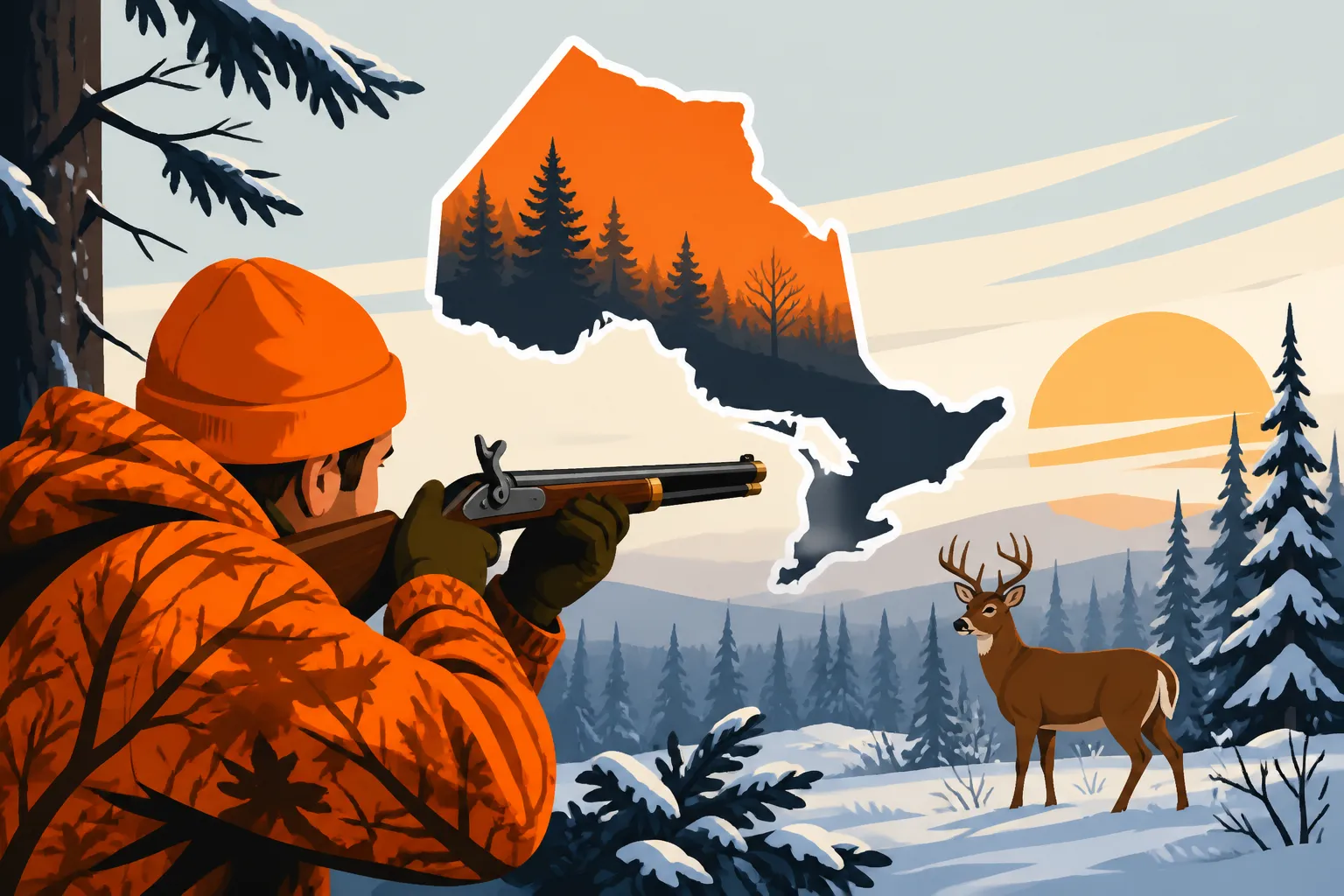
The crisp, often brutal reality of December in Ontario offers a unique challenge for the dedicated deer hunter: the muzzleloader season. After the hustle and bustle of the shotgun and rifle seasons, many hunters have packed away their gear, but a dedicated few embrace the quiet solitude and raw beauty of hunting whitetails when the world is draped in white. This guide is for those who hear the call of the late season, facing down the cold, adapting to new deer patterns, and maximizing their chances during these challenging, yet incredibly rewarding, December muzzleloader days.
Understanding Ontario's December Muzzleloader Season
The allure of Ontario's December muzzleloader season isn't just about extending your time in the bush; it's about embracing a different kind of hunt altogether. By this point, the landscape has transformed, and so have the deer. Understanding the specific regulations and the unique rhythm of this late-season opportunity is paramount to success.
Unique Dates and Regulations
Ontario's muzzleloader season in December is not universal across all Wildlife Management Units (WMUs). This is critical to remember. Often, these seasons are concentrated in specific WMUs, typically following the general gun seasons, offering a unique opportunity to pursue deer that have already experienced hunting pressure. It's not uncommon for these late seasons to be restricted to certain antlerless tags or specific controlled hunt validations, depending on the WMU's deer management objectives. You really need to check the current Ontario Hunting Regulations Summary every single year because these dates and rules can shift. For instance, some southern WMUs might have a short, late window, while others further north might not have a dedicated December muzzleloader period at all. It's a precise window, sometimes only a week or two, which means every moment in the field counts. For more detailed specifics, always refer to the official provincial summary, which clearly outlines the Ontario Muzzleloader Season Dates for each WMU. This often means planning your time off strategically to align with these limited opportunities.
Why Muzzleloading in December is Different
Hunting with a muzzleloader in December forces you to slow down and think differently compared to rifle hunting earlier in the fall. The challenges are numerous: the cold can affect powder ignition and handling, the dense winter air can influence projectile flight more than you might expect, and reloading in the field with numb fingers is a real test of patience and dexterity. However, there are distinct advantages too. The quiet nature of a muzzleloader shot, compared to a modern rifle, can sometimes mean less disturbance to other game or surrounding areas, making for a more serene experience. With most hunters having put their gear away, there's often significantly less hunter pressure, allowing deer to settle into more predictable patterns, even if those patterns are centered around survival. This late season emphasizes ethical shot placement, as tracking a wounded deer in fresh snow with dwindling daylight and freezing temperatures can be incredibly difficult, highlighting the importance of practice and confidence in your shot before you even step foot in the woods. The precision required, from loading to aiming, transforms the hunt into a more deliberate, almost ritualistic pursuit.
Essential Muzzleloader Gear and Preparations
December muzzleloader hunting demands meticulous preparation, not just for the hunt itself, but for the unforgiving conditions you're likely to encounter. Your gear needs to be up to snuff, specifically adapted for the cold and damp, ensuring reliability when it matters most.
Cold Weather Muzzleloader Maintenance
The performance of your muzzleloader can be significantly impacted by cold, damp December weather. Black powder and its substitutes, along with primers, are sensitive to moisture and extreme cold. To prevent misfires, always store your powder in sealed, waterproof containers. When loading in the field, use speed loaders that keep charges dry until the last possible moment. Consider using robust primers, often labeled as "magnum" or specifically designed for cold weather, as they tend to ignite more reliably. Modern propellants like Blackhorn 209 are less susceptible to moisture and offer consistent ignition even in frigid temperatures, a real game-changer for late-season hunters.
Beyond the powder and primers, the rifle itself needs attention. Ensure your breech plug is clean and well-lubricated with anti-seize compound to prevent seizing in the cold. A good quality bore butter or specific muzzleloader lubricant can prevent patches from freezing to the bore. After each hunt, even if you didn't fire a shot, thoroughly clean your muzzleloader to prevent corrosion, especially if you encountered any moisture. The last thing you want is a hang fire or misfire when that trophy buck steps out. I’ve personally seen hunts ruined by a rusty or fouled breech plug – it’s just not worth skipping the cleaning. You can also research reviews on platforms like GoHunt, where other hunters often share their experiences with different muzzleloader propellants and cleaning regimens in various weather conditions, helping you pick the best products for Ontario's tough December.
Optics and Sighting for Winter Hunting
When it comes to sighting systems in December, you have a few choices, each with its pros and cons. Scopes offer precision, which is great for muzzleloader ranges, but they can fog up in fluctuating temperatures or when moving from a warm truck to the frigid outdoors. Anti-fog coatings and rain guards are helpful, but carrying a small microfiber cloth is essential. Consider capping your scope lenses until the moment you need to shoot to keep them clear.
Some hunters prefer open sights or ghost rings for late-season muzzleloader hunting, especially if they anticipate close-range encounters in dense cover. These are less prone to fogging and are robust. Whichever system you choose, it's absolutely crucial to zero your muzzleloader in conditions as close as possible to what you'll be hunting in. Cold weather can slightly affect bullet trajectory, and your breath fogging up your glasses, let alone your scope, can throw off your aim. A slightly reduced-power scope, say a 1-4x or 2-7x, can offer a wider field of view and be less prone to fogging than high-magnification models. And don't forget the importance of wearing your Ontario Blaze Orange Requirements over your outer layers – visibility for safety is paramount, especially when hunting amidst snow-covered landscapes.
Layering for Comfort and Stealth
Staying warm and dry is not just about comfort; it's about safety and effectiveness during a December muzzleloader hunt. The key is proper layering. Start with a moisture-wicking base layer (merino wool or synthetic, never cotton) to pull sweat away from your skin. Next, add insulating layers like fleece or down for warmth. On top, a waterproof and windproof outer shell is critical to protect against snow, sleet, and biting winds. Remember that quiet fabrics are paramount for stalking, as deer are often on high alert in the late season.
Your extremities are your biggest challenge. Good insulated, waterproof boots are non-negotiable, and using chemical hand and foot warmers can make a world of difference during long sits. Multiple pairs of gloves – thin liners for dexterity when loading, and thick, insulated mitts for warmth – are a smart move. A warm hat and neck gaiter will also prevent significant heat loss. The cold can sap your focus and patience, so investing in quality cold-weather hunting apparel will pay dividends in your ability to sit still, observe, and execute a clean shot. I've been there, shivering so hard I couldn't hold still – don't let that be you.
Strategies for Late-Season Whitetails in December
By December, the whitetail rut is a distant memory, and deer have one thing on their mind: survival. Their patterns shift dramatically, making late-season success hinge on understanding their needs for food, warmth, and security.
Finding Food Sources and Thermal Cover
After the rut, deer need to replenish their energy reserves to endure the winter. Their primary focus shifts to calorie-rich food sources that are still available and finding dense thermal cover to escape the cold. Acorns and other mast crops might be depleted, pushing deer towards browse like maple saplings, red osier dogwood, or even leftover agricultural fields. Hunting a Standing Corn Field Edge can still be productive if there's unharvested corn, or even just spilled kernels. However, as snow deepens, cedar swamps become absolute magnets for deer, offering both food and crucial thermal protection from harsh winds and cold. These swamps are often Where Ontario Whitetails Yard in Deep Snow for the winter.
Look for areas where mixed forests transition into conifer stands (cedar, spruce, pine), especially on south-facing slopes that get more sun. These areas provide vital shelter from the elements. Use satellite imagery, perhaps through a mapping tool like the GoHunt app, to identify these dense evergreen pockets and potential travel corridors leading to them. Deer will often bed in these thickets during the day, emerging to feed during brief, less frigid periods.
Patterns of Movement in Cold Weather
Cold weather significantly alters deer movement. While earlier in the season you might see deer moving at dawn and dusk, in December, their activity can be more spread out, sometimes even peaking mid-day as they seek the warmth of the sun. Their movements will be more deliberate and focused, often connecting bedding areas directly to food sources via the path of least resistance. Look for well-used trails leading from dense cover to browse areas or agricultural fields.
The wind also plays a crucial role. Deer will always try to bed down with the wind at their backs, allowing them to smell danger ahead. When still-hunting or stalking, use the wind to your advantage, moving slowly into it or crosswind. Fresh snow can reveal these patterns clearly, showing you exactly where deer are travelling. Pay close attention to subtle shifts in topography, like a slight rise or a protected valley, as deer will often use these features to conserve energy and stay out of the direct wind. Observing these patterns requires patience and a keen eye for details that might go unnoticed in other seasons.
Still-Hunting and Stalking in Snow
Hunting in snow offers a unique advantage: it quiets your footsteps and reveals fresh tracks. This is where still-hunting with a muzzleloader truly shines. Move incredibly slowly, pausing frequently to scan the woods ahead, letting your eyes pick apart every shadow and shape. Deer tracks in fresh snow are like a roadmap; learn to differentiate between fresh tracks (sharp edges, no ice crystals) and older ones. Follow fresh tracks cautiously, especially if they are large and consistent, indicating a mature animal.
Stalking in dense cover with snow can be challenging, but it's often where the deer are. Use the terrain and vegetation to break up your outline, and move only when the wind is favorable. The key is to see the deer before it sees you. Look for horizontal lines (a deer's back) in a vertical world (trees), or patches of brown against the white snow. Success in this scenario often comes down to supreme patience and an ability to melt into the winter landscape. Hunting a Cedar Swamp Edge or Hunting a Hardwood Ridge for Whitetails are prime locations for this type of slow, deliberate approach.
Tracking and Recovery in Winter Conditions
Taking an ethical shot is always critical, but even more so during Ontario's December muzzleloader season. The conditions can be unforgiving, making a swift and efficient recovery essential.
Blood Trailing on Snow
One of the undeniable advantages of a December hunt with snow on the ground is the ease with which you can often spot a blood trail. Bright red against white snow is a stark contrast, making initial tracking much simpler than in leafy fall woods. However, don't let this fool you into rushing. Just because you see blood doesn't mean you should pursue immediately. Give the deer time, especially with a muzzleloader shot, which might not be as impactful as a high-velocity rifle round. A good 30-60 minute wait, if the shot felt solid, can allow a deer to bed down and expire.
When you begin trailing, look for more than just blood. Note the colour and consistency of the blood (bright red and frothy often indicates a lung hit, darker blood suggests liver or muscle). Look for bits of hair (where on the deer was it hit?), bone fragments, or even stomach contents. These clues tell a story and can help you determine the severity of the wound and how far the deer might travel. Mark your last known blood spot with flagging tape or your hat before you start searching ahead, especially if the blood trail becomes sparse. A light snowfall can quickly cover a trail, and melting snow can dilute blood, making it nearly invisible.
Challenges of Cold and Short Daylight
The short days of December mean you have a limited window for tracking. If you make a shot late in the afternoon, you might be racing against the clock as dusk quickly turns into impenetrable darkness. The colder temperatures, while preserving meat, also make conditions harsher for the hunter, increasing the urgency to find your deer. Carrying a reliable headlamp and a powerful handheld flashlight with extra batteries is non-negotiable.
Another challenge is the risk of the blood freezing, especially if it's a sparse trail, making it difficult to discern from ice crystals on the snow. Fresh snow can also obscure a trail very quickly. If you lose the trail, circle widely from the last known spot, looking for any sign, a disturbed bush, a dislodged stone, or a broken twig. Sometimes, stepping back and re-evaluating the deer's likely path (e.g., downhill, towards heavy cover, or water) can help you pick it up again. Knowing What to Do If You Get Turned Around in the bush is also crucial, as chasing a blood trail can sometimes lead you deeper into unfamiliar territory.
Utilizing Technology and Dog Tracking
While tracking dogs for deer recovery are not broadly permitted in Ontario like they are in some US states, technology can be a huge asset. Your smartphone, loaded with a reliable mapping app, can be invaluable. Tools like the GoHunt app often include satellite imagery, topo maps, and land ownership overlays that can help you visualize the terrain, mark your shot location, the last blood, and the direction of travel. This is particularly useful for Scouting With Satellite Imagery in Ontario before your hunt, but its utility extends to tracking too.
A dedicated GPS unit provides even greater reliability in areas without cell service. Marking your path as you track can ensure you don't circle aimlessly or get disoriented. If you're hunting with a partner, one person can track while the other watches ahead, maintaining communication and covering more ground safely. Always let someone know where you are hunting and your expected return time, especially when heading out alone in the late season.
Navigating Ontario's December Landscape
Hunting in December means contending with a winter landscape that can be both breathtaking and treacherous. Understanding land access, safety protocols, and WMU specifics is vital for a successful and safe late-season muzzleloader hunt.
Crown Land Access and Regulations
Ontario boasts vast tracts of Crown Land, much of which is open to hunting, offering incredible opportunities for the December muzzleloader hunter. However, accessing and navigating Hunting Ontario's Crown Land in winter comes with its own set of rules and challenges. Many bush roads that are accessible in fall may be snowed in or unmaintained in December, limiting vehicle access. You might need to rely on snowmobiles, ATVs, or simply good old-fashioned foot power to reach prime hunting areas. Remember to check specific regulations regarding ATV Rules on Ontario Crown Land or snowmobile use, as these can vary.
Always have a detailed map of your WMU, indicating Crown Land boundaries. The GoHunt app, for example, often has excellent map layers that clearly delineate public and private land. Respecting private land boundaries is crucial, as the last thing you want is a trespass charge. Even if you've hunted an area for years, always double-check the regulations and access points for the current season, as logging operations or new land sales can change things overnight.
Safety Considerations in Winter Bush
The winter bush can be a harsh environment. Hypothermia is a very real threat, even on days that don't feel excessively cold, especially if you get wet or exhaust yourself. Dress in layers, carry extra dry clothing, and pack high-energy snacks and a thermos of hot beverage. A small survival kit containing fire-starting materials, a knife, compass, and emergency blanket should always be in your pack.
Getting lost is another major concern. Snow can obscure familiar trails and landmarks, turning even well-known areas into disorienting puzzles. Always carry a compass and a reliable GPS or mapping app, and know how to use them. Share your hunting plan with someone reliable, including your exact location and expected return time. Hunting with a partner in December is always a wise choice. If you do find yourself disoriented, remember the "STOP" acronym: Stop, Think, Observe, Plan. Don't panic, assess your situation, and make a plan.
Permitted Areas and WMU Specifics
As mentioned earlier, December muzzleloader seasons are not province-wide. It's imperative to consult the current Ontario Hunting Regulations Summary to determine which WMUs have these specific seasons. Some WMUs, particularly in southern and central Ontario, might offer these late opportunities, often targeting deer populations where additional harvest is desired. For example, certain WMU groups in Eastern or Southwestern Ontario often have extended deer seasons, including muzzleloader.
Be aware of specific hunt types, such as controlled deer hunts, which may require special validation tags that are drawn earlier in the year. If you plan to hunt these specific areas, ensure you have the correct tags and validations. This late season can be particularly effective in areas with dense cedar swamps or extensive agricultural lands where deer concentrate. Identifying these specific WMUs and understanding their unique regulations is a critical first step in planning your December muzzleloader adventure.
Meat Care and Field Processing in Freezing Weather
Successfully harvesting a deer in December is a fantastic accomplishment, but the job isn't done until the meat is properly cared for. The cold weather presents both advantages and unique challenges for field dressing and meat preservation.
Field Dressing in Sub-Zero Temperatures
One major advantage of hunting in December is the natural refrigeration provided by the cold. Meat cools rapidly, which is excellent for quality. However, field dressing in sub-zero temperatures can be a frigid ordeal. Your hands will get cold quickly, even with gloves. Wearing a pair of thin, disposable latex or nitrile gloves under your insulated work gloves can keep your hands cleaner and add a layer of warmth, but more importantly, it makes clean-up easier and prevents blood from soaking into your insulation.
Work efficiently but carefully. Getting the deer gutted as quickly as possible is still important to allow body heat to dissipate, even if the ambient temperature is well below freezing. This prevents potential spoilage from internal heat build-up. Be mindful of stiff hide and frozen ground, which can make positioning the animal more challenging. Carry a sharp, sturdy knife and a small bone saw if you plan to split the pelvis or sternum. While we often talk about Field Dressing in Warm Ontario Weather, the principle of prompt evisceration for cooling remains key, just without the urgency of heat spoilage.
Transporting and Hanging Game
Once field dressed, protecting your deer during transport is crucial. If you're dragging it out, a heavy-duty deer sled or tarp can protect the carcass from dirt, snow, and road salt. If transporting on an ATV or in a truck bed, ensure it's covered to keep it clean and prevent road grime from contaminating the meat.
Hanging your deer in December is often straightforward due to the cold, but consistency is key. Find a sheltered spot, ideally with a consistent temperature just above freezing to allow the meat to age properly without freezing solid too quickly. A well-ventilated shed or garage is ideal. Game bags are highly recommended to protect the meat from dirt, insects (though less of a concern in December), and scavenging birds or animals. Ensure your hanging location is secure from coyotes, wolves, or domestic dogs that might be attracted to the scent.
Preventing Freeze-Thaw Damage
While freezing temperatures are generally beneficial, extreme fluctuations or repeated freeze-thaw cycles can degrade meat quality. If the temperature is hovering around freezing during the day and dropping significantly at night, the meat might partially freeze and then thaw. This can lead to ice crystal formation that damages muscle cells, resulting in a tougher, drier product.
If you anticipate significant temperature swings, it's often best to get your deer to a professional processor quickly, or to break it down yourself into manageable pieces for your freezer. If you do hang it for aging, try to maintain a consistent temperature, ideally between 0-4°C (32-40°F). If you plan to age the deer for an extended period, ensure the entire carcass is kept consistently cold. The goal is to keep the meat firm and allow enzymes to tenderize it without any risk of spoilage or freezer burn before it even hits your freezer.
| Aspect of December Muzzleloader Hunting | Pros | Cons | Strategies |
|---|---|---|---|
| Hunter Pressure | Significantly reduced after rifle season | None | Focus on less disturbed areas, longer sits. |
| Deer Activity | Focused on food/shelter, often mid-day movement | Less overall movement, easily pressured | Locate thermal cover and persistent food sources. |
| Tracking Conditions | Excellent visibility on snow (blood, tracks) | Snowfall can obscure, cold can stiffen blood | Be patient, give time, mark last blood, use mapping apps. |
| Weather Conditions | Natural refrigeration for meat | Extreme cold, wind, shorter daylight, snow | Layered clothing, insulated gear, hot drinks, survival kit. |
| Muzzleloader Performance | Unique challenge, rewarding | Cold affects powder/primers, slow reload time | Use cold-weather primers/powder, keep components dry, practice reloading. |
| Visibility/Terrain | White background highlights deer | Snow obscures trails, dense cover hides deer | Still-hunting, slow movement, use satellite maps (e.g., GoHunt app). |
Disclaimer
The information provided in this guide is for general informational purposes only. Hunting regulations and conditions in Ontario can change frequently. Always consult the most current Ontario Hunting Regulations Summary available from the Ministry of Natural Resources and Forestry (MNRF) before planning and undertaking any hunting activity. Adhere to all federal, provincial, and local laws and safety guidelines.