Hunting Calf Moose Without a Bull Tag
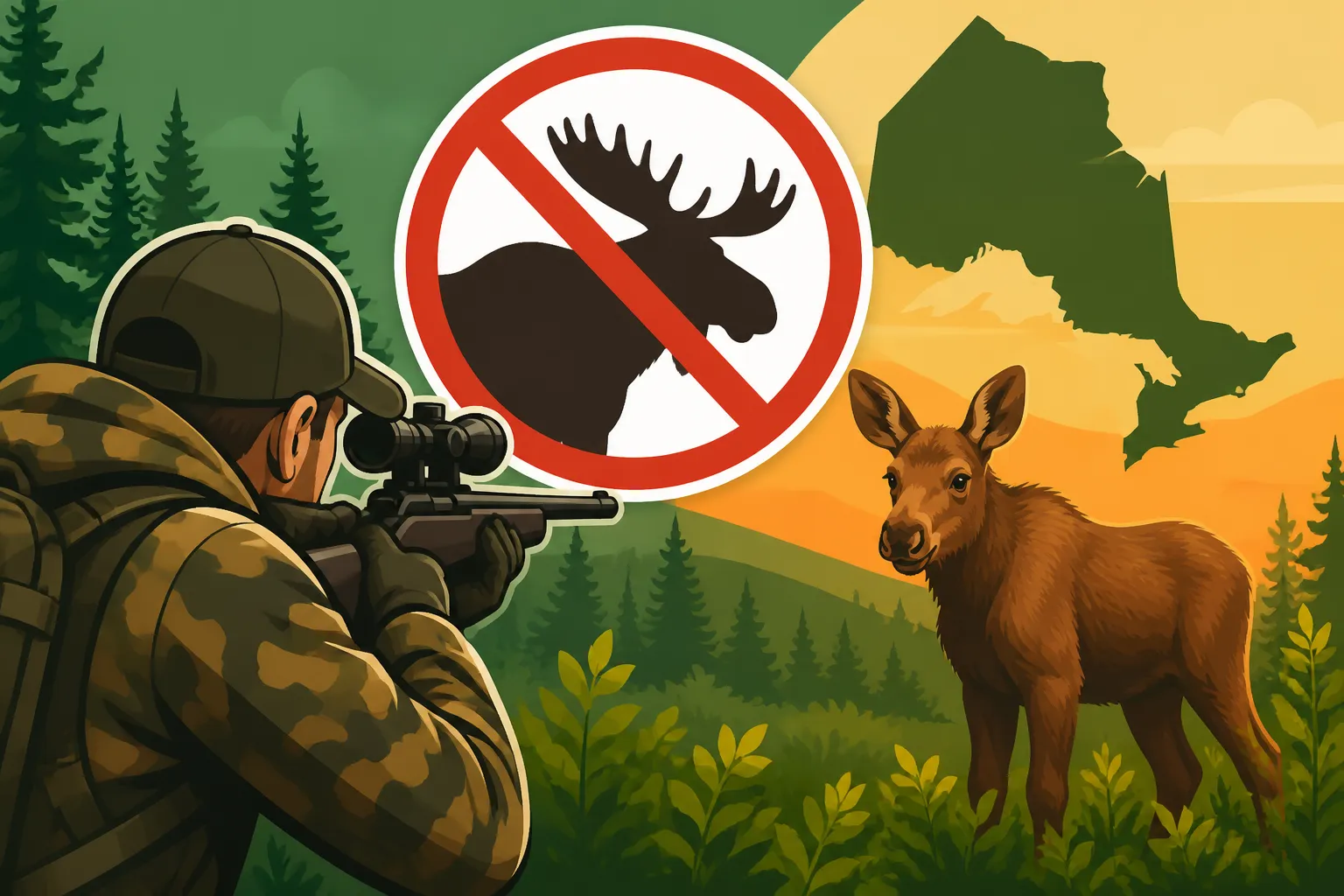
It's a familiar scenario for many Ontario moose hunters: after years of accumulating points and enduring the anticipation of the draw, you finally secure a tag, only to discover it's for a calf. While the dream of a massive bull or even a mature cow often dominates our thoughts, a calf tag is a valuable opportunity to put delicious meat in the freezer and experience the thrill of the hunt. This guide is here to walk you through the specifics of hunting calf moose in Ontario when you don't have a dedicated bull or cow tag, ensuring you approach the season with confidence and knowledge.
Understanding Ontario's Moose Tag System for Calves
The provincial moose management system in Ontario is designed to balance conservation with hunting opportunities, and calf tags play a crucial role in this. For many hunters, drawing a calf tag might feel like a lesser prize, but understanding its place within the broader system is key to making the most of your hunting season.
The Nuances of Calf Tags and Bull/Cow Tags
Ontario's moose tags are typically allocated through a draw system, often requiring hunters to build up points over several years, especially for desirable areas or specific animal types. When you're dreaming of a trophy bull or a meat-rich cow, receiving a calf tag can initially feel a bit deflating. However, these tags are a vital component of population management, helping to ensure herd health and providing access for more hunters. Often, calf tags are more readily available in certain Wildlife Management Units (WMUs) or through the "second chance" allocation stage, allowing hunters who might not have enough points for a bull or cow tag to still participate in the hunt. For those hunting as part of a group, a calf tag can be the difference between someone going home empty-handed and the group collectively filling a freezer. It ensures that every member, even if holding a calf-specific validation, can contribute to the overall harvest and the shared experience of a moose camp.
Regulations Around Sex and Age Identification
One of the most critical aspects of hunting with a calf tag, or any moose tag for that matter, is the absolute necessity of accurate animal identification in the field. Ontario regulations are very strict, and mistakenly harvesting a bull or cow with a calf tag can lead to serious legal consequences, including significant fines and potential loss of hunting privileges. A calf is defined as a moose under one year of age. Distinguishing a calf from a yearling (a moose between one and two years old, which is legally considered an adult cow or bull depending on sex) can be challenging, particularly in thick cover or at long distances. Yearlings are larger than calves, but smaller than mature adults, and often travel with their mothers, mimicking the behavior of calves.
When you're out there, patience and careful observation are paramount. Look for tell-tale signs:
- Size Comparison: Calves are notably smaller, often half the size of an adult cow, with shorter legs and a more compact body. Yearlings, however, are a bit larger and lankier.
- Head Shape: Calves typically have a more rounded, shorter head compared to the elongated head of an adult. Their muzzle might also appear shorter.
- Behavior: Calves are almost always found in very close proximity to a cow. If you see a solitary moose that looks small, it's more likely a yearling that has been separated or is beginning to disperse.
- Antlers: Male calves might have "buttons" (small bumps) or very short spikes. If you see anything more substantial, it's definitely not a calf. Female calves, of course, will not have antlers.
- Vocalization: Calves often have a higher-pitched, more plaintive call than adult moose.
It's a good idea to spend time before your hunt studying photos and videos of moose at different ages to sharpen your identification skills. Utilizing optics like good binoculars or a spotting scope is non-negotiable for making a positive identification before you even think about raising your rifle or bow.
Where Calf Tags are Typically Issued
The allocation of moose tags in Ontario is managed through a complex system that considers population dynamics, hunter pressure, and desired harvest levels within each WMU. While specific numbers fluctuate annually, certain patterns exist. WMUs with healthy, growing moose populations might see more calf tags issued to allow for broader hunting participation without significantly impacting breeding adult numbers. Conversely, WMUs where adult moose populations are stable or slightly declining might see fewer bull or cow tags and a greater emphasis on calf or sometimes even no specific tag other than a general moose tag, which can be more difficult to draw.
Hunters participating in the Primary Moose Allocation Stage often aim for bull or cow tags, which tend to require more points. However, many calf tags become available in the Secondary Allocation stage, or as part of a group tag where one member might secure a calf validation. These tags provide a crucial opportunity for hunters, including those newer to moose hunting or those who consistently miss out on the more coveted adult tags, to get into the woods. Researching the draw odds for specific WMUs, often available through resources like GoHunt, can help you understand where calf tags are more common and strategize your application process accordingly. Knowing the history of "How Many Points a Tag Usually Takes" for different types of moose in your target WMUs is incredibly valuable for setting realistic expectations. Some WMUs, particularly in areas like Central Ontario's Mixed Forest, may have more balanced populations that allow for a mix of tags.
Strategies for Successfully Harvesting a Calf Moose
Even though the target is a smaller animal, hunting a moose calf requires the same dedication, patience, and strategic thinking as pursuing any other big game animal. The key difference lies in understanding their behavior and association with their mothers.
Focusing on Cow/Calf Groups
The most reliable way to find a moose calf is to locate its mother. Moose calves are almost always found with their cows, especially during the hunting seasons. This means your scouting and hunting efforts should revolve around finding prime cow habitat. Cows with calves prefer areas that offer good forage, security cover, and readily available water sources. Think about lush areas near beaver ponds, dense stands of young timber, willow thickets along creeks, or the edges of old clearcuts where new growth provides both food and concealment. When "Scouting a Wildlife Management Unit," look for fresh tracks that indicate a cow-sized moose accompanied by smaller tracks.
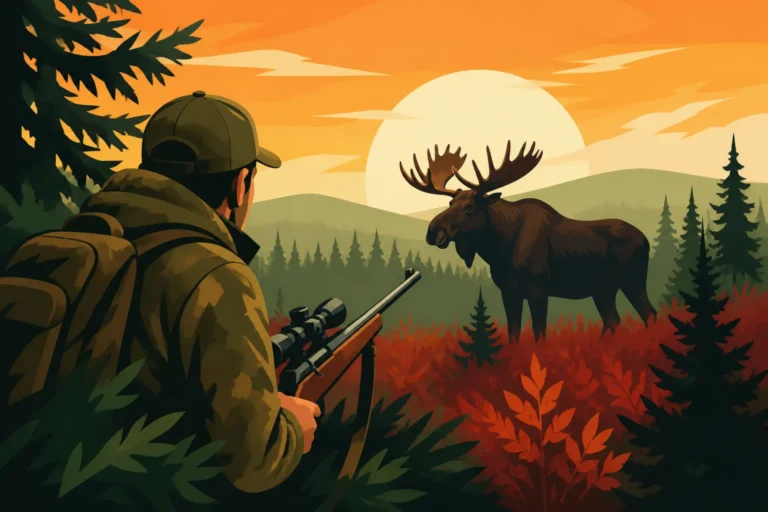
Once you’ve located a likely area, patience is your greatest ally. Moose, particularly cows with calves, can be quite wary. Still-hunting or setting up in a blind overlooking a known feeding area or travel corridor can be effective. Use binoculars to thoroughly scan any openings or edges. When you spot a cow, take your time to confirm if a calf is present. They often bed down or graze slightly away from their mother but rarely out of sight or earshot. Remember that a cow will be fiercely protective, so always maintain a safe distance and be aware of your surroundings. If you're hunting in areas like the Haliburton Highlands, where cover can be quite dense, moving slowly and deliberately, pausing frequently to listen and scan, is paramount.
Ethical Shot Placement and Considerations
Just like with any big game animal, an ethical, clean kill is the paramount goal when hunting a moose calf. While a calf is smaller than an adult, their vital organs are still situated in roughly the same area: directly behind the shoulder. The challenge often lies in the smaller target area and ensuring the cow is not in the line of fire or too close to impede a safe shot.
When a cow and calf are together, the cow will naturally be the larger, more prominent target. You absolutely must take the time to isolate the calf and ensure you have a clear shot, free of any obstructions or the cow herself. Wait for the calf to present a broadside or slightly quartering-away shot. Never attempt a shot at a calf directly behind its mother or in thick brush where a clear path to the vitals isn't guaranteed. Consider the angle and trajectory carefully. A calf's body structure means a slightly lower shot placement might be ideal compared to a fully mature bull. Always aim for the heart and lungs area, ensuring a quick and humane harvest. A powerful rifle round suitable for moose, even a calf, is essential for adequate penetration. If bowhunting, ensure your draw weight and arrow setup are sufficient for deep penetration on a moose. The ethical responsibility rests solely with the hunter to make a clean kill.
Post-Harvest Care and Logistics
Once you've successfully harvested a moose calf, the work isn't over. Proper field dressing and meat care are crucial, especially in Ontario's variable autumn temperatures. While a calf is significantly smaller than an adult moose, it still represents a substantial amount of meat, easily hundreds of pounds for a well-grown calf. The principles of rapid cooling are the same: get the entrails out as quickly as possible to prevent spoilage. You'll want to get that carcass opened up, field dressed, and ideally quartered or at least propped open to allow air circulation.
Consider your extraction plan well in advance. While a calf is lighter than an adult, dragging or carrying it out of dense bush can still be a significant undertaking. A sturdy game cart, a small ATV if regulations permit on the land you're hunting, or even packing out in pieces are all viable options. For those hunting in remote areas, methods like "Getting a Moose Out by Canoe" might be considered. Even in early fall, temperatures can still be quite mild, so understanding "Meat Care in Ontario's Warm Early Seasons" is critical to preserving your harvest. Having a plan for butchering and cold storage as soon as you get back to camp or home is essential. This often means having large coolers packed with ice ready, or a pre-arranged appointment with a local butcher.
Navigating the Challenges of a Calf-Only Hunt
Hunting with a calf tag presents its own unique set of considerations, from managing your personal expectations to navigating interactions with a protective cow moose.
The Mental Game: Managing Expectations
Let's be honest, for many, the grand vision of a moose hunt involves a towering bull with an impressive rack. Drawing a calf tag can sometimes lead to an initial sense of disappointment, particularly if you've been putting in for years. It's crucial to acknowledge these feelings, but then to shift your mindset. A calf moose represents prime table fare – tender, delicious meat that will fill your freezer and feed your family for months. It's a fantastic opportunity to experience the thrill of the hunt, refine your skills, and immerse yourself in Ontario's wilderness. Think of it not as a "consolation prize" but as a different, equally rewarding hunting experience.
Embrace the challenge of locating cow/calf pairs and successfully executing a clean harvest. The memories made during a calf hunt, whether with friends or family, are just as valuable as those from any other successful big game pursuit. It's a chance to learn the terrain, understand moose behavior, and contribute to wildlife management. Utilize mapping tools like GoHunt to scout areas known for higher moose densities, increasing your chances of finding cow/calf groups and making the most of your tag.
Minimizing Disturbance to Other Moose
When you're hunting a calf that is almost certainly accompanied by its mother, minimizing disturbance is a key ethical consideration. A cow moose, especially one with a calf, can be very protective and unpredictable. Your approach needs to be stealthy and patient. If you've identified a cow and calf, try to observe them for a while to understand their patterns and allow the calf to separate slightly, offering a cleaner, safer shot.
After a shot, the cow will likely become agitated. If you've made a clean kill, the calf will drop quickly. Your focus should then be on securing the animal and processing it as efficiently and quietly as possible. Avoid making unnecessary noise or sudden movements that could further alarm the cow or other moose in the area. While you might want to call for other moose with techniques like "Calling a Bull Moose in the Rut" on a different hunt, this is not the time to be making broad calls that could draw in or spook other animals. The goal is to quickly and respectfully handle your harvest and then leave the area, allowing the remaining wildlife to return to their natural routines.
Reporting and Regulatory Compliance
Ontario's hunting regulations are clear, and strict compliance is non-negotiable. After harvesting a moose calf, you are legally required to properly notch your tag and attach it to the animal immediately. This often involves securely fastening it to the ear or antler base, as specified in the regulations. Failing to do so can result in significant penalties.
Furthermore, all moose harvests in Ontario must be reported. This typically involves submitting your harvest information online or through the designated reporting system within a specific timeframe after your hunt. This data is critical for wildlife managers to track harvest numbers, monitor population health, and make informed decisions for future hunting seasons. Always carry your "Ontario Hunting Licences and What They Cost" and your Outdoors Card, ensuring all your documentation is up to date and readily accessible. Reviewing the annual Ontario Hunting Summary is a must before every season to ensure you're aware of any changes to rules or reporting procedures. Adhering to these regulations ensures the future of moose hunting in Ontario for everyone.
| Aspect of Hunt | Hunting a Calf Moose (with Calf Tag) | Hunting a Bull/Cow Moose (with Adult Tag) |
|---|---|---|
| Primary Goal | Meat for the freezer, fulfilling tag, hunting experience. | Meat for freezer, potential trophy, fulfilling tag, hunting experience. |
| Target Size | Smaller (typically 200-400 lbs dressed weight). | Larger (bulls 600-1200 lbs+, cows 500-900 lbs+ dressed weight). |
| Identification | Crucial to distinguish from yearlings; often with cow. | Distinguish sex (if applicable) and age; can be solitary or in groups. |
| Finding Animals | Focus on locating cow/calf pairs in prime habitat. | Look for signs of adults (rubs, scrapes), focus on rutting areas for bulls. |
| Shot Considerations | Smaller vital zone, must isolate from cow for clear shot. | Larger vital zone, often presents more opportunities for a clean shot. |
| Meat Yield | Excellent quality, tender, manageable quantity. | Abundant meat, can be tougher on older animals, significant logistics. |
| Logistics | Easier to retrieve than an adult, but still requires planning. | Major undertaking for field dressing and extraction. |
| Emotional Aspect | Shift from trophy focus to appreciation for meat and experience. | Often carries higher expectations for size/trophy. |
Disclaimer
Always consult the official Ontario Hunting Regulations Summary, available from the Ministry of Natural Resources and Forestry (MNRF), for the most current and accurate information regarding moose hunting seasons, tag requirements, and regulations. This guide provides general information and should not be considered a substitute for official government resources.