Moose Hunting Ontario’s Northern Bush
Trying to tackle an Ontario moose hunt in the vastness of the northern bush can feel like trying to find a needle in a haystack, especially if you're not familiar with the immense scale and unique challenges of this rugged landscape. It's not just about drawing a tag; it's about understanding the animal, its habitat, and the sheer logistical puzzle of hunting one of North America's largest game animals in some truly remote country. This comprehensive guide is here to break down everything you need to know, from deciphering the tag system to field care, ensuring you're as prepared as possible for your northern Ontario moose adventure.
Understanding Ontario's Moose and Their Habitat
Moose are truly magnificent creatures, perfectly adapted to the harsh northern climate and dense forests of Ontario. But hunting them successfully means more than just knowing they’re big; it means deeply understanding their routines, preferences, and how they interact with their environment throughout the hunting seasons.
Moose Biology and Behavior in the North
Ontario's moose are a resilient bunch, often weighing in at over 1,000 pounds for a mature bull, with cows not far behind. Their size demands a lot of food and specific habitat features to thrive.
The Cycle of Rut, Feeding, and Wintering
The rut, or breeding season, is undeniably the most active and exciting time for moose hunters. Typically peaking from late September through mid-October, this is when bull moose are most vocal and mobile, actively seeking cows. You'll hear their guttural grunts and witness the sheer power as they clash antlers, though often these sounds are fleeting and hard to pinpoint in the vast bush. Before the rut, moose are primarily focused on building up fat reserves. They'll spend hours browsing on aquatic vegetation in lakes and ponds, as well as on new growth from willows, alders, and various deciduous shrubs on land. This high-energy foraging helps them through the demanding rut and the long winter ahead.
Once the deep snows of winter set in, moose behaviour shifts dramatically. They move into denser stands of conifers, particularly cedar swamps or young fir and spruce thickets, to find shelter from the brutal cold and deep snow. These "wintering yards" provide some thermal protection and access to browse that remains available above the snowline. During this period, their metabolism slows, and they conserve energy, making them harder to locate and less responsive to calling. Understanding this seasonal movement is absolutely critical. Hunting early in the season means focusing on areas with abundant aquatic browse and new deciduous growth, while later hunts might shift your focus to the edges of dense conifer stands where they'll be staging before yarding up for winter. To learn more about their life cycles, check out our piece on Moose in Ontario's Boreal Forest.
Dietary Habits and Nutritional Needs
Moose are selective browsers, not grazers like deer. Their long legs and flexible lips are perfectly designed for reaching high into shrubs and saplings, and for pulling up aquatic plants from the bottom of shallow water bodies. In the spring and summer, a huge part of their diet comes from aquatic plants like water lilies and pondweed, which are rich in sodium – a vital nutrient often scarce in terrestrial plants. As fall approaches, they transition to a diet of woody browse, including aspen, willow, balsam fir, and red osier dogwood. The availability of these preferred food sources directly influences where moose will be found. If a particular area has been heavily browsed or lacks these key food items, moose will simply move on to greener pastures, sometimes traveling significant distances. This means successful hunters aren't just looking for moose, they're looking for moose food.
Identifying Prime Northern Moose Habitat
Ontario's northern bush is a mosaic of different forest types, wetlands, and waterways. Not all of it is equally appealing to moose, and knowing what makes good moose country is half the battle.
The Boreal Forest and Its Allure
The vast boreal forest that blankets northern Ontario is quintessential moose habitat. This expansive wilderness, characterized by a mix of coniferous trees like black spruce, white spruce, balsam fir, and tamarack, interspersed with deciduous species like trembling aspen, white birch, and balsam poplar, offers everything a moose needs. Look for areas where these forest types meet, creating "edge" habitat that provides both cover and food. Mature conifers offer thermal cover in winter, while younger deciduous stands, especially those that have regrown after a fire or logging, offer the tender browse moose prefer. Lakes, rivers, and beaver ponds are also integral, not just for the aquatic vegetation but also as travel corridors and natural barriers.
The specific composition of the boreal forest changes as you move across the province. For example, the clay belt regions of Northeastern Ontario might offer different browse opportunities compared to the rocky Canadian Shield country further west. Understanding these regional variations can help you pinpoint areas with higher moose densities. A good starting point for detailed information on these regions is Hunting Northwestern Ontario's Big Bush.
Waterways and Their Importance
From vast lakes to intricate networks of rivers, streams, and beaver ponds, water is undeniably critical to moose. During warmer months, they spend considerable time in shallow waters, feeding on nutrient-rich aquatic plants and escaping biting insects. These watery highways also serve as natural travel routes, allowing them to move silently and efficiently through dense cover. When scouting, pay close attention to areas where rivers widen into small ponds, where streams flow into larger lakes, or where beaver activity has created new wetlands. These are often hotspots for moose activity, providing both food and a sense of security. Identifying narrow crossings or pinch points along these waterways can be excellent places to set up for an ambush or to focus your calling efforts.
Cutovers and Regenerating Areas
One of the most significant factors influencing moose distribution in the northern bush is logging. While old-growth forests offer limited browse, recent cutovers and regenerating areas are moose magnets. After an area has been logged, the sunlight reaching the forest floor stimulates rapid growth of deciduous shrubs and saplings – the prime food source for moose. These areas, typically 3 to 15 years post-harvest, provide an abundance of fresh, tender browse. However, "cutover" isn't a blanket term. The type of logging (clearcut, selective harvest), the size of the cut block, and the species replanted (if any) will all influence its appeal to moose.
Newer cutovers (3-7 years) will often be very thick and provide excellent bedding cover, while slightly older ones (8-15 years) might offer more abundant browse and easier navigation. The edges of these cutovers, where they meet mature timber, are particularly attractive, offering both food and escape cover. When using mapping tools like GoHunt, look for these regenerated areas; they're often visible as lighter green patches on satellite imagery or clearly marked on forest management plans.
Impact of Environmental Factors
The dynamic environment of northern Ontario constantly shapes moose habitat and behavior. Successful hunters pay close attention to these forces.
The Influence of Snow Depth and Winter Severity
Winter conditions, particularly snow depth and duration, have a profound impact on moose survival and movements. Deep, persistent snow makes it difficult for moose to travel and access browse, forcing them to expend more energy. This is why they seek out those dense conifer yards mentioned earlier, where snow is often shallower and thermal cover is abundant. A severe winter can lead to increased winter kill, especially among calves and older animals. Conversely, mild winters can lead to higher survival rates and healthier populations. Understanding the preceding winter's conditions can offer clues about the current season's moose health and distribution. Areas with historically deep snow might see moose concentrate more tightly in specific yarding areas, making them potentially more predictable if you can locate those critical wintering grounds.
How Wildfire Shapes Moose Range
Wildfire, while seemingly destructive, is a natural and often beneficial force in the boreal forest, creating dynamic and diverse moose habitat. Immediately after a fire, moose may move out of the area due to lack of food and cover. However, within a few years, the burned landscape begins to regenerate with a flush of new growth – aspen, birch, willow, and various shrubs – providing an explosion of nutrient-rich browse. These "burns" become prime moose habitat, particularly from 3 to 20 years post-fire. The open canopy also allows more sunlight to reach the forest floor, further enhancing browse production.
Hunting in burned areas presents its own challenges, including difficult navigation through downed timber and the eerie silence of a recovering forest. However, the reward can be significant if you find a productive burn. Satellite imagery and historical fire maps are invaluable tools for identifying these areas, and GoHunt can often overlay such data, giving you a serious edge in your scouting efforts.
Logging Practices and Forest Management
Modern logging practices in Ontario are increasingly designed with wildlife habitat in mind, including moose. Sustainable forest management aims to create a patchwork of different age classes of forest, ensuring a continuous supply of browse and cover for moose over time. While clearcutting creates immediate browse, selective logging or partial harvests can maintain some cover while still promoting new growth. Road networks associated with logging also play a dual role: they provide access for hunters, but they can also fragment habitat and increase human disturbance.
Hunters should always research current forest management plans for their chosen WMU (Wildlife Management Unit) or consult with local Ministry of Natural Resources and Forestry (MNRF) offices. These plans often detail upcoming cuts, which can be critical for predicting future moose movements and identifying prime hunting spots years in advance. Understanding how logging creates these dynamic habitats is key to success, as explored further in How Logging Cutblocks Change Deer Range.
Navigating Ontario's Moose Tag System
Hunting moose in Ontario is unlike hunting deer or bear; it's a privilege managed through a controlled allocation system designed to balance harvest with population sustainability. This system can be daunting for newcomers and even seasoned hunters find it complex. Getting a tag is often the first, and sometimes the hardest, hurdle.
The Moose Tag Allocation Process
Ontario employs a multi-stage allocation system, primarily using a points-based draw system to distribute moose tags fairly. Understanding these stages is paramount to even having a chance at a hunt.
Primary and Second Chance Allocation
The main avenue for obtaining a moose tag in Ontario is the Primary Allocation stage. This is a lottery where hunters apply for specific tag types (bull, cow, calf) in their chosen Wildlife Management Unit (WMU). The critical factor here is the points system. For every year you apply for a moose tag and do not receive one, you accumulate a points. These points increase your odds in subsequent draws, as applicants with more points are given preference. It's a system designed to ensure that hunters who have waited longer eventually get a tag. You can apply individually or as part of a group, which can impact how tags are drawn and points are managed.
If you are unsuccessful in the Primary Allocation, there's still a glimmer of hope with the Second Chance Allocation. This phase opens up any tags that weren't claimed in the primary draw or were returned for various reasons. While the odds can be lower, especially for highly sought-after WMUs, it's still a viable option, particularly for cow or calf tags in less popular areas. It's a system that truly tests your patience and strategic planning, as detailed in Ontario's Moose Tag Allocation Process.
Understanding Group Moose Tag Rules
Hunting moose is often a group effort, and Ontario's system recognizes this with specific rules for group applications. When you apply as a group, one hunter is designated as the Group Leader, and they submit the application on behalf of everyone. The collective points of the group are used in the draw, effectively pooling your chances. If your group is successful, the tag is awarded to the group, and a designated hunter (often the Group Leader or another member) becomes the tag holder.
The key benefit of a group tag is that it allows multiple hunters to participate in the harvest of a single animal. For example, a bull tag might be shared among several members, increasing the collective experience. However, there are strict rules about who can be in a group, how many hunters can be included, and how points are affected. Claiming a tag as a group will reset the points for all members in that group, meaning you start fresh for future draws. This makes strategy crucial: do you apply solo to build points faster, or join a group for a better chance at a tag this year, knowing everyone's points will reset?
Understanding WMUs and Moose Density
Ontario is divided into numerous Wildlife Management Units (WMUs), each with specific regulations, season dates, and moose population dynamics. Knowing your WMU is essential.
Which WMUs are Best for Moose Hunting
There isn't a single "best" WMU, as success depends on many factors, including hunting pressure, access, and the specific year's conditions. However, generally speaking, the vast wilderness areas of Northern Ontario tend to have higher moose densities and better draw odds compared to the more southern, settled WMUs. Regions like those around Thunder Bay, Kenora, and areas in Northeastern Ontario like the Cochrane or Chapleau regions are renowned for moose. These areas offer vast expanses of boreal forest, numerous lakes and rivers, and less human population density.
When evaluating WMUs, consider not just the draw odds (which are published by the MNRF) but also the access challenges. Some WMUs might have high moose populations but very limited road access, requiring fly-in or boat-in hunts. Others might have extensive logging road networks, making access easier but potentially increasing hunting pressure. Using a tool like GoHunt or similar mapping software can provide critical insights into terrain, access points, and historical harvest data for specific WMUs, helping you make an informed decision on where to apply. Our guide to Ontario's Wildlife Management Units provides an excellent overview.
Researching Population Trends and Harvest Data
The Ministry of Natural Resources and Forestry (MNRF) collects and publishes extensive data on moose populations and harvest success rates by WMU. This information is invaluable for hunters. You can usually find reports detailing aerial surveys, calf recruitment rates, and the number of tags issued versus the number of moose harvested. These statistics give you a realistic picture of your chances and where moose populations might be thriving or declining.
Looking at trends over several years is more useful than just a single year's data. A WMU that had a fantastic harvest rate one year might have had unusual conditions, while a WMU that consistently produces steady harvests might be a better long-term bet. Don't just look at the total number of moose, but also the bull-to-cow ratio and the calf percentage, as these indicate the health and reproductive potential of the herd. This data can help inform your decision on whether to apply for a bull, cow, or calf tag, further refining your strategy within the complex Ontario Moose Draw Odds by WMU.
Essential Licenses and Regulations
Beyond the tag itself, there are several fundamental requirements every moose hunter must meet to legally pursue moose in Ontario. Missing even one of these can turn a dream hunt into a nightmare.
The Outdoors Card and Hunter Education
First and foremost, every hunter in Ontario, resident or non-resident, must possess a valid Ontario Outdoors Card. This card is your identification as an authorized hunter and angler in the province and is required to purchase any hunting or fishing license. It's valid for five calendar years, so make sure yours is up to date well before the hunting season.
In addition to the Outdoors Card, you must have successfully completed the Ontario Hunter Education Course or an equivalent course from another jurisdiction recognized by Ontario. This course covers vital topics like firearm safety, wildlife identification, hunting regulations, ethical hunting practices, and survival skills. For non-residents, bringing proof of a valid hunter education certificate from your home state or province is usually sufficient, but always confirm with the MNRF beforehand. You can find more details on these requirements in Ontario Hunter Education Requirements.
Understanding Tag Notching and Reporting Harvests
Once you've successfully harvested a moose, the regulations don't stop there. Ontario has strict rules for tag notching and harvest reporting, which are crucial for wildlife management and legal compliance. Immediately after harvesting a moose, you must carefully notch your tag to indicate the date and time of the kill, and then attach it securely to the carcass. This tag must remain with the animal until it is processed and transported to its final destination. Failure to notch and attach the tag correctly can result in serious charges.
Furthermore, all moose harvests must be reported to the MNRF within a specified timeframe. This reporting can often be done online through the Ontario hunting portal or by phone. The data collected from these reports is vital for monitoring moose populations, assessing herd health, and informing future tag allocations. Accurate reporting ensures the sustainability of the moose resource for future generations. It’s a small, but incredibly important, responsibility that comes with the privilege of hunting. Always carry a pen or permanent marker that works in cold, wet conditions for notching your tag, as detailed further in Ontario Tag Notching and Attachment Rules.
Respecting Seasons, Limits, and Local Regulations
Each WMU has specific moose season dates, bag limits, and often unique local regulations that hunters must adhere to. These can vary significantly depending on the WMU, the type of tag (bull, cow, calf), and the weapon used (archery, gun, muzzleloader). It is your responsibility to know and understand the regulations for the specific WMU you are hunting in. Don't rely on general information; consult the current Ontario Hunting Regulations Summary, available online or at license issuers, and verify dates and rules for your specific area.
Pay close attention to nuances like "antlered" vs. "antlerless" moose, legal shooting hours, and any restrictions on vehicle use in certain areas, particularly on Crown Land. Some areas might have specific rules regarding baiting or the use of ATV/snowmobiles. Ignoring these details can lead to fines, confiscation of game, and even loss of hunting privileges. Always double-check everything before you head out, and if in doubt, contact the local MNRF office.
Essential Gear and Preparations for a Northern Moose Hunt
Hunting moose in Ontario's northern bush is not a casual endeavour. The terrain is rugged, the weather unpredictable, and the animals are enormous. Being properly equipped and prepared isn't just about comfort; it's about safety and success.
Clothing and Footwear for Variable Northern Weather
The weather in Northern Ontario can change on a dime, especially during the fall hunting season. You might start a morning in crisp, cold air, only for it to warm up considerably by midday, or a sunny afternoon could quickly give way to a torrential downpour or even early snow. Layering is key, but so is choosing the right materials.
Layering Systems for Comfort and Adaptability
A multi-layer clothing system is absolutely non-negotiable for a successful and comfortable moose hunt. Start with a moisture-wicking base layer (merino wool or synthetic, never cotton!) that draws sweat away from your skin, preventing chilling. Next, add an insulating mid-layer like a fleece or lightweight down jacket. This layer provides warmth and can be easily added or removed as temperatures fluctuate. Finally, your outer layer needs to be fully waterproof and windproof to protect against rain, snow, and stiff breezes. Look for durable materials that can withstand snags from bushwhacking.
Remember, quietness is also important, especially if you're still-hunting or calling. Choose outer layers that don't make a lot of noise when you move. Brands like Sitka, Kuiu, or even solid hunting lines from Cabela's or Bass Pro Shops offer excellent technical layering options. Don't forget an orange vest and hat for visibility, as required by Ontario regulations, particularly during rifle seasons. Even during archery seasons, blaze orange can enhance safety, as covered in Ontario Blaze Orange Requirements.
Waterproofing and Warmth for Feet and Hands
Your feet and hands are often the first parts of your body to get cold and wet, and nothing ruins a hunt faster than numb fingers or soaked feet. Invest in high-quality, waterproof hunting boots that are insulated for the anticipated temperatures. Look for boots with good ankle support, as you'll be traversing uneven terrain, often off-trail. Rubber boots are excellent for wet conditions, swamps, and stream crossings, but ensure they are comfortable for long walks. A reliable pair of gaiters can also be invaluable for keeping water, snow, and debris out of your boots.
For hands, bring multiple pairs of gloves. A thinner, dexterous pair for fine motor skills (like handling your rifle or bow) and a heavier, insulated, waterproof pair for glassing or when temperatures drop. Keeping a spare, dry set of gloves and socks in your pack can be a game-changer if you unexpectedly get wet. Remember, keeping your core warm also helps keep your extremities warm, so don't skimp on those inner layers.
Firearms and Ammunition Choices for Moose
Moose are incredibly tough animals, and choosing the right firearm and ammunition is critical for a humane and ethical harvest. Ontario has specific regulations regarding legal calibers and bow draw weights for big game.
Legal Calibers and Effective Range
For rifle hunting moose in Ontario, you need a firearm capable of delivering sufficient energy to reliably harvest such a large animal. The regulations specify legal rifle calibers for big game, generally starting from .270 and up. Popular choices include .30-06 Springfield, .300 Winchester Magnum, .338 Winchester Magnum, and .375 H&H Magnum. While a .30-06 is perfectly adequate with proper shot placement, many hunters prefer the added knockdown power of the larger magnums, especially for longer shots or to minimize tracking.
Regardless of caliber, shot placement is paramount. Practice shooting from various field positions, not just off a bench, to ensure you can make a precise shot under pressure. Know your effective range and stick to it. In the dense northern bush, shots are often close, but an open cutline or clear-cut might present a longer opportunity. Always use high-quality, heavy-for-caliber bullets designed for deep penetration and controlled expansion, such as bonded bullets or monometal designs. Our guide on Legal Rifle Calibres for Big Game offers more detailed insights.
Bowhunting Requirements and Broadhead Selection
For those who prefer the challenge of bowhunting, Ontario also has specific requirements for bows and broadheads. For compound bows, a minimum draw weight of 40 pounds is generally required, and for crossbows, a minimum draw weight of 150 pounds. Always consult the current regulations for the most up-to-date information.
Broadhead selection is equally critical. For moose, you need broadheads that are built for extreme penetration. Fixed-blade broadheads are generally preferred for their robust construction and reliability. Look for strong, sharp blades and a sturdy ferrule. While mechanical broadheads have improved, some hunters still prefer fixed blades for moose due to the animal's thick hide and heavy bone structure. Regardless of type, ensure your broadheads are razor-sharp and practice with them to confirm your bow shoots them accurately. The goal is always a quick, ethical harvest, which means impeccable shot placement and a broadhead that performs flawlessly.
Navigation and Communication in Remote Areas
The northern Ontario bush is vast and unforgiving. Getting lost is a real danger, and reliable communication can be a lifesaver. Never venture out without multiple forms of navigation and communication.
GPS, Satellite Devices, and Traditional Maps
A reliable GPS unit (or a smartphone with robust hunting apps like GoHunt that uses offline maps) is your primary navigation tool. Download detailed topographic maps and satellite imagery for your hunting area beforehand, as cell service will be non-existent in most remote northern regions. Mark your vehicle, camp, and any important waypoints (moose sign, potential escape routes, water sources) on your GPS.
However, electronics can fail. Always carry a traditional compass and paper map of your WMU as a backup. Learn how to use them proficiently. Familiarize yourself with prominent landmarks, terrain features, and drainage patterns on your map. Before you even leave camp, study your surroundings and understand how to get back to a recognizable point or your vehicle using only a compass and map. This dual approach to navigation is critical. Learn more about Scouting With Satellite Imagery in Ontario to maximize your tech tools.
Emergency Communication and Preparedness
In the vastness of northern Ontario, cell phone service is rarely available outside of towns. For emergency communication, a satellite communication device is highly recommended, if not essential. Devices like a Garmin inReach or a Zoleo allow you to send and receive text messages, share your location, and, most importantly, send an SOS signal to emergency services, even when far beyond cell range. These devices can literally save your life or the life of a hunting partner.
Beyond electronic devices, always carry a whistle, a signaling mirror, and a small, bright flashlight or headlamp. File a detailed trip plan with someone responsible back home, including your exact hunting area, expected return time, and contingency plans. Carry a comprehensive first-aid kit that includes pain relievers, bandages, antiseptic wipes, and any personal medications. Knowing basic wilderness first aid can also be invaluable. Remember, self-reliance is key in remote areas. Our guide to a Truck Kit for a Northern Ontario Hunt offers great advice on general preparedness.
Proven Strategies for Hunting Moose in Ontario's Bush
Once you've drawn that coveted tag and prepared your gear, the real work begins: finding and harvesting a moose in their wild domain. This requires a blend of patience, skill, and understanding the nuances of their behavior.
Calling Moose in the Boreal Forest
Calling is arguably one of the most exciting and effective methods for hunting moose, especially during the rut. It taps into their natural instincts and can bring these massive animals into close range.
Rut Calling for Bulls and Cows
During the peak of the rut, from late September through mid-October, moose calling can be incredibly effective. Bulls are actively seeking cows and are highly responsive to cow calls. A plaintive, drawn-out cow call, mimicking a lonely cow looking for a mate, can often bring a bull crashing through the timber. Don't be afraid to be loud; moose have exceptional hearing, but the vastness of the bush and the density of the cover means your call needs to carry.
Combining cow calls with bull grunts or thrashing sounds (mimicking a bull rubbing its antlers on trees) can be an even more potent combination, appealing to both a bull's desire to find a mate and his territorial instincts. When calling, find a good spot with decent visibility and a clear shooting lane, then settle in and be patient. Moose don't always respond immediately; they might circle downwind to scent-check the area before showing themselves. A series of calls, followed by long periods of silence (15-30 minutes), can be very effective. Our in-depth guide to Calling Moose in Ontario's Boreal Forest offers further tactics.
Post-Rut and Pre-Rut Strategies
While the rut is prime time, calling can still be effective outside of the peak, albeit with different tactics. In the pre-rut, bulls are beginning to stage and become more territorial. Gentle grunts, light thrashing, and even passive cow calls might pique their interest as they prepare for the breeding season. This can be a good time to locate active areas before the chaos of the rut truly begins.
After the peak of the rut, as cows become less receptive, bulls might still respond to calls, but often with less intensity. They might be more focused on feeding and recovering energy. However, lonely bulls or those who haven't yet found a mate can still be drawn in. At this stage, gentler, more subtle calls might be more effective than aggressive rut calls. It's about adapting your strategy to the animals' current motivations. Sometimes, a quiet cow call combined with a long wait can surprise you, bringing in a bull that's just passing through.
Still-Hunting and Tracking Moose
While calling is thrilling, still-hunting and tracking are often the most reliable methods, especially outside the peak rut or in heavily pressured areas where moose might be call-shy.
Reading Sign and Locating Active Areas
Successful still-hunting begins with meticulous scouting and an ability to read the subtle signs moose leave behind. Look for fresh tracks, especially in soft ground near waterways or on logging roads. Identify active feeding areas by noting browsed saplings and shrubs (moose leave a torn, ragged break, unlike the clean cut of a deer). Look for rubs on trees where bulls have polished their antlers or vented frustration, and fresh droppings can tell you how recently moose were in the area.
Also, don't overlook moose beds – often large, flattened areas of vegetation, sometimes with a distinctive "trench" where their body lay. Pay attention to how moose use the terrain. They often follow natural corridors like old logging roads, game trails, and the edges of swamps or cutovers. Focus your efforts on these active areas, moving slowly and deliberately, always checking the wind, and using your binoculars frequently to pick apart the dense cover. This skill is further elaborated in Reading Whitetail Sign in Ontario Hardwoods – much of which applies to moose, just on a grander scale.
Slow and Deliberate Movement
Still-hunting is an art of patience and ultra-slow movement. It's often described as "hunting at a snail's pace." The goal is to move so slowly and quietly that you spot the moose before it spots you, or you hear it before it hears you. Take one or two steps, then stop for several minutes, scanning your surroundings with your eyes and ears. Use your binoculars to examine every shadow and piece of cover. Moose are masters of camouflage, and their dark coats can blend perfectly into the shadows of the boreal forest.
Pay particular attention to areas where dense cover meets more open feeding areas, or along the edges of swamps and ridges. Move into the wind whenever possible to keep your scent from drifting to the moose. Use terrain and vegetation to break up your silhouette. This method requires immense discipline, but it puts you in a position to react to unexpected encounters and capitalizes on the moose's tendency to bed down in thick cover during the day.
Hunting Moose from a Boat or Canoe
Given the prevalence of waterways in Northern Ontario, using a boat or canoe can be an incredibly effective and often quieter way to access prime moose habitat.
Accessing Remote Areas Silently
Many of the best moose hunting areas in Ontario are inaccessible by road. This is where a canoe or small boat becomes an invaluable tool. You can paddle deep into wilderness areas, navigating rivers, connecting lakes, and exploring secluded bays and beaver ponds that rarely see human pressure. The advantage of a canoe is its silence; you can glide stealthily along shorelines, surprising feeding moose or approaching calling stands undetected.
When using a boat, a quiet electric motor is preferable to a noisy gas outboard, especially for sneaking into likely areas. Park your boat a good distance from your intended hunting spot and proceed on foot, always minding the wind. This method allows you to explore vast stretches of shoreline and access remote pockets of habitat that might be overlooked by road-bound hunters. It also offers a significant advantage for game retrieval if you're lucky enough to tag a moose near the water. Our article on Hunting Moose From a Boat or Canoe dives deeper into these strategies.
Spot and Stalk along Waterways
Hunting from a boat or canoe also lends itself well to a spot-and-stalk approach. As you move along shorelines, glass actively for moose feeding in the shallows or browsing along the water's edge. Early mornings and late evenings are often the best times for this, as moose frequently come to water to feed and cool off.
Once you spot a moose, assess the wind and current, then develop a plan to get ashore quietly and stalk into position. This often means paddling or motoring to a hidden point, landing, and then using the terrain and cover to make your final approach. Be mindful of shot angles across water and ensure you have a safe backdrop. The ability to cover vast distances efficiently and silently makes boat hunting a highly productive tactic in many northern WMUs.
Utilizing Logging Roads and Cutlines
Logging roads and cutlines are a double-edged sword: they provide crucial access but can also concentrate hunting pressure. Used strategically, they can be highly effective.
Advantages for Access and Scouting
Logging roads are the arteries of the northern bush, offering hunters unparalleled access into otherwise impenetrable terrain. They allow you to cover significant distances by vehicle, opening up vast areas for hunting that would be impossible to reach on foot. These roads are excellent for scouting; you can drive slowly, looking for fresh tracks, droppings, and browsed areas along the edges. Old, less-traveled logging roads are particularly promising, as they offer quieter access and often fewer human disturbances.
Furthermore, logging roads often create desirable edge habitat. Where the road cuts through dense forest, moose will often use these edges for travel, feeding, and even bedding. They offer clear lines of sight, which can be advantageous for spotting distant animals. However, remember that every other hunter is also using these roads, so consider getting off the beaten path or focusing on less obvious access points. For detailed strategies, see Hunting Moose on an Ontario Logging Road.
Safety and Strategic Use in the Bush
While convenient, hunting near logging roads requires heightened safety awareness, especially during gun seasons. Always assume there are other hunters in the area. Wear your blaze orange, use caution when traversing blind corners, and never shoot down a road. If you are hunting from a vehicle (which has strict regulations), know the rules about shooting from or across roads.
Strategically, consider parking your vehicle well off the main road and hiking in. Focus your hunting efforts a quarter-mile or more away from the obvious access points, where other hunters might be less willing to venture. Setting up ambushes where moose trails cross roads or at the intersections of old logging roads can be effective. Remember, moose often use these roads as travel corridors, especially at dawn and dusk. Setting up a stand or ground blind overlooking these intersections, with a good wind in your face, can be a highly productive tactic.
Field Care, Retrieval, and Meat Processing
Harvesting a moose is only half the battle; the real work begins once the animal is down. Given the size of a moose and the remote nature of northern hunting, proper field care and retrieval are monumental tasks that require significant preparation and effort.
Quartering a Moose Alone in the Bush
A full-grown moose can weigh over 1,000 pounds, making it impossible for one or two people to move whole. Field quartering is almost always necessary, especially in remote areas.
Step-by-Step Field Dressing and Quartering
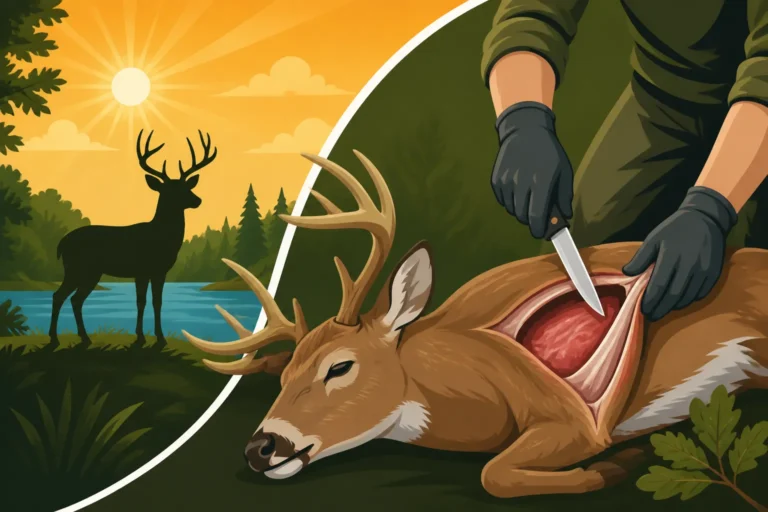
The first priority after a successful harvest is to field dress the animal to begin cooling the meat. This involves opening the body cavity and removing the internal organs. Work quickly and cleanly. Once gutted, if you’re planning to quarter, you'll want to start by removing the hide. Skinning the moose helps the meat cool much faster. Lay the hide out flat, hair-side down, to keep the meat off the ground as you work.
Next, proceed to quartering. This typically involves separating the four legs (front and hind quarters), removing the backstraps (loins), and the tenderloins. A good quality, sturdy knife, a saw (bone saw or even a small hand saw), and a sharpening steel are essential tools. You'll need to work through joints and muscle groups, possibly splitting the pelvis and cutting along the spine to get at the backstraps. It’s a messy, strenuous job, but absolutely necessary. Having a tarp or plastic sheets to lay meat on, rather than directly on the ground, helps keep it clean. For a detailed walkthrough, consult Quartering a Moose Alone in the Bush.
Warm Weather Considerations and Meat Preservation
Northern Ontario early seasons can still be quite warm, and warm weather is the enemy of fresh meat. If temperatures are above freezing, you need to work even faster to cool the meat down to prevent spoilage. After quartering, get the meat off the ground and into game bags (breathable, synthetic bags are best) immediately. Hang the quarters from trees to allow air to circulate around them. If possible, find a shady, breezy spot.
Some hunters carry portable cooling units or even blocks of ice, but in remote settings, this often isn't feasible. The best defense against spoilage in warm weather is speed and air circulation. If you're deep in the bush, consider packing out the meat in shifts over several days if necessary, making sure each quarter cools completely overnight. Without proper care, all your hard work can be wasted. Our article on Meat Care in Ontario's Warm Early Seasons has more specific advice.
Getting a Moose Out by Canoe or ATV
Moving hundreds of pounds of meat and bone out of the bush is often the most physically demanding part of a moose hunt. Your strategy depends heavily on the terrain and available resources.
Logistics and Challenges of Water Retrieval
If you've hunted near a waterway, a canoe or boat can be an excellent way to transport quarters. Load the meat carefully, ensuring the canoe remains stable and doesn't sit too low in the water. Distribute the weight evenly. This often requires multiple trips, or a larger freighter canoe specifically designed for heavy loads. The challenge with water retrieval is often the portages between lakes or around rapids. Even short portages can be incredibly difficult with heavy moose quarters.
Before the hunt, scout potential retrieval routes along waterways. Identify any rapids, waterfalls, or shallow sections that might require portaging. Pack ropes, tarps, and perhaps even a small winch or block-and-tackle system if you anticipate needing to drag meat up steep banks to your boat. The effort involved in Getting a Moose Out by Canoe should not be underestimated.
Using ATVs and Backpacking Systems
For areas with logging road access or cutlines, an ATV or side-by-side can be a lifesaver for retrieval. You can often drive these vehicles surprisingly close to where an animal is down, making it much easier to haul out quarters. Ensure your ATV is properly maintained and equipped for rugged terrain, and always operate it safely and legally on Crown Land. A small utility trailer or a specialized game cart can significantly increase your hauling capacity.
In truly remote areas without ATV access, backpacking is your only option. This means deboning the meat and packing it out in heavy-duty backpack frames. This is an incredibly arduous process, often requiring multiple trips. High-quality hunting packs with strong frames and hip belts are essential. Factor in the time and physical exertion required for backpacking when planning your hunt; it can take days to get a moose out this way, especially if you're alone or with a small group.
Post-Harvest Care and Transportation
Once the meat is out of the immediate kill site, the focus shifts to continued cooling, preservation, and legal transportation.
Cooling and Storage Facilities
Upon returning to camp or a staging area, ensure the meat continues to cool. If temperatures are consistently cold (just above freezing), hanging the quarters in a cool, well-ventilated shed or even outdoors overnight can suffice. If it's warmer, you'll need access to a walk-in cooler or large chest freezers. Some outfitters provide these facilities as part of their package. If you're on a DIY hunt, research local butchers or cold storage facilities in nearby towns well in advance. Having a plan for cooling the meat is critical for its quality and safety.
Proper cooling prevents bacterial growth and allows the meat to "age" slightly, improving tenderness and flavour. Ensure the meat doesn't freeze solid and then thaw repeatedly, as this can degrade quality.
Non-Resident Export Permits
For non-resident hunters, there's an additional step: obtaining an export permit to take your moose meat and/or trophy components (antlers, hide) across the border. This permit is typically acquired from the MNRF office or sometimes through your outfitter. You'll need your hunting license, tag, and possibly proof of residency.
Make sure all required documentation is in order before you attempt to cross the border. Border agents are strict about wildlife products, and having incorrect or missing paperwork can lead to delays, confiscation, and fines. Plan this bureaucratic step into your post-hunt timeline to avoid any last-minute stress. For details on this, refer to Getting a Non-Resident Export Permit.
Legal Transportation of Game Meat
When transporting your moose meat within Ontario, it must remain identifiable as moose. This means keeping quarters or larger cuts clearly separated and often having a piece of evidence of sex attached to a portion of the meat, as required by regulations, until the meat reaches its final destination or is completely processed. This helps enforcement officers verify that the animal was legally harvested.
Package your meat securely in clean containers, coolers, or game bags for transport. Keep it as cool as possible during transit, especially on long drives. If crossing provincial or international borders, be aware of specific regulations in each jurisdiction regarding the transport of game meat. Always err on the side of caution and have all your permits and licenses readily available.
Planning Your Northern Ontario Moose Hunting Expedition
A successful moose hunt in northern Ontario is rarely spontaneous. It requires meticulous planning, often months or even a year in advance, to navigate the logistics, secure necessary permits, and ensure a safe and productive experience.
Choosing Between Guided and DIY Hunts
One of the first big decisions is whether to hire an outfitter for a guided hunt or to tackle the expedition yourself. Both have their pros and cons.
Pros and Cons of Guided Hunts
A guided moose hunt with a reputable Ontario outfitter offers numerous advantages, especially for first-time northern hunters or those seeking a higher chance of success. Outfitters handle many of the logistical headaches: they often have guaranteed tags (especially for non-residents), provide experienced guides, set up camp, prepare meals, and assist with everything from calling to retrieval. They know the territory intimately, have scouted ahead, and possess specialized equipment like boats, ATVs, and cold storage. This can significantly reduce your learning curve and increase your odds of success. Many outfitters operate in prime areas, often on private leases or with established access to remote Crown Land.
However, guided hunts come with a significant price tag. They can be expensive, and while success rates are generally higher, there are no guarantees. You also might have less flexibility in your hunting style or location choices. But for those looking for a truly immersive experience with expert assistance, or if time is a limiting factor for extensive scouting, a guided hunt is an excellent option. For more on what to expect, check out Booking an Ontario Moose Hunt.
The Challenges and Rewards of DIY Hunts
A do-it-yourself (DIY) moose hunt is typically more budget-friendly and offers the ultimate sense of adventure and self-reliance. You control every aspect of the hunt, from scouting to camp setup and strategy. The sense of accomplishment when you successfully harvest a moose on your own terms is incredibly rewarding.
However, DIY hunts demand a tremendous amount of research, planning, and self-sufficiency. You're responsible for drawing your own tag, extensive scouting (often involving satellite imagery and on-the-ground reconnaissance), providing all your own gear, food, and transportation, and handling all aspects of game retrieval and processing. The learning curve is steep, and the physical demands are immense. You need to be intimately familiar with Ontario's regulations and have a robust emergency plan. For seasoned hunters with wilderness experience and a strong desire for independence, DIY can be an unforgettable experience.
Logistics for Remote Access
Northern Ontario offers a spectrum of access levels, from drive-in to fly-in. Your choice will impact costs, preparation, and the type of experience you have.
Fly-In, Boat-In, and Drive-In Options
- Drive-In Hunts: These are the most accessible, typically involving driving to a camp or cottage, or accessing Crown Land via logging roads. Drive-in hunts are generally less expensive and allow for more gear flexibility. However, they can also mean more hunting pressure, especially on opening weekends. You'll need a reliable vehicle, possibly with 4×4, to navigate rough bush roads.
- Boat-In Hunts: For many productive areas, you'll need a boat to access your camp or hunting grounds. This involves launching at a public access point and traveling by water to a remote cabin or designated Crown Land camping site. Boat-in hunts offer a balance of remoteness and relative accessibility. You'll need a sturdy boat, reliable motor, and knowledge of safe boating practices on large, potentially windswept northern lakes. Our guide on Canoe-In Hunting on Ontario Crown Land can give you an idea of the effort.
- Fly-In Hunts: These are the ultimate in remote wilderness experiences. Float planes transport you and your gear to isolated lakes and cabins, often deep in areas untouched by roads or easily accessible waterways. Fly-in hunts virtually guarantee minimal hunting pressure and access to pristine habitat. They are the most expensive option and come with strict weight limits for gear. Planning for a fly-in hunt requires coordinating meticulously with the air charter service and the lodge or outfitter, ensuring everything is accounted for.
Planning Crown Land Camping and Permits
If you opt for a DIY hunt on Crown Land, you'll need to understand the rules around camping. Ontario allows camping on Crown Land for up to 21 days in one location, but there are specific rules and sometimes permits required, especially for non-residents. Non-residents planning to camp on Crown Land will need to purchase a Crown Land Camping Permit, which is separate from your hunting license. This permit ensures sustainable use of these remote areas.
Always camp responsibly, following "Leave No Trace" principles. Pack out all your garbage, bury human waste, and leave your campsite cleaner than you found it. Be aware of fire bans, which are common in dry fall conditions. A well-planned camp, whether a tent or a basic cabin, is essential for comfort and safety during your hunt. Understanding the regulations for Camping on Ontario Crown Land is crucial.
Safety and Emergency Preparedness
The northern bush is beautiful but unforgiving. Safety should always be your number one priority.
Essential First Aid and Survival Gear
Every hunter heading into the northern bush needs a comprehensive first-aid kit, tailored to the specific risks of the remote wilderness. This should include supplies for major trauma (e.g., severe cuts, fractures), allergic reactions (e.g., epi-pen), pain relief, and basic wound care. Consider taking a wilderness first aid course to equip yourself with the skills to handle emergencies far from medical help.
Beyond first aid, pack essential survival gear: fire-starting tools (multiple redundancies), an emergency shelter (tarp or space blanket), extra high-energy food, water purification tablets or a filter, a strong knife, and signaling devices (whistle, mirror, satellite communicator). A small, bright headlamp with spare batteries is also invaluable, as you might find yourself walking out after dark. Always tell someone your detailed hunting plan, including your exact location and expected return.
Wildlife Encounters and Bear Safety
While moose are the target, you'll be sharing the northern bush with other formidable wildlife, most notably black bears. While generally shy, bears can be a concern, especially if you're dealing with a moose carcass or food at camp. Carry bear spray (and know how to use it) as a deterrent. Store all food and scented items securely in bear-resistant containers or hung from a tree, away from your sleeping area.
Be aware of your surroundings, make noise as you walk, and avoid surprising a bear. If you encounter a bear, remain calm, speak loudly, and make yourself look large. If you harvest a moose, be prepared to defend your kill from scavenging bears or wolves, particularly during gutting and quartering. Always hunt with a partner, as two people can more effectively deal with potential wildlife encounters. Our guide on Wildlife Safety in Ontario Bear Country provides specific tactics for managing these encounters.
Common Challenges and Troubleshooting
Even with meticulous planning, hunting in the northern bush throws curveballs. Being able to adapt and troubleshoot on the fly is a hallmark of a successful hunter.
Dealing with Changing Weather Conditions
Northern Ontario weather is notoriously fickle. What starts as a perfect hunting day can quickly turn sour, and you need to be prepared for anything.
Rain, Snow, and Unexpected Heat
A sudden downpour can soak through inadequate raingear, leading to hypothermia risks and making everything miserable. A heavy snow dump can obscure tracks, make travel difficult, and drastically change moose behavior, but can also make moose more visible against a white backdrop. Conversely, an unexpected heatwave can make long hikes arduous, increase the risk of meat spoilage, and push moose into denser cover or deeper water during daylight hours.
The key is adaptability. Have clothing for all conditions (the layering system is paramount). If rain sets in, find shelter, warm up, and reassess. If snow hits, use it to your advantage for tracking. If it's too warm, hunt early and late, focus on water sources, and prioritize speed in field care. Never let weather push you beyond your limits or compromise your safety. Sometimes, sitting out a storm in camp is the smartest move.
How to Stay Dry and Warm in the Bush
Staying dry is the first step to staying warm. Invest in high-quality, durable waterproof outerwear. Pay attention to zippers, seams, and cuffs, as these are common points of water ingress. Wear waterproof boots and gaiters. If you get wet, change into dry base layers immediately in a sheltered location. Carry an extra set of gloves, socks, and a beanie in a dry bag.
For warmth, utilize your layering system. A good insulated puffy jacket can be worn over your base and mid-layers, then covered by your waterproof shell. A warm hat is crucial, as you lose a significant amount of heat through your head. Hand warmers and a small emergency fire kit can provide critical warmth in a pinch. Staying hydrated and well-fed also contributes significantly to your body's ability to regulate temperature.
Overcoming Hunting Pressure and Educated Moose
In some accessible WMUs, hunting pressure can be a significant factor, making moose wary and hard to find.
Finding Untouched Areas and Escape Cover
Even in areas with high hunting pressure, moose will seek out pockets of "escape cover" – thick, often difficult-to-access areas where they feel safe. These might be dense cedar swamps, remote islands on large lakes, or steep, rocky ravines. Use detailed topographic maps and satellite imagery to identify such areas, then plan your approach away from obvious access points. This could mean a longer hike, a boat trip to a secluded bay, or navigating through dense blowdowns.
The strategy is simple: go where others aren't willing to go. While most hunters stick to logging roads and obvious trails, the moose will be deeper in the bush. This is where a good GPS with GoHunt mapping is invaluable for finding those overlooked pockets of habitat. Focusing on early mornings and late evenings, when other hunters might be moving to and from their vehicles, can also provide you with windows of opportunity.
Adapting Tactics for Call-Shy Animals
In areas with high hunting pressure, moose can become "call-shy." This means they've heard it all before, or they've been called in and spooked, making them unresponsive or even wary of calls. If you're encountering call-shy moose, it's time to shift tactics.
Instead of aggressive calling, switch to quieter, more subtle vocalizations, or even forgo calling entirely. Focus on still-hunting, tracking, and ambushing. Look for fresh sign and move deliberately through active feeding and bedding areas. Set up on natural travel corridors or choke points, and rely on your patience and observation skills. Sometimes, simply sitting quietly and letting the bush come alive around you is more effective than any call you can make. The key is to be adaptable and read the moose's response (or lack thereof) to your efforts.
Navigating Unexpected Obstacles
The northern bush is full of surprises. Being mentally and physically prepared for the unexpected is part of the adventure.
Gear Failure and Contingency Plans
Gear failure can range from a broken zipper on your pack to a complete malfunction of your GPS or rifle. Always have redundancies for critical gear. Carry a spare compass and map, a backup fire starter, an extra knife, and possibly spare batteries for all electronics. Pack a small repair kit with duct tape, zip ties, and a multi-tool for field fixes.
Before you leave camp, check all your gear thoroughly. If a critical piece of equipment fails in the field, don't panic. Refer to your contingency plan. Can you navigate by sun and landmarks? Do you have an emergency communication device? Is your hunting partner carrying a spare? Anticipating potential failures allows you to mitigate their impact on your hunt.
Getting Lost and Self-Rescue Strategies
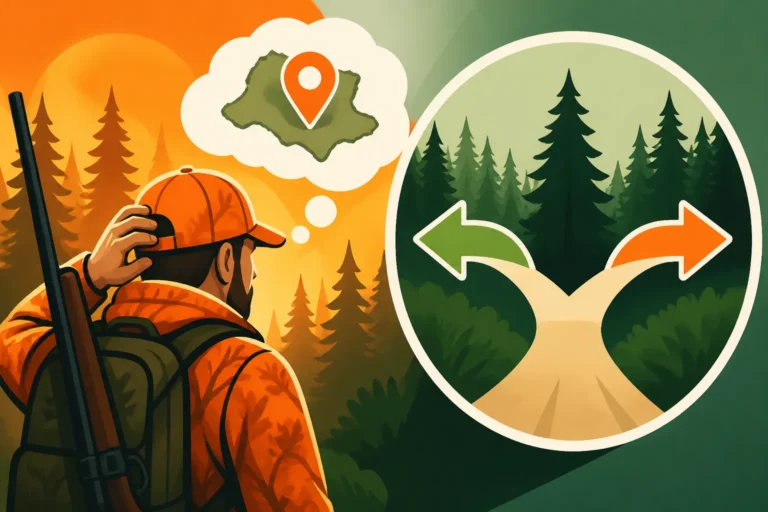
Getting turned around in the vast, monotonous terrain of the boreal forest is a real possibility, even for experienced hunters. If you realize you're lost, the first rule is STOP. Don't wander aimlessly. Sit down, take a deep breath, and consult your map and compass or GPS. Try to retrace your steps.
If you can't immediately pinpoint your location, stay calm and develop a plan. Use your compass to walk in a straight line, aiming for a recognizable landmark or natural feature like a river or logging road. If visibility is poor, or you're disoriented, stay put and signal for help. Use your satellite communication device (if you have one) to send an SOS. Build a fire, create a visible signal, and conserve energy. This is where your detailed trip plan shared with someone outside the bush becomes your lifeline. Our guide on What to Do If You Get Turned Around is a must-read for anyone heading into remote areas.
Disclaimer
The information provided in this guide is for general informational purposes only and does not constitute legal advice. Hunting regulations in Ontario are subject to change, and it is the hunter's sole responsibility to consult the most current Ontario Hunting Regulations Summary, available from the Ministry of Natural Resources and Forestry (MNRF), before engaging in any hunting activities. Always prioritize safety, ethical hunting practices, and respect for wildlife and the environment.