Hunting a Controlled Deer Hunt Validation
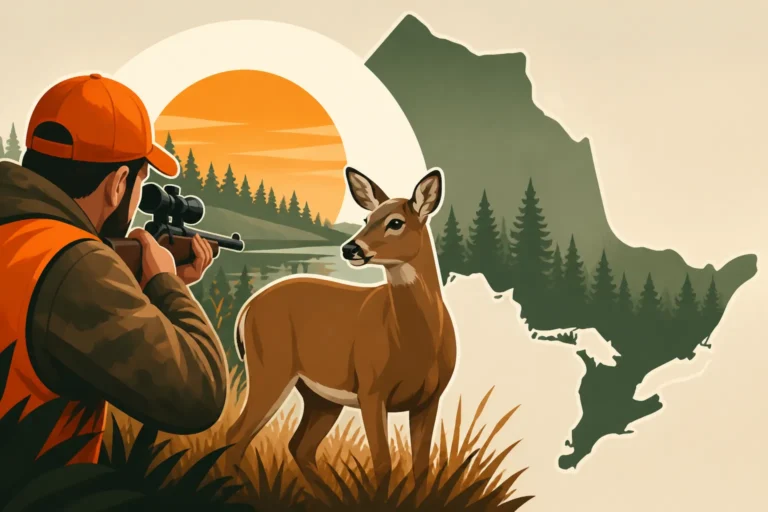
It’s a frustrating reality for many Ontario hunters: prime deer habitat often coincides with areas of higher human population or protected lands, making traditional hunting access a real challenge. Whether you're a seasoned veteran looking for an extra opportunity or a newer hunter hoping to navigate the system, understanding and successfully hunting a Controlled Deer Hunt Validation can feel like cracking a secret code. This guide will walk you through the ins and outs, offering practical advice and insights to help you make the most of these unique hunting opportunities.
Understanding Ontario’s Controlled Deer Hunt Validation
Before you even think about stepping into the bush, it's crucial to grasp what a Controlled Deer Hunt Validation actually is and why it exists. It’s not just another deer tag; it's a specific authorization that allows you to hunt deer within designated areas and timeframes, often in Wildlife Management Units (WMUs) or even specific parcels of land within them, where regular hunting might be restricted or where deer populations need more precise management.
The Purpose Behind Controlled Hunts
The Ministry of Natural Resources and Forestry (MNRF) uses controlled deer hunts primarily as a population management tool. In many areas, especially those bordering urban or agricultural zones, deer numbers can become quite high, leading to increased conflicts with humans—think crop damage, vehicle collisions, and even the spread of disease. Regular hunting seasons, with their broader geographic scope and timing, might not be sufficient or appropriate for these specific locales. Controlled hunts allow the MNRF to manage deer populations more intensively in these "hotspot" areas by concentrating hunting effort, often with specific antlerless tags, and sometimes using different weapon restrictions to ensure public safety and minimize disruption.
It's a delicate balance. On one hand, you have the need to reduce deer numbers for ecological and societal reasons. On the other, you have public safety and the impact on local communities to consider. These hunts are often held in areas that are relatively accessible, which means they can attract a lot of hunters and require strict adherence to rules. You might find yourself hunting in a provincial park or a conservation area that is typically off-limits, or a WMU that's otherwise closed for deer hunting. This unique blend of opportunity and restriction is what sets them apart.
How Controlled Hunts Differ from Regular Deer Tags
The biggest difference you’ll notice right off the bat is the application process. Unlike a general deer licence, which you can typically just purchase, a Controlled Deer Hunt Validation is part of a lottery draw. You apply for a chance to receive one, and success is not guaranteed. This element of chance means you might invest time in scouting and planning, only to not draw a validation for your preferred area.
Furthermore, these validations are tied to very specific hunt codes, dates, and often weapon types. For instance, a controlled hunt might be archery-only or shotgun-only, even if the broader WMU allows rifles during regular season. The dates are usually quite short, often just a few days, and can fall outside of the main provincial seasons. This intensity and narrow window require a different approach to preparation and execution. Your regular deer licence might allow you to harvest a deer in most open WMUs, but a controlled hunt validation allows you to hunt in a specific controlled area that your general licence might not cover, during specific times, and often for a specific type of deer (e.g., antlerless only). It’s an extra layer of permission for a very particular hunt.
Navigating the Application Process for Controlled Deer Hunts
The application process for a Controlled Deer Hunt Validation can feel a bit like a bureaucratic maze, especially if it’s your first time. However, once you understand the steps and deadlines, it becomes a yearly ritual. Missing a deadline or making a mistake can mean missing out on a unique hunting opportunity, so attention to detail is paramount.
The Annual Ritual: Deadlines and Submission
The application window for controlled deer hunts typically opens in late July and closes in mid-August each year. This is a critical period that you absolutely cannot miss. Hunters are required to submit their application through Ontario’s Fish and Wildlife Licensing Service. If you haven't already, you'll need an Outdoors Card and a valid hunting licence to even be eligible to apply.
It’s easy to get caught up in summer plans and forget these dates. Many experienced hunters will mark their calendars well in advance or set digital reminders. You can apply for a number of different controlled hunt choices, usually ranking your preferences. The system will then process these applications, and if successful, you'll be notified, and the validation will appear in your online account, ready to be printed or carried digitally. The anticipation during this waiting period, usually in early September, can be palpable. It’s a bit of a lottery, and while some WMUs or hunt codes are easier to draw than others, there’s always an element of luck involved. You might want to check out our detailed guide on "Applying for a Controlled Deer Hunt" for a step-by-step breakdown.
Choosing Your WMUs and Hunt Codes Wisely
This is where your research really pays off. Each controlled hunt validation is tied to a specific WMU (or part of one) and a unique hunt code. These codes define the species (deer), the sex (e.g., antlerless only, either sex), the weapon type (archery, shotgun, muzzleloader), and the specific dates of the hunt.
When you're submitting your application, you’ll be asked to rank your choices. This means you need to do your homework. Consider:
- Deer Population Density: Are there enough deer in that area to make it worthwhile?
- Accessibility: Is it public land, or will you need to secure private land permission? Is it within a reasonable driving distance?
- Previous Draw Odds: While past performance doesn’t guarantee future results, looking at the previous year's draw odds can give you a sense of which hunts are highly sought after versus those with better chances.
- Weapon Restrictions: Do you have the appropriate firearm or bow, and are you proficient with it?
- Timing: Do the hunt dates fit your schedule?
Many hunters use mapping tools like GoHunt to scout potential WMUs long before the application window opens. These platforms can provide valuable insights into terrain, access points, and potential deer habitat, helping you make informed decisions when ranking your choices. Don't just pick the closest or most popular option; truly evaluate what gives you the best chance of success and fits your hunting style.
Understanding the Draw Results and What Comes Next
When the draw results are posted, usually in early September, you'll log into your online account to see if you were successful. If you were, congratulations! Your validation certificate will appear, detailing your specific hunt code, dates, and the area you're authorized to hunt.
If you weren't successful, it's certainly a bummer, but it’s not the end of the world. There’s always next year, and the experience of researching and applying will make you better prepared for future draws. For those who do draw a tag, the real work begins: finalizing your scouting, securing any necessary private land permission if applicable, and making sure your gear is ready. Remember that simply drawing the validation is just the first step; the hunt itself requires even more dedication. This is also a good time to review all the specific rules associated with your particular validation, as they can sometimes vary significantly even between hunts in adjacent WMUs.
Strategies for Hunting a Controlled Deer Hunt Validation
Drawing a Controlled Deer Hunt Validation is just the beginning. The actual hunt often presents unique challenges that require specific strategies. These hunts are frequently in areas that see more human activity or have specific terrain features, meaning your typical big woods tactics might need an adjustment.
Pre-Season Scouting and Utilizing Digital Tools
Scouting is always critical, but for a controlled hunt, it can be even more important and, at times, more challenging. Access to these areas might be limited outside of the actual hunt dates, or the properties might be small and surrounded by development. This is where digital tools become your best friend.
Spend countless hours on satellite imagery. Platforms like GoHunt offer detailed satellite maps that can reveal subtle terrain features, potential bedding areas, travel corridors, and feeding zones. Look for pinch points, old logging roads, creek bottoms, and thick cover that deer might use to navigate through more open or pressured landscapes. Identify potential stand locations based on prevailing winds and known deer movement patterns. Since you might not be able to physically walk the ground as much as you'd like, being intimately familiar with the topography from above is invaluable. You can learn a lot about "Scouting With Satellite Imagery in Ontario" to really dial in your approach.
If public access is allowed before the hunt, make the most of it. Look for fresh sign, rubs, scrapes, and trails. Pay attention to how deer are using the area—are they moving mostly at night? Are they concentrated in specific pockets of cover? In areas with limited cover, deer often become incredibly nocturnal, so identifying their bedding areas and the routes they take just before dark or right at first light is paramount.
Adapting Tactics to Unique Hunt Areas and Pressures
Controlled hunt areas are diverse, ranging from urban fringe woodlots to designated sections of provincial parks. This means your hunting tactics need to be highly adaptable.
- Stand Hunting: This is often the most effective method, particularly in smaller, more pressured areas. Identify key travel routes between bedding and feeding, or along natural funnels. Hanging a stand on an Ontario bush edge can be incredibly effective, especially if that edge provides cover adjacent to a feeding area or a known travel corridor. Be mindful of scent control, as deer in these areas are often accustomed to human smells but are also highly wary.
- Still Hunting: Moving slowly and deliberately through the timber, pausing frequently to observe, can be successful in areas with good cover. It requires patience and a keen eye, as deer might be bedded tight, especially if they’ve been bumped around.
- Small Drives: In some controlled hunt scenarios, particularly if you’re hunting with a small group and it’s permitted by the rules, small, organized deer drives can be effective. This involves one or two hunters pushing deer towards others who are waiting on stand. This requires excellent communication, strict safety protocols, and a thorough understanding of the terrain and where deer are likely to flee. Always check the specific hunt rules carefully, as some controlled hunts prohibit certain methods.
- Weapon Restrictions: Many controlled hunts, especially those closer to populated areas, are shotgun-only or archery-only for safety reasons. This influences your effective range and shot placement. If you're using a shotgun, practice with slugs at various distances to ensure accuracy. For archery, ensure your bow is perfectly tuned and you're comfortable with your maximum ethical range, especially since shots might be taken in thicker cover or under pressure.
Deer in controlled hunt areas often experience significant pressure due to the concentrated number of hunters and the short duration of the hunt. This can make them incredibly jumpy and nocturnal. Hunt hard during the prime times—first light and last light—and consider sitting all day if the situation allows. Often, the deer activity will pick up mid-day when other hunters have left the woods.
Maximizing Your Chances with Specific Validation Types
Sometimes, your validation might specify an antlerless-only tag, which means you're targeting does or fawns. This requires a slightly different approach. Focus on identifying larger groups of deer rather than just looking for lone bucks. Does and fawns often move earlier and in more predictable patterns, especially when feeding. Our guide on "Filling an Antlerless Tag in Ontario" offers more insights into this specific type of hunt.
Another aspect to consider is the limited timeframe. Controlled hunts are typically short, perhaps only a few days. This means you need to be efficient and persistent. Every minute in the stand counts. Don't give up after a few hours; deer movement can be sporadic and influenced by many factors, including weather, pressure, and the rut cycle if it overlaps.
Making the Most of Your Controlled Hunt Experience
Hunting a controlled deer hunt validation is more than just trying to fill a tag; it's an experience that can teach you a lot about deer behavior, adaptability, and ethical hunting practices. Given the often unique locations and circumstances, there are several considerations to ensure a successful and responsible hunt.
Ethical Considerations and Public Perception
Controlled hunts often take place in areas that are more visible to the public, such as municipal forests, conservation areas, or even some provincial parks. This means hunters are frequently under more scrutiny, and public perception of hunting can be shaped by your actions. It's crucial to be an ambassador for hunting.
- Respect Boundaries: Adhere strictly to the designated hunt area boundaries. Trespassing, even unintentionally, can damage the reputation of all hunters and jeopardize future hunt opportunities. GoHunt's mapping layers can be invaluable here, clearly showing property lines and hunt zone perimeters.
- Practice Discretion: When transporting harvested deer, try to do so as discreetly as possible. While there's nothing to be ashamed of, public displays of game can sometimes be misconstrued by non-hunters.
- Safety First: Given the concentrated hunting pressure and proximity to other land users, unwavering attention to firearm safety is paramount. Be absolutely certain of your target and what lies beyond it before taking any shot. Understand the legal requirements for "Ontario Blaze Orange Requirements" and adhere to them without question.
By conducting yourself with the utmost respect for the land, the rules, and the non-hunting public, you contribute positively to the future of hunting in Ontario.
Managing Your Harvest: Meat Care and Reporting
If you're fortunate enough to harvest a deer, the work isn't over. Proper meat care is essential, especially if the hunt occurs during warmer early fall conditions. Deer meat can spoil quickly if not handled correctly.
- Field Dressing: Field dress your deer as quickly as possible to allow the carcass to cool. In warmer weather, you might even consider quartering the animal in the field to expose more surface area to cooling air, especially if you have a long retrieve ahead. Our guide on "Field Dressing in Warm Ontario Weather" offers more in-depth advice.
- Cooling and Transport: Once field dressed, get the deer to a cooler environment as soon as possible. If temperatures are mild, a cooler full of ice can be invaluable. Don't just throw it in the back of your truck for hours.
- Processing: Have a plan for processing the meat, whether you do it yourself or take it to a local butcher. Many smaller communities around controlled hunt areas will have butchers who are well-versed in processing wild game.
- Reporting: Remember that mandatory harvest reporting is a crucial part of wildlife management in Ontario. You must report your kill according to the instructions on your validation certificate, typically within a short timeframe (e.g., 24 hours). This data helps the MNRF track populations and manage future hunt opportunities.
The Broader Value of Controlled Hunts
Even if you don't fill your tag, hunting a controlled hunt validation offers incredible value. It provides an opportunity to hunt in areas you might otherwise never access, often close to home. It sharpens your scouting skills, forces you to adapt your tactics, and reinforces the importance of meticulous planning.
Many hunters value these experiences for the challenge they present and the deeper understanding they gain of local deer populations. It's a chance to contribute to wildlife management efforts, be an active participant in conservation, and reconnect with the outdoors, even in less wild settings. Whether you're chasing that elusive buck or simply enjoying the crisp autumn air, a controlled deer hunt validation offers a unique and rewarding experience within Ontario's diverse hunting landscape.
Application and Hunt Overview
For your convenience, here's a general overview of the typical application and hunt phases for Controlled Deer Hunt Validations in Ontario. Always refer to the current Ontario Hunting Regulations Summary for precise dates and details, as they can change annually.
| Stage | Approximate Timeline | Key Action | Notes |
|---|---|---|---|
| Regulations Release | Late Spring / Early Summer | Review the current Ontario Hunting Regulations Summary | Pay close attention to controlled hunt sections and specific WMU rules. |
| Application Period | Late July – Mid August | Apply online via Fish and Wildlife Licensing Service | Select your preferred WMUs and hunt codes, ranking them carefully. |
| Draw Results Posted | Early September | Check your online account for success | If successful, your validation certificate will be available. |
| Pre-Hunt Scouting | Post-results to Hunt Dates | Digital scouting (e.g., GoHunt), physical if permitted | Focus on deer movement, bedding areas, and access points. |
| Hunt Period | Varies by WMU (often late Fall) | Hunt within specified dates, times, and weapon restrictions | Be aware of increased hunter pressure and local safety considerations. |
| Harvest Reporting | Within 24 hours of harvest | Report your kill online or via phone | Mandatory for data collection and crucial for future management. |
This table provides a quick reference, but remember that specific dates and rules for each WMU and hunt code can differ. Always double-check your validation and the official regulations.
Disclaimer
The information provided in this guide is for general informational purposes only and is not intended to be legal advice. Hunting regulations in Ontario can change, and it is the hunter's responsibility to consult the most current Ontario Hunting Regulations Summary published by the Ministry of Natural Resources and Forestry (MNRF) and all applicable federal and municipal laws before hunting. Always ensure you possess the correct licences, tags, and validations for your chosen hunt area and species. Safety should be your paramount concern, and proper identification of game and adherence to all firearm and hunting safety rules are mandatory.