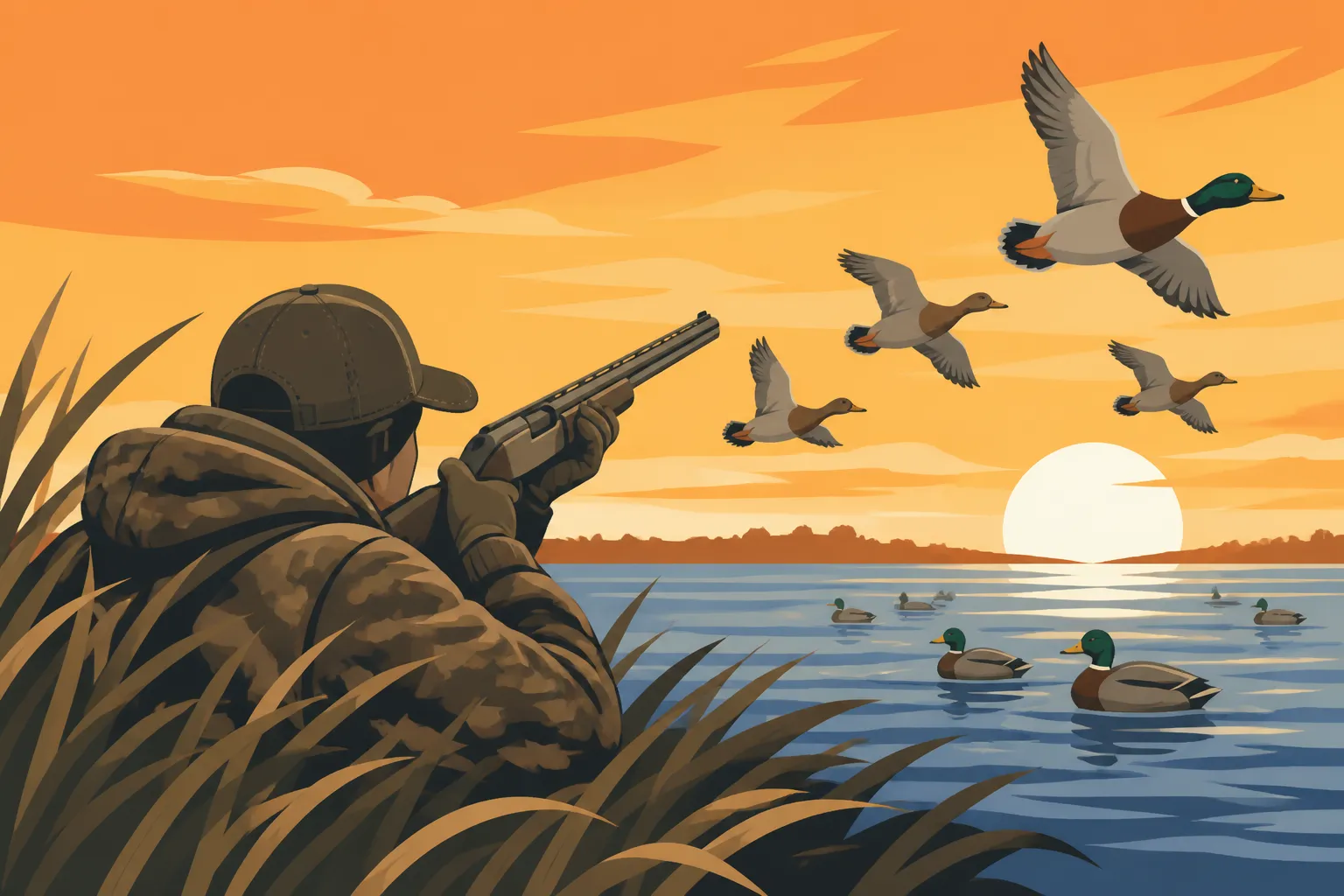
Layout Hunting on Lake St. Clair
There’s a special kind of challenge that calls to waterfowlers, a pull towards the big water that’s unlike any other hunt. On Ontario’s side of Lake St. Clair, the thought of dropping into a low-profile layout boat, waves lapping just inches from your face, waiting for flocks of divers to commit, can be both exhilarating and a little daunting. It’s a completely different ballgame from field hunting or hiding in a cattail marsh, and it often comes with a steep learning curve. This guide is here to demystify the incredible world of layout hunting on Lake St. Clair, helping you understand the gear, the strategy, and the sheer dedication it takes to succeed on one of North America's premier diver duck destinations.
Understanding the Allure of Lake St. Clair Layout Hunting
Lake St. Clair isn't just any body of water; it's a waterfowl magnet, especially for those hard-charging diving ducks. For anyone who dreams of having redheads, canvasbacks, and bluebills cup their wings directly over their head, this lake offers an experience that few other places can match.
Why Lake St. Clair is a Diver Mecca
When you look at Lake St. Clair on a map, it doesn't immediately scream "world-class hunting." It's relatively shallow, sprawling, and often feels more like a wide river connecting Lake Huron to Lake Erie. But its unique characteristics make it an absolute powerhouse for migratory waterfowl. The lake's vast, shallow expanses, often averaging less than 10 feet deep, are teeming with aquatic vegetation and invertebrates that divers absolutely feast on. Think of it as a massive, shallow pantry stocked full of their favourite foods.
Situated right on the Mississippi Flyway, Lake St. Clair acts as a critical staging area. As birds migrate south from their northern breeding grounds, they hit this biological hotspot, stopping to rest and refuel before continuing their arduous journey. We're talking about massive numbers of birds, sometimes tens of thousands of redheads, canvasbacks, scaup (bluebills), goldeneyes, and buffleheads, all concentrated in relatively accessible areas. The sheer volume of birds can be mind-boggling, and it’s what draws hunters from all over. Unlike hunting in an Ontario cattail marsh, where you might target dabblers, Lake St. Clair is all about the divers.
The Thrill and Challenge of Layout Hunting
Now, about the actual layout hunting part – it's not for the faint of heart, but it’s incredibly rewarding. Imagine being essentially invisible on the water, lying flat in a specialized boat that’s painted to blend in perfectly with the waves. You're surrounded by hundreds of decoys, your head barely above the waterline, as flock after flock of divers buzz your spread. The close-up encounters are what make it so addictive. You’re not just shooting at distant birds; you’re often seeing their eye colour and feeling the wind from their wings as they commit.
However, it’s a physically demanding and often brutally cold endeavour. You’re exposed to the elements, the rocking of the waves can be relentless, and the cold, wet conditions can quickly sap your energy. Many hunters get overwhelmed just thinking about the specialized gear, the boat logistics, and the safety protocols needed for big water. It’s a far cry from hunting Canada geese on Ontario farmland, where you might be tucked into a warm blind. The commitment required for a successful layout hunt means early mornings, long hours, and an unwavering respect for the lake's power. It’s a hunt where you truly earn every bird in the bag.
Essential Gear and Setup for a Successful Layout Hunt
Venturing onto Lake St. Clair for a layout hunt isn't something you can do with just your waders and a shotgun. It requires specialized equipment, a dedicated setup, and a thorough understanding of how everything works together.
The Layout Boat and Tender Boat Dynamic
At the heart of a layout hunt is, of course, the layout boat itself. These are purpose-built, low-profile craft, often resembling oversized surfboards with a small cockpit. They are designed to be stable yet blend seamlessly with the water, making you virtually undetectable to incoming ducks. Most accommodate one or two hunters, lying flat on their backs, with only their heads and shoulders visible above the boat's rim. While incredibly effective for concealment, their small size means they aren't designed for independent travel, especially not on big water like Lake St. Clair.
This is where the tender boat comes in, forming an inseparable partnership with the layout boat. The tender boat is typically a larger, more robust vessel—often a sturdy aluminum or fiberglass boat, 16-20 feet long with a powerful outboard motor. Its roles are numerous and absolutely critical:
- Transport: It ferries the layout boat(s), hunters, and all the extensive decoy spreads to the chosen hunting location.
- Decoy Deployment: The tender boat operator is responsible for deploying and retrieving the hundreds of decoys that make up your spread.
- Safety Net: This is paramount. The tender boat acts as a mobile command centre, ready to retrieve downed birds, provide aid if a layout hunter experiences issues, or quickly pull hunters out of the water if weather conditions deteriorate.
- Communication Hub: It houses all the necessary communication and navigation equipment, linking the layout hunters to the larger world and constantly monitoring weather.
An experienced tender boat operator is worth their weight in gold. They need to be skilled boat handlers, navigators, and safety officers all rolled into one. If you're looking for an outfitter, checking out resources like GoHunt can help you find reputable guides with reliable tender boats and operators who understand Lake St. Clair's unique demands.
Decoy Spreads and Species-Specific Strategies
Unlike hunting puddlers, diver hunting on Lake St. Clair often calls for massive decoy spreads. We're talking hundreds, sometimes even a thousand or more, decoys to create the illusion of a large, safe raft of birds. The idea is to make your spread look like the place to be on the water.
- Types of Decoys: You'll need primarily diver decoys—redheads, canvasbacks, bluebills (scaup), goldeneyes, and buffleheads. Often, oversized decoys are used to increase visibility from a distance. Realism is key, so good quality decoys that ride the waves naturally are preferred.
- Spread Designs: While there’s no single perfect spread, common designs include:
- The "J" Hook or "Fish Hook": This popular setup uses a long arm of decoys extending downwind, with the layout boat positioned at the bend or "hook." Birds flying upwind see the long line, follow it, and eventually drift into the pocket created by the hook, directly over the layout boat.
- The "Blob" or "Raft": A large, dense grouping of decoys mimicking a natural raft of divers. Layout boats are typically placed at the downwind edge, creating a landing zone in front.
- Long Lines: Decoys strung on a single line, often hundreds of feet long, creating a very natural, spread-out look that can be incredibly effective.
For species-specific strategies, it's often best to have a good mix of decoys, but sometimes focusing on the primary species you're targeting can pay off. Redheads are very social and respond well to large spreads of redhead decoys. Canvasbacks, often considered the "king of ducks," can be finicky, but a good spread of high-quality canvasback decoys in their own cluster can sometimes bring them right in. The key is to make your spread appear inviting, safe, and easily accessible.
Safety Gear and Cold Weather Preparedness
Lake St. Clair is beautiful, but it can turn nasty faster than you can say "squall line." Safety on big water is non-negotiable, and cold weather preparedness is paramount, especially when you're lying in a boat at water level.
- Personal Flotation Devices (PFDs): These aren't just for kids; every hunter in a layout boat must wear a PFD at all times. A good quality, comfortable PFD designed for hunting won't hinder your swing and could literally save your life if you unexpectedly end up in the frigid water.
- Communication: A reliable VHF marine radio is essential for the tender boat to communicate with other boats and monitor marine weather. Cell service can be spotty, so don't rely solely on your phone.
- Navigation: GPS units are crucial for navigating safely, especially in fog or when retrieving decoys in low light.
- Emergency Signaling: Flares, air horns, and even a satellite communication device like an InReach or SPOT messenger can be lifesavers if something goes wrong far from shore.
- Cold Water Immersion Gear: This is where it gets serious. Many layout hunters opt for dry suits or high-quality waders with insulated layers underneath. Neoprene gloves or mittens, waterproof hats, and insulated boots are also critical. Remember, you're not moving much, so staying warm is a constant battle. Layering is key, with moisture-wicking base layers, insulating mid-layers, and a waterproof/windproof outer shell. Bring hot drinks and plenty of snacks. The real danger on Lake St. Clair isn't just drowning; it's hypothermia, which can set in shockingly fast in cold water.
You need to respect the weather. A sunny, calm morning can quickly turn into a white-capping gale. Always check marine forecasts, and be prepared to call off the hunt if conditions are questionable. This isn’t a lake to take chances with.
Tactics and Techniques for Maximizing Your Hunt
Layout hunting on Lake St. Clair is as much an art as it is a science. It's about understanding the birds, reading the water, and working seamlessly with your team.
Reading the Weather and Water Conditions
Unlike hunting a cedar swamp edge where wind might just mean colder temperatures, on Lake St. Clair, wind is everything. It dictates bird movement, wave action, and ultimately, your setup.
- Wind Direction: This determines where you set your spread and position your layout boat. Divers typically prefer to land into the wind, much like an airplane. Your decoys should be set up so that incoming birds have a natural flight path into the wind, finishing directly over your layout boat. A good tender boat operator will know how to adjust the spread as the wind shifts.
- Wave Action: While calm days can be pleasant, a slight chop often makes ducks more comfortable and helps your decoys look more natural. Too much wave action, however, creates dangerous conditions, makes shooting difficult, and can swamp a layout boat. The tender boat needs to constantly assess safety.
- Currents: Lake St. Clair does have currents, which can affect how your decoys sit and how birds approach. An experienced hunter or guide will account for these to maintain a realistic spread and ensure birds are funnelled correctly.
- Respecting Rapid Changes: Lake St. Clair is notorious for its quick weather shifts. A fog can roll in out of nowhere, or a strong wind can pick up rapidly, turning calm waters into dangerous whitecaps. Constantly monitoring weather reports, specifically marine forecasts for the Great Lakes, is crucial. Never be afraid to pack it in early if conditions become unsafe – those ducks aren't worth risking your life over.
Mastering the Shot and Calling
Shooting from a layout boat presents its own unique challenges. You're lying flat on your back, then quickly sitting up and swinging on fast-flying divers. It takes practice and a cool head.
- Quick Mount and Swing: Practice at home or at a trap range simulating the rapid sitting-up motion and quick gun mount. Divers are fast, and your window of opportunity is often small. A fluid, consistent swing is more important than brute force. Remember, non-toxic shot for Ontario waterfowl is a requirement, so ensure your loads are appropriate for the distances you're shooting.
- Letting Birds Commit: This is perhaps the hardest part. When you have hundreds of redheads buzzing your spread, it's tempting to jump up and shoot too early. Resist the urge! Let them work the decoys, let them get close, let them drop their feet. The closer they are, the cleaner your shot, and the less likely you are to cripple birds. This often means waiting until they are literally right on top of you.
- Diver Calls: While not as critical as calling for puddle ducks, diver calls can sometimes help to get the attention of birds passing by or to finish those last few stragglers. The typical diver calls are simple guttural sounds, usually a confidence call rather than an aggressive working call. Learning a basic redhead or scaup call can add another layer to your strategy, but often, the sheer realism and volume of your decoy spread are the primary attractants.
Working with Your Tender Boat Operator
The relationship between the layout hunter and the tender boat operator is the bedrock of a successful and safe layout hunt. It’s a true partnership built on trust and clear communication.
- Clear Communication: Before the hunt, establish clear hand signals for situations like "birds working," "retrieve birds," "adjust spread," or "emergency." VHF radio communication between the tender boat and any other boats in your party is also essential.
- Retrieval Plan: Have a pre-planned routine for retrieving downed birds. The tender boat should be positioned downwind and down-current from the layout boat and spread, ready to move quickly. In strong currents, a downed bird can drift surprisingly fast.
- Safety First: The tender operator is the eyes and ears of the operation, constantly scanning the horizon for approaching weather, other boat traffic, or any signs of trouble. Their primary responsibility is the safety of the layout hunters. A good GoHunt guide will prioritize safety above all else, often making the tough call to end a hunt if conditions become hazardous.
- Adjustments and Support: The tender boat isn't just for retrieval; it's also responsible for adjusting the decoy spread if conditions change, breaking up ice that might form around the layout boat, or providing hot coffee and snacks to cold hunters. It’s a dynamic role that requires constant vigilance and proactive thinking. This seamless teamwork is what truly makes a Lake St. Clair layout hunt effective.
Regulations, Ethics, and Conservation on Lake St. Clair
Hunting on Lake St. Clair, like all hunting in Ontario, comes with strict regulations, ethical responsibilities, and a strong commitment to conservation. Understanding these aspects is crucial for a legal, responsible, and sustainable hunt.
Understanding Ontario Waterfowl Regulations
Navigating waterfowl regulations can feel a bit like reading a legal textbook, but it's absolutely essential to stay on the right side of the law. Ontario's waterfowl seasons and limits are set under federal regulations due to the migratory nature of the birds.
- Federal Migratory Bird Permit: Every waterfowl hunter in Canada must possess a valid the Federal Migratory Game Bird Permit, which also includes the Canadian Wildlife Habitat Conservation Stamp. This stamp is vital for funding habitat restoration across the country.
- Ontario Outdoors Card: In addition to the federal permit, you'll need an Ontario's Outdoors Card Explained and an Ontario small game hunting licence.
- Bag and Possession Limits: These vary by species and region. For Lake St. Clair, you'll need to pay close attention to the specific limits for ducks, often categorized by species (e.g., limits on Redheads, Canvasbacks, Scaup). Always consult the current Ontario Hunting Regulations Summary and the Migratory Birds Hunting Regulations Summary for the specific hunting zone you're in. These documents are updated annually and are your official source for all rules.
- Non-Toxic Shot: As mentioned before, non-toxic shot requirements for waterfowl are mandatory across Canada. This means no lead shot when hunting ducks, geese, or other migratory game birds. Steel, bismuth, or other approved non-toxic alternatives must be used.
- Shooting Hours: Legal shooting hours for migratory birds typically begin one-half hour before sunrise and extend until one-half hour after sunset. Check the official regulations for exact times, as these can vary slightly.
Ethical Hunting Practices on Big Water
Ethical hunting goes beyond simply following the law; it's about responsible behaviour, respect for the game, and consideration for fellow hunters and the environment. On big water like Lake St. Clair, these principles are amplified.
- Shot Selection and Minimizing Cripples: Divers are tough birds, and hitting them effectively at range requires powerful loads and accurate shooting. Take only ethical shots within your effective range to avoid crippling birds that fly off to suffer. This is especially important on big water where retrieving a wounded bird can be challenging.
- Prompt Retrieval of Downed Birds: In strong winds or currents, a downed bird can quickly drift away. The tender boat and layout hunter must work together to locate and retrieve birds immediately. Leaving crippled or dead birds on the water is not only unethical but also a waste of a valuable resource.
- Respect for Other Hunters: Lake St. Clair can get busy, especially on prime hunting days. Maintain ample distance from other hunting parties, avoid setting up too close to private property boundaries, and be courteous. No one appreciates having their spread "sky-busted" by another hunter.
- Conservation of the Resource: Beyond regulations, ethical hunters recognize their role in conservation. This includes supporting organizations like Ducks Unlimited Canada, understanding how your actions impact bird populations, and advocating for healthy habitats.
Conservation Efforts and Lake St. Clair's Future
The incredible numbers of divers on Lake St. Clair aren't just a happy accident; they are the result of ongoing conservation efforts, and they depend on continued stewardship.
- Habitat Protection and Restoration: Organizations such as Ducks Unlimited Canada work tirelessly to protect, restore, and manage wetlands and associated habitats across the flyways. On Lake St. Clair specifically, efforts focus on maintaining water quality and preserving the aquatic vegetation that divers rely on.
- Research and Monitoring: Continuous research and population monitoring help wildlife managers understand bird numbers, migration patterns, and potential threats. This data informs hunting regulations and conservation strategies.
- Hunter Contributions: Every hunter who purchases a migratory bird permit and an Outdoors Card is directly contributing financially to these conservation efforts. It's a vital connection between the pursuit of hunting and the preservation of the species we cherish.
By adhering to regulations, practicing ethical hunting, and supporting conservation, you become a part of ensuring that future generations can also experience the unique thrill of diver hunting Ontario's big water on Lake St. Clair.
Planning Your Layout Hunting Trip to Lake St. Clair
Embarking on a layout hunting adventure on Lake St. Clair requires careful planning, whether you're going it alone or hiring a guide. From lodging to legalities, thinking ahead will ensure a smoother, more enjoyable, and safer experience.
Self-Guided vs. Guided Hunt Considerations
One of the first big decisions you'll face is whether to undertake a self-guided hunt or hire a professional outfitter. Both have their pros and cons.
- Self-Guided Hunt:
- Pros: Complete control over your schedule, choice of hunting spots (within regulations), and the satisfaction of doing it all yourself. If you already own all the specialized gear, it can be more cost-effective in the long run.
- Cons: Significant upfront investment in a layout boat, tender boat, hundreds of decoys, and all the associated safety gear. You need extensive big-water boating experience, deep knowledge of Lake St. Clair's specific nuances, and the ability to read weather and water conditions expertly. The risks are higher if you're not fully prepared and experienced. For a first-time hunter, this option is generally not recommended due to the specialized skills and equipment required.
- Guided Hunt:
- Pros: Access to an experienced operator who knows the lake, its hotspots, and its moods. All specialized equipment (layout boats, tender boat, massive decoy spreads) is provided. The guide handles all the logistics, ensures safety, and can significantly increase your chances of success. It's an excellent way to learn the ropes and experience layout hunting without the enormous personal investment. Many outfitters found through GoHunt specialize in Lake St. Clair diver hunts.
- Cons: It's a more expensive option per trip, but it can be well worth it for the experience, safety, and expertise. You're also on the guide's schedule.
For most hunters looking to try layout hunting on Lake St. Clair, especially those new to it or coming from out of province, a guided hunt is often the most practical, safest, and enjoyable way to experience this unique challenge.
Best Times to Hunt and Peak Migration
Lake St. Clair offers good diver hunting throughout the waterfowl season, but certain periods stand out for specific reasons.
- Early Season (Late September to Mid-October): This period can offer good opportunities for local birds and the early push of bluebills (scaup) and buffleheads. Weather is generally milder, which can be a gentler introduction to big-water hunting.
- Mid-Season (Late October to Mid-November): This is often considered the prime window for peak diver migration, especially for redheads and canvasbacks. This is when the largest numbers of birds tend to stage on the lake. Expect colder temperatures and more variable weather during this time. For many hunters, this is When Divers Reach the Great Lakes in their highest numbers.
- Late Season (Late November to December): If the lake hasn't frozen over, the late season can offer incredible hunting for hardy divers like goldeneyes and buffleheads, which stick around even in bitter cold. However, this is when conditions can be truly brutal, with freezing spray, ice, and unpredictable squalls. Only the most dedicated, and safely equipped, hunters venture out then.
Flexibility is key. The "best" time to hunt is often when the birds are there, and the weather allows for a safe and effective hunt. Watch weather patterns and migration reports closely.
Logistics: Lodging, Permits, and Border Crossings
Once you've decided on your hunt type and timing, it's time to nail down the practicalities.
- Lodging: Towns surrounding Lake St. Clair, such as Windsor, Chatham-Kent, or Sarnia, offer a range of accommodations from hotels to smaller inns. If you're using a guide, they often have preferred lodging options or even offer on-site camp facilities. Consider locations that minimize your drive to the boat launch on those early mornings.
- Permits and Licences:
- Ontario Resident Hunters: You'll need your Outdoors Card, an Ontario small game licence, and the federal Migratory Game Bird Permit with conservation stamp.
- Non-Resident Hunters (e.g., from the US): In addition to the above, you'll need to understand the rules for Non-Residents Hunting Ontario. This includes your Outdoors Card (which you can obtain as a non-resident), your Ontario hunting licence, and the federal permit. You will also need to declare and legally bringing firearms into Ontario. This involves completing the Non-Resident Firearm Declaration form and paying a fee at the Canadian border. It's crucial to have all your paperwork in order to avoid delays or issues at customs.
- Planning for the Unexpected: Build in buffer time for travel, especially if crossing the border. Have backup plans for weather delays. Ensure your vehicle can handle the cold and potentially challenging road conditions in late fall. A well-stocked "truck kit for a northern Ontario hunt" is always a good idea, even if you’re not going all the way north.
By meticulously planning each of these elements, you can minimize stress and maximize your enjoyment of what truly is a world-class waterfowl hunting experience on Lake St. Clair.
Essential Layout Hunting Gear Comparison
To give you a clearer idea of the specialized equipment involved, here's a comparison of some key gear components for a layout hunt.
| Gear Item | Purpose | Key Features for Layout Hunting | Why it's Important |
|---|---|---|---|
| Layout Boat | Concealment and stability for hunter(s) at water level. | Low profile (1-2 ft high), stable design, camouflage pattern, comfortable cockpit for lying down, often unsinkable construction, minimal freeboard. | Crucial for invisibility to wary divers; provides a stable shooting platform in choppy water. Without it, you're not layout hunting. |
| Tender Boat | Transport, decoy deployment/retrieval, safety, command centre. | 16-20 ft aluminum/fiberglass, powerful and reliable outboard motor, good hull design for rough water, ample storage, equipped with VHF radio, GPS, safety gear. | Essential for safe operation on big water; provides mobility, support, and a vital safety net for layout hunters. |
| Diver Decoys | Attracting birds, creating a "safe zone" illusion. | Large numbers (100s+), realistic paint schemes, species-specific (Redhead, Can, Scaup), weighted keels for stability, often oversized for visibility, durable construction. | Attracts divers from a distance, convinces them to commit to the spread; realism is paramount. |
| PFD (Life Vest) | Personal flotation and safety. | Comfortable, lightweight, non-bulky design for shooting, high buoyancy rating, worn at all times by layout hunters. | Absolute necessity for cold-water safety; helps prevent drowning and delays hypothermia if a hunter goes into the water. |
| Dry Suit/Waders | Protection from cold water, wind, and spray. | Fully waterproof and windproof, insulated layers underneath (or built-in), durable construction, seals at neck/wrists, integrated boots. | Keeps hunters warm and dry in extreme conditions; critical for preventing hypothermia when exposed to cold water and weather. |
| VHF Marine Radio | Communication with tender boat, other vessels, and shore. | Marine band frequencies, good range, waterproof, clear audio, dedicated channels for weather. | Primary communication device on big water, especially where cell service is unreliable; vital for safety and coordinating efforts. |
| GPS Device | Navigation and location tracking. | Waterproof, reliable battery life, pre-loaded with marine charts/waypoints, easy to use interface. | Essential for safe navigation in fog or low light, finding spreads, and marking hunting spots. |
| Non-Toxic Shot | Legal and ethical ammunition for waterfowl. | Steel, bismuth, or other approved alternatives (no lead), appropriate shot size and velocity for divers, effective at typical shooting ranges. | Required by law for migratory bird hunting; environmentally friendly and prevents lead poisoning in waterfowl. |
Disclaimer
The information provided in this guide is for general informational purposes only and does not constitute legal advice. Hunting regulations in Ontario can change, and it is the hunter's responsibility to consult the most current official Ontario Hunting Regulations Summary and the Migratory Birds Hunting Regulations Summary before hunting. Always prioritize safety, understand local laws, and obtain all necessary permits and licences.