Ontario Outfitters in the Northwest
For many hunters, the dream of heading north, deep into Ontario's untouched wilderness, is a powerful one. But when you look at the sheer vastness of Northwestern Ontario, with its endless forests, countless lakes, and remote rivers, figuring out where to even begin finding a reliable outfitter can feel utterly overwhelming. It's a land of incredible opportunity, yes, but also a place where you truly need local expertise to navigate the terrain, understand the game, and most importantly, stay safe and comfortable. This guide is here to break down everything you need to know about finding and working with an outfitter in Northwestern Ontario, helping you turn that dream hunt into a tangible, unforgettable reality.
Understanding the Northwest Ontario Hunting Landscape
Northwestern Ontario isn't just a region; it's an experience. This part of the province boasts some of the most rugged, wild, and awe-inspiring landscapes you'll ever encounter, and with that comes incredible hunting potential. But it also means that preparing for a hunt here is different than heading to a small woodlot in Southern Ontario.
The Vastness of Northwestern Ontario
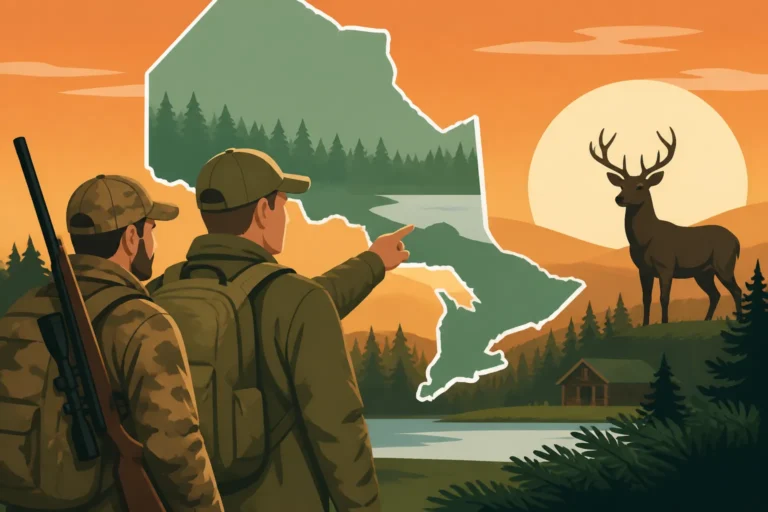
Imagine an area larger than many European countries, covered in dense boreal forest, ancient rock formations of the Canadian Shield, and crisscrossed by a labyrinth of lakes, rivers, and wetlands. That's Northwestern Ontario. It stretches from the Manitoba border in the west, eastwards past Thunder Bay and almost to Lake Superior's eastern shore, and northwards to the remote reaches of Hudson Bay. This immense geographical scale means that roads are few and far between once you leave the main highways, and much of the best hunting ground is only accessible by float plane, boat, or extensive backcountry travel.
The sheer remoteness is both its greatest appeal and its biggest challenge. You won't find bustling towns every few miles; instead, you'll encounter small, tight-knit communities, many of which rely heavily on the natural resources and tourism that the region provides. For a hunter seeking true wilderness and an escape from crowded public land, this is paradise. However, it also means that self-guided hunts require significant planning, bushcraft skills, and a robust understanding of navigation and survival, especially if you plan on Hunting Ontario's Crown Land. This is precisely where a good outfitter becomes not just a convenience, but often a necessity, providing the infrastructure and knowledge to safely access these incredible, wild spaces.
Key Game Species and Their Habitat
Northwestern Ontario is renowned for its big game opportunities, primarily moose and black bear, but it also offers fantastic upland bird and waterfowl hunting. Each species thrives in specific habitats that are abundant in this diverse landscape.
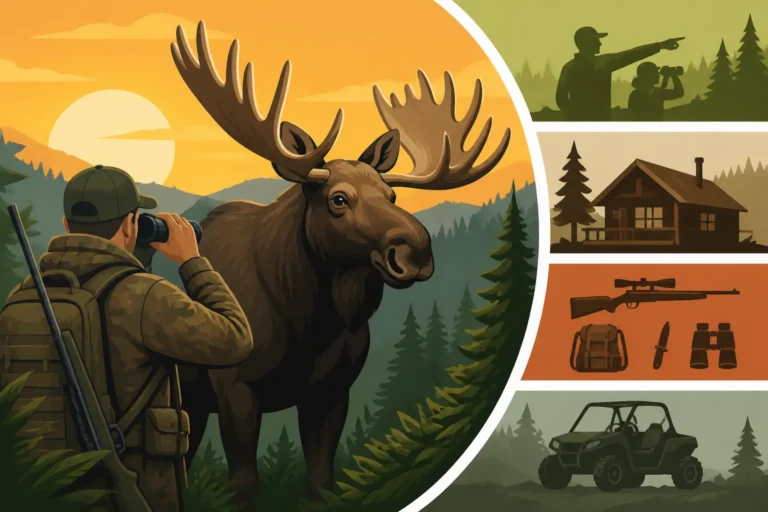
Moose: This is arguably the region's most iconic big game animal. Northwestern Ontario's vast tracts of regenerating forest, interspersed with countless lakes, rivers, and beaver ponds, create ideal moose habitat. Young regenerating cutovers provide vital browse, while the wetlands offer aquatic vegetation and a place to escape the summer heat and biting insects. During the fall rut, bulls become more vocal and less cautious, making them a prime target for calling tactics. Understanding the specific areas where moose prefer to feed, bed, and travel is key to a successful hunt, and local outfitters have decades of experience pinpointing these hotspots. You might be dreaming of Moose Hunting Ontario's Northern Bush, and an outfitter can get you there.
Black Bear: Ontario's black bear population is healthy, and the Northwest is no exception. Bears are drawn to areas rich in berries, nuts, and other natural food sources, often found in mixed forests, along river systems, and near clearings. Many outfitters specialize in baiting methods, setting up proven sites long before the season begins to attract and hold bears. This region also offers opportunities for spot-and-stalk or still-hunting, especially in areas with active logging or burn zones where natural food sources are concentrated. Whether you're interested in Black Bear Hunting in Ontario over bait or pursuing them in other ways, an outfitter can guide you to productive areas and ensure a safe, ethical hunt.
Waterfowl and Upland Birds: Beyond big game, the lakes and rivers of Northwestern Ontario are crucial staging areas for migrating waterfowl. Mallards, teal, wood ducks, and various diver species utilize the numerous wetlands and larger lakes. Upland birds like ruffed grouse and spruce grouse are also plentiful in the mixed forests and along old logging roads. A well-placed Ruffed Grouse Hunting Ontario's Bush Roads excursion can be a great addition to a big game hunt, or a fantastic trip on its own. Outfitters can provide access to prime duck marshes or guide you through dense cover for grouse, often with trained dogs to enhance the experience.
Why Choose an Outfitter in Northwestern Ontario?
For many, the idea of a self-guided hunt carries a strong appeal – the freedom, the challenge, the pure DIY spirit. But in a region as wild and remote as Northwestern Ontario, an outfitter isn't just a luxury; for many, it's the safest, most effective, and most comfortable way to experience hunting here.
Accessing Remote, Untouched Wilderness
One of the biggest hurdles for any hunter planning a trip to Northwestern Ontario is simply getting there. While the main highways offer access to some areas, the truly wild, less-pressured hunting grounds often lie far off the beaten path. These are the places where mature animals thrive, undisturbed by constant human presence. Outfitters, especially those specializing in fly-in camps, provide the crucial logistical link to these remote locations.
Imagine flying over endless forest and sparkling lakes in a float plane, landing gently on a pristine lake, and stepping out directly into prime hunting territory. This is an experience many outfitters offer, taking you deep into areas that would be impossible or incredibly arduous to reach on your own. They have established camps, often rustic but comfortable, with boats, equipment, and communication systems specifically designed for these remote settings. Without an outfitter, navigating these roadless areas, transporting gear, and ensuring emergency communication would be a monumental and potentially risky undertaking for an uninitiated hunter. These services are invaluable, transforming inaccessible wilderness into your hunting grounds.
Expertise and Local Knowledge
Even if you managed to get to a remote area, finding game in a vast, unfamiliar landscape is another challenge entirely. This is where an outfitter's deep local knowledge truly shines. These guides often have generations of experience in their specific hunting areas, understanding the terrain, animal behaviour, and seasonal patterns in a way no map or app can replicate.
They know where the moose feed in the morning, which ridgelines the bears travel, or which cattail marsh holds the most ducks. They can interpret fresh sign, identify bedding areas, and adapt their strategies based on weather patterns, food availability, and recent game movement. This isn't just about pointing you in the right direction; it's about providing nuanced, real-time guidance that dramatically increases your chances of success. They've also seen it all – from navigating unexpected weather changes to tracking a wounded animal through dense bush. This intimate understanding of the environment and its inhabitants is the cornerstone of a successful guided hunt and can make all the difference, especially when you're looking for Where Ontario's Biggest Bulls Come From.
Logistics and Comfort in the Bush
Let's be honest, hunting in the remote bush can be physically demanding and logistically complex. Hauling gear, setting up camp, cooking meals, and dealing with unexpected challenges can quickly detract from the hunting experience itself. An outfitter handles most, if not all, of these logistical headaches.
From providing comfortable lodging – whether it's a rustic cabin or a more luxurious lodge – to supplying delicious, hearty meals, good equipment like boats and ATVs, and even assisting with field dressing and game retrieval, outfitters take care of the heavy lifting. This allows you to focus 100% on the hunt, conserving your energy and mental focus for when it truly matters. Imagine returning to a warm, dry cabin after a long day in the woods, knowing a hot meal awaits you, rather than facing the prospect of setting up camp and cooking in the dark. This level of support not only makes the hunt more enjoyable but also safer, as they have established emergency protocols and communication systems in place, critical when you are What to Do If You Get Turned Around in the vast wilderness.
Types of Outfitters and Hunt Packages Available
Northwestern Ontario outfitters cater to a variety of hunting interests, offering specialized packages for different game species and hunting styles. Understanding what's typically included can help you choose the right fit for your adventure.
Moose Hunting Outfitters
Moose hunting in Northwestern Ontario is a bucket-list experience for many, and outfitters are central to making it happen. These packages typically focus on securing a valuable moose tag, as Ontario's moose tag allocation process can be competitive for residents and is managed differently for non-residents through outfitters. Outfitters often have a quota of moose tags allocated to them, which they can then offer to their clients. This is a crucial service, as acquiring a moose tag on your own as a non-resident can be very challenging.
Typical inclusions: A moose hunting package will generally include lodging, meals (often American Plan, meaning all meals are prepared for you), a guide (often one guide for every one or two hunters), boat and motor for lake access, transportation to and from the hunting area (e.g., float plane), and assistance with game retrieval and initial field dressing. Some outfitters might offer both bull and cow tags, depending on their allocation, and will help you apply for the necessary licences. The cost can vary significantly, depending on the remoteness of the camp, the duration of the hunt, and the guide-to-hunter ratio. Many outfitters offer what is referred to as What an Ontario Guided Moose Hunt Costs, and it's essential to clarify exactly what you're paying for.
Hunting styles: Guided moose hunts often involve a combination of still-hunting, calling (especially during the rut in late September and early October), and glassing clearings or cuts. Your guide will assess the terrain and your physical capabilities to determine the best approach. Expect early mornings, long days in the bush, and potentially challenging weather conditions.
Black Bear Hunting Outfitters
Black bear hunts are another popular option in Northwestern Ontario, often providing a thrilling and rewarding experience. Outfitters specializing in bear hunts are highly experienced in setting up and maintaining bait sites, which is the most common and effective method.
Typical inclusions: Bear packages usually include lodging, meals, transport to and from pre-established bait sites, and assistance with field dressing and skinning. Some outfitters might provide tree stands or ground blinds at the bait sites. Unlike moose hunts, bear hunts can sometimes be less physically demanding, as you might spend several hours on stand overlooking a bait. However, tracking a wounded bear can be an intense experience, and a skilled guide is invaluable. Always ask about the outfitter's policy on Why You Cannot Shoot a Sow With Cubs as this is a critical ethical and legal consideration.
Hunting styles: Most guided bear hunts involve sitting over a bait site, typically in the late afternoon and evening when bears are most active. Guides will have scouted and maintained these sites for weeks or even months leading up to your hunt, ensuring they are productive. Some outfitters may also offer opportunities for spot-and-stalk if conditions are suitable, though this is less common. For those looking for more direct involvement, some outfitters might offer semi-guided options where you set up your own stand on a pre-baited site.
Waterfowl and Upland Bird Outfitters
While big game often takes centre stage, Northwestern Ontario offers fantastic opportunities for bird hunters, and specialized outfitters cater to this niche. Waterfowl Hunting Across Ontario is diverse, and this region provides excellent opportunities for ducks and geese.
Typical inclusions: For waterfowl, packages often include boat transportation to blinds or layout boats, decoys, calls, and guides who specialize in calling and identifying species. For upland birds, it often means guided walks through prime habitat, usually with well-trained pointing or flushing dogs. Lodging and meals are generally included. These hunts can be incredibly exciting, with fast-paced action and beautiful scenery.
Hunting styles: Waterfowl hunting often involves waiting in strategically placed blinds or layout boats, waiting for migrating birds to decoyer respond to calls. Upland bird hunting is more active, involving walking extensively through varied cover. A good outfitter will know the local migration patterns and preferred bird habitats, greatly increasing your chances of a successful shoot.
Combination Hunts and Specialty Packages
Some outfitters offer combination hunts, allowing you to pursue multiple species on a single trip. For example, a moose hunt might be combined with upland bird hunting, or a bear hunt with fishing. These packages offer a fantastic way to experience the full breadth of Northwestern Ontario's outdoor opportunities.
Outfitters might also offer specialty packages, such as those focused on photography, fishing, or even winter trapping expeditions. Always discuss your specific interests and desired experience with potential outfitters. You might find some who specialize in Canoe-In Hunting on Ontario Crown Land, which could offer an entirely different, more adventurous experience. When browsing options, sites like BookYourHunt and GoHunt can sometimes list these varied packages, allowing you to filter by species, location, and type of hunt, though it's always best to follow up directly with the outfitter for the most current details.
Key Considerations When Selecting an Outfitter
Choosing the right outfitter is paramount to the success and enjoyment of your Northwestern Ontario hunting adventure. It's not just about finding someone with an available date; it's about finding a reputable partner who aligns with your expectations and hunting style.
Researching and Vetting Potential Outfitters
Before committing to any outfitter, thorough research is non-negotiable. Start by looking for outfitters specifically operating in Northwestern Ontario, paying attention to the Wildlife Management Units (WMUs) they operate in, as this will dictate the specific regulations and game availability.
Online Presence and Reviews: A professional website is a good starting point, but don't stop there. Look for testimonials, but be critical. Many hunters share their experiences on forums, social media groups, and review sites. Searching for "BookYourHunt" or "GoHunt" reviews specifically for Ontario outfitters can provide independent perspectives and insights into other hunters' experiences. Pay attention to consistent themes, both positive and negative. Are people consistently praising the guides' knowledge or complaining about camp conditions? Are the photos on their website recent and reflective of the animals being harvested? Reading Outfitter Reviews Honestly can provide invaluable context.
References: A reputable outfitter will gladly provide you with a list of past clients, ideally from the most recent seasons. Don't hesitate to contact these references. Ask detailed questions:
- What was their overall experience like?
- Was the outfitter organized and professional?
- How accurate were the success rates quoted?
- What was the guide's level of experience and dedication?
- Were the camp facilities and meals up to par?
- How did the outfitter handle unexpected issues or challenges during the hunt?
- Would they hunt with this outfitter again?
Licensing and Insurance: Always verify that the outfitter is properly licensed by the province of Ontario to operate as a tourist outfitter and guide. They should also carry adequate liability insurance. While you might not ask to see the physical documents, a reputable outfitter will readily confirm these details. This is part of ensuring you're dealing with a legitimate and responsible business.
Understanding Package Inclusions and Exclusions
One of the most common sources of frustration or unexpected costs on a guided hunt is a misunderstanding of what exactly is, and isn't, included in the package price. A detailed conversation and written agreement are essential.
What to clarify:
- Licences and Tags: Are the costs for your Ontario Hunting Licences and What They Cost and specific game tags (e.g., moose, bear) included, or are they an additional expense you need to budget for? This is usually an extra cost.
- Guides: Is it one-on-one guiding, or one guide for two or more hunters? This significantly impacts the intensity and personalized nature of your hunt.
- Meals and Lodging: What type of lodging (e.g., cabin, lodge, tent camp) and meal plan (e.g., American Plan, Housekeeping) is provided? Housekeeping camps mean you cook your own meals, which can be more budget-friendly but adds to your workload.
- Transportation: Does the package include all necessary transportation from a designated meeting point to the camp and hunting areas (e.g., float plane, ATV, boat)? This is critical for remote camps.
- Field Dressing, Caping, and Meat Care: To what extent will the outfitter assist with the recovery, field dressing, caping, and initial care of your animal? Meat Care in Ontario's Warm Early Seasons can be vital for quality, and a good outfitter will have clear protocols.
- Trophy Preparation and Shipping: Will the outfitter assist with preparing your trophy for transport home, or can they recommend local taxidermists or meat processors? What are the associated costs?
- Gratuities: Tipping your guide and camp staff is customary. While not an 'exclusion,' it's an expected additional cost that you should budget for, typically a percentage of your hunt cost.
- Other Potential Costs: Ask about things like extra ammunition, personal gear rentals, specific drinks, or unexpected fees. Ensure everything is in writing to avoid surprises.
Communicating Your Expectations and Goals
Open and honest communication with your outfitter from the very beginning is key to a successful hunt. Don't assume they know what you're looking for; clearly articulate your expectations.
Discussing your experience level: Are you a seasoned hunter or a first-timer? This will help the outfitter pair you with the right guide and adjust hunting strategies accordingly. Don't be shy about your physical capabilities; if you have limitations, it's better to discuss them upfront so the outfitter can plan accordingly, ensuring a safer and more enjoyable experience.
Defining "success": Is your primary goal a trophy animal, or are you more interested in the overall wilderness experience, meat for the freezer, or perhaps a specific type of hunt (e.g., archery)? Some hunters simply want to see game and enjoy nature, while others are driven by the pursuit of a record book animal. An outfitter who understands your definition of success can better tailor the hunt to your preferences. If you're hoping for a monster bull, make that clear, but also be realistic about the odds.
Preferred hunting style: Do you prefer to sit in a blind, still-hunt, or call aggressively? While the guide will ultimately lead the hunt based on conditions, expressing your preferences can lead to a more enjoyable experience. For instance, if you're keen on Rattling and Calling Ontario Whitetails, you might express an interest in more active calling methods if conditions allow, even if you're primarily after moose or bear.
Here's a quick comparison of what different outfitters might offer:
| Feature/Service | Moose Outfitter (Typical) | Black Bear Outfitter (Typical) | Waterfowl/Upland Outfitter (Typical) |
|---|---|---|---|
| Target Species | Moose (bull/cow) | Black Bear (often over bait) | Various ducks, geese, ruffed grouse, spruce grouse |
| Primary Method | Spot & stalk, calling, still-hunting, glassing | Baiting from stands/blinds | Decoying, calling, jump shooting (waterfowl); walking with dogs (upland) |
| Typical Season | Late Sept – Oct (rut), Nov (gun) | May-June (spring), Aug-Sept (fall) | Sept – Dec (waterfowl), Sept – Jan (upland) |
| Access | Float plane, boat, ATV, truck (often remote camps) | Truck, ATV, boat (camps can be drive-in or fly-in) | Boat, truck (near lakes, rivers, fields) |
| Guide Ratio | Often 1:1 or 1:2 (highly skilled) | Often 1:2 to 1:4 (may just drop off at bait) | 1:2 to 1:4 (may involve multiple groups) |
| Physical Demands | High (rugged terrain, long walks, game retrieval) | Moderate (sitting stands, tracking can be intense) | Moderate (walking fields/marshes, setting decoys) |
| Required Equipment | Heavy duty gear, optics, rifle/bow, cold weather clothing | Good rain gear, rifle/bow, comfortable layers | Waders, non-toxic shot, warm and waterproof clothing, shotgun |
| Tag Allocation | Often includes outfitter-allocated tag for non-residents | Hunter responsible for licence/tag (less competitive) | Hunter responsible for licences/permits |
Preparing for Your Northwestern Ontario Guided Hunt
Once you've chosen your outfitter, the real excitement (and preparation) begins! Northwestern Ontario is a wild place, and being well-prepared is crucial for a safe, comfortable, and successful trip.
Essential Gear and Clothing
The right gear can make or break your hunting experience, especially in a region known for its unpredictable weather. Don't skimp on quality, and always pack in layers.
Clothing: Layering is key, as temperatures can fluctuate wildly, even within a single day. Think moisture-wicking base layers, insulating mid-layers (fleece or synthetic down), and a waterproof, windproof outer shell. Blaze orange requirements are mandatory for many hunting seasons in Ontario, so ensure you have the required amount, typically a hat and vest or outer garment. You'll want sturdy, waterproof hunting boots, ideally well broken in, as you'll be doing a lot of walking in potentially wet and uneven terrain. Warm gloves, a good hat, and neck gaiter are also essential, particularly for colder fall hunts. For Hunting Ontario's November Gun Season, you'll definitely want to be prepared for cold and potential snow.
Hunting Equipment: Your rifle, shotgun, or bow should be sighted in and you should be proficient with it. Bring ample ammunition. Optics are crucial in the big country of the Northwest; a good pair of binoculars (10×42 or 10×50) and a rangefinder are indispensable. A sharp hunting knife, headlamp with extra batteries, and a small first-aid kit are also must-haves. While your outfitter will provide much of the communal gear, having your own personal items ensures you're never caught off guard.
Navigation and Safety: Even with a guide, carrying a personal GPS device or a reliable GPS app on your phone (with downloaded offline maps) is a smart backup. A whistle and compass are also good additions. Personal locator beacons (PLBs) or satellite communication devices are highly recommended, especially for remote fly-in camps where cell service is non-existent. Your outfitter will have emergency plans, but having your own comms provides an extra layer of safety.
Navigating Licences, Tags, and Regulations
Ontario has specific requirements for hunters, and these must be meticulously followed. This is where your outfitter can offer a lot of guidance, but ultimately, it's your responsibility to ensure you're legal.
Outdoors Card: All hunters in Ontario, residents and non-residents alike, must possess an Outdoors Card. This card is valid for five calendar years and is required to purchase hunting licences and tags. If you don't have one, you'll need to apply for it.
Hunting Licences and Tags: You'll need a specific hunting licence for the type of game you're pursuing (e.g., deer, moose, bear, small game). For big game like moose and bear, you'll also need a separate tag. As a non-resident, your outfitter will typically facilitate your moose tag acquisition through their allocation. For Rules for Non-Residents Hunting Ontario, it's crucial to understand these distinctions.
Hunter Education: If you're a first-time hunter in Ontario or a non-resident who hasn't completed an approved hunter education course, you'll need to meet the Ontario Hunter Education Requirements. This usually involves an approved course and an exam. Make sure this is completed well in advance of your trip.
Understanding Regulations: Ontario's hunting regulations are detailed and cover everything from season dates and bag limits to legal firearms and archery equipment, shooting hours, and tag notching requirements. Your outfitter will be knowledgeable about the specific regulations for their WMU, but it’s always a good idea to review the provincial hunting summary yourself.
Travel and Border Crossing Considerations
For many, a trip to Northwestern Ontario involves significant travel, especially for non-residents crossing the Canada-U.S. border.
Driving: If you're driving, ensure your vehicle is in good working order, especially if you're heading to remote areas. Consider carrying a full-size spare tire, a jack, and basic tools. Gas stations can be few and far between once you leave major routes.
Firearms Declaration: If you're bringing firearms into Canada, you must declare them at the border. You'll need to complete a Non-Resident Firearm Declaration Form (RCMP 5589) in triplicate, pay a fee, and have it confirmed by a customs officer. It's a temporary permit, valid for 60 days. Ensure your firearms are stored legally and securely during transport. This is a critical step, so educate yourself on Declaring a Firearm at the Canadian Border well before your trip. Make sure your firearms are unloaded and locked, and ammunition is stored separately. Certain firearms are prohibited in Canada, so double-check that yours are legal to bring.
Flights: If flying, consider your final destination airport. Thunder Bay and Dryden are common gateways for Northwestern Ontario. Be aware of airline regulations regarding firearms and ammunition transport, which can be stricter than border crossing requirements.
Currency and Payment: All transactions in Ontario are in Canadian Dollars. Many outfitters will quote prices in CAD, but clarify this upfront. Be prepared for any sales taxes that may be applied to your hunt package.
Making the Most of Your Northwestern Ontario Experience
Your hunt in Northwestern Ontario isn't just about the harvest; it's about the entire experience. From ethical considerations to post-hunt logistics, being prepared for everything will enhance your journey.
Respecting the Land and Local Communities
Hunting in Ontario is a privilege, and treating the land, wildlife, and local communities with respect is paramount. This wild country relies on responsible stewardship from all who visit.
Environmental Stewardship: Practice Leave No Trace principles. Pack out everything you pack in, and minimize your impact on the wilderness. Your outfitter will likely emphasize this, as their livelihood depends on maintaining the health of the ecosystem. Understanding local flora and fauna, beyond just your target species, deepens your appreciation for the environment. This means being mindful of your waste, respecting camp rules, and following all environmental guidelines set by the province and your outfitter.
Engaging with Locals: Northwestern Ontario communities are often tight-knit and welcoming. Take the time to engage with local residents, learn about their culture, and support local businesses where possible. Many Indigenous communities have long-standing ties to the land, and understanding their perspective can enrich your experience. A simple "thank you" to the camp cook, the guide, or the local shopkeeper goes a long way. This respect for the local culture and environment is part of being a responsible hunter and guest in the region.
Post-Hunt Logistics: Meat and Trophy Care
Successfully harvesting an animal is just the beginning of another crucial phase: properly handling your meat and trophy. Especially in remote areas, this can be challenging and requires careful planning.
Meat Care: Your outfitter will be instrumental in assisting with field dressing and initial meat cooling. Depending on the species and ambient temperatures, prompt cooling is vital to preserve the quality of the meat. Outfitters often have walk-in coolers or suitable hanging facilities. Discuss options for further processing. Many outfitters work with local butchers who can cut, wrap, and freeze your meat for transport. Be aware that processing and shipping costs are almost always extra. For non-residents, there are specific rules and permits for transporting game meat across the border. Your outfitter can advise on What the Export Permit Covers.
Trophy Care: If you've harvested a trophy, your outfitter will typically help with caping and initial salting or freezing of the hide and skull. They can also recommend reputable taxidermists in Ontario or advise on preparing your trophy for shipment back home. Shipping large antlers or a bear hide internationally requires careful planning, appropriate documentation, and often specialized shipping services. Again, your outfitter should be a good resource for navigating these complexities. Ensure you understand all the requirements for Taking Meat and Antlers Across the Border.
Capturing Memories and Planning Future Adventures
Beyond the hunt itself, your trip to Northwestern Ontario is an opportunity to create lasting memories and perhaps even spark a desire for future adventures.
Photography and Journaling: Bring a good camera (and maybe a waterproof case!) to capture the stunning landscapes, wildlife, and moments from your camp. Keeping a hunt journal can also be a wonderful way to record details, feelings, and observations that you'll cherish for years to come. These personal records become invaluable when reminiscing or sharing your stories.
Networking with Fellow Hunters: Many guided hunts bring together hunters from different backgrounds. Embrace the camaraderie, share stories around the campfire, and learn from each other's experiences. You might even forge friendships that lead to future hunting trips.
Reflecting and Rebooking: After your hunt, take time to reflect on the entire experience. What went well? What could have been better? Did you achieve your goals? Provide honest feedback to your outfitter, as it helps them improve their services. If you had a positive experience, consider Booking an Ontario Hunt a Year Ahead or even longer, as prime spots with reputable outfitters often fill up quickly. Many hunters return to the same outfitter year after year, building a relationship and deepening their connection to this incredible part of Ontario.
Disclaimer
This article is for general informational purposes only and does not constitute professional advice. Laws, prices and regulations vary by location and change over time. Consult a qualified professional for guidance on your specific situation.