Ruffed Grouse Hunting Ontario’s Bush Roads
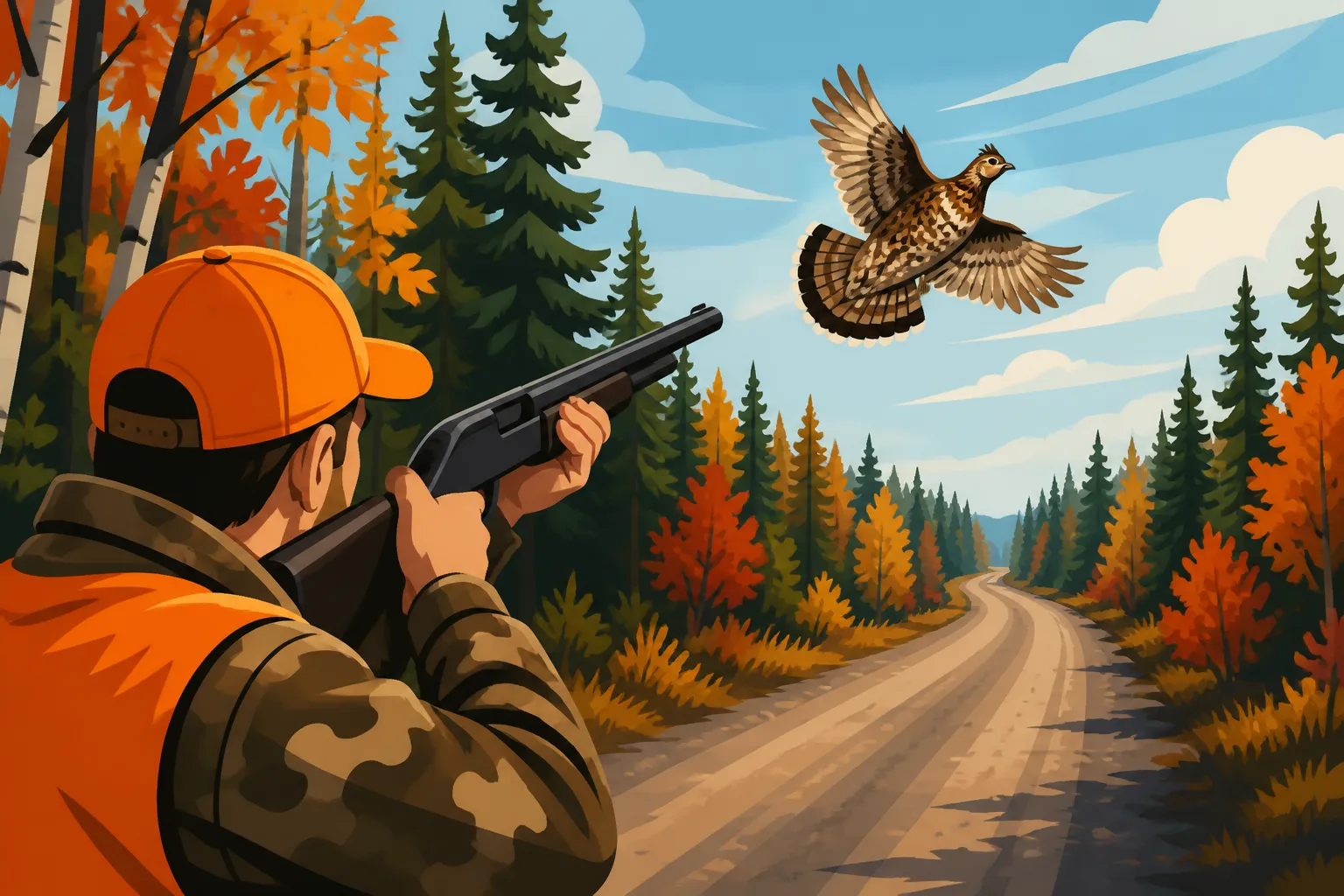
The crisp autumn air, the vibrant tapestry of turning leaves, and the sudden, heart-stopping whirrrrr of a ruffed grouse exploding from the roadside brush – there's nothing quite like it. But let's be honest, hunting these elusive birds along Ontario's vast network of bush roads can be both incredibly exhilarating and, at times, downright frustrating. You might spend hours driving, peering into the thick cover, only to have a bird flush unseen or rocket across the road just out of range. This guide is here to help you navigate those challenges, offering practical tips and strategies to increase your odds and make your roadside grouse hunting adventures more rewarding.
The Allure of Ruffed Grouse Hunting on Ontario's Bush Roads
There’s a certain charm to hunting ruffed grouse (often affectionately called "partridge" here in Ontario) along old logging roads, forgotten access trails, and active bush routes. It's accessible, often doesn't require deep backcountry treks, and offers a unique blend of driving and walking that appeals to many hunters. The ease of access, however, doesn't mean it’s always easy hunting. These birds are wily, and the dense cover they favour makes them masters of camouflage and vanishing acts.
Why Bush Roads Are a Grouse Hunter's Dream
Bush roads, whether gravel, dirt, or just two faint tracks through the trees, are natural magnets for ruffed grouse. They create edges – that crucial transition zone between different habitat types – which are prime real estate for all kinds of wildlife. For grouse, these edges provide a mix of dense escape cover, open dusting areas, and diverse food sources all within a small footprint. They love the gravel for grit, the sunny spots for dusting, and the young, regenerating forest growth on either side for both protection and sustenance. It’s a convenient grocery store and safe haven all rolled into one. Many hunters new to the sport, or those with limited mobility, find that exploring these roads offers a fantastic entry point into upland hunting, allowing them to cover more ground and experience the province's rich hunting heritage without necessarily needing a dedicated pointing dog or extensive wilderness navigation skills.
Common Frustrations and How to Overcome Them
If you've spent any time hunting bush roads, you know the feeling: you’re cruising slowly, eyes peeled, and then BAM! A bird flushes from the ditch, maybe even crosses the road, and by the time you slam on the brakes, grab your shotgun, and get out of the truck, it's long gone, swallowed by the forest. Or, perhaps worse, you hear the flush but never even catch a glimpse. This is a common frustration, and it often comes down to speed, awareness, and preparation. The key isn't just seeing the bird; it's being ready to react the instant it makes itself known. Overcoming this means slowing down your vehicle to a crawl, scanning not just the immediate roadside but deeper into the fringes, and having your gun easily accessible but safely stored. Sometimes, the frustration also stems from picking the wrong roads – those that are too open, too old, or lack the diverse cover grouse prefer. Learning to identify productive habitat before you even leave the pavement is a game-changer, and we'll dive into that next.
Deciphering Prime Ruffed Grouse Habitat Along Roadsides
Success in roadside grouse hunting isn't about aimless wandering; it's about understanding the bird's behaviour and habitat preferences. Ruffed grouse aren't just anywhere along a bush road; they gravitate to specific conditions that offer them food, cover, and a sense of security. Knowing what to look for will save you countless hours of unproductive driving and walking.
Identifying Key Cover Types: Young Forests and Thickets
Ruffed grouse thrive in successional habitats – those areas where forests are regenerating after a disturbance like logging or fire. Along bush roads, this translates into young, dense stands of aspen, poplar, birch, and alder. Look for areas with a thick understory, where the branches interlace and create a tangled canopy that offers excellent overhead protection from aerial predators like hawks and owls. These dense thickets also provide visual obstruction from ground predators, allowing grouse to feel secure while feeding or dusting. Avoid stretches of road that are lined by mature, open timber with little undergrowth; these areas rarely hold grouse as they lack the crucial escape cover. Similarly, extensive pine plantations, while offering some cover, often lack the diverse food sources found in mixed deciduous and coniferous young forests. A mix of both, especially with an abundance of small, sturdy trees and shrubs, is ideal.
Locating Essential Food Sources: Berries, Buds, and Invertebrates
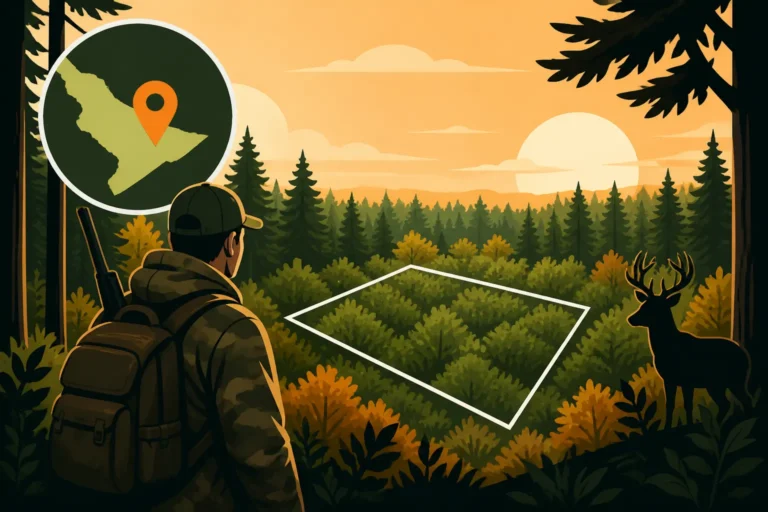
A grouse's diet changes throughout the seasons, but certain food sources are perennial magnets. In early fall, look for berry-producing shrubs like wild raspberries, blueberries, dogwood, and hawthorn. The fruit provides essential energy before winter. As the season progresses and berries disappear, grouse shift their diet to buds, particularly the catkins of aspen and birch. These tree species are therefore incredibly important. Scout for roadsides lined with younger aspen and birch trees, as their buds are more accessible. Additionally, grouse will scratch around in the dirt and leaf litter for insects, grubs, and other invertebrates, especially during warmer periods. The gravel edges of bush roads themselves offer access to grit, which aids their digestion, so don't overlook areas where the road meets dense vegetation, creating a natural transition for feeding birds. When scouting, you can use mapping tools like GoHunt to pinpoint areas with suitable tree species and recent logging activity, which indicates regenerating habitat.
Understanding Seasonal Movements and Road Preferences
Grouse behaviour along bush roads isn't static; it changes with the seasons and even the time of day. In the early season (September), when foliage is dense, birds often hug the very edge of the road, sometimes even venturing onto the road itself, especially early morning or late afternoon, to dust or sun themselves. As the leaves fall in October and November, their visibility increases, and they tend to become more cautious, often flushing from deeper within the cover. During these later months, they might still be near the road for food but will typically retreat quickly into the densest pockets of cover. In periods of rain or heavy dew, they might avoid very wet vegetation and prefer drier spots, potentially even the open road. Conversely, on dry, dusty days, they’ll seek out those damp, shaded areas or dusting bowls to clean their feathers. Knowing these tendencies helps you predict where to focus your attention and how to adjust your approach based on the weather and the time of year.
Essential Gear for an Effective Roadside Grouse Hunt
While grouse hunting on bush roads doesn't require a mountaineering expedition's worth of gear, having the right equipment makes a world of difference. It’s about being comfortable, prepared, and safe, allowing you to focus on the hunt itself rather than wrestling with ill-fitting boots or a cumbersome shotgun.
Choosing the Right Shotgun and Ammunition
For ruffed grouse, a lightweight, fast-swinging shotgun is your best friend. Most hunters opt for a 20-gauge or 12-gauge, but even a 28-gauge or .410 can be effective in the tight quarters of bush roads, especially if you're a good shot. Double barrels (side-by-side or over-under) are popular for their quick second shot, while pump actions and semi-autos offer more capacity. The key is finding a gun you can shoulder quickly and naturally point. Choke selection is usually on the more open side – improved cylinder or modified are popular choices – to give you a wider pattern for those fast, close-range flushes. As for ammunition, #7.5 or #8 lead shot is typically sufficient for grouse. Lighter loads are often preferred as they reduce recoil and are more than adequate for these relatively small birds. Remember, you’re often shooting at close range, and a heavy magnum load is overkill and can damage the bird. Always ensure you're using legal shot for your area, though generally, lead shot is permissible for upland game in Ontario.
Footwear, Clothing, and Personal Comfort
Comfort and practicality are paramount. For footwear, waterproof boots are non-negotiable. Even on dry days, bush roads can have puddles, mud, or damp ditches, and wet feet will quickly ruin your hunt. Look for boots that provide good ankle support, as uneven terrain, hidden roots, and rocks are common. As for clothing, layers are key. Fall weather in Ontario can be unpredictable, swinging from frosty mornings to warm afternoons. A good base layer, an insulating mid-layer (like fleece), and a durable, water-resistant outer shell will keep you comfortable. Blaze orange is mandatory in certain seasons for big game hunting, and while not always strictly required for small game, it's always a good idea for visibility and safety, especially when others might be hunting deer or moose in the same areas. Remember that bush roads can be rough, and you might find yourself pushing through thick brush, so choose durable fabrics that can withstand snags and tears.
Navigation Tools and Safety Equipment
Even seemingly straightforward bush roads can lead to confusing networks, especially if you venture off them to follow a bird. A reliable GPS device or a smartphone app with offline mapping capabilities, like GoHunt or other topographic apps, is essential. Mark your vehicle's location and any promising areas. A physical compass and map are also smart backups, just in case technology fails. Always carry a small first-aid kit for minor cuts, scrapes, or blisters. A whistle can be used to signal for help if you get turned around or separated from your hunting partners. Furthermore, ensure you have sufficient water and snacks, a fully charged phone, and perhaps even a portable charger. If you're heading into truly remote areas, a satellite communicator might be a wise investment, allowing you to send messages and trigger an SOS even without cell service. Don't forget a sharp knife for field dressing, game bags to keep your harvest clean, and a small cooler in your vehicle for transport.
Proven Strategies for Flushing and Bagging Grouse
Grouse are often referred to as "feathered rockets" for good reason. They can be incredibly fast and unpredictable, making them a challenging target. However, with the right approach and a keen eye for detail, you can significantly improve your chances of putting these delicious birds in the bag.
"Road Hunting" Techniques: Driving and Walking
"Road hunting" for grouse in Ontario isn't about driving at highway speeds with your shotgun out the window – that's illegal and incredibly dangerous. It's about slowly navigating suitable bush roads, often at a crawl (think 5-10 km/h), with your eyes constantly scanning the edges. The goal is to either spot a bird walking on the road, sunning itself, or, more commonly, to anticipate where a bird might flush from the cover. When you spot a likely looking patch of cover, or if you hear a flush, pull over safely, exit your vehicle, and work the area on foot. This often means walking 20-50 yards into the bush, paralleling the road, to get a better angle or to push a bird that might have ducked deeper into the woods. Some hunters prefer to walk the entire road, especially if it’s an active logging road with fresh cuts, which is arguably the most effective way to cover ground and thoroughly work the habitat. For a really effective method, try having one hunter drive slowly while another walks 50-100 yards ahead, or have two hunters walk on opposite sides of the road, creating a pincer movement. Remember the legal requirements for carrying uncased firearms in a vehicle in Ontario, and always prioritize safety. You can learn more about specific rules in the Ontario Hunter Education Requirements guide.
Reading the Signs: Droppings, Dusting Bowls, and Tracks
Grouse leave behind clues for the observant hunter. Keep an eye out for fresh droppings, which are often cylindrical and dark. Finding a concentration of these can indicate a roosting or feeding area. Dusting bowls are another tell-tale sign – these are small, shallow depressions in dusty or sandy soil, often at the edge of the road, where grouse have wallowed to clean their feathers. Fresh tracks in soft mud or snow can also reveal their presence and direction of travel. Pay close attention to areas where different habitat types converge, like a young aspen stand meeting an old growth pine forest, or where a dense cedar swamp abuts a gravel road. These "edges" are high-traffic areas for grouse. Additionally, if you see a small patch of feathers, it could indicate a recent predator kill or a successful hunter, suggesting grouse are definitely in the area. Learning to interpret these subtle signs can greatly narrow down your search and increase your efficiency, helping you focus your efforts on the most promising spots.
The Unbeatable Advantage of a Good Bird Dog
While many grouse are taken by "walk-up" hunters without dogs, there's no denying the incredible advantage a well-trained bird dog provides. A pointing dog, like a German Shorthaired Pointer or English Setter, will scent a bird, lock up on point, and hold it, allowing the hunter to move into position for a shot. This transforms the chaotic flush into a controlled situation, greatly increasing your shot opportunities and recovery rates. Flushing dogs, such as various spaniel breeds, are also highly effective, pushing birds out of dense cover that you might otherwise walk past. They are invaluable for busting through thick tangles that human hunters find difficult to penetrate. A dog's nose can find birds that would otherwise go undetected, drastically improving your success. Beyond just finding birds, a good retriever will also track down downed birds in thick cover, preventing lost game. If you're serious about upland bird hunting, investing time in training a bird dog or hunting with a friend who has one can be a truly transformative experience. Consider checking out resources on Using a Pointing Dog in Ontario Cover or Using a Flushing Dog in Thick Bush for more detailed insights.
Timing Your Ontario Ruffed Grouse Adventure
The timing of your grouse hunt can significantly influence your success, as bird behaviour, cover density, and access conditions change throughout Ontario's long small game season. Understanding these shifts will help you plan your excursions and adapt your tactics.
Early Season Opportunities
Ontario's ruffed grouse season typically opens in September (check your local WMU for exact dates, as they can vary slightly). This early season presents unique opportunities and challenges. The dense foliage provides excellent cover for grouse, making them harder to see but also potentially less wary if you approach quietly. Birds are often still scattered, feeding heavily on berries and insects, and may not be concentrated in specific areas yet. Roadsides with abundant berry bushes will be prime spots. Hunting is often best early in the morning or late in the afternoon when birds are most active. The weather can still be quite warm, so dressing in light layers and carrying plenty of water is essential. The benefit of early season is often less hunting pressure and birds that haven't been educated by relentless human interaction. However, the thick cover means you might only get a fleeting glimpse, requiring quick reflexes. For more specifics, refer to Ontario Ruffed Grouse Season Dates.
Mid-Season Challenges and Rewards
As October rolls in and the leaves begin to turn and fall, Ontario's mid-season grouse hunting truly shines. While the initial burst of foliage might make spotting difficult, by mid-October, many leaves have dropped, opening up the understory and making birds more visible. This is often when grouse start to concentrate more, especially near stands of aspen and birch where they feed on buds. However, this increased visibility also means birds are warier; they're quicker to flush and often do so further away from the road. This is the time to really slow down, use your hearing as much as your sight, and be ready for those explosive flushes. Mid-season also often brings cooler, crisper weather, making for more comfortable walking and allowing dogs to work more effectively. This period can be incredibly rewarding, offering classic upland bird hunting experiences with vibrant fall colours. Many hunters find that this is the sweet spot for the best balance of bird numbers, weather, and visibility.
Late Season Tactics
Once November arrives, especially if snow begins to fall, the late season offers a distinct type of grouse hunting. Birds are now heavily concentrated in thick, thermal cover, often near evergreens or in the densest alder swamps. They'll be almost exclusively feeding on buds, especially aspen catkins. The snow makes tracks highly visible, allowing you to often pinpoint exactly where birds are feeding or crossing. It also makes for quieter walking, but also makes birds more alert to movement. On sunny, mild late-season days, birds might still be seen dusting in the gravel. However, during cold, windy, or very snowy periods, they'll hunker down in the thickest cover, making them tough to flush without a dog. This is when long stretches of seemingly barren bush road might suddenly hold a dozen birds in a prime piece of habitat. Persistence is key, and focusing on areas that provide both food and excellent winter cover, such as a Hunting a Cedar Swamp Edge or a Hunting a Pine Plantation Edge, will yield the best results.
| Season | Key Characteristics | Typical Grouse Behaviour | Hunting Strategy |
|---|---|---|---|
| Early Fall (Sept-Early Oct) | Dense foliage, warm temps, abundant berries | Scattered, feeding on berries/insects, less wary | Slow driving/walking, focus on berry bushes, listen for flushes, be ready for quick shots. |
| Mid-Fall (Mid Oct-Early Nov) | Falling leaves, cooler temps, peak fall colours | More concentrated near bud sources, warier flushes | Work edges thoroughly, look for aspen/birch stands, use dogs if possible, anticipate longer flushes. |
| Late Fall (Mid Nov-Dec) | Sparse foliage, cold temps, possible snow, limited food | Concentrated in dense thermal cover, feeding on buds | Focus on dense conifers/alder, look for tracks in snow, expect tight flushes, may require a dog for flushing. |
Safety Considerations on Ontario Bush Roads
Hunting on Ontario’s bush roads is generally safe, but like any outdoor activity, it comes with inherent risks. Being aware of your surroundings and following best practices for safety will ensure a more enjoyable and incident-free hunt for everyone.
Sharing the Road with Other Outdoor Enthusiasts
Bush roads are not exclusively for hunters. You’ll encounter logging trucks, ATVs, dirt bikes, hikers, mountain bikers, and even other hunters. Always assume there’s someone else around the next bend. Drive slowly and defensively. If you encounter another vehicle, especially a logging truck, yield the right-of-way. Logging operations are common, and these trucks are large and fast; give them ample space. If you're walking, wear bright colours (blaze orange is excellent) to make yourself visible. Make eye contact with drivers and other road users. A simple wave or nod can go a long way in fostering good relations. Remember, we all share these public spaces, and respectful interaction helps ensure continued access for everyone. Be mindful of noise too; loud music or aggressive driving can disturb wildlife and other outdoor enthusiasts.
Crucial Firearms Handling and Awareness
Safety with your firearm is paramount, especially when moving in and out of a vehicle or walking along a road. In Ontario, all firearms must be unloaded when transported in or on a vehicle, and if the vehicle is in motion or stopped, the firearm must be encased. Never have a loaded firearm in your vehicle. When you exit your vehicle to pursue a flushed bird, always keep the muzzle pointed in a safe direction. Treat every firearm as if it's loaded. Be absolutely certain of your target and what lies beyond it. When hunting with partners, maintain safe spacing and always know where everyone is. Never swing your muzzle across another hunter. The excitement of a flushing grouse can be intense, but proper firearm handling must be second nature. Always apply the safety until you are ready to shoot, and only load your gun when you are actively hunting and clear of any vehicles. For a comprehensive overview of rules, refer to Legal Firearms and Bows for Big Game, though it’s wise to also consult the small game regulations.
Preparing for Remote Conditions and Emergencies
Many of Ontario's bush roads lead into remote areas with little to no cell service. Before you go, tell someone where you're heading and when you expect to return. This "trip plan" is critical. Pack a robust emergency kit: first aid, extra food and water, a fire starter, a flashlight, and a survival blanket. A detailed map and compass (and knowing how to use them) are essential backups to any GPS device. If you plan to hike off-road, consider carrying a satellite communication device for emergencies. Be aware of the local wildlife – bears and moose are present in many grouse hunting areas. Make noise when walking in dense cover to avoid surprising an animal. If you get turned around, stay calm, consult your map, and retrace your steps. If you're truly lost, stay put and signal for help. Understanding how to What to Do If You Get Turned Around can be life-saving. Don't underestimate Ontario's wilderness, even along its roadsides.
Processing Your Grouse and Post-Hunt Tips
The hunt doesn't end when the bird hits the ground. Proper care of your harvest ensures that the delicious meat makes it to your dinner plate in prime condition, honoring the effort and the bird.
Field Dressing Your Bird
Field dressing a grouse is quick and simple, especially compared to bigger game. The goal is to cool the bird down as quickly as possible to prevent spoilage. There are a couple of popular methods. Many hunters opt to simply pluck or skin the breast right there in the field, leaving the rest of the carcass. This is efficient and provides the best meat quickly. To do this, simply make an incision through the skin and breastbone, peel back the skin, and then detach the breast meat. Another method is to "gut" the bird by making a small incision near the vent, removing the internal organs, and then packing the cavity with grass or leaves to promote airflow. This helps cool the bird faster, especially on warmer days, and keeps the meat clean. Whichever method you choose, make sure your hands are clean, and you have a sharp knife. Dispose of the offal respectfully, away from roads and trails.
Care and Transporting Your Harvest
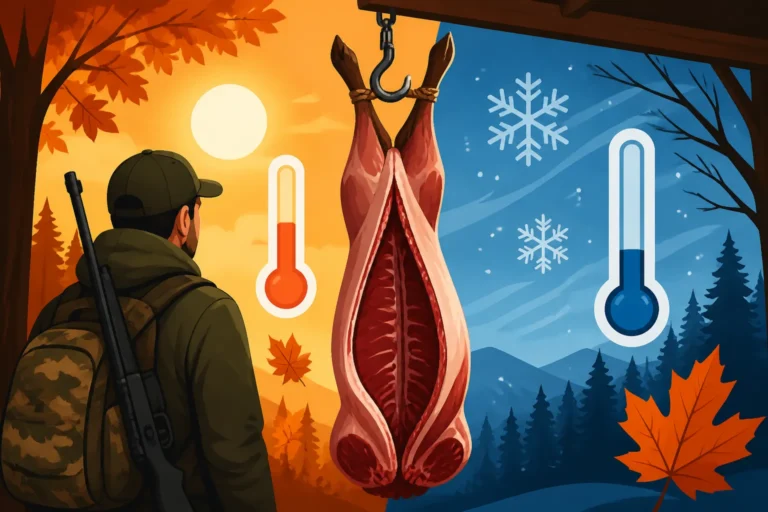
Once field dressed, the immediate priority is to keep the bird cool and clean. If it's a cool autumn day, a game bag or even a simple plastic bag (unsealed to allow air circulation) will suffice for a short period. However, on warmer days, you'll want to get your grouse into a cooler with ice as soon as possible. The goal is to prevent bacterial growth, which begins rapidly at warm temperatures. Avoid piling birds directly on top of each other in a closed container, as this traps heat. If you're using a cooler, place the birds on top of the ice or in a separate container within the cooler to avoid them sitting directly in meltwater. Ensure your game bags are breathable. When you get home, if not processing immediately, store the whole birds or breasts in the refrigerator, ideally on a rack to allow air circulation, or freeze them. Remember the legal requirements for evidence of sex and species when transporting game in Ontario – often, a wing or head must remain attached until the bird is at your ordinary residence.
Cooking Your Wild Grouse
Ruffed grouse meat is lean, tender, and has a delicate, slightly earthy flavour that is truly exquisite. It's often compared to pheasant or even a lean chicken. The breasts are the most commonly harvested part, but the legs and thighs are also delicious, though tougher, and benefit from slower cooking methods like braising. Simple preparations often highlight the natural flavour best. Pan-searing the breasts quickly in butter or olive oil with some herbs like thyme or sage, perhaps deglazing with a splash of white wine, is a classic. They cook very fast due to their leanness, so be careful not to overcook them, or they will dry out. Grouse also makes excellent additions to stews, pot pies, or roasted whole (if you keep the entire bird). Pair it with wild rice, roasted root vegetables, or a simple green salad for a meal that celebrates your successful hunt in Ontario's beautiful wilderness. There’s a profound satisfaction that comes from enjoying game you've harvested yourself, connecting you directly to the land and its bounty.
Disclaimer
Please note that hunting regulations, seasons, and licensing requirements in Ontario are subject to change. It is your responsibility as a hunter to consult the most current official Ontario Hunting Regulations Summary, available from the Ministry of Natural Resources and Forestry (MNRF), before embarking on any hunting trip. This guide provides general information and should not be considered a substitute for official legal documentation.