Hunting Sharp-Tailed Grouse Country
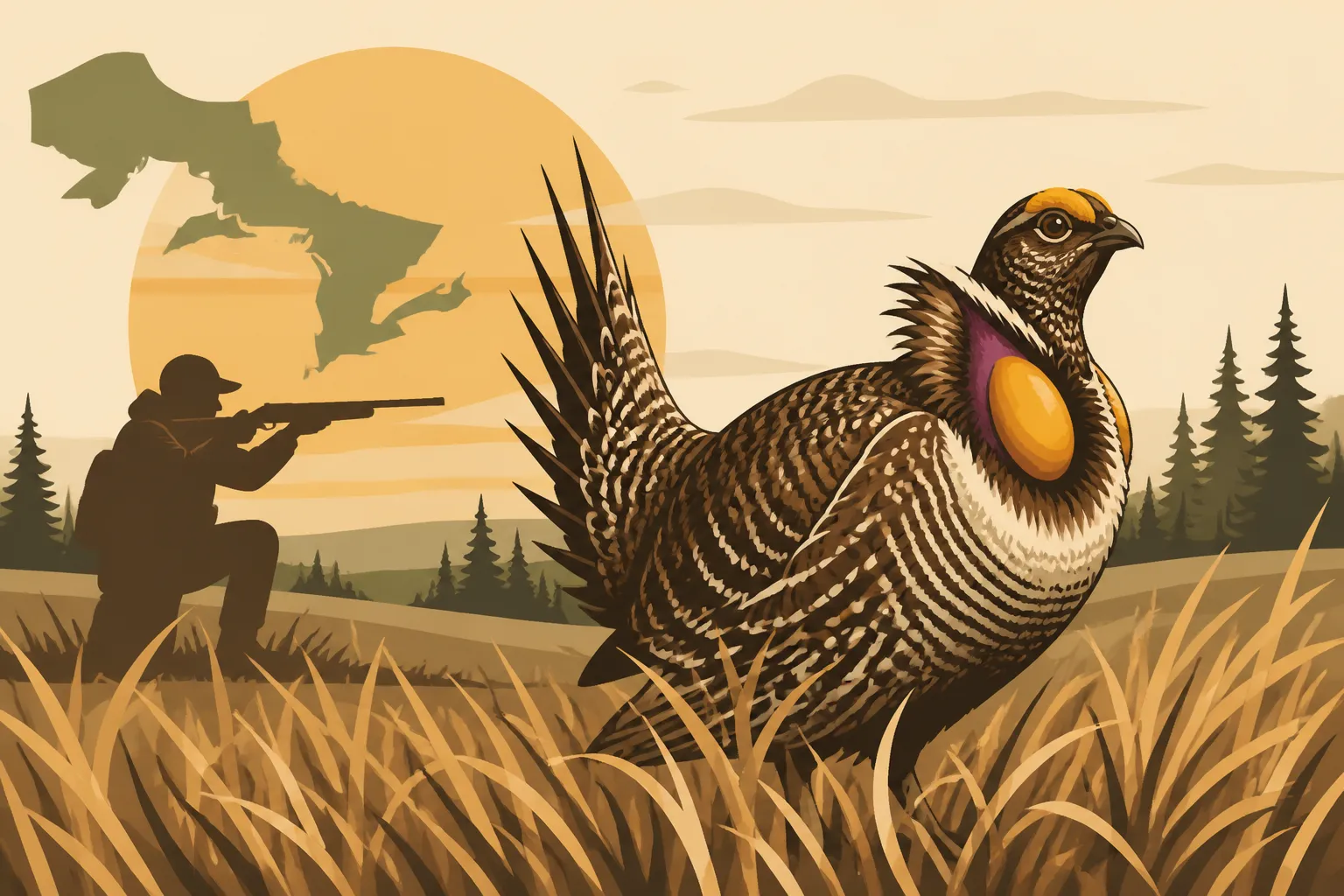
Finding sharp-tailed grouse in Ontario can feel like searching for a needle in a haystack for many hunters. Unlike their ruffed grouse cousins that seem to pop up everywhere, sharp-tails are a bit more particular about where they call home, and their numbers are certainly not as widespread. This guide is dedicated to helping you unravel the mystery of hunting sharp-tailed grouse, covering everything from pinpointing their preferred habitats to mastering the techniques needed to successfully pursue these unique upland birds in Ontario.
Understanding Sharp-Tailed Grouse Habitat in Ontario
Sharp-tailed grouse, often called "sharptails" by those who pursue them, are truly a bird of open country and transitional zones. They aren't going to be hiding in dense, mature hardwoods like a ruffed grouse, nor are they strictly confined to the deepest conifer bogs where you might find a spruce grouse. Their preference leans towards areas that blend grasslands, scattered shrubs, and regenerating forest edges. This specific taste in habitat is a big reason why they can be so localized and, at times, frustratingly hard to find if you're not in the right spot.
Ideal Terrains and Cover Types
When you're thinking about where to find sharp-tails, picture areas that have seen some disturbance, whether natural or man-made, that has opened up the canopy. Old farm fields that are reverting to bush, clear-cuts that are 3-10 years old and have a good mix of saplings and grasses, or natural prairies and alvars (though these are much rarer now) are prime examples. They thrive in areas where taller trees are sparse, allowing for good visibility but still offering plenty of brushy cover for protection and food. Think of it as a mosaic of short grass, scattered taller grasses, small shrubs like willow, cherry, and aspen, and open pockets.
In Ontario, this often means looking at the edges of the boreal forest, especially where logging has created new growth or where old agricultural lands meet the bush. You might find them along hydro lines or gas pipeline corridors where the land is kept clear of dense tree growth, fostering those brushy, open conditions. It’s a distinct habitat compared to where you might be Hunting Ruffed Grouse on an Ontario Bush Road. These birds need room to perform their elaborate mating dances in the spring (on what are called leks), and then throughout the rest of the year, they need that mix of open ground for feeding and thicker pockets for roosting and escaping predators.
Essential Food Sources and Water
Sharp-tailed grouse are primarily herbivores, with their diet shifting seasonally. In the spring and summer, they feast on green vegetation, insects, seeds, and berries. As fall approaches and into winter, their diet becomes more reliant on buds and catkins from trees like aspen, birch, and willow. This makes areas rich in these deciduous trees, especially in their early successional stages, absolutely critical. If you're scouting, look for patches of aspen saplings or willow thickets, particularly near a water source like a small stream, pond, or even just a low, marshy area.
During the colder months, access to these specific food sources becomes even more important. A south-facing slope with good sun exposure can offer a reliable food source later into the season. You'll often find them dusting in sandy areas or along old logging roads, which also provides grit for digestion. Understanding their seasonal diet helps narrow down your search. If you can identify areas with abundant willow buds in late fall, for instance, you're likely on the right track. This kind of detailed scouting is where tools like GoHunt can really shine, allowing you to examine satellite imagery for those specific habitat features before you even step foot in the bush.
When and Where to Find Sharp-Tailed Grouse in Ontario
Hunting sharp-tailed grouse isn't a "drive around and shoot a bird off the road" affair in most of Ontario, though you might occasionally get lucky in very remote areas. These birds are concentrated in specific regions, and knowing the provincial season dates is paramount. Unlike the widespread ruffed grouse, sharptails are much more localized, requiring a targeted approach.
Season Dates and Specific WMUs
Ontario's small game season generally opens in September, and that includes sharp-tailed grouse. Specific dates can vary slightly year to year and by Wildlife Management Unit (WMU), so always consult the current Ontario Hunting Regulations Summary before heading out. However, what's consistent is that sharp-tailed grouse seasons are often shorter or more restricted than ruffed grouse seasons, reflecting their more delicate population status. For example, some WMUs might have a season, while others directly adjacent to them might not, or might have specific harvest limits.
The key to finding them is focusing on the few WMUs where they are known to exist in huntable numbers. These tend to be in northern and northwestern Ontario, where the habitat conditions are most favourable – large expanses of regenerating forest, old agricultural clearings, and the fringes of the boreal forest. Areas around towns like Dryden, Kenora, and Fort Frances are historically known to hold pockets of sharp-tails. Using resources like GoHunt to pull up WMU maps and cross-reference them with historical sightings or habitat data can be incredibly valuable in planning your trip. It's not a bird you'll find in southern Ontario's farmland, nor typically deep in the shield country that dominates much of central Ontario. This bird is truly a creature of the northern transitional zones. Always be aware of Ontario Game Bird Seasons and Limits to ensure you're hunting legally and responsibly.
Pinpointing Prime Cover Types
Once you've identified a promising WMU, it’s time to get down to the nitty-gritty of pinpointing actual cover. As discussed, sharp-tails love those early successional areas. Think of recent clear-cuts (typically 3-10 years post-harvest) where aspen, birch, and willow are aggressively regenerating. Look for areas with a mix of dense shrubs and more open, grassy patches – ideal for their feeding and loafing habits. Old logging roads that cut through these areas are natural travel corridors and often have edges that provide perfect habitat.
Using aerial imagery or topographic maps is crucial. Look for clear-cut blocks, power line easements, or areas marked as "reforestation" or "regeneration." These are the places that are most likely to hold the birds. A good strategy is to find a promising area on a map, then focus your boots-on-the-ground scouting on the edges of these clearings, where they meet denser timber, or along the internal fingers of cover. Don't be afraid to walk deep into these regenerating cuts; the birds often aren't right on the road. This also applies to Hunting an Old Logging Road in the North which can be fantastic for access and locating birds. They are looking for security and food, and often those deeper pockets provide it better than the immediate roadside.
Essential Gear and Techniques for Sharp-Tail Hunting
Successful sharp-tailed grouse hunting, like any specialized pursuit, hinges on having the right gear and knowing how to use it. These birds aren't pushovers, and the terrain you'll be covering often requires specific considerations for both comfort and effectiveness.
Shotguns, Ammunition, and Chokes
For sharp-tailed grouse, a fast-swinging, lightweight shotgun is generally preferred, given that most shots will be on flushing birds in semi-open to moderately thick cover. A 12-gauge or 20-gauge over-and-under, side-by-side, or semi-auto with 26- to 28-inch barrels is ideal. The 20-gauge often gets the nod for its lighter weight, which is appreciated after miles of walking, without sacrificing much knockdown power on these medium-sized birds.
As for ammunition, standard upland loads with shot sizes 6 or 7.5 are typically sufficient. If you expect longer shots in more open country, you might lean towards 6s. If the birds are flushing tight, 7.5s will give you a denser pattern. Choke selection is critical: Modified or Improved Cylinder are excellent choices for the first shot, offering a good balance of spread and density. If you have an interchangeable choke system, a more open choke like Skeet or Cylinder might be beneficial for the first barrel in really dense spots, followed by an Improved Cylinder or Modified for a second, longer shot. Remember, especially if you plan to hunt near water or other sensitive areas, checking if Non-Toxic Shot Requirements for Waterfowl apply is a good habit, though generally not mandated for upland birds.
Dogs: The Ultimate Sharp-Tail Partner
While you can certainly hunt sharp-tails without a dog, a good bird dog dramatically increases your success rate and overall enjoyment. Pointers, setters, and versatile breeds like German Shorthaired Pointers or Brittanys are absolute rock stars in sharp-tail country. Their ability to cover ground, scent birds from a distance, and hold a solid point allows you to get into position for a shot. Without a dog, these birds often flush wild, far out of range.
A well-trained dog will work the edges of cover, investigate pockets of brush, and lock up when they hit scent, giving you the heads-up. After the flush and shot, a retrieving dog is invaluable for finding downed birds in thick cover, preventing lost game. Given the sparse nature of sharp-tail populations in many areas, losing a bird due to poor retrieval is particularly disheartening. A dog also adds an incredible layer to the hunting experience, turning what can be a grueling trek into a cooperative effort between hunter and canine.
Scouting Tools and Navigation
Effective sharp-tailed grouse hunting demands thorough scouting, often done remotely before you even leave home. This is where modern technology truly shines. Satellite imagery through platforms like GoHunt is indispensable. You can virtually explore potential hunting grounds, identifying clear-cuts, power lines, and transitional habitats that look promising. Look for varying shades of green indicating different stages of regrowth, or linear features that might hint at old logging roads or clearings.
Beyond initial scouting, good navigation tools are paramount when you’re on the ground, especially in sprawling northern Ontario bush. A reliable GPS unit or a smartphone with a mapping app (like GoHunt's mobile interface) is non-negotiable. Download offline maps, mark potential birdy spots, access points, and your vehicle's location. The vastness of sharp-tail country means it’s easy to get turned around, and losing your way is a serious concern. Familiarize yourself with Scouting With Satellite Imagery in Ontario before your trip to maximize your efficiency in finding prime locations. Always carry a compass and a physical map as a backup, and know how to use them.
Hunting Strategies for Sharp-Tailed Grouse
Sharp-tailed grouse can be tricky birds, capable of flushing far out or holding tight until the last second. Developing a multi-faceted strategy and adapting to the conditions on the ground is key to success.
Walking the Edges and Working Cover
Sharptails are creatures of edges and mosaics. Don't just walk blindly through the middle of a clear-cut. Instead, focus your efforts on the transition zones where different habitat types meet. This could be the edge of a regenerating clear-cut where it abuts a mature forest, along the fringes of a willow thicket bordering an open field, or the interface between dense saplings and more open, grassy patches. These are the highways and dinner tables for sharp-tails.
When working these areas, try to move with the wind in your face if possible, allowing your dog to scent birds more effectively. Walk at a steady, deliberate pace, pausing occasionally. Birds often get nervous and will flush when they perceive a break in your rhythm. If you're hunting without a dog, this "stop and go" technique can sometimes make birds flush that might have otherwise held tight. Pay close attention to any changes in cover density – a small clump of taller shrubs or a depression in the terrain might be just enough to hold a bird or a covey.
Strategic Drives and Flushes
In larger clear-cuts or continuous stretches of sharp-tail habitat, employing strategic drives can be highly effective, especially with a small group of hunters. One or two hunters can act as "blockers," positioning themselves quietly at the downwind or far end of a likely cover patch. Meanwhile, one or two "drivers" will slowly and methodically walk through the cover towards the blockers. This puts pressure on the birds to flush, often directing them towards the waiting guns.
This method is particularly useful in larger blocks of regenerating forest or old fields that have grown in densely. Communication is crucial to ensure safety and effectiveness. Handheld radios can be invaluable for coordinating movements. Remember to always maintain clear sight lines and be absolutely sure of your target and what lies beyond before taking a shot. This is a common strategy in many upland hunts and can be adapted from methods used when Hunting Small Game in Ontario more generally.
Reading Sign and Tracking Movement
While a good dog is excellent for finding birds, a keen eye for sign can also pay dividends. Look for sharp-tail tracks in dusty roads or soft soil, especially around potential watering holes or dusting areas. Droppings can also indicate recent bird activity. Sharp-tail droppings are generally larger than ruffed grouse, often cylindrical and greyish or brownish, sometimes containing berry seeds or bud fragments.
Beyond physical sign, understanding how sharp-tails use the landscape is key. On cold, windy days, they might seek shelter in denser cover or on the lee side of a ridge. On warm, sunny days, they might be found dusting in open areas or sunning themselves. Observing their daily patterns and preferences, perhaps through repeated visits to an area, can help you predict their movements. Knowing what to look for and how to interpret it is a skill that develops over time, and a tool like GoHunt can help you visualize the terrain's features that might influence these movements.
Processing and Field Care for Your Sharp-Tailed Grouse
Successfully harvesting a sharp-tailed grouse is just one part of the equation; proper field care ensures the meat is delicious and doesn't go to waste. Given that many sharp-tail hunts happen in more remote, northern regions, knowing how to process your bird quickly and efficiently is crucial.
Field Dressing and Cooling
As soon as you harvest a sharp-tailed grouse, the priority should be to cool the bird down. This is especially critical in early season hunts when temperatures can still be quite warm. The simplest and most effective method is to field dress the bird immediately. This involves removing the entrails through a small incision. You can either pluck a few feathers around the vent and make a small cut to remove the organs, or, if you plan to breast out the bird, you can simply do that on the spot.
For those who prefer to pluck and roast the whole bird, carefully remove the entrails, being mindful not to puncture the gut. Once the cavity is clean, allow air to circulate. If you're carrying a game bag, place the bird in it, ensuring it's not crushed or piled up, which can hinder cooling. On a hot day, keeping the bird in the shade and allowing any residual body heat to dissipate before packing it away is vital. This is similar to best practices for Field Dressing in Warm Ontario Weather for larger game, scaled down for birds.
Transporting Your Harvest
Once field dressed and cooled, how you transport your sharp-tailed grouse back to camp or home is important for maintaining meat quality. Avoid simply tossing birds into a plastic bag where heat can build up and spoil the meat. Instead, use a breathable game bag, a mesh bag, or even wrap them in natural materials like leaves if you're in a pinch (though a dedicated game bag is best).
If you have a cooler, pack the birds on ice. For longer trips, consider freezing water bottles or gel packs to keep the cooler cold without making the birds soggy. If you're camping in a remote area for several days, keeping the birds cool can be a challenge. In cooler fall weather, hanging them in a shaded, airy spot can work for a day or two, but always monitor the temperature and conditions. The goal is to keep the meat chilled, not frozen, until you can properly process it further.
Breast Fillets Versus Whole Bird
When it comes to preparing sharp-tailed grouse, you have a couple of options: breasting out the bird or taking the whole bird. Many hunters opt for breast fillets as they are easy to remove, clean, and cook. To breast out a sharp-tail, simply lay the bird on its back, pull the skin back from the breastbone, and run your knife along each side of the breastbone, peeling the meat away from the rib cage. You'll get two beautiful fillets this way.
If you prefer to pluck and cook the whole bird, know that sharp-tailed grouse are known for their lean, dark, and flavourful meat. They are excellent roasted, braised, or pan-fried. While plucking takes more time and effort than breasting, it provides the added flavour and moisture from the skin and bones. Regardless of your choice, remove any remaining shot or damaged meat. A quick rinse and pat dry, then a proper seal in freezer bags if you're not cooking them right away, will ensure your hard-earned harvest is a delicious meal.
Conservation and the Future of Sharp-Tailed Grouse in Ontario
Hunting sharp-tailed grouse in Ontario isn't just about the thrill of the chase; it's also deeply tied to conservation efforts. These birds, while providing a challenging and rewarding hunting experience, are not as numerous or widespread as they once were, making their sustainable management a critical concern for all upland bird enthusiasts.
Population Status and Decline Factors
Sharp-tailed grouse populations in Ontario have experienced declines over the past century, primarily due to habitat loss and fragmentation. As agricultural practices changed and vast tracts of land either reverted to mature forest or were developed, the mosaic of grasslands and early successional habitats that sharp-tails depend on diminished significantly. Unlike their more adaptable ruffed grouse cousins, sharp-tails are quite specific in their habitat needs, which makes them more vulnerable to these changes.
While precise population counts can be challenging, the general trend indicates localized populations, often in decline or stable at low numbers, rather than widespread abundance. Factors such as predation, harsh winters, and limited genetic diversity in isolated pockets can also play a role. Understanding this context helps hunters appreciate the privilege of pursuing these birds and emphasizes the importance of ethical hunting practices and contributing to conservation initiatives.
Habitat Restoration and Management Efforts
The key to the long-term survival and potential expansion of sharp-tailed grouse populations in Ontario lies in active habitat restoration and management. This involves creating and maintaining the specific early successional, grassland-shrubland mosaic they require. Efforts often include controlled burns, selective logging to create clear-cuts that regenerate into suitable cover, and the restoration of native grasslands where feasible.
Organizations dedicated to wildlife conservation, often in partnership with government agencies like the Ministry of Natural Resources and Forestry (MNRF), are crucial players in these initiatives. Hunters themselves can contribute by supporting these organizations, participating in habitat workdays, and advocating for land management practices that benefit sharp-tails and other early successional species. Every effort to create or maintain suitable habitat, no matter how small, helps ensure that future generations can also enjoy Hunting Sharp-Tailed Grouse Country in Ontario. Using tools like GoHunt to identify potential habitat improvement areas or connect with land managers involved in these efforts can be a proactive way to get involved.
The Hunter's Role in Sustainability
As hunters, we have a vital role to play in the sustainable management of sharp-tailed grouse. This begins with strict adherence to regulations, including bag limits and season dates, which are set to ensure sustainable harvest levels. It also means taking accurate shots to minimize crippling losses and making every effort to retrieve downed birds. Responsible hunting practices ensure that our harvest is respectful and does not negatively impact the local population.
Beyond direct hunting ethics, contributing to citizen science initiatives, such as reporting sightings or harvest data when requested, provides valuable information to wildlife biologists. Advocating for habitat preservation and restoration, and educating others about the unique needs of sharp-tailed grouse, helps foster a broader understanding and appreciation for these birds. Ultimately, the future of sharp-tailed grouse hunting in Ontario rests on a collective commitment to conservation, ensuring these beautiful birds continue to grace our northern landscapes for years to come.
| Aspect | Sharp-Tailed Grouse | Ruffed Grouse | Spruce Grouse |
|---|---|---|---|
| Primary Habitat | Open grasslands, regenerating clear-cuts (3-10 yrs), brushy edges, hydro lines | Young deciduous/mixed forests, dense thickets, old logging roads, creek bottoms | Dense coniferous forests (spruce, fir), bog edges, boreal forest |
| Preferred Food | Seeds, berries, insects (summer); buds, catkins (aspen, willow, birch) (fall/winter) | Buds (poplar, birch), catkins, berries, clover, insects | Spruce needles, conifer buds, conifer needles, berries, insects |
| Flight Pattern | Strong, swift flight; often flushes in groups; may glide long distances | Explosive, short bursts; often flies into dense cover | Slow, deliberate flight; often holds tight, easy to approach |
| Geographic Range | Primarily northern/northwestern Ontario, localized populations | Widespread across most of Ontario, common | Northern Ontario, less common, often in remote boreal areas |
| Hunting Style | Best with wide-ranging dogs; covering large, open-ish areas; strategic drives | Flush hunting; working thick cover; still-hunting | Often walk-up hunting; found in very dense conifer stands |
| Typical Behaviour | Often found on ground, open perches; leks for mating; can be wary | Drums on logs; often solitary or small family groups; can be skittish | Very tame, often referred to as "fool hen"; not prone to flushing |
Disclaimer
Please remember that hunting regulations, season dates, and specific rules can change. Always consult the most current Ontario Hunting Regulations Summary, available from the Ministry of Natural Resources and Forestry (MNRF), before planning any hunt. This guide is for informational purposes only and should not be considered a substitute for official government documentation. Stay safe, hunt ethically, and respect the land and its wildlife.