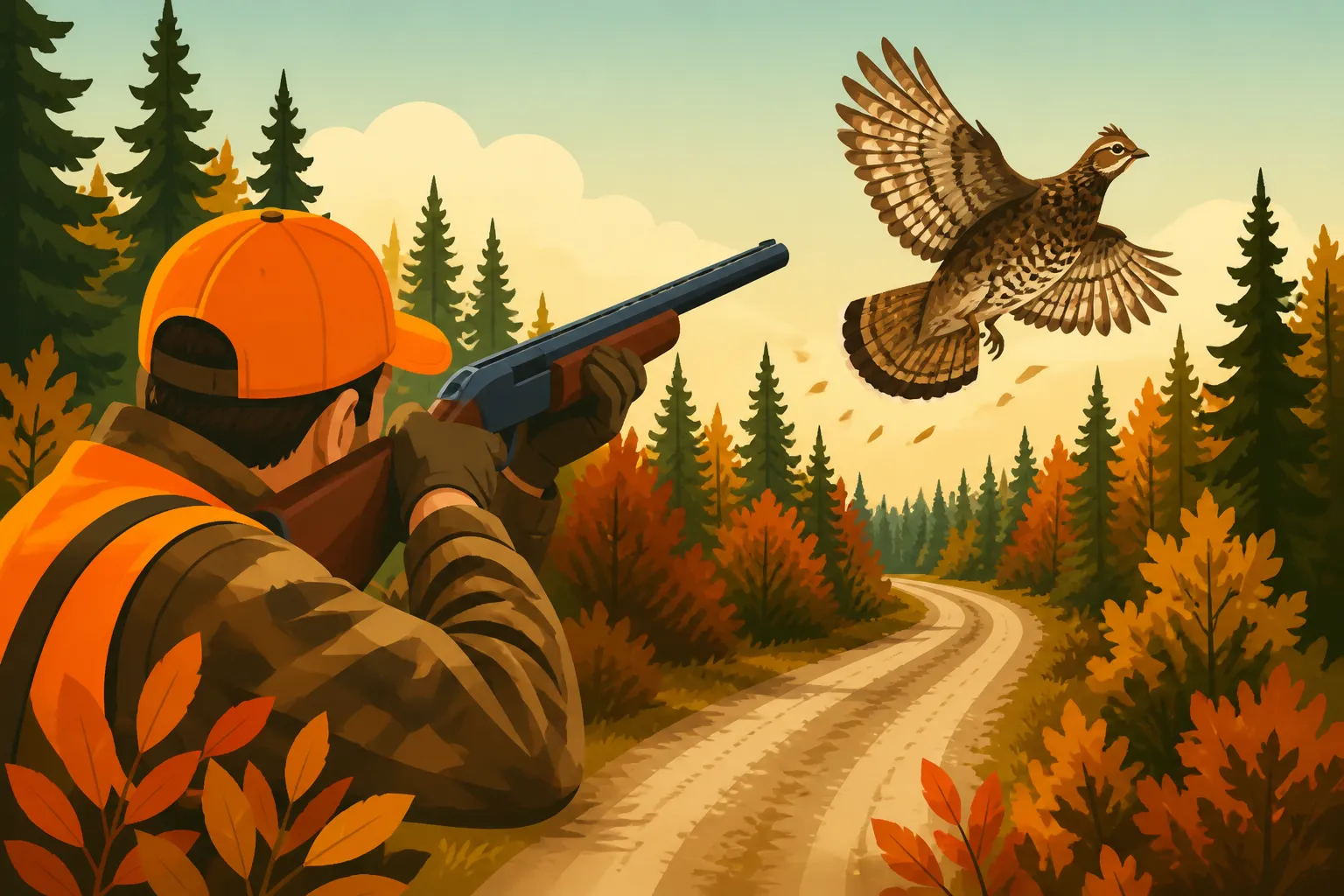
Hunting Ruffed Grouse on an Ontario Bush Road
For many hunters, especially those new to the pursuit or just looking for a more relaxed outing, finding Ruffed Grouse can feel like a game of hide-and-seek without any clear rules. You hear tales of flushing birds, but where do you even start? This guide will walk you through the practical, no-nonsense approach to consistently finding and harvesting Ruffed Grouse right from Ontario's extensive network of bush roads, offering actionable steps to make your next hunt a success.
Understanding the Ruffed Grouse and Its Habitat on Bush Roads
Ruffed grouse, often affectionately called "partridge" by many Ontario hunters, are masters of camouflage and notorious for their explosive flushes. But they’re not as random as they seem; these birds have very specific habitat preferences that often align perfectly with what you find along our bush roads.
Why Grouse Love Bush Roads
Bush roads, whether actively used logging roads or old, overgrown trails, create a fantastic "edge habitat" that grouse simply can't resist. Think about it: they offer easy access to crucial resources. Firstly, these clearings allow sunlight to reach the forest floor, promoting the growth of a diverse array of plants that provide excellent food sources. You'll often find wild berries like saskatoons, raspberries, and blueberries thriving in these open areas, which are a major draw for grouse, especially in the early fall. Later in the season, as those food sources dwindle, grouse will readily feed on the buds of aspen, birch, and poplar trees, all commonly found along these same corridors.
Beyond food, roadsides also provide critical grit, which grouse need to help digest their food. Small pebbles and sand are readily available along the edges of these paths. They also use dry, dusty patches for "dusting baths" – a way to keep their feathers clean and free of parasites. The dense cover adjacent to these roads, often a mix of young poplar, alder thickets, and regenerating clearcuts, provides vital protection from predators and harsh weather, allowing them to feel secure while still having easy access to open feeding areas. When you're Hunting Ruffed Grouse on an Ontario Bush Road, you're effectively walking a grocery store aisle combined with a safe haven for these birds.
Prime Times to Find Grouse on Roads
Timing is everything when it comes to hunting grouse on roads, and understanding their daily and seasonal patterns can significantly boost your success rate.
Daily Cycles: Grouse are most active during the cooler parts of the day, typically early mornings and late afternoons into early evening. This is when they're most likely to be out feeding or dusting. If you're out there mid-day under a blazing sun, they're probably hunkered down in dense cover, digesting their meal, and much less likely to be seen or heard. On overcast or slightly drizzly days, their activity can sometimes extend longer into the day, as the cooler, damper conditions make them more comfortable.
Seasonal Shifts: The early fall, particularly September and early October, is prime time. Leaves are still on the trees, providing cover, but the young birds are growing, and families are still somewhat clustered. You'll find them actively foraging for berries. As the season progresses and leaves begin to drop, the visibility improves dramatically, both for you and for the birds. This makes them a bit more wary, but also easier to spot when they flush. By late fall, once snow starts to fly and temperatures drop, they'll be heavily relying on tree buds, making specific stands of poplar or birch along roads even more critical habitat. Knowing Ontario Game Bird Seasons and Limits will help you plan your trips effectively.
Essential Gear and Strategy for Road Hunting Grouse
You don't need a truckload of specialized gear to hunt grouse effectively, but having the right tools and a smart approach will make a world of difference.
The Right Equipment for the Job
When it comes to shotguns, the beauty of grouse hunting is its simplicity. A lightweight, fast-handling shotgun is ideal for the quick, close-range shots often presented by flushing birds. Many hunters favor a 20-gauge, which offers a good balance of light recoil and ample stopping power for these smaller birds. A 12-gauge with lighter loads (like 7.5 or 8 shot) is also a popular choice, particularly if it's your only shotgun and you want to use it for other pursuits like Waterfowl Hunting Across Ontario. The key is an open choke, like improved cylinder or skeet, which spreads the shot quickly for those close-range, reactionary shots. Don't worry about trying to reach out far; most grouse flushes happen within 20-30 yards.
For clothing, blaze orange is not just a suggestion; it's a legal requirement in Ontario during certain seasons and in specific areas when hunting small game. Always check the regulations for your specific Wildlife Management Unit (WMU), but it's a good habit to wear it regardless for safety. Comfortable, sturdy walking boots are a must. You'll be doing a lot of walking, often on uneven terrain, wet grass, or through brush along the road edges. Waterproof boots are a lifesaver, especially if you're out in the morning dew or after a light rain.
And for those who like to stay ahead of the game, leveraging modern technology like the GoHunt app can be a game-changer. While not strictly "gear" in the traditional sense, using a digital mapping tool allows you to pre-scout areas from home, identify potential habitat features like old clearcuts, dense conifer stands, or creek crossings near bush roads, and even mark potential hotspots. It's incredibly useful for navigating unfamiliar Crown land and ensuring you know where the boundaries are. When you're scouting, consider Reading an Ontario WMU Map Before You Go in conjunction with a mapping app.
Driving and Walking the Roads Safely and Effectively
Road hunting for grouse isn't just about driving around aimlessly; it's a calculated strategy that combines observation, patience, and safety.
Driving Strategy: If you're hunting from a vehicle, the absolute golden rule is to drive slowly. We're talking 10-20 km/h, max. Keep your windows down so you can hear any rustling or distant flushes. Your eyes should be scanning not just directly in front of you, but also 50-100 yards ahead and constantly sweeping the road edges for any movement. Grouse often step out onto the road to dust or pick grit, or they might be perched on a low branch near the edge. When you spot a bird, stop safely, open your door quietly, and be ready. If it flushes and flies into the bush, mark where it went. Often, they won't fly far, and a careful follow-up can yield another opportunity.
Walking Strategy: This is where you really cover ground and experience the hunt. A slow, methodical walk, often described as "still hunting," is very effective. Take a few steps, then pause. Listen. Look. Those pauses are crucial. You'll often hear a grouse before you see it, whether it's clucking, drumming, or simply rustling in the leaves. When walking, focus on the edges of the road and the dense cover that runs alongside it. If you have a partner, one can walk the road, and the other can parallel through the thinner bush line, pushing birds out. This "pincer" movement is incredibly effective, especially in areas with thicker cover. You can learn a lot by Scouting With Satellite Imagery in Ontario beforehand to identify areas where walking might be more productive than driving.
Safety Considerations: Bush roads are often active. You might encounter other hunters, recreational ATV riders, or even active logging operations. Always assume there's someone else around. Wear your blaze orange. Be mindful of where your hunting partners are. Never shoot across a main road or without a clear understanding of your backdrop. And remember, a bush road is not a firing range; ethical and safe gun handling is paramount.
Reading the Landscape and Maximizing Your Chances
Finding grouse isn't just luck; it's about understanding their preferred real estate and knowing where to focus your efforts along these accessible routes.
Identifying Productive Roadside Cover
Not all bush roads are created equal when it comes to grouse. Some will be barren, while others will be teeming with birds. The trick is to identify the "grouse magnets" – specific types of cover that consistently hold birds.
Look for areas where roads cut through or run adjacent to young poplar or aspen stands. These trees are a primary food source, especially as winter approaches and buds become essential. Alder thickets, often found in low, wet areas or along creek bottoms, are also fantastic cover. They provide dense, impenetrable protection for grouse, and birds will often burst out of them when disturbed. Abandoned clearcuts from logging operations, especially those that are 3-10 years old and regenerating with a mix of young hardwoods and shrubs, are goldmines. The diverse plant growth provides both food and cover.
Don't overlook small conifer pockets, even tiny ones, near the road. Grouse will use these for roosting, especially on cold or snowy nights, as the dense needles offer excellent thermal protection. Transition zones, where one type of forest gives way to another (say, a hardwood ridge meeting a cedar swamp edge), are also prime spots, as they offer a variety of resources within a small area. When you’re Hunting an Ontario Bush Edge, these transition zones are often key.
Ethical Considerations and Local Regulations
Being an ethical hunter is just as important as being a successful one. This means knowing and following the rules, and always showing respect for the land and other users.
Respecting Private Land: Ontario has a mix of Crown Land and private property, and it's easy to inadvertently cross boundaries on bush roads. Always be aware of your location. Utilizing apps like GoHunt that show property lines is incredibly helpful. If you encounter "No Trespassing" signs, respect them. Getting permission for private land can open up more opportunities, but it requires diligent door-knocking or relationship-building, as detailed in our guide on Knocking on Doors in Southern Ontario.
Road Hunting Etiquette: While "road hunting" is a term often used, it's generally about using the roads for access to hunting areas or observing birds from the road, not typically shooting from inside a moving vehicle. Always ensure you are on legal ground, have a clear shot, and a safe backdrop. Proper shot placement, aiming for the bird's body, ensures a quick, humane kill. Don't take risky shots at birds flushing into dense cover where recovery would be difficult or impossible.
Licensing and Limits: Before you even head out, ensure you have your Ontario's Outdoors Card Explained and the appropriate Small Game Licence. Grouse seasons typically run from September through December across most of the province, but dates can vary by WMU, so always check the current Hunting Regulations Summary. Pay close attention to daily bag and possession limits. For Ruffed Grouse, it's usually a generous limit (often 5 birds daily, 15 in possession), but these numbers are designed to ensure sustainable populations. It's not about how many you can get, but about enjoying the experience and taking what you can use.
| Shotgun Gauge | Recommended Choke | Shot Size | Ideal Range (yards) | Comments |
|---|---|---|---|---|
| 12 Gauge | Improved Cylinder | 7.5 or 8 | 15-30 | Versatile, good for quick flushes. |
| 20 Gauge | Improved Cylinder | 7.5 or 8 | 10-25 | Lighter, faster swinging, popular for grouse. |
| 28 Gauge | Skeet or IC | 7.5 or 8 | 10-20 | Very light, minimal recoil, excellent for close work. |
| .410 Bore | Modified or Full | 6 or 7.5 | <15 | Challenging, requires precise shooting; often for experienced hunters. |
Note: Always check your local hunting regulations for specific requirements and restrictions regarding firearms and ammunition.
Field Dressing and Enjoying Your Harvest
Bringing a grouse home is just as rewarding as the hunt itself, and proper care ensures you get to enjoy the delicious reward.
Quick and Clean Field Care
Once you've harvested a grouse, the next step is swift and clean field dressing. This is especially important in the early season when temperatures can still be quite warm. Many hunters prefer to "breast out" their grouse in the field. This involves simply plucking the breast feathers, cutting down the breastbone, and separating the breast meat from the bone structure. It's quick, minimizes weight, and leaves behind the parts that can spoil quickly.
If you prefer to take the whole bird home, a simple gutting is all that's needed. Make a small incision near the vent, remove the entrails, and clean out any remaining material. Ensure you keep the meat cool. A small game vest with a blood-proof pouch is great, or carry a cooler with ice in your vehicle. In cooler weather, you might get away with just hanging them, but quick cooling is always best to preserve meat quality. Our guide on Field Dressing in Warm Ontario Weather provides excellent tips that apply equally well to grouse.
Preparing Your Grouse for the Table
Ruffed grouse meat is lean, delicate, and has a subtle, earthy flavour that is highly prized. It's a true wild delicacy! The breasts are often pan-fried, baked, or roasted, sometimes wrapped in bacon to keep them moist. Legs can be a bit tougher due to all the walking the bird does, but they are fantastic in stews, soups, or braised slowly. A simple pan-fry with butter, garlic, and herbs is a classic way to enjoy grouse breast and really lets the natural flavour shine. Paired with some wild rice or roasted vegetables, it makes for a fantastic meal after a day in the Ontario bush.
Disclaimer
Hunting is an activity that carries inherent risks. This guide is intended for informational purposes only and does not substitute for proper hunter education, safety courses, or professional advice. Always refer to the most current Ontario Hunting Regulations Summary published by the Ministry of Natural Resources and Forestry (MNRF) for up-to-date and specific rules regarding seasons, limits, licensing, and safety. It is your responsibility to know and follow all applicable laws and regulations.