Ontario Ruffed Grouse Season Dates
Figuring out the exact Ruffed Grouse season dates in Ontario can feel like deciphering a secret code, especially when you consider how much they can vary depending on where you plan to hunt. It’s a common frustration for many hunters, whether you’re a seasoned veteran or just starting out. This comprehensive guide is here to untangle all that complexity, helping you understand the provincial regulations and pinpoint the precise dates for your next grouse adventure, ensuring you’re ready when the season opens.
Understanding Ontario's Ruffed Grouse Season Structure
Ontario, with its vast and varied landscapes, handles its hunting seasons with a regionalized approach, and Ruffed Grouse are no exception. It’s not a simple case of one opening day and one closing day for the entire province. Instead, the dates are carefully set to manage populations, hunting pressure, and local ecological factors. This system can be a bit overwhelming at first, but once you get the hang of how it works, it makes a lot more sense.
The Basics of Grouse Seasons in Ontario
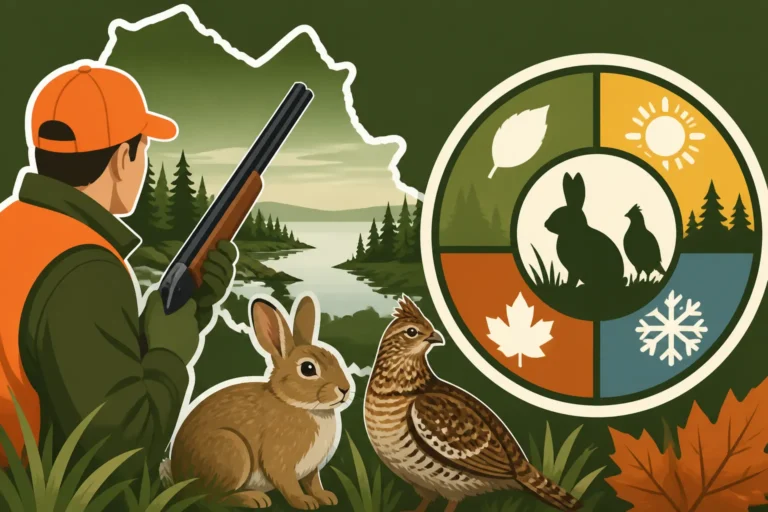
At its core, Ontario's Ruffed Grouse season is designed to offer ample opportunity while still protecting the health of the grouse populations. Generally speaking, the season typically kicks off in mid-September across much of the province. This timing is strategic, allowing the birds to reach maturity after the breeding season and before the harsh realities of winter set in. It also gives hunters the chance to enjoy crisper fall weather and vibrant autumn colours in the bush.
However, the closing dates are where you’ll see the most significant variation. Northern Ontario, characterized by vast tracts of Crown land, lower population density, and generally more robust grouse numbers, often enjoys a much longer season. Hunters in these regions might have opportunities stretching well into December. Compare that to Southern Ontario, where land is predominantly private, and human population density is much higher. Here, seasons are usually shorter, sometimes closing by the end of October or November to manage pressure more effectively. This differentiation often sparks a bit of envy from southern hunters looking north, but it’s all part of the provincial strategy to ensure sustainable hunting opportunities for everyone.
Why WMUs Matter for Grouse Hunting
The key to understanding these regional differences lies in Ontario’s Wildlife Management Unit (WMU) system. If you’re not familiar, WMUs are geographical areas designated by the Ministry of Natural Resources and Forestry (MNRF) for managing game species. Think of them as individual zones, each with its own set of rules, including specific season dates and bag limits for various species, including Ruffed Grouse. This is why you can’t just look up "Ontario grouse season" and get a single answer; you need to know which WMU you plan to hunt in.
For example, a WMU in the far north might have a season running from September 15th to December 15th, while a WMU near a major southern city might run from September 15th to October 31st. The exact boundaries and numbers of these WMUs are crucial. You can find detailed maps of these units in the official Ontario Hunting Regulations Summary, or by using online mapping tools. Many hunters find that resources like GoHunt or similar mapping applications are incredibly useful for visualizing these WMU boundaries, especially when planning a trip to an unfamiliar area or checking land designations. Knowing your WMU is the very first step in confidently planning your grouse hunt, and it’s something you should verify every single year as boundaries or regulations can sometimes see minor tweaks.
Diving into Specific Ruffed Grouse Season Dates by Region
As we’ve touched upon, Ontario is a big province, and its Ruffed Grouse seasons reflect that geographical diversity. What applies to a hunter seeking partridge along an old logging road north of Thunder Bay will be quite different from someone working their dog through a mixed woodlot just outside Barrie. Let's break down these regional variations to give you a clearer picture.
Northern Ontario's Generous Grouse Seasons
If you're heading north, generally speaking, your Ruffed Grouse season is going to be more extended. We're talking about WMUs roughly from the French River northward, encompassing vast areas like the Clay Belt, the Canadian Shield country, and all the way to the Manitoba border. In these regions, the Ruffed Grouse season typically opens around September 15th and can run all the way through to December 15th. That's a solid three months of prime grouse hunting!
This longer window is a blessing for hunters. It means you can hit the bush when the leaves are still vibrant in late September and early October, enjoying crisp walks and relatively clear undergrowth. Then, as the cold sets in and the first snows dust the ground in November and early December, you can still pursue grouse, often finding them easier to spot against the white backdrop. Many hunters find November and early December to be fantastic for grouse, as the leaves are down, and the birds are often concentrated in thick cover or along conifer edges. The bag limit for Ruffed Grouse in most northern WMUs is typically 5 birds per day, with a possession limit of 15. This generous limit, coupled with the long season, makes Northern Ontario a true haven for grouse enthusiasts.
Southern Ontario's More Restricted Dates
Now, let's talk about Southern Ontario. This area, broadly covering WMUs south of the French River, generally presents a shorter, and in some specific areas, more constrained Ruffed Grouse season. While the opening day for Ruffed Grouse is often still September 15th, similar to the north, the closing dates can vary significantly and are usually earlier. You might find WMUs where the season closes by October 31st, or perhaps November 30th at the latest, depending on the specific unit.
The rationale here is practical: Southern Ontario has denser human populations, more fragmented habitat due to agriculture and development, and consequently, higher hunting pressure on accessible lands. The shorter season helps manage this pressure and ensures the local grouse populations aren't overharvested. While these shorter seasons can be a bit of a bummer for local hunters who wish for more time in the field, it means you really need to make the most of those precious weeks. Planning your trips, scouting heavily, and possibly even knocking on doors to secure private land access become even more critical. The daily bag and possession limits in Southern Ontario WMUs are often the same as the north (5 daily, 15 possession), but always double-check your specific WMU in the regulations summary.
Special Considerations and Exceptions
While the general rule of thumb is "longer in the north, shorter in the south," there are always nuances to be aware of. Some WMUs, often those on the fringe between northern and southern zones, might have slightly different start or end dates than the general regional trends. For instance, you might encounter a WMU that has a unique late-season opener or closes a bit earlier than its neighbours. This is why relying on the official hunting regulations summary, published annually by the MNRF, is absolutely non-negotiable.
Another factor to keep in mind is the type of grouse. While this guide primarily focuses on Ruffed Grouse, it's worth noting that Spruce Grouse are also found in Ontario, mainly in boreal forest regions. Their season dates and limits are often the same as Ruffed Grouse where they overlap, but it’s always good practice to confirm. Woodcock also offer fantastic hunting opportunities in similar habitats, and their season dates, being migratory birds, are set federally and usually differ from resident grouse. You can find more information about "Ontario Ruffed Grouse Season Dates" and other small game in the official summary.
| Region | Typical Opening Date | Typical Closing Date | Daily Bag Limit | Possession Limit | General WMU Range |
|---|---|---|---|---|---|
| Northern Ontario | September 15th | December 15th | 5 | 15 | WMU 1A-42 |
| Southern Ontario | September 15th | October 31st – November 30th (Varies) | 5 | 15 | WMU 43-95 |
Note: These dates and limits are general and subject to change annually. Always consult the current Ontario Hunting Regulations Summary for the most accurate information.
Essential Planning Tips for Your Grouse Hunt
Knowing the season dates is just one piece of the puzzle. To really make the most of your Ontario Ruffed Grouse hunt, you need to layer on some practical planning. It’s about more than just showing up with a shotgun; it’s about preparation, respect for the land, and staying safe.
Confirming Current Season Dates
I cannot stress this enough: always check the current year’s Ontario Hunting Regulations Summary. This document is your bible for all things hunting in the province. Regulations, including season dates, can be adjusted slightly from year to year based on population surveys, environmental factors, or policy changes. What was true last year might have a minor tweak this year, and being caught unaware can lead to a ruined hunt or, worse, legal trouble. You can typically find the summary online on the Ontario government's website, or pick up a physical copy wherever hunting licences are sold. Don't rely on old notes or hearsay; a quick check can save a lot of grief. For a broader overview of small game regulations, you might want to read up on "Ontario Small Game Season Dates and Limits".
Licensing and Hunter Education Requirements
Before you even think about stepping into the bush, make sure your paperwork is in order. In Ontario, you need a valid Outdoors Card and a small game hunting licence. The Outdoors Card is your basic identification as a hunter in the province, and it's essential for purchasing any hunting licence. If you're new to hunting in Ontario or it's been a while, you'll want to check out "Ontario Hunting Licences and What They Cost" and "Getting an Ontario Outdoors Card". These are fundamental requirements.
Furthermore, if you're a new hunter, you must complete the Ontario Hunter Education Program. Even seasoned hunters from other jurisdictions might need to demonstrate equivalency. Make sure you understand the "Small Game Licence Cost and Coverage" to ensure you're fully legal for your Ruffed Grouse pursuit. No one wants to get out to their favourite spot only to realize they're missing a crucial piece of documentation.
Scouting and Accessing Prime Grouse Habitat
Ruffed Grouse are creatures of habit and prefer specific types of cover. To find them, you need to understand their habitat preferences. They thrive in young, regenerating forests, particularly those with a mix of aspen, birch, poplar, and dense coniferous cover like spruce or cedar. Old logging roads are often golden tickets, providing clear walking paths through ideal habitat where you can flush birds. Look for areas with dense undergrowth that offers both food (berries, buds) and protection from predators.
When scouting, pay attention to the edges – where different cover types meet, like a hardwood ridge meeting a cedar swamp. These "edge habitats" are super productive. If you're planning on "Hunting Ruffed Grouse on an Ontario Bush Road", look for areas with good grit for their crops and plenty of escape cover nearby. Remember, much of Southern Ontario is private land, so getting "Hunting a Bush Lot Beside a Farm" permission is often essential. For those hunting Crown land in the north, mapping tools can help you identify public access points and productive areas. GoHunt, for instance, can be invaluable for identifying "Public Hunting Land in Ontario" and understanding property boundaries. If you're wondering about specific locations, looking at "Hunting a Cedar Swamp Edge" or "Hunting a Poplar Stand at First Light" can give you ideas for prime spots. Understanding "Reading an Ontario WMU Map Before You Go" is also critical for success.
If you're lucky enough to be hunting with a dog, you'll quickly learn their value. A good pointing or flushing dog can dramatically increase your success rate and make the hunt infinitely more enjoyable. If you’re considering bringing a canine companion, research "Using a Pointing Dog in Ontario Cover" to see how they can transform your grouse hunting experience.
Important Disclaimer
The information provided in this guide is for general informational purposes only and is based on typical Ontario hunting regulations. Hunting laws, regulations, and season dates are subject to change annually and can vary significantly by Wildlife Management Unit (WMU) and species. It is the sole responsibility of every hunter to consult the most current official Ontario Hunting Regulations Summary, published annually by the Ministry of Natural Resources and Forestry (MNRF), before engaging in any hunting activities. Failure to do so may result in fines or other legal penalties. Always prioritize safety, ethical hunting practices, and compliance with all applicable laws.