Hunting a Fall Bear Bait in September
The crisp air of September signals a shift in the Ontario wilderness, and for many hunters, it marks the exciting peak of the fall bear baiting season. There's nothing quite like the anticipation of a big boar showing up on your trail camera, knowing he's packing on the pounds for the long winter ahead. But getting that bear to commit to your bait, and then successfully harvesting him, is a nuanced art that requires planning, patience, and a deep understanding of bear behavior. This guide will walk you through the intricacies of hunting a fall bear over bait in September, giving you the insights to make your efforts count.
Why September is Prime for Fall Bear Baiting
September often feels like a sweet spot for fall bear hunters in Ontario, a period where conditions align perfectly to make your bait sites irresistible. After a summer of abundance, the natural larder starts to thin out, and bears become increasingly focused on calorie intake as hibernation looms.
The Pre-Hibernation Feeding Frenzy
As summer transitions into fall, black bears in Ontario enter a phase known as hyperphagia. This isn't just a casual appetite; it's an intense, biological drive to consume as many calories as possible. They need to put on a significant amount of fat to survive the long winter denning period, where they'll rely entirely on these stored reserves. Come September, many of the prime summer food sources like blueberries, raspberries, and saskatoons have either been picked clean or are past their prime. This depletion forces bears to broaden their search for food, making a consistent and high-calorie bait site an incredibly attractive option. You’re not just offering a snack; you're offering survival insurance.
Imagine a large boar, maybe 300 pounds or more, needing to gain another 50-100 pounds before the first heavy snow flies. He's not going to pass up an easy meal. This intense feeding drive makes bears less wary and more predictable in their movements, as they prioritize food above almost everything else. While earlier in the season they might casually cruise through an area, by September, they're often on a mission. This increased urgency plays directly into the bait hunter's hands, as bears will often visit bait sites more frequently and for longer durations during daylight hours. This is why meticulous planning for your Setting a Bear Bait Site in Ontario is so critical during this timeframe.
Seasonal Food Sources and Competition
The natural food cycle in Ontario's vast wilderness also makes September a strategic time for baiting. While early fall might still see some late-ripening berries, and the first acorns or beechnuts might be dropping in certain areas, these resources can be highly localized and inconsistent year to year. A poor natural food crop means bears will be even more reliant on alternative sources, including your bait. Conversely, an exceptional acorn crop might draw bears away from baits temporarily, but even then, the sheer caloric demand often brings them back to supplement their diet.
Furthermore, September is often when moose and deer hunters start to enter the woods in greater numbers, increasing human presence. While bears are incredibly adaptable, they prefer to avoid humans. However, the hunger for calories can override some of their natural caution. The key is to understand what natural food sources are available in your specific Wildlife Management Unit (WMU) and plan accordingly. If you're hunting in a region known for abundant hard mast, you might need to make your bait even more enticing. If you're in a more remote, boreal forest area where natural food can be sparse, your bait becomes an absolute lifeline, drawing bears from miles around. Knowing What Bears Eat in a Boreal Spring can give you clues about their year-round dietary preferences, which can inform your bait choices in the fall.
Setting Up Your Fall Bear Bait Site for Success
A successful bear baiting operation in September hinges heavily on the careful selection and methodical setup of your bait site. This isn't just about dumping food in the woods; it's about creating an irresistible attraction that keeps bears coming back, ideally during shooting light.
Choosing the Right Location and Terrain
Selecting the perfect bait site is paramount. You want a spot that offers a blend of seclusion for the bears, accessibility for you, and strategic advantages for hunting. Look for areas with dense cover, such as cedar swamps, thick regenerating clearcuts, or pockets of mature timber that offer security cover bears can travel through unobserved. Bears are creatures of habit and will often follow natural travel corridors like old logging roads, game trails, or hydro lines. A good mapping application, like one from GoHunt, can be invaluable here. You can use its satellite imagery and topographic features to identify potential bedding areas, water sources, and natural funnels that bears might use, helping you pinpoint high-traffic zones.
Consider the prevailing wind direction for your chosen stand location. Bears have an incredible sense of smell, and you absolutely do not want your scent blowing towards the bait. Scout multiple potential stand trees or ground blind locations to give yourself options based on daily wind conditions. Also, think about water. Bears drink regularly, and a bait site located within reasonable proximity to a stream, pond, or swamp can further enhance its appeal. Finally, evaluate the approach and exit routes to your bait. Can you get in and out quietly, without disturbing the area or leaving a strong scent trail? A stealthy approach is crucial, especially when trying to intercept a mature bear that might be visiting during daylight hours. Many hunters combine this scouting with their general efforts for Black Bear Hunting in Ontario.
Bait Materials and Presentation
The bait itself is, of course, the star of the show. For September, bears are looking for calories, so a high-fat, high-sugar mix is ideal. Popular choices include stale pastries, donuts, bread, candy, and various sweets. Meat scraps, especially rancid ones, are also incredibly effective due to their strong smell and fat content. Some hunters swear by a mix of sweet and savory to appeal to a bear’s omnivorous palate. Consistency is key; bears will quickly learn to associate your bait site with a reliable food source if it’s constantly replenished.
| Bait Type | Pros | Cons | Effectiveness (September) |
|---|---|---|---|
| Baked Goods (Donuts, Pastries) | High sugar/fat, strong aroma, readily available (stale) | Can be expensive, absorbs moisture quickly, attracts other critters | Excellent – High Calorie |
| Meat Scraps (Dog Food, Bacon Grease, Bones) | Very strong scent, high fat/protein, good attractant | Can attract scavengers (wolves, coyotes), messier, requires careful handling | Excellent – Strong Attractant |
| Candy (Jellies, Hard Candy) | High sugar, long-lasting aroma, weather-resistant | Can be hard to source in bulk, less immediate caloric value | Good – Long-lasting draw |
| Molasses/Syrup | Super sweet, sticky, powerful long-range attractant | Messy, attracts insects, can be diluted by rain | Very Good – Primary attractant |
| Corn/Grain Mix (with oil) | Economical, provides bulk, good energy source | Less attractive than high-sugar/fat items initially, can mold | Fair to Good – Filler/Supplement |
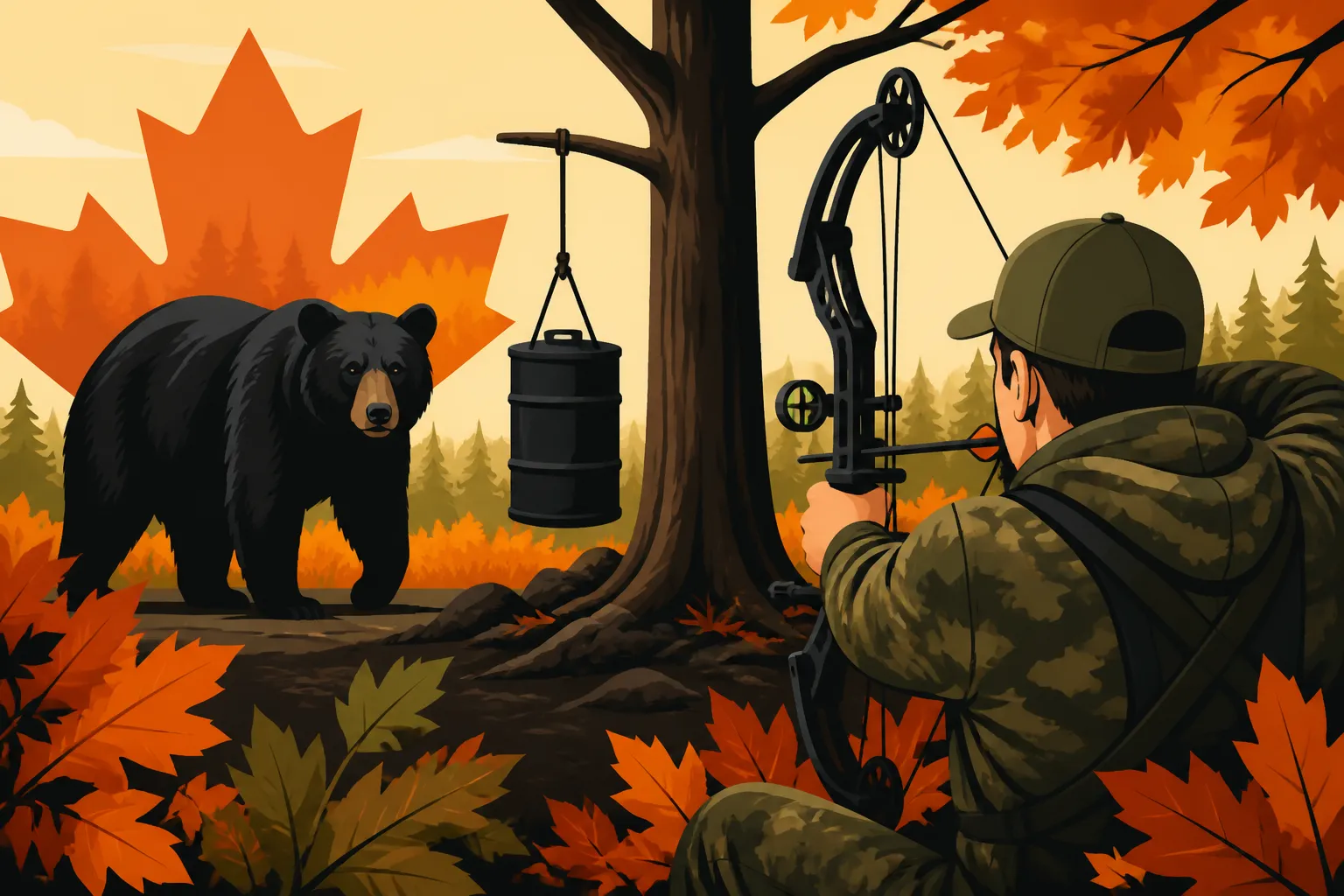
Beyond the actual food, presentation matters. Many hunters use a "bait barrel" – a steel drum chained to a tree to prevent bears from dragging it off and to slow down consumption. Drilling holes in the barrel allows the aroma to waft out and forces bears to work for their meal, keeping them at the site longer. Adding an "aroma stick" or an absorbent material soaked in scent attractants (like aniseseed oil, bacon grease, or commercial bear lures) to nearby trees can broadcast your bait's presence further into the woods. Some hunters also pour molasses directly onto the ground or nearby logs to create a long-lasting, sticky, and highly aromatic treat. Remember, the goal is to make your bait the most attractive and consistent food source in the bear's home range.
Securing Your Stand and Access
Once your bait site is established, your hunting stand needs to be strategically placed and secured. Safety is paramount, so ensure your tree stand is in good condition, securely fastened, and that you use a safety harness every time you climb. Position your stand downwind from the prevailing wind direction relative to the bait. A good rule of thumb is to place it 15-25 yards from the bait barrel, providing an ethical shot distance without being so close that bears are easily spooked by your minimal movement or scent.
Consider the shooting lanes you'll have from your stand. Clear any branches or brush that might obstruct a clean shot, but do so subtly to avoid alarming wary bears. Think about the sun's position throughout the day; you don't want to be staring directly into the sun during prime hunting hours. Your access route to and from the stand should be chosen carefully to minimize disturbance. Many hunters create a circuitous path, approaching the stand from a different direction than the one bears typically use to approach the bait. Walking in through water, if possible, can further reduce your scent footprint. This diligent effort is part of mastering Hunting an Ontario Bush Edge.
Monitoring Your Bait and Understanding Bear Behavior
You've put in the hard work of setting up the bait; now comes the critical phase of monitoring and deciphering the secret lives of the bears visiting your site. This intelligence gathering is what truly transforms a simple bait into a high-percentage hunting opportunity.
Trail Camera Insights
Trail cameras are arguably the single most important tool in modern bear baiting. They are your eyes and ears in the woods 24/7, providing invaluable data without introducing human scent or presence. Deploy several cameras around your bait site, not just directly on the bait barrel. One camera watching the bait, and another watching an approach trail, can give you a better understanding of how bears are entering and exiting the area. A good camera setup reveals which bears are visiting, their size, their sex (critically important for avoiding sows with cubs), and their preferred times of visit.
Reviewing your trail camera photos and videos meticulously will show you patterns. Are bears visiting primarily at night, or are some starting to show up during legal shooting hours? How frequently do they visit? Are there multiple bears, and if so, are they dominant individuals pushing others off, or do they tolerate each other? This information is gold. For example, if a large boar is consistently showing up between 5 PM and 7 PM, that's your cue to be on stand during those hours. If all activity is nocturnal, you might need to increase the bait's appeal, try a different attractant, or simply remain patient. Tracking this information over time, perhaps using a digital mapping tool like GoHunt, can help you visualize patterns and adjust your strategies accordingly. Understanding Why You Cannot Shoot a Sow With Cubs is crucial, and your cameras are your best defence against making such a mistake.
Reading Sign and Activity Patterns
Beyond the trail camera, don't underestimate the power of your own observations when you visit the bait site. Look for tracks in the mud or soft soil around the bait, noting their size and direction of travel. Scat can also provide clues about what bears are eating (besides your bait) and their general health. Are there rub marks on trees from bears scratching their backs? Torn-up logs or overturned rocks can indicate a bear actively foraging nearby for insects or grubs. The more fresh sign you observe, the more confident you can be that bears are consistently in the area.
Pay close attention to how the bait itself is being consumed. Is it being completely emptied between visits, or are bears just picking at it? Is the barrel moved, or are there fresh claw marks indicating an aggressive feeding session? If you notice that specific types of bait are consistently gone while others remain, it tells you what your local bears prefer. If the bait is being emptied very quickly, you might need to increase the volume or frequency of your replenishment to keep bears satisfied and coming back. A well-visited bait site should show consistent disruption and consumption. These observations are a vital part of the puzzle for Hunting a Fall Bear Bait in September.
Understanding Bear Personalities
Just like people, bears have distinct personalities. Some are bold and fearless, marching directly to the bait even in daylight. Others are incredibly wary, approaching cautiously, circling downwind multiple times, and only committing after prolonged scrutiny. Your trail camera footage will help you identify these individual traits. A large, mature boar is often the most cautious, having survived multiple hunting seasons and learned to be suspicious. He might only visit at last light, or after dark, and might disappear for days after a single disturbance.
Understanding these personalities helps you tailor your hunting approach. For a wary bear, absolute scent control, minimal noise, and extreme patience are non-negotiable. You might need to adjust your stand placement or access route. For a more aggressive, less wary bear, your window of opportunity might be wider. It's also important to recognize dominance hierarchies if multiple bears are visiting. A large boar will typically push smaller bears and sows with cubs off the bait. If you're consistently seeing smaller bears during the day, but a monster only at night, you might need to be extra patient and subtle to catch him when he feels most secure.
Effective Hunting Strategies Over a September Bait
Once your bait is established and regularly visited, and you’ve gathered intelligence from your trail cameras, it’s time to put on your hunter hat. Successful hunting over a fall bear bait in September demands discipline, patience, and impeccable execution.
Timing Your Hunts for Peak Activity
Your trail cameras will dictate your hunting schedule. In September, bears are trying to maximize their caloric intake, often making them more active during the twilight hours of dawn and dusk. However, depending on the individual bear and local pressure, they can be seen at any time. If your camera reveals a specific bear consistently visiting at 6 PM, that's when you need to be on stand, settled in, and ready by at least 4 PM. Avoid going in too early and sitting for too long, as prolonged presence increases the chances of scenting up the area or making noise.
Remember that light conditions change rapidly in the fall. While legal shooting hours typically extend from half an hour before sunrise to half an hour after sunset, those last few minutes of daylight can be critical for a cautious bear. Be prepared to sit until the very last legal minute, even if it's getting dark. Often, the biggest, most wary bears will wait until the absolute edge of legal light before stepping into the open. Patience is not just a virtue in bear hunting; it's a necessity. Many hunters practice Sitting All Day in an Ontario Blind during this period to maximize their chances.
Scent Control and Noise Management
Bears possess an extraordinary sense of smell – estimated to be seven times better than a bloodhound's. This means absolute, meticulous scent control is non-negotiable when hunting over bait. Shower with scent-free soap, wash your hunting clothes in scent-free detergent, and store them in airtight bags or containers. Dress at your hunting location, away from your vehicle, to minimize the transfer of vehicle smells. Use a quality scent eliminator spray on your clothes, boots, and gear before you head to your stand. Playing the wind is still your best defense; even with perfect scent control, a direct gust of human scent will almost certainly spook a bear.
Equally important is noise management. Bears have excellent hearing. Every rustle, every creak of your stand, every dropped item can be amplified in the quiet woods and put a bear on high alert. Practice a silent approach to your stand. Ensure your clothing doesn't make excessive noise as you move. Be mindful of subtle movements in your stand; if you need to adjust, do so slowly and deliberately. When a bear is approaching, often you'll hear it long before you see it. Freeze, listen, and prepare for its appearance, ensuring your firearm or bow is in a ready position without creating any sudden movements.
Shot Placement and Follow-Up
Ethical shot placement is paramount for a quick, humane harvest and efficient recovery. For black bears, the ideal shot is a broadside shot aimed at the heart-lung area, just behind the shoulder. This vital zone offers a large target and typically results in a quick takedown. Avoid shooting at a bear that is facing directly towards you, directly away from you, or quartering excessively, as these angles significantly reduce the chances of hitting vitals cleanly. Wait for the bear to present a clear, broadside shot, even if it means holding your shot for several minutes.
After the shot, observe the bear’s reaction carefully. Did it bolt? Did it vocalize? Where did it run? Mark the exact spot where the bear was standing when you shot, and the direction it fled. If possible, listen for sounds of a crash. Do not immediately pursue a bear, especially if you're unsure of your shot placement. Give the bear time – at least 30 minutes for a good shot, and several hours (or even overnight) for a questionable shot. This allows the bear to expire and minimizes the risk of a dangerous encounter or losing the animal. Before you begin tracking, mentally review everything, gather your gear, and proceed cautiously. Understanding What an Ontario Outfitter Needs From You Beforehand often includes a discussion on shot placement ethics.
Dealing with Challenges and Common Setbacks
Even the most meticulously planned fall bear bait hunt in September can throw curveballs. Dealing with these challenges effectively is what separates a frustrating outing from a successful one.
Dealing with Non-Target Animals
It’s almost a guarantee that your bait site won't be visited exclusively by bears. Raccoons, skunks, foxes, wolves, and even coyotes can become regular visitors, sometimes consuming a significant portion of your bait. While it's part of the game, excessive non-target animal activity can deter bears, especially wary ones, and deplete your bait supply faster than anticipated. Wolves, in particular, can pose a challenge; a pack visiting your bait can clear it out and even scare off bears from the immediate vicinity.
There's no perfect solution, but managing non-target animals involves trying to make your bait less accessible to smaller critters while remaining enticing to bears. Securing bait in sturdy barrels or covered containers helps. Some hunters use a "snare" system on the barrel that only a bear can manipulate, or they use heavier chains and logs that smaller animals can’t move. For predators like wolves, the strong smell of meat can be a double-edged sword. If you suspect heavy wolf activity, you might temporarily reduce meat-based baits and focus more on sweet, fatty options that wolves find less appealing. Understanding the presence of Wolves and Coyotes in Ontario can help you anticipate these challenges.
Aggressive Bears and Safety
While most black bears are naturally shy and will avoid human confrontation, situations can arise where a bear at your bait site acts aggressively. This is rare but important to be prepared for. A bear that feels territorial over the bait, or a sow with cubs protecting her young, might display defensive behaviors such as huffing, jaw popping, swatting the ground, or even making a bluff charge. It's critical to differentiate between a curious or assertive bear and a truly aggressive one. If a bear is acting defensively, your primary objective is de-escalation and safety.
Always carry bear spray, even when hunting with a firearm. Know how to access and use it quickly. If a bear approaches too closely or displays aggressive behavior, stand your ground, make yourself look large, speak in a firm voice, and back away slowly, never turning your back. Do not run. Avoid direct eye contact, as this can be perceived as a challenge. If the bear continues to approach aggressively, be prepared to use your bear spray. The vast majority of these encounters resolve peacefully, but preparedness is key. Remember, your safety is paramount, and no bear is worth risking personal injury.
Maintaining a Consistent Bait
The success of a fall bear baiting operation hinges on consistency. Bears are intelligent and quickly learn when a food source is reliable. If your bait runs out for extended periods, bears will simply move on to find other food sources, and it can be incredibly difficult to draw them back. This means regular replenishment, ideally every few days, especially if you have significant bear activity. The challenge in September is balancing this need for consistency with minimizing human disturbance at the bait site.
If possible, have a designated baiting route that avoids your hunting stand, or choose specific times to bait when you're less likely to bump into bears (e.g., midday, when many bears might be bedded). Drive right to the bait if possible, avoiding walking long distances and leaving a scent trail. Some hunters use automated feeders or hanging bait dispensers that slowly release food over time, but these are often prohibited or difficult to manage in remote areas. The main takeaway is that an empty bait barrel means lost opportunities, so make a plan for regular, discreet replenishment.
Post-Harvest Considerations for Fall Bear
Congratulations, you've successfully harvested an Ontario black bear over bait in September! But the work isn't over. Proper field care is essential to ensure you honor the animal and preserve the meat and hide, especially with the warmer temperatures that can still linger in early fall.
Meat Care in Early Fall Temperatures
September in Ontario can still bring warm days, and bear meat, like any other wild game, spoils quickly if not properly handled. Your priority should be to field dress the bear as soon as possible after recovery. This means removing all internal organs to allow the carcass to cool down rapidly. Get the hide off quickly if conditions are warm, as the hide traps heat and can accelerate spoilage. Quartering the bear and getting the meat into game bags can further aid cooling.
If you're in a remote location and can't get the meat to a cooler or processor immediately, consider packing the quarters in snow or ice if available, or hanging them in a shaded, airy spot where breezes can aid cooling. Some hunters bring large coolers filled with ice to the retrieval point. It’s a lot of work, but essential for quality meat. Remember that bears, especially fall bears, can carry a significant layer of fat. While delicious when rendered, this fat can go rancid quickly if not chilled. If you plan to process your own meat, be prepared for the substantial amount of fat that will need to be trimmed or rendered. Proper meat care is often discussed in detail when planning for Meat Care in Ontario's Warm Early Seasons.
Skinning and Caping for a Trophy
If you've harvested a bear for its hide or skull, meticulous skinning and caping are crucial. For a full-body rug or a shoulder mount, the skinning lines are specific and must be followed precisely to allow the taxidermist to do their best work. For a rug, you'll want to make a cut down the belly and out to each paw, leaving the head and paws intact. For a shoulder mount, a circular cut around the chest, behind the front legs, is typically required. The head and paws will need careful skinning, ensuring eyelids, lips, ears, and paw pads are properly turned and fleshed.
Fleshing the hide – removing all meat and fat – is the next critical step. This is arduous work but prevents hair slippage. Salt the hide thoroughly with non-iodized salt, ensuring every part is covered. This draws out moisture and begins the preservation process. Roll the hide up, flesh-side in, and place it in a cool, dry place. Re-salt after a day or two, then roll it again. Get the hide to a reputable taxidermist or tanner as quickly as possible. The longer it sits improperly preserved, the higher the risk of spoilage. Learning the nuances of Skinning a Bear for a Rug ensures your trophy lasts a lifetime.
Disclaimer
This guide is intended for informational purposes only and does not constitute legal advice. Hunting regulations in Ontario can change frequently. It is the responsibility of every hunter to consult the most current Ontario Hunting Regulations Summary, available from the Ministry of Natural Resources and Forestry (MNRF), before engaging in any hunting activities. Always prioritize safety, ethics, and responsible wildlife management.