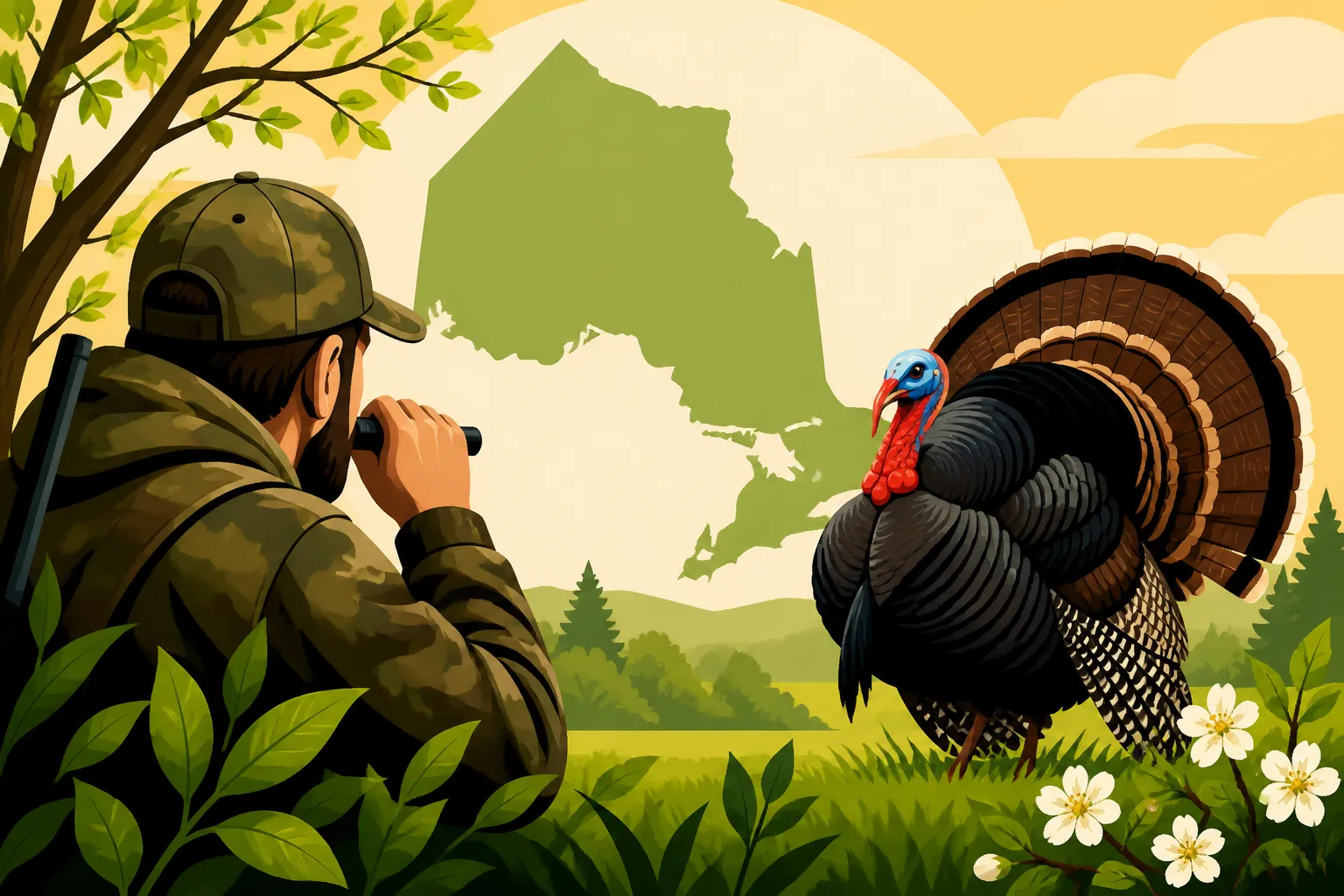
Calling a Bearded Bird in Spring
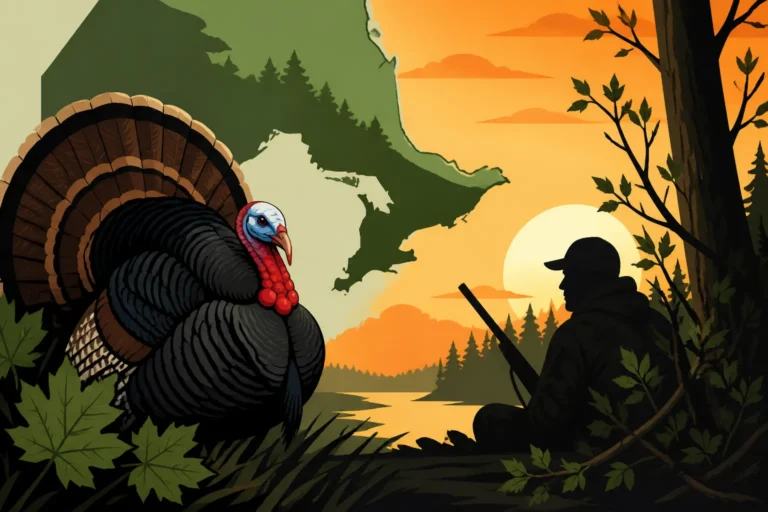
There’s nothing quite like the sound of a roaring gobbler cutting through the crisp spring air, especially when you know he’s responding to your calls. But let’s be honest, getting that big tom to commit can often feel like trying to solve a cryptic puzzle, leaving even seasoned hunters frustrated when birds hang up or go silent. This guide is all about demystifying the art of calling a bearded bird in spring, offering practical strategies to help you fill your tag on those elusive Ontario gobblers.
The Nuances of Spring Gobbler Behavior and How to Leverage Them
Before you even think about putting a call to your mouth, it’s crucial to understand what makes a spring gobbler tick. Turkeys aren't just feathered robots responding to sounds; they have a complex social structure and motivations driven by breeding season. Knowing their daily patterns and psychological triggers is half the battle won when you’re out in the Ontario bush.
Understanding the Spring Pecking Order and Gobbler Psychology
Spring turkey hunting, at its heart, is about exploiting the male turkey's desire to breed and assert dominance. When you're calling, you're essentially playing the role of a hen ready to breed, or in some cases, a challenging gobbler. Dominant gobblers are looking for receptive hens, and they'll often respond aggressively to calls they perceive as a hen seeking companionship. However, they're also wary of other gobblers who might be encroaching on their territory or trying to steal their hens. This dynamic means your calling strategy needs to be flexible. If you sound too eager or too dominant right off the bat, a gobbler might hang up, expecting you to come to him, or he might circle wide to assess the "competition." Subtlety and realism often win the day, especially with an older, wiser tom. You're trying to convince him that coming your way is worth the risk, or that you're a hen he simply cannot ignore.
Decoding Roosting Habits and Morning Movement
One of the most exciting times to be in the turkey woods is just before and after fly-down. Turkeys will typically roost in tall trees, often near water or on a high ridge, giving them a commanding view and safety from predators. Your initial calling strategy often starts here, even before the birds leave the limb. Locator calls like owl hoots or crow caws are excellent for getting a shock gobble from a tom still on the roost without giving away your position as a hen. Once you pinpoint his location, gentle tree yelps and soft clucks can let him know a hen is nearby. The real magic happens at fly-down. Gobblers will often fly down with their hens, sometimes directly to a field, sometimes to a strut zone in the woods. This is where many hunters make their first mistake: calling too aggressively too soon. If he's already with hens, he might not feel the need to come to you. You might need to be patient, mimicking the soft sounds of a contented hen, or even trying to "cut" another hen's calls to challenge her, hoping the gobbler breaks away to investigate. Getting a gobbler off an Ontario roost requires a deft touch.
Navigating the Mid-Morning Lull and Afternoon Opportunities
While the early morning fly-down can be electric, many hunters find themselves scratching their heads when the woods go silent by 9 or 10 AM. This "mid-morning lull" is a real phenomenon. Often, gobblers have bred their hens, or the hens have wandered off to nest. At this point, the gobbler might be alone, looking for a new group of hens, or he might be strutting in a traditional area. This is where patience and a change in tactics really pay off. Instead of sitting still, consider covering ground, using the Scouting With Satellite Imagery in Ontario techniques you might have learned, and trying more aggressive "run-and-gun" calling. Let out a series of loud yelps or cutts, listen for a response, and if you get one, move quickly to get closer, then set up. If the bird responds again, don’t overcall; let him come. The afternoon can also present fantastic opportunities, especially for lone gobblers. As hens leave to go to their nests, a tom can become lonely and more responsive. Focus on areas where turkeys might feed or gather before heading back to their roost for the night, like a hardwood ridge or the edge of a field.
Mastering Your Turkey Call Arsenal for Ontario Gobblers
The sheer variety of turkey calls available can be overwhelming, but each serves a unique purpose. It’s not about owning every call on the market, but rather understanding which calls to use when, and how to make them sound as natural as possible. Having a few go-to calls that you've truly mastered is far more effective than a dozen calls you can barely use.
Selecting the Right Call for Every Situation: Box, Pot, and Diaphragm
Your turkey call lineup is your voice in the woods, and just like a good singer, you need range and control.
- Box Calls: These are often the easiest for beginners to learn, producing loud, realistic yelps, clucks, and purrs. Their volume makes them great for locating birds from a distance, especially in windy conditions or dense cover. A good box call can replicate a hen's full range of emotions, from excited cutting to soft pleading.
- Pot (Slate/Friction) Calls: These calls, consisting of a pot with a striking surface (slate, glass, aluminum) and a striker, offer incredible versatility. With a pot call, you can create a wide array of sounds—soft clucks, sharp cutts, purrs, and yelps—simply by changing strikers or pressure. They are excellent for close-range work and subtle sounds, making them a staple for many seasoned hunters. Brands like Primos and Zink offer a variety of high-quality pot calls that are popular among Ontario hunters.
- Diaphragm (Mouth) Calls: While they have the steepest learning curve, diaphragm calls are arguably the most versatile. Because they're hands-free, you can keep your gun mounted and ready to shoot while calling. They can produce everything from soft tree yelps to aggressive cutting, and their ability to mimic multiple hens is unmatched. Once mastered, a diaphragm call becomes an extension of your natural voice in the turkey woods.
Knowing when to use each is key. A loud box call might be perfect for reaching a gobbler across a valley, while a soft purr from a pot call or diaphragm might be just the ticket to coax a wary tom those last 50 yards into range.
The Art of Locator Calls: When and How to Use Them
Locator calls aren't meant to sound like a turkey. Instead, they mimic other common wildlife sounds that often elicit a "shock gobble" from a tom. This tells you where he is without revealing your position as a potential hen.
- Owl Hooters: Barred owl calls are classic, especially effective during those pre-dawn hours when gobblers are still on the roost. A series of soft hoots, like "Who cooks for you? Who cooks for you all?", can often get a sleepy gobbler to give away his location.
- Crow Calls: Crows are noisy, and turkeys often associate their caws with danger, or simply respond to the commotion. A loud, sharp crow caw can shock a gobbler into sounding off, especially later in the morning when other locator calls might be less effective.
- Coyote Howls: Less common but highly effective, especially for birds that are silent to other locators. A coyote howl can often provoke a territorial gobbler into sounding off.
The trick with locator calls is to use them sparingly and strategically. You don't want to overdo it and potentially alert a nearby gobbler to your presence. Just enough to get a response, then switch to your turkey calls to seal the deal. Remember, a good hunting app like GoHunt can help you mark these precise locations where you get responses, building a valuable database for future hunts.
Finding the Perfect Cadence and Volume for Persuasion
Making realistic turkey sounds isn't enough; you need to deliver them with the right cadence and volume. A hen's call isn't uniform; it has natural ebbs and flows, pauses, and variations in intensity.
- Cadence: Turkeys don't typically yelp continuously for minutes on end. A realistic yelp sequence might consist of 5-7 yelps, followed by a pause. Listen to actual turkey vocalizations online or in nature to get a feel for their rhythm. Don't rush your calls; allow natural breaks.
- Volume: Start soft. Especially if you believe a bird is close, soft tree yelps and clucks can be incredibly effective. As you move or if a bird is distant, gradually increase your volume. However, resist the urge to blast out loud calls constantly. If a gobbler is coming in, he's heard you; too much noise can make him suspicious.
- Patience: Often, the most persuasive call is silence after a series of enticing yelps. Make a series of calls, then wait, listening intently. If the gobbler responds, give him time to cover ground. Let him think the hen is getting quiet or moving away, which can often make him more eager to close the distance. This is a critical skill when Calling a Gobbler Off an Ontario Roost.
| Call Type | Primary Use | Best for | Learning Curve | Hands-Free? |
|---|---|---|---|---|
| Box Call | Loud yelps, cutts, clucks | Locating, windy | Easy | No |
| Pot Call | Versatile yelps, purrs, clucks, cutts | Close range, subtle | Medium | No |
| Diaphragm | Wide range of vocalizations, multiple hens | Versatile, close range | Hard | Yes |
| Owl Hooter | Locator call, early morning | Roosted birds | Easy | No |
| Crow Call | Locator call, mid-day | Distant birds | Easy | No |
Reading the Bird: Adapting Your Calling Strategy in Real-Time
Calling turkeys isn't a one-size-fits-all script. Every bird, every situation, is different. The truly successful turkey hunter is a master improviser, constantly listening, observing, and adjusting their strategy based on the bird's responses.
Interpreting Gobbles, Clucks, and Other Turkey Vocalizations
A gobbler's response, or lack thereof, tells you a lot about his mood and proximity.
- Loud, Resounding Gobble: Often indicates an excited, perhaps lonely, bird that's either on the roost or has just flown down and is looking for company. If he's gobbling his head off, he's eager. Maintain a confident, but not overly aggressive, calling sequence.
- Soft Gobble/Whisper Gobble: This is a crucial sound to listen for. It means the bird is close, likely within 100 yards, and is trying not to give away his exact position to potential predators or other gobblers. When you hear this, go silent or use very soft clucks and purrs. Get ready; he's probably coming.
- Clucks and Purrs: When you hear these from a gobbler, it's a very good sign. These are contentment calls, indicating he's comfortable and likely closing the distance. Mimic these softly, assuring him that you, the "hen," are also content and waiting.
- Cutting: Short, sharp, aggressive yelps. If a gobbler cuts your calls, he's likely excited and responding to your perceived eagerness. You can mirror his excitement with a few quick cutts of your own, but don't overdo it.
- Silence: This can be the trickiest to interpret. A gobbler might go silent if he's actively approaching, listening intently for you. Or, he might have been pressured, found live hens, or simply lost interest. Don't assume silence means he's gone. Give it time. He might be circling, trying to get a visual.
Your job is to listen intently, not just to the volume, but to the inflection and frequency of his calls. This real-time feedback loop is essential to making smart decisions.
The Power of Silence: Knowing When to Shut Up
Perhaps the most challenging aspect of turkey calling for many hunters is knowing when not to call. When a gobbler is actively coming your way, sometimes the best thing you can do is absolutely nothing. Think about it: a hen doesn't yelp every two seconds as she walks through the woods. She makes a few calls, then listens, then moves.
- When a gobbler is getting close (within 100 yards), especially if he's responding consistently, reduce your calling drastically or go completely silent. Let him work the distance. He knows where you are, and he's probably trying to pinpoint your exact location. Any excess movement or sound from you can spook him.
- If he's hung up (more on that next), a long period of silence can sometimes pique his curiosity and make him finally commit. He might think the "hen" is leaving, prompting him to move faster.
- If you're unsure of his exact location or direction, silence allows you to listen more closely without adding to the noise. In many cases, the most effective call is the one you don't make.
Overcoming the Dreaded "Hang-Up"
The "hang-up" is every turkey hunter's nightmare: a gobbler sounds off, approaches, but then stops just out of sight or shooting range, often at 80-150 yards, and won't come closer. He expects the "hen" to come to him. This happens frequently with older, more dominant birds who are used to hens running to them.
- Assess the Situation: Is there an obstacle between you and him (creek, fence, thick brush)? Is there a rise in the terrain preventing him from seeing your setup?
- Adjust Your Calls: If he's hung up, aggressive calling usually makes it worse. Try soft clucks, purrs, or light yelps, mimicking a content hen that might be walking away or feeding. Sometimes, turning your head away from him while calling can create the illusion that the hen is moving off.
- Go Silent: Often, a long period of silence (15-20 minutes) can make him nervous that the hen is leaving, prompting him to close the distance.
- Crawl or Reposition: If the terrain allows, and you have enough cover, sometimes a slow, silent crawl to a new position, perhaps 50-75 yards closer, can be the solution. Be incredibly cautious and only do this if you know exactly where the bird is and can remain unseen.
- The "Gobbler Yelp" or Challenge: If all else fails and you're truly desperate, sometimes an aggressive "gobbler yelp" or even a "cackle" can sometimes challenge him to come investigate. This is a high-risk, high-reward strategy that can either bring him running or send him fleeing. Use it as a last resort.
Remember, patience is paramount. Sometimes a hung-up bird will eventually walk in if you simply outwait him, especially if you've done a good job of Setting Up Against a Big Maple or similar natural cover.
Strategic Setups: Decoys, Cover, and Safety First
Calling is only part of the equation. Your setup—where you position yourself, where you place your decoys, and how you ensure safety—is equally critical. A perfect call can be ruined by a poor setup, leading to a missed opportunity or, worse, an unsafe situation.
Optimizing Decoy Placement for Irresistible Allure
Decoys are powerful visual attractants, but their effectiveness hinges on smart placement.
- Types of Decoys: A jake decoy combined with one or two hen decoys is a common and effective setup. The jake often instigates a territorial response from a dominant gobbler, making him come in ready for a fight. A single hen decoy can also be very effective for wary birds. Consider motion decoys, like those from Avian-X, which add realism and can catch a tom's eye from a distance.
- Positioning: Place your decoys where a gobbler can see them from a distance but won't encounter you first. Face the hen decoys generally towards your calling position, mimicking a natural setup. Position the jake decoy 15-20 yards in front of your shooting lane, facing away from you. This way, when a gobbler approaches to confront the jake, he'll often come into bow or gun range, presenting a broadside shot.
- Distance from You: Set your decoys 15-25 yards from your hidden position. This ensures that any gobbler approaching the decoys will be well within your effective shooting range.
- Visibility: Ensure your decoys are visible from the direction you expect the turkey to approach. Clear any small brush or tall grass that might obscure them.
- When to Use/Not Use: While decoys are great, sometimes, especially with extremely pressured birds or in very dense cover, using no decoys and relying solely on calling might be better. Aggressive gobblers in open fields often respond well to a confident strutting tom and hen decoy setup. Understanding Decoy Placement for Pressured Ontario Gobblers can significantly increase your success rate.
Choosing Your Ambush Point: Blending In and Maximizing Visibility
Your personal setup is where strategy meets safety.
- Back Against a Wide Tree or Obstacle: This is non-negotiable. Always position yourself with a tree wider than your shoulders, or a large rock or stump, directly behind you. This breaks up your outline and, more importantly, protects you from accidental shots from other hunters approaching from behind. In the spring woods, especially on public land or areas with high pressure, visibility is key for safety.
- Good Visibility, Concealed Position: You need to see the gobbler coming, but he shouldn't see you. Look for natural cover like thick brush, fallen logs, or a slight depression in the terrain. Use a ground blind if allowed and practical, especially for bowhunting.
- Clear Shooting Lanes: Before the first peep of dawn, identify clear shooting lanes in your chosen direction of approach. Trim small branches or weeds that might impede your shot. You want a clear path for an ethical shot when the moment comes.
- Avoid Silhouetting: Don't sit on top of a ridge or against an open sky where your silhouette will be easily visible.
- Be Patient: Once you're set up, stay still. Turkeys have exceptional eyesight. Any fidgeting or movement can give you away.
Prioritizing Safety: Backing and Hunter Orange Considerations
Turkey hunting, especially in the spring, carries unique safety considerations.
- Hunter Orange: In Ontario, during spring turkey season, there are specific requirements for hunter orange. While hunting, you must wear hunter orange that is visible from all sides. However, when you are actually calling or decoying a turkey, you are permitted to remove your hunter orange. The crucial part is that you must put it back on if you move. Many hunters wear orange vests over their camouflage and then simply slip them off when they get into their final calling position, placing them visible on the ground or a branch nearby. Always check the current Ontario Hunting Regulations Summary for the precise rules as they can change.
- Positive Identification: Never, ever shoot at sound or movement. Always positively identify your target as a legal gobbler (bearded bird) and ensure there's nothing beyond it. The excitement of a gobbler coming in can be intense, but clear identification is paramount. Telling a jake from a longbeard is an important skill to avoid mistakes.
- Assume Other Hunters Are Present: Especially on public land or areas known for good turkey hunting, assume there are other hunters in the woods. This is why a wide tree for backing is so important.
- Communicating with Hunting Partners: If hunting with a partner, always know their exact position, communicate hand signals, and have a clear understanding of shooting zones.
Safety is always the number one priority. A successful hunt is a safe hunt.
Common Calling Pitfalls and Strategies to Avoid Them
Even the most experienced turkey hunters can fall prey to common mistakes. The difference often lies in recognizing these pitfalls and having strategies to overcome them. Avoiding these errors will significantly increase your odds of success.
The Peril of Overcalling Versus the Patience of Under-Calling
This is probably the most common mistake in turkey hunting: either calling too much or not enough.
- Overcalling: Many new hunters, in their excitement, will constantly chatter on their calls. This can make the "hen" sound unnatural, or even desperate, which can turn off a wary gobbler. If you’re constantly yelping, a gobbler might think you’re coming to him, or he might become suspicious of a hen that won't shut up. Overcalling can also alert other hunters to your position or mask the sounds of an approaching bird.
- Under-Calling: On the flip side, being too timid with your calls can also be a problem. If you're in a large woodlot or an area with a lot of natural sounds, a gobbler might not hear your soft yelps, or he might not be compelled to respond if you don't sound enthusiastic enough. If a bird isn't responding, sometimes a burst of excited cutting can spark his interest.
- The Sweet Spot: The key is balance and adaptation. Start with realistic, moderate calling. Listen to the gobbler's response. If he's gobbling hard and closing the distance, tone it down. If he's distant or only gobbling sporadically, you might need to be more aggressive to draw him in. A good rule of thumb is to call, listen, and wait for a response, and let the bird dictate the pace. Remember to vary your calls and mimic natural turkey sounds, as described in Spring Turkey Hunting in Ontario.
Calling from the Wrong Position: A Costly Mistake
Your calling position isn't just about concealment; it's about strategy and line of sight.
- Calling from a Ridge Top: While it might seem like a great place to broadcast your calls, calling from directly on top of a ridge can be problematic. A gobbler coming up from below will often hang up just below the crest, expecting to see the hen. He won't risk popping over the top where he could be exposed. Instead, try to set up 15-20 yards back from the ridge line, allowing him to top out and come into range.
- Calling into Thick Brush: If you're calling into an impenetrable thicket, even if a gobbler responds, he might not be able to get to you easily, or he'll get frustrated and hang up. Try to call birds into more open areas or along natural travel corridors.
- Lack of Clear Shooting Lanes: As mentioned earlier, if you can’t get a clear shot due to dense brush, it doesn't matter how good your calling is. Always ensure you have a few clear lanes where a gobbler is likely to appear.
- Calling without a Safe Backing: Never call without a large tree or obstacle behind you. This isn't just about concealment; it's about safety, preventing another hunter from mistakenly shooting at your calls.
When to Stick It Out: The Importance of Persistence
It's easy to get discouraged when a gobbler goes silent or seems to lose interest. But giving up too soon is a common error that costs many hunters opportunities.
- Patience in the Lull: After the initial morning rush, many hunters pack up and leave. But as we discussed, the mid-morning and afternoon can be surprisingly productive for When Ontario Gobblers Go Quiet in Late May. These birds might be lonelier and more susceptible to calls.
- Waiting Out a Hung-Up Bird: A gobbler that’s hung up might just need more time. Give him 30-45 minutes of silence or subtle purrs before you consider moving. He might be circling, or simply contemplating. Many times, the hunter who out-waits the bird wins.
- Moving Slowly and Deliberately: If you decide to move, do so cautiously. Make a few soft calls, listen, and then move a short distance (50-75 yards) before setting up again and calling. This "run-and-gun" tactic is different from simply abandoning a spot.
- The Unexpected Gobble: Turkeys can appear silently or gobble when you least expect it. Keep your guard up and your ears open even when you think the show is over. Many times, a bird that seemed to have left simply circled around. Remember to utilize resources like GoHunt to scout new areas or identify potential movement corridors where patience might be rewarded.
Advanced Tactics for Pressured and Reluctant Gobblers
Hunting in areas with a lot of hunter pressure or chasing an old, wise tom who's heard every trick in the book requires a higher level of skill and creativity. These birds won't fall for the basic calling sequences; you need to think outside the box.
Run-and-Gun: Covering Ground and Aggressive Approaches
When birds are scattered, silent, or simply not responding to stationary calling, the "run-and-gun" tactic can be highly effective. This involves actively moving through the woods, calling aggressively, and quickly setting up if you get a response.
- Scout Ahead: Before attempting this, use tools like GoHunt to identify key terrain features, fields, or clearings where turkeys might be. Understanding Hunting Ontario's Mixed Hardwood Bush or finding natural travel corridors is crucial.
- Call Aggressively: When you stop to call, hit them with loud, excited yelps and cutts from your pot call or diaphragm. You're trying to elicit a shock gobble from a bird that might be distant or uninclined to talk.
- Move Quickly and Silently: As soon as you get a response, pinpoint the direction and move quickly but stealthily to get closer. Don't make a sound. The goal is to cut the distance as much as possible before the gobbler loses interest or moves.
- Set Up Fast: Once you're within what you believe is "killing distance" (ideally 100-150 yards), set up immediately against a good tree. Deploy a single hen decoy quickly if you're using one.
- Subtle Follow-Up: After your aggressive initial calls, switch to softer, more contented calls as the bird gets closer. Let him work the last bit of distance. This tactic can be tiring but highly rewarding when you finally connect with a responsive bird.
Flipping the Script: Silent Approaches and Decoy-Only Tactics
Sometimes, the best calling is no calling at all. This might seem counterintuitive, but for birds that have been heavily pressured, silence can be golden.
- Silent Stalking: If you've located a bird gobbling on the roost but know he's pressured and likely to hang up, sometimes the best approach is to move silently to a known strut zone or feeding area he frequents after fly-down. Position your decoys (a jake and hen, or just a jake) in a visible spot, get hidden, and wait without making a sound. The visual of the decoys might be enough to draw him in without the added pressure of your calls. This is particularly effective in areas where Hunting Deer in Southern Ontario Farmland occurs, as birds are used to seeing movement.
- The Decoy Challenge: For very dominant gobblers, a strutting tom or jake decoy placed in a prominent, visible position can be an irresistible challenge. Many aggressive gobblers will charge in to confront the perceived intruder. Your role is simply to be hidden and ready for the show. Make sure your Decoy Placement for Pressured Ontario Gobblers is spot on for this.
- Low-Impact Calling: If you must call, use extremely subtle, soft clucks and purrs, almost whisper-like, from a diaphragm call. You're trying to suggest a shy, hard-to-find hen, rather than an eager one. This often works well on birds that have "heard it all."
Aggressive vs. Subtle Calling: Knowing When to Change Your Tune
The ability to switch your calling style on a dime is a hallmark of an advanced turkey hunter.
- Aggressive Calling for Locating and Challenging: Use loud yelps, fast cutts, and excited cackles when you're trying to locate a distant bird, or if you're trying to break a gobbler away from real hens. If a gobbler is confidently gobbling back, match his energy. Sometimes a sharp series of "fly-down cackles" right after he flies off the roost can make him think a hen is eager and ready.
- Subtle Calling for Closing the Deal: Once a gobbler is within 100-150 yards and actively approaching, it's often time to dial back the volume and intensity. Switch to soft yelps, purrs, and clucks. You want to sound like a calm, contented hen, inviting him in rather than demanding his attention. This is especially true when he starts to get "hangy." Sometimes, imitating a shy hen that only calls every few minutes can be incredibly effective, making him work harder to find you.
- The Power of Variation: Don't stick to one sequence. Mix it up. Try a series of yelps, then a few clucks, then a long pause. Imagine yourself as a hen moving naturally through the woods. Experiment with different calls and volumes until you find what the bird responds to. There's no single "magic call" for every situation, but the magic lies in your ability to adapt your "voice" to the conversation the gobbler is having with you. Ultimately, consistent practice and understanding the nuances of Ontario's Wild Turkey Restoration Story will make you a better caller.
Disclaimer
Hunting is an inherently risky activity. This guide provides general information and recommendations for calling bearded birds in spring in Ontario. Regulations, wildlife behavior, and environmental conditions can change. Always consult the most current Ontario Hunting Regulations Summary, use appropriate safety gear, scout your hunting area thoroughly, and prioritize safe hunting practices. The author and publisher are not responsible for any incidents that may occur.