Float Plane Charters to a Northern Camp
The dream of hunting truly wild, unpressured game in Ontario often clashes with the reality of road access. Far too many incredible hunting spots are simply unreachable by vehicle, leaving many hunters feeling like the best opportunities are always just out of reach. This guide is all about bridging that gap, exploring how float plane charters can unlock those remote northern camps and transform your hunting experience into an unforgettable wilderness adventure.
Why Choose a Float Plane for Your Northern Ontario Hunt?
When you envision a true wilderness hunt, you're likely picturing vast, untouched landscapes where human pressure is minimal. The reality is, anywhere a truck can go, other hunters often follow. This is where the magic of a float plane charter truly shines – it's your ticket to getting far beyond the last gravel road, into country where few others tread.
Accessing Untouched Wilderness
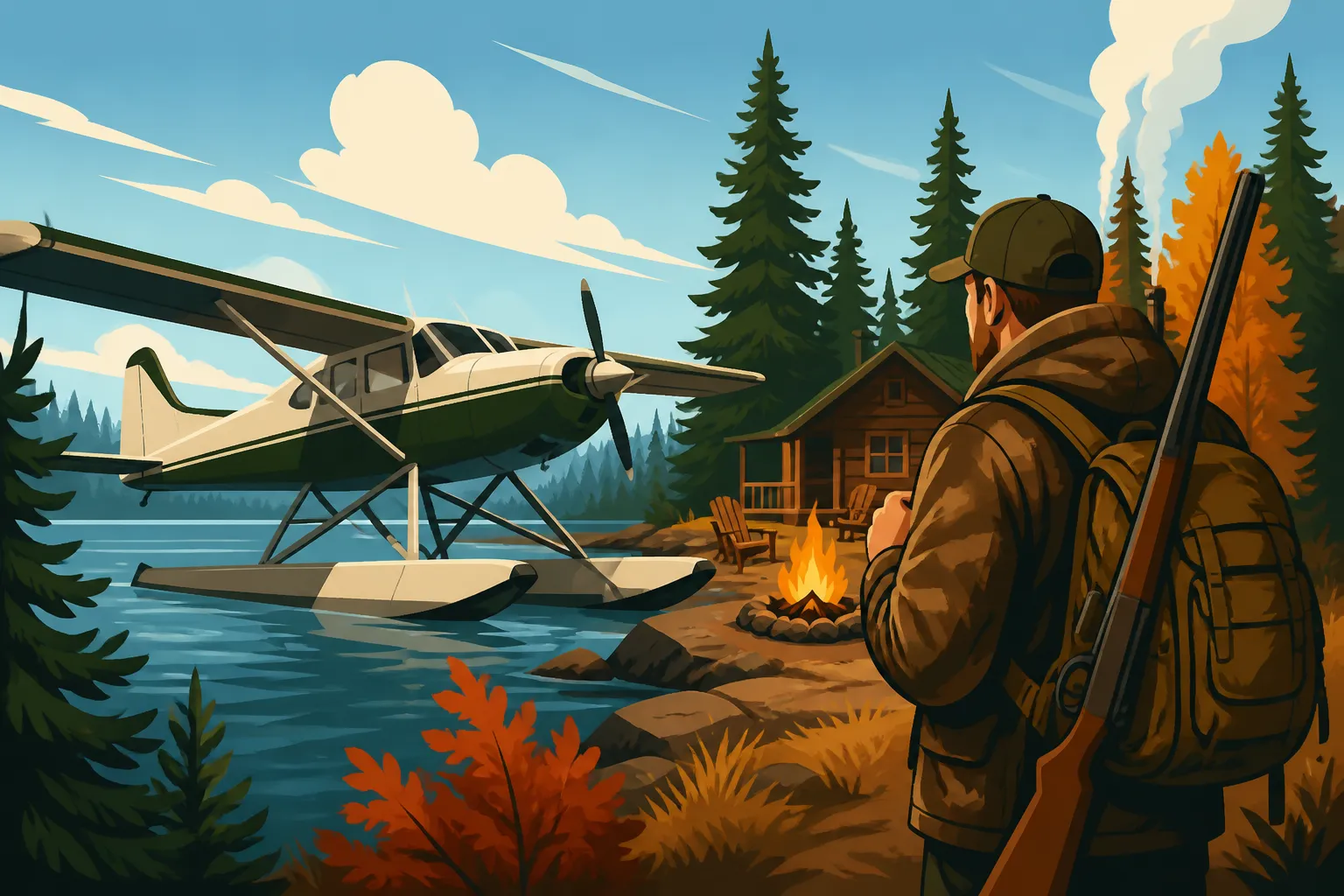
One of the biggest frustrations for avid hunters is constantly encountering areas that have been heavily hunted year after year. Deer, moose, and bear in these accessible zones become warier, more nocturnal, and simply harder to find. A float plane, however, can drop you deep into the heart of vast wilderness areas, many of which see minimal to no human activity during hunting season. Imagine stepping out of the plane onto a pristine lake, surrounded by boreal forest that stretches for miles, knowing that the game you're pursuing hasn't been pressured by countless boots on the ground. This often translates to healthier animal populations, less skittish behaviour, and a significantly higher chance of encountering mature animals. It truly offers a unique opportunity for Hunting Northwestern Ontario's Big Bush.
Think about the sheer size of Northern Ontario's Crown Land. Much of it is roadless, a mosaic of forests, lakes, and rivers. Without air access, these areas are effectively off-limits to most hunters. Float planes allow you to bypass all the accessible, beaten-path spots and set up camp in truly virgin territory. This isolation isn't just about hunter success; it’s about the experience itself – the quiet, the solitude, and the profound sense of being truly immersed in nature, far from the hustle and bustle of civilization. It changes the entire dynamic of the hunt, allowing you to focus purely on the wilderness and its inhabitants.
Saving Time and Energy
While the allure of a multi-day canoe-in hunt is undeniable, not everyone has weeks to dedicate to getting to their hunting grounds. Driving deep into Northern Ontario can involve hours, sometimes days, of rough logging roads, slow travel, and the constant worry of breaking down far from help. These long, arduous journeys eat into precious hunting time and can leave you physically and mentally drained before your hunt even begins.
A float plane charter drastically cuts down travel time. What might take a full day or more of driving, navigating rough terrain, and portaging can be accomplished in a matter of an hour or two by air. This efficiency means more time actually hunting, scouting, and enjoying your camp. Instead of arriving exhausted, you arrive refreshed and ready to hit the bush. For a typical week-long hunt, gaining an extra day or two on the ground can make all the difference between a successful trip and an empty tag. It also means you can focus less on the logistical nightmare of overland travel and more on packing the right gear and planning your hunt strategy, right down to your Truck Kit for a Northern Ontario Hunt.
Transporting Gear and Game
One of the most practical benefits of a float plane is its ability to move significant amounts of gear into and out of remote locations. When you're heading into a wilderness camp, you're essentially bringing your entire existence with you: tents, sleeping bags, cooking equipment, food, firearms or bows, and all your hunting essentials. Trying to haul all this heavy, bulky equipment across difficult terrain on foot or by canoe can be an immense challenge.
Float planes are designed to handle this kind of cargo. While there are strict weight limits, which we'll delve into shortly, they can efficiently transport everything you need for a comfortable and safe extended stay. Furthermore, once you've successfully harvested an animal, particularly something as large as a moose or a bear, getting the meat and trophy out becomes a major logistical hurdle. A float plane streamlines this process immensely. Quartered game meat, capes, and antlers can be flown directly out, saving you the monumental effort of a long, arduous pack out. Imagine trying to manage Getting a Moose Out by a Canoe over multiple portages versus loading it directly into a plane – the difference is night and day, especially if you're alone or with a small group.
Understanding Float Plane Logistics and Costs
Float plane charters, while incredibly convenient, aren't without their own set of considerations. Understanding the logistics, especially around pricing and weight, is crucial for planning a successful and budget-conscious trip. You don't want any surprises when you're deep in the bush.
What Influences Charter Price
The cost of a float plane charter isn't a fixed rate; it's a dynamic figure influenced by several factors. The most significant factor is typically the distance to your drop-off point. Float planes charge by flight time, and a longer flight means more fuel and pilot hours. The type and size of the aircraft also play a role; larger planes can carry more weight but generally cost more per hour. Another major component is fuel cost, which can fluctuate. Remote northern locations often mean the fuel itself has been flown in, adding to its price.
Beyond distance and plane size, consider the number of flights required. If you need a separate flight to bring out a large game animal, that's an additional cost. Some charters might have a minimum flight time or a daily rate. It's always a good idea to get a clear, itemized quote that includes all potential charges. Booking well in advance, especially for popular hunting seasons, can sometimes secure better rates, but always be prepared for the investment involved – it's part of accessing those truly special places. When you're researching potential outfitters on platforms like BookYourHunt or GoHunt, pay close attention to whether the float plane cost is included in their packages or if it's an additional fee you'll need to budget for separately.
Managing Weight Limits and Cargo
This is probably the single most critical aspect of float plane travel: weight limits. These aren't arbitrary rules; they're governed by aviation safety regulations and the physical capabilities of the aircraft. Every plane has a maximum payload, and exceeding it is simply not an option. Typically, this means each hunter will have a specific allowance for their gear, often somewhere in the range of 50-70 pounds, including their personal effects, firearm/bow, and food. This often includes the weight of the water in your purification system or even the air in your tires if you're bringing a small inflatable boat.
The key to managing this is ruthless efficiency in packing. Lay out everything you think you need, then go through it again and eliminate anything that isn't absolutely essential. Multi-use items are your best friends. Share communal gear like axes, saws, and cooking pots among your hunting party. Vacuum-sealed or dehydrated food can save significant weight and bulk. Always communicate clearly with your charter company about your group's total weight and what you plan to bring. Some companies might offer solutions for oversized or overweight items, potentially by doing a second "gear" flight for an extra charge, but it's always best to pack smart from the outset. Understanding What a Fly-In Camp Weight Limit Means beforehand prevents last-minute headaches at the dock.
Booking Your Charter: Tips and Considerations
Booking a float plane charter requires a bit of planning to ensure a smooth operation. Start by identifying reputable charter companies that service the region you intend to hunt. Personal recommendations are great, but also look for companies with a long track record, good safety protocols, and positive reviews. Once you've got a few in mind, reach out for quotes. Be very specific about your dates, number of people, intended drop-off/pick-up location (often a specific lake), and the amount of gear you anticipate.
Clear communication is paramount. Confirm details like exact departure times, contingency plans for bad weather (float planes cannot fly in certain conditions), and how long they expect to stay in contact or if they'll be checking in on you. Many outfitters specializing in fly-in hunts will either have their own planes or work closely with specific charter companies. When you're using resources like BookYourHunt or GoHunt to find outfitters, look for those that explicitly mention "fly-in" or "remote access" options, as they'll have established relationships and experience with these logistics, making your life much easier. Don't be afraid to ask about their emergency procedures and what measures are in place should an unexpected situation arise while you're in a remote camp.
Preparing for Your Fly-In Hunting Adventure
Heading into the remote Canadian bush via float plane isn't like a drive-in trip. You're completely self-sufficient for the duration of your stay, meaning your preparations need to be meticulous. There's no corner store down the road if you forget something, and help isn't just a quick phone call away.
Essential Gear for Remote Camps
When planning your gear for a fly-in hunt, the mantra should be "reliable, lightweight, and multi-purpose." Every item needs to earn its spot in your limited weight allowance. Start with high-quality, weather-appropriate clothing. Northern Ontario weather can be notoriously unpredictable, swinging from warm and sunny to cold and wet in a matter of hours, even during hunting season. Layering is key, and waterproof outerwear is non-negotiable. Consider robust sleeping systems that can handle colder-than-expected nights. A reliable cooking system, water purification methods (filters, chemical treatments, or a combination), and first-aid kits are fundamental.
Think about navigation: a GPS unit with extra batteries, a compass, and detailed topographical maps of your area are crucial, especially if venturing away from camp. Don't forget illumination – headlamps with spare batteries. For hunting, ensure your firearm or bow is sighted in and you have enough ammunition for practice and the hunt itself. A good quality knife, game bags for meat, and rope are also essential. Remember that every item must be packed to withstand the jostling of travel and potential moisture. You need to be ready for anything, especially considering the unpredictable nature of the elements when Dressing for Ontario's November Cold.
Communication and Emergency Planning
In remote areas where cell service is non-existent, a robust communication plan is vital for your safety and peace of mind. A satellite phone, a two-way satellite messenger (like an inReach or Zoleo), or an emergency locator beacon (PLB) should be considered mandatory equipment. These devices allow you to send messages, track your location, and, most importantly, send an SOS signal in a true emergency. Test them thoroughly before you leave home to ensure they're functioning correctly and you understand how to use them.
Before your departure, share your detailed itinerary with someone reliable back home and with your float plane charter company. This includes your exact drop-off coordinates, your planned return date, and any check-in schedule you've established. Discuss emergency protocols with your hunting partners and the charter company. What's the plan if someone gets injured? What if you can't be picked up on time due to weather? Having clear answers to these questions forms the backbone of a solid Emergency Plans in Ontario's North. Knowing that you have a way to call for help, even if it's just to confirm your well-being, is incredibly reassuring in the vastness of the northern bush.
Navigating the Return Trip with Game
The success of your hunt isn't just about making the shot; it's about getting your harvested game home in prime condition. This is especially true when using a float plane, where weight and space are finite, and keeping meat cool can be a challenge, particularly in the warmer early seasons. Immediately after a successful harvest, meticulous field dressing and quartering are essential. Remove all internal organs, head, and hide as soon as possible to allow the carcass to cool quickly.
Plan to have robust game bags to protect the meat from flies, dirt, and debris. If you're fortunate enough to hunt in colder weather, hanging the meat in the shade can help it cool. In warmer conditions, you'll need to work fast and potentially use ice or snow (if available) to aid cooling. Communicate with your charter pilot about the amount of meat you'll be bringing out. They might have specific requirements for how it needs to be packed or secured. For non-residents, remember the rules around Transporting Game Meat in Ontario and the necessity of acquiring a Getting a Non-Resident Export Permit for your trophy and meat before leaving the province. Proper preparation on the front end ensures your hard-earned harvest doesn't spoil and makes the return trip much smoother.
Choosing the Right Float Plane Charter Company
The success and safety of your fly-in hunting adventure largely hinge on the reliability and professionalism of your float plane charter company. This isn't a service you want to cut corners on or choose blindly. Doing your homework is paramount.
Researching Operators and Reputation
Start by compiling a list of float plane operators that service your desired hunting region. Many outfitters that offer remote fly-in hunts will partner with specific charter companies, sometimes exclusively, which simplifies your choice. However, if you're planning a DIY fly-in hunt, you'll be selecting the charter directly. Look for companies with a long history of safe operations. Safety records, while not always publicly visible in great detail, are paramount. You can often glean a lot from online reviews and testimonials, but take these with a grain of salt and look for consistent themes.
Don't hesitate to ask prospective operators for references from past hunting clients. A reputable company will be happy to provide them. When you speak to references, ask about the pilot's professionalism, the condition of the aircraft, adherence to schedules, and how they handled any unexpected situations (like weather delays). It's also wise to ensure the company is properly licensed and insured. Often, a good indicator of a trustworthy operation is their transparency about safety procedures and their willingness to answer all your questions thoroughly. Checking an Ontario Outfitter Licence is important, but if they work with charters, extend that due diligence to the air service as well.
Package Deals vs. Standalone Charters
When considering a fly-in hunt, you'll generally encounter two main scenarios:
-
Outfitters offering all-inclusive fly-in packages: Many Ontario hunting outfitters specializing in remote hunts will include the float plane charter as part of their overall package. This often simplifies the booking process immensely, as the outfitter handles all the coordination with the air service. These packages can sometimes offer better value because the outfitter has negotiated rates based on their volume of business. They also typically have established relationships with specific pilots and aircraft, ensuring a seamless transfer from the base camp to your remote hunting location. When browsing sites like BookYourHunt or GoHunt, you'll find many outfitters listing these comprehensive options.
-
Booking a standalone charter for a DIY hunt: If you're planning a self-guided, DIY hunt into Crown Land, you'll be responsible for booking the float plane charter directly. This offers more flexibility in terms of choosing your drop-off and pick-up points and coordinating your own schedule, but it also places the full burden of logistics and coordination squarely on your shoulders. You'll need to research and contact float plane operators directly, get quotes, and manage all the details. This can be more cost-effective if you're an experienced bush hunter and are comfortable with all the associated planning, but it requires significantly more personal effort. Weigh the convenience and expertise of an outfitter against the greater control and potential cost savings of a DIY trip.
Here's a quick comparison of the pros and cons to help you decide:
| Feature | Package Deal (with outfitter) | Standalone Charter (DIY) |
|---|---|---|
| Booking & Coordination | Handled by outfitter, simpler for the hunter | Hunter manages all details directly with charter company |
| Cost | Often bundled, can offer value, but may be higher overall | Potentially cheaper if planned well, but more upfront work |
| Logistics | Seamless integration with camp and hunt operations | Requires careful planning of all aspects, including food & gear |
| Support | Outfitter often provides emergency contact/check-ins | Hunter responsible for all communication and emergency plans |
| Flexibility | Less flexible, tied to outfitter's schedule and locations | High flexibility in choosing locations and dates |
| Experience Level | Good for first-timers or those wanting less stress | Best for experienced remote hunters |
Disclaimer
This article is for general informational purposes only and does not constitute professional advice. Laws, prices and regulations vary by location and change over time. Consult a qualified professional for guidance on your specific situation.