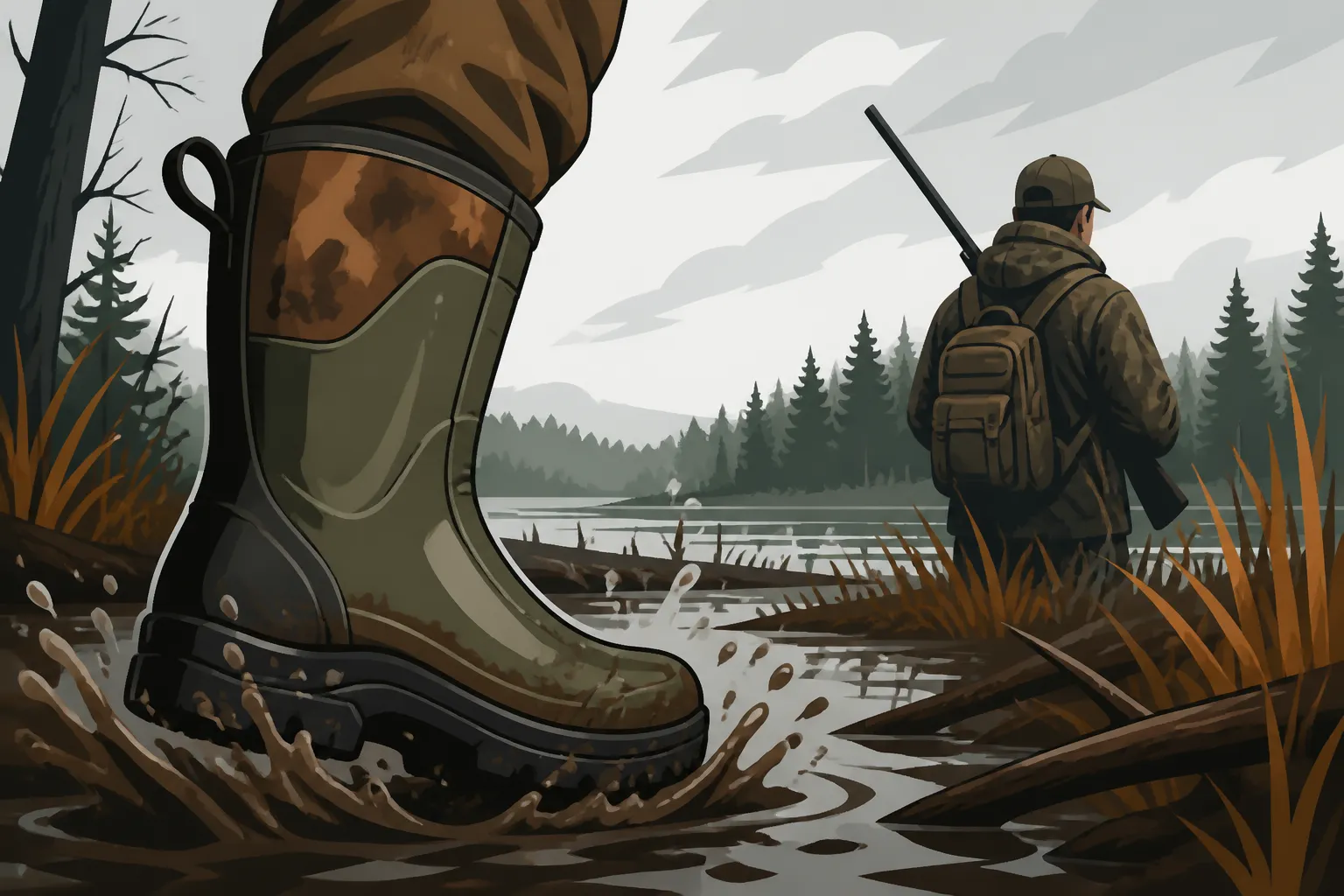
Boots for Wet Ontario Bush
There’s almost nothing more miserable on an Ontario hunting trip than wet feet. You start your morning trek, feeling optimistic, the air crisp and full of promise, only to step into a hidden bog or a deceptively shallow puddle that suddenly swallows your boot. Instantly, that feeling of warmth and preparedness is gone, replaced by a cold, squishy dread that will follow you for the rest of the day. This guide is all about helping you avoid that soggy despair, offering practical advice on choosing and caring for the right footwear to conquer Ontario's notoriously wet bush.
Why Ontario's Bush is a Boot-Breaker's Nightmare (and Dream)
Ontario is a vast province, and while it offers incredible hunting opportunities, it also presents some unique challenges for your footwear. From the dense, mixed forests of the south to the sprawling boreal wilderness up north, wet ground is a constant companion. It's not just about heavy rain; it's the cumulative effect of moisture that can turn a great hunt into a miserable slog.
Understanding the Terrain: Swamps, Bogs, and Beaver Ponds
If you've spent any time hunting in Ontario, you know precisely what I'm talking about. Our landscape is dotted with every imaginable type of wet environment. You could be walking a seemingly dry bush edge, confident in your steps, when suddenly you find yourself sinking into a cattail marsh that looked like innocent tall grass from a distance. The same goes for alder thickets, which often hide muddy, ankle-deep channels, or those seemingly innocuous beaver flows that stretch further and deeper than you ever anticipate.
Think about a classic whitetail hunt in the fall. You're trying to Hunting a Cedar Swamp Edge or follow a deer trail. These areas are magnets for deer, but they're also notorious for holding water, even in drier spells. Beaver ponds, those miniature ecosystems of nature's engineers, are beautiful but treacherous. Crossing a beaver dam might seem like a shortcut, but one slip or an unexpected deep spot and you're soaked. The thick, spongy ground of a muskeg in Northern Ontario can suck the boot right off your foot, while the seemingly solid ground around Hunting Moose Around an Ontario Beaver Pond can be a mere illusion. It's this constant presence of moisture – from standing water to saturated soil – that demands serious consideration for your boots.
The Unpredictable Weather: Rain, Snowmelt, and Dew
Beyond the inherent wetness of the landscape, Ontario's weather adds another layer of complexity. We're a province of extremes, and that means hunters face a wide array of conditions. A crisp fall morning might start with a heavy dew that soaks through inadequate footwear within minutes of stepping off the truck. Then, by midday, a sudden rain shower can turn forest trails into muddy rivers.
Consider hunting during the shoulder seasons, like the early archery opener in September, where daytime temperatures can be surprisingly warm, but overnight lows are chilly, and morning fog clings to everything. Or the late fall gun season, where you might experience anything from torrential downpours to an early snowfall that quickly melts into slush. Even if it hasn't rained in days, subterranean springs, seeps, and trapped water from previous precipitation can create localized wet spots. That feeling of defeat when you know your feet are cold and damp for the rest of the day? We've all been there. It compromises your comfort, your focus, and ultimately, your enjoyment of the hunt. You need boots that can stand up to this kind of relentless moisture, whether you're navigating Hunting Ontario's Mixed Hardwood Bush or Hunting the Haliburton Highlands.
Essential Features for Conquering Wet Ontario Terrain
When you're out in the bush, your boots are more than just footwear; they're a critical piece of safety and comfort gear. In Ontario's wet conditions, certain features move from "nice-to-have" to "absolute necessity." Skimping here is a fast track to misery.
Waterproofing Technologies: Gore-Tex and Beyond
The term "waterproof" gets thrown around a lot, but in the context of serious hunting in Ontario, you need to understand what it truly means. A good waterproof boot for our conditions relies on a membrane that prevents water from getting in while still allowing moisture vapor (sweat) to escape. The gold standard for many years has been Gore-Tex, and for good reason. It's a highly effective membrane that's breathable yet keeps external moisture out. But it's not the only player. Many brands offer their proprietary waterproof membranes (like HydroGuard, UltraDry, etc.) that perform similarly.
However, it's crucial to distinguish between "waterproof" and "water-resistant." Water-resistant boots might handle a light drizzle or a quick splash, but they will eventually saturate if exposed to sustained wetness, like slogging through a swamp or continuous rain. For hunting in Ontario, water-resistant isn't enough. You need true, fully waterproof construction, often denoted by a waterproof membrane and sealed seams. Even the best membrane can fail if the outer material constantly soaks up water, so a durable water repellent (DWR) coating on the exterior is also a big plus. Remember, the goal is not just dry feet, but also feet that don't get clammy from trapped sweat, which leads to coldness even without external water intrusion.
Height and Support: Protecting Ankles and Keeping Water Out
The height of your hunting boot is non-negotiable when dealing with Ontario's wet bush. A low-cut hiking boot, while great for dry, maintained trails, is an open invitation for water to pour over the top in our boggy terrain. You need at least an 8-inch boot, and frankly, for truly wet environments like Marsh Hunting Ducks on the Great Lakes or Hunting a Beaver Flowage in the Bush, a 10-inch or even taller rubber boot is preferable. This extra height provides a critical barrier against unexpected deep puddles, marshy edges, and shallow stream crossings.
Beyond keeping water out, that higher shaft also provides invaluable ankle support. Ontario's bush is not known for its flat, even ground. You're constantly navigating uneven forest floors, slippery rocks, hidden roots, and downed logs. A sprained ankle deep in the wilderness is a serious problem. Good ankle support, often achieved through a stiff but flexible upper and a well-designed lacing system, helps prevent twists and turns, especially when you're carrying a pack or a harvested animal. It's about stability on uncertain footing, allowing you to move confidently and safely through the challenging landscape.
Traction and Outsoles: Grip on Mud, Rocks, and Wet Logs
Anyone who's slipped on a wet rock or slid down a muddy bank knows the importance of a good outsole. The tread pattern and rubber compound on your boots are critical for maintaining traction in Ontario's often-slick conditions. Look for boots with deep, aggressive lugs that can bite into soft mud, loose soil, and leaf litter. A multi-directional tread pattern is usually best, providing grip whether you're climbing up a hill or descending a slippery slope.
The type of rubber matters too. Some compounds are designed to remain flexible and grippy in cold temperatures, which is essential when hunting late in the season. When you're crossing a stream or navigating a Hunting a Beaver Meadow Crossing, those slick, algae-covered rocks demand maximum adhesion. Similarly, stepping over wet, moss-covered logs or navigating slick, decomposing leaves can quickly lead to a loss of footing. A well-designed outsole provides the confidence you need to move stealthily and safely, minimizing the risk of a fall that could end your hunt or, worse, lead to injury.
Types of Boots for Different Wet Hunting Scenarios
Just like you wouldn't use the same rifle for deer and waterfowl, you shouldn't expect one pair of boots to excel in every wet hunting scenario Ontario throws at you. Understanding the pros and cons of different boot types will help you match your footwear to the specific conditions and game you're pursuing.
Rubber Boots: The Ultimate Wet Weather Warrior
For situations where you know you'll be wading, slogging through deep mud, or spending hours in standing water, nothing beats a good pair of rubber boots. Their primary advantage is their absolute impermeability. Made from natural rubber or synthetic materials like neoprene, they offer 100% waterproof protection up to their full height. This makes them ideal for Hunting a Swamp Edge for Whitetails, hunting flooded timber for ducks, or sitting in a blind during a heavy downpour. They are also incredibly easy to clean – just hose them off at the end of the day.
However, rubber boots come with their trade-offs. Breathability is their biggest weakness. While some models incorporate wicking liners or neoprene for insulation, they don't breathe as well as membrane-lined leather or synthetic boots. This means your feet can get sweaty and clammy, which can then lead to cold feet, especially during periods of inactivity. They can also be less supportive than traditional lace-up boots, making long hikes over rough, uneven terrain more tiring. Insulation levels vary wildly, from uninsulated models suitable for early fall Ontario Duck Season Dates by District to heavily insulated versions for deep winter conditions where What a Hard Ontario Winter Culls might be a concern. Brands like Muck Boot and Lacrosse have been staples for generations of hunters for good reason, offering reliable performance when maximum waterproofness is the priority.
Insulated vs. Non-Insulated: Matching Boots to the Season
Choosing the right amount of insulation in your boots is a critical decision, directly impacting your comfort and endurance in the field. Ontario's hunting seasons span from early fall to late winter, encompassing a huge range of temperatures.
For early season hunts, say during the September archery opener or early October small game season, uninsulated or lightly insulated boots (200-400 grams of Thinsulate or equivalent) are often sufficient. You'll be moving more, generating body heat, and too much insulation can lead to sweaty feet, which ironically, can make you cold once you stop. Perspiration is the enemy of warmth, even more so than external cold.
As the season progresses into late October and especially November, when you're often out during Hunting the Rut in Early to Mid November, temperatures drop significantly. This is when 800-1200 gram insulated boots become your best friend. For those truly frigid late-season hunts, when snow is on the ground and temperatures plummet well below freezing, you might even consider 1600 grams or more, particularly if you anticipate long periods of sitting still in a blind or tree stand. The key is to balance warmth with breathability, and always factor in your activity level. If you're constantly on the move, less insulation might be better to prevent overheating and sweating. If you're mainly stationary, pile on the warmth.
Modern Hybrid Boots: Blending the Best of Both Worlds
In recent years, boot manufacturers have made great strides in creating hybrid boots that aim to combine the best features of rubber and traditional hiking boots. These often feature a waterproof rubber or synthetic lower shell that completely encases the foot, providing impenetrable protection from standing water and mud. Above this, they transition to a lighter, more breathable upper made from waterproof leather or synthetic fabrics, often lined with a Gore-Tex-type membrane.
This design offers several advantages. The rubber lower ensures that the most vulnerable part of your foot remains dry, even when walking through shallow streams or muddy trails. The fabric upper, however, allows for better breathability than a full rubber boot, reducing clamminess during longer treks. They also tend to be lighter and more flexible than traditional heavy-duty rubber boots, offering improved comfort and support for varied terrain. Many hybrid boots also feature aggressive outsoles designed for excellent traction on diverse surfaces. While they might not be suitable for wading chest-deep, they are an excellent compromise for hunters who encounter a mix of wet and dry conditions and want a versatile boot that performs well across the board. They're a fantastic option if you’re looking to cover a lot of ground but still expect to encounter plenty of dampness. When considering guided trips or specific hunting areas, consulting platforms like BookYourHunt or GoHunt often provides insights into the typical terrain, which can help inform your boot choice.
Care and Maintenance: Extending the Life of Your Wet-Weather Boots
Even the most expensive, top-of-the-line waterproof boots won't last if they aren't properly cared for. Neglecting your footwear after a grueling hunt in the Ontario bush is a surefire way to shorten its lifespan and compromise its performance. A little effort goes a long way in ensuring your boots are ready for your next adventure.
Cleaning and Drying: Preventing Odour and Deterioration
The first rule of boot care is simple: clean them! As soon as you're back from the bush, don't just kick them off and forget them. Mud, dirt, leaves, and other debris can trap moisture, accelerate wear, and even harbor bacteria and fungi that lead to foul odours. Use a stiff brush and water to remove all external gunk. For rubber boots, a quick rinse with a hose is usually sufficient. For leather or synthetic boots, a damp cloth can remove surface dirt.
Once clean, proper drying is paramount. Never, ever dry your boots directly next to a roaring fire, a heater vent, or a wood stove. Extreme heat can dry out leather, making it crack and stiffen, and can delaminate waterproof membranes, ruining their integrity. Instead, remove the insoles and open the boots up as wide as possible. Stuff them loosely with newspaper to absorb moisture, changing the paper every few hours. A dedicated boot dryer, which circulates warm, gentle air, is an excellent investment, especially if you hunt frequently or have multiple pairs. Air drying in a well-ventilated area, away from direct heat, is always the safest bet. Ensuring boots are completely dry before storage prevents mildew and preserves the materials. This is especially important for multi-day trips where you might need to dry gear like your boots and clothes in a remote camp, ensuring you're ready for the next day, whether you're trying Meat Care in Ontario's Warm Early Seasons or just getting ready for another push.
Regular Waterproofing Treatments: Keeping the Seal Strong
Over time, even the best waterproof membranes can lose their effectiveness, and the exterior materials of your boots can absorb water, making them heavier and colder. This is where regular waterproofing treatments come in. For leather boots, applying a good quality leather conditioner and waterproofing wax or spray is essential. These products help replenish the natural oils in the leather, preventing it from drying out and cracking, while also enhancing its water repellency. Follow the manufacturer's recommendations for application, often a thin, even coat worked into the leather.
For synthetic boots or those with fabric panels, a spray-on Durable Water Repellent (DWR) treatment can revitalize their ability to shed water. You'll notice when your boots need re-treating: water will start to soak into the outer fabric instead of beading up and rolling off. Before applying any treatment, ensure your boots are thoroughly clean and dry. Pay particular attention to seams and stitching, as these are often vulnerable points for water intrusion. A little proactive maintenance throughout the season, and certainly before storing your boots for the off-season, will dramatically extend their life and keep your feet dry for countless hunts to come. When planning for gear purchases, it's a great idea to check out sites like GoHunt, which often have gear reviews and recommendations for maintaining essential items like your boots. Similarly, if you're looking for an outfitter, BookYourHunt might provide insights into the terrain and gear requirements, prompting you to consider boot maintenance before your trip.
Choosing Your Next Pair of Ontario Hunting Boots
Making the right choice for your hunting boots in Ontario isn't about finding the single "best" boot, but rather the best boot for your specific needs, the time of year, and the terrain you'll be covering. Consider the table below as a general guide to help you decide.
| Boot Type | Best For | Pros | Cons | Ideal Season |
|---|---|---|---|---|
| Traditional Rubber Boot | Wading, deep mud, marsh hunting, static sitting | 100% waterproof, easy to clean | Less breathable, can be less supportive, heavier | Early Fall to Late Fall |
| Insulated Rubber Boot | Cold weather, sitting still in wet conditions | Excellent warmth in wet, cold environments, waterproof | Can be bulky, very warm for active hunts, still less breathable | Late Fall to Winter |
| Waterproof Leather/Synthetic | Long treks, varied terrain, moderate wetness | Good support, breathable, durable, versatile | Not for deep wading, requires more maintenance | Early Fall to Mid Fall |
| Hybrid (Rubber Lower/Fabric Upper) | Mixed terrain, occasional wading, active hunting | Great balance of waterproofing and breathability, supportive | Not for extensive deep wading, can still be heavy | Early Fall to Late Fall |
Ultimately, your feet are your foundation in the field. Investing in quality boots and maintaining them diligently is one of the smartest decisions you can make as an Ontario hunter. Dry, comfortable feet mean you can stay out longer, focus better, and enjoy every moment of your time in the beautiful, wild places of this province. Don't let wet feet cut your next adventure short!
Disclaimer
This article is for general informational purposes only and does not constitute professional advice. Laws, prices and regulations vary by location and change over time. Consult a qualified professional for guidance on your specific situation.