Guided Hunts for Hunters From Overseas
Venturing across oceans to hunt in a new country like Ontario presents a unique set of challenges, from deciphering unfamiliar regulations to navigating international travel with firearms and ensuring your hard-earned trophy makes it home. It can feel like a mountain of paperwork and unknowns, making the dream of an authentic Canadian wilderness hunt seem daunting. This guide is here to untangle that complexity, offering clear, actionable insights for overseas hunters planning a guided trip to Ontario, so you can focus on the adventure, not the anxiety.
Navigating the Initial Hurdles for Hunters from Overseas
For anyone travelling from outside Canada to hunt in Ontario, the first step is always understanding the foundational requirements. It’s not just about booking a flight and showing up; there’s a distinct process for non-residents, especially those coming from overseas, that ensures a safe and legal hunt. The government here has specific rules to protect our wildlife and maintain public safety, and knowing them upfront will save you a lot of grief.
Understanding Ontario's Hunting Licences and Permits
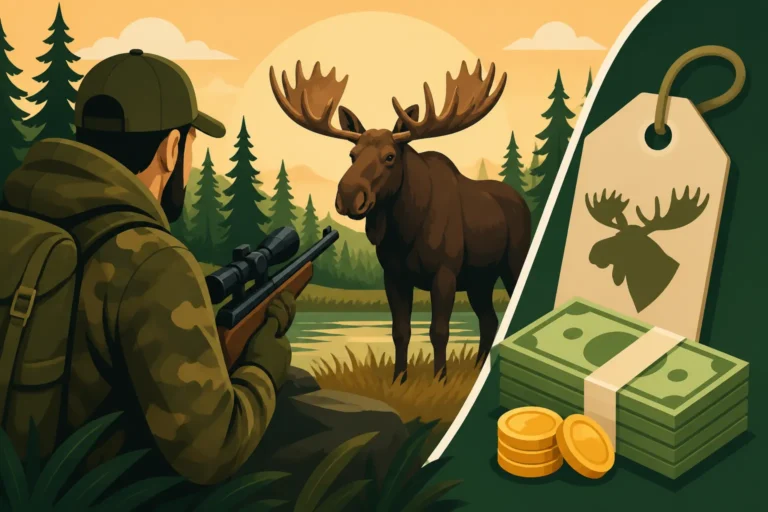
As an overseas hunter, you can’t just walk into a store and pick up a licence like a local resident might. You'll first need an Outdoors Card, which is your gateway to hunting and fishing in Ontario. This card acts as your identification and is required to purchase any hunting licence tag. Beyond the Outdoors Card, you'll need specific licences for the type of game you intend to hunt—be it moose, black bear, or deer. For big game like moose or bear, you'll typically be hunting with an allocation provided through an outfitter, as these tags are often tied to them.
It’s crucial to understand that these aren't merely administrative hurdles. They are designed to manage wildlife populations and ensure sustainable hunting practices. You'll need to demonstrate your hunting proficiency, often by having completed a hunter education course that meets Ontario's standards, or by providing proof of a valid hunting licence from your home jurisdiction. Many overseas hunters find that their existing licences, especially from countries with robust hunter education, are accepted. Always confirm these details well in advance of your trip. The process for applying for and receiving these documents can take time, so procrastination is definitely not your friend here.
Importing Firearms and Ammunition into Canada
This is perhaps the biggest point of anxiety for many international hunters, and understandably so. Bringing a firearm across an international border requires careful attention to detail. Canada has very clear and strict regulations concerning firearms. You cannot simply pack your rifle or shotgun and hope for the best. The primary document you'll need is the Non-Resident Firearm Declaration (form RCMP 5589). You fill this out in triplicate, but do not sign it until you are in the presence of a Canadian Border Services Agency (CBSA) officer when you arrive. This declaration effectively acts as a temporary licence for your specific firearm(s) for the duration of your trip.
The type of firearm matters too. Handguns are generally prohibited for hunting in Canada, and certain semi-automatic rifles may also be restricted or prohibited. It's vital to research and confirm that your chosen hunting firearm is legal for import and use in Ontario before you even consider packing it. Ammunition also has limits; generally, you can bring up to 200 rounds per person, but it must be properly stored in a separate, secure container from the firearm. For more detailed guidance, reading up on Bringing Firearms Into Ontario is a must. Failure to comply with these rules can result in confiscation of your firearms, fines, and even denial of entry into Canada, which would be a heartbreaking end to your hunting dream before it even begins.
Choosing the Right Ontario Outfitter for International Guests
Finding the perfect outfitter is paramount when you're travelling from overseas. They are not just providing a place to hunt; they are your local expert, your guide through regulations, and often your first point of contact in a new country. A good outfitter understands the unique needs and concerns of international clients and can make all the difference in the success and enjoyment of your hunt.
What to Look For in an International Outfitter
When you're looking for an outfitter, especially as an international guest, you want to find one with a proven track record of handling non-resident clients. This means they should be well-versed in the requirements for importing firearms, processing permits, and handling the export of game meat and trophies. They should be able to clearly communicate what’s included in their package and what isn’t, leaving no room for unpleasant surprises. A reputable outfitter will also be transparent about their success rates and the challenges of the hunt. They understand that you've invested significant time and money to get here, and they'll go the extra mile to assist with all the logistical aspects that are specific to overseas travellers.
Consider their communication style as well. Are they responsive to emails and calls, even across time zones? Do they speak English clearly, or have staff who can translate effectively if needed? These might seem like minor details, but clear communication is critical when dealing with complex regulations and travel plans. Platforms like BookYourHunt can be a great starting point, as they often list outfitters who cater to international clientele and provide customer reviews that can give you insights into their experience with non-resident hunters.
Vetting Your Potential Guide and Booking Your Trip
Before you commit, it’s always wise to thoroughly vet any potential outfitter. Ask for references, specifically from hunters who have travelled from your region or a similar international background. Speak to these references about their experiences with the outfitter’s assistance with travel, customs, and trophy handling. You want to ensure they aren’t just good hunters, but also good hosts and administrators. Inquire about the experience of their guides—are they knowledgeable about the specific game you're after, and do they understand the nuances of hunting pressure in Ontario?
Don’t hesitate to ask detailed questions about the hunt itself: the terrain, the typical weather conditions, the methods of hunting, and what kind of physical fitness is required. An outfitter who focuses on international clients will be prepared for these questions and eager to provide comprehensive answers. Discuss their policies on deposits, cancellations, and what happens if unforeseen travel issues arise. Having a clear understanding of Ontario Deposit and Cancellation Terms upfront can save a lot of headaches later. Sometimes, using a service like GoHunt can help streamline this research, offering detailed profiles and vetting information about various operations.
Understanding the Logistics of an Overseas Ontario Hunt
Once you've secured your outfitter and permits, the practicalities of travel, customs, and getting your trophy home come into focus. This stage requires careful planning and attention to detail, as hiccups here can be costly and frustrating.
Travel, Customs, and Firearm Declaration at the Border
Your journey begins with carefully packing your firearms according to Canadian regulations. This means an unloaded firearm, preferably disassembled if possible, in a locked, non-transparent case. Ammunition should be stored separately, also in a locked container. When you arrive at your port of entry (typically a major airport like Toronto Pearson or a border crossing if driving), you'll declare your firearms to the CBSA officer. This is where you'll present your unsigned Non-Resident Firearm Declaration, which the officer will review, stamp, and have you sign. You’ll pay a fee for this permit, which is valid for 60 days. Keep this stamped form with you at all times, along with your Outdoors Card and hunting licences, as it is your proof of legal firearm possession in Canada.
Be prepared for a potentially lengthy process at customs, especially at busy airports. Officers need to ensure everything is in order, and this takes time. Patience is key. Having all your documents organized and easily accessible will greatly assist in a smooth process. It's also wise to carry copies of all your permits and declarations separately from the originals, just in case. After clearing customs, you'll pick up your checked baggage, including your firearm case, and then proceed to your connecting flight or ground transportation to meet your outfitter.
Trophy and Meat Export Regulations
Successfully harvesting an animal is just one part of the equation; getting your trophy and meat back to your home country is the other. This process is often more complex for overseas hunters due to international wildlife regulations, customs, and health inspections. First, you'll need an export permit from the Ontario government for any game meat or trophy parts you wish to take out of the province. Your outfitter should be highly experienced in assisting with this process, as they typically know the local regulations and can help arrange for taxidermy and meat processing.
You’ll also need to consider the import regulations of your home country. Many countries have strict rules about importing animal products, including specific health certificates or permits. It’s your responsibility to research and understand these regulations before you hunt. For example, some countries might require meat to be deboned or processed in a specific facility. Antlers, capes, and hides often require a CITES (Convention on International Trade in Endangered Species) permit if the species is listed, although for common Ontario game like white-tailed deer, moose, or black bear, this is generally not an issue. However, always confirm. Your outfitter can usually recommend local meat processors and taxidermists who are experienced in preparing game for international shipping. Remember that shipping large amounts of meat or a full shoulder mount can be quite expensive, so factor these costs into your overall budget. For more details on the process, see Getting a Non-Resident Export Permit and Taking Meat and Antlers Across the Border.
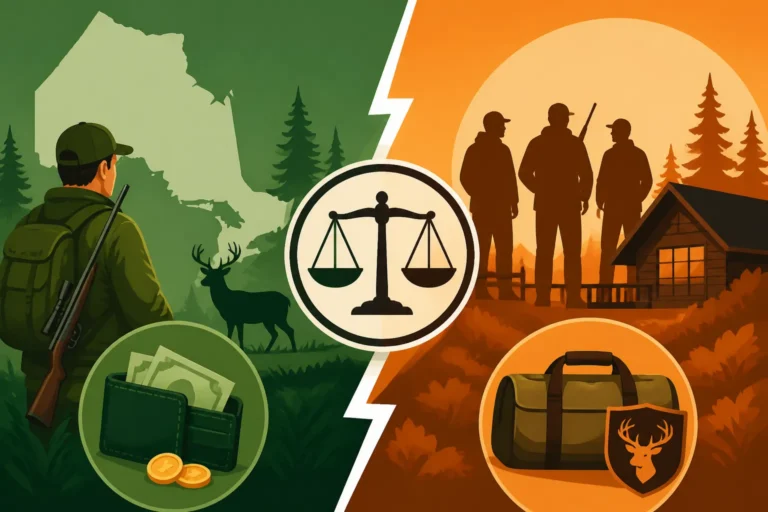
Here's a quick comparison of key considerations for residents versus overseas non-residents when hunting in Ontario:
| Aspect | Ontario Resident Hunter | Overseas Non-Resident Hunter |
|---|---|---|
| Outdoors Card | Required, purchased through Ontario's licensing system. | Required, purchased through Ontario's licensing system. |
| Hunting Licence | Purchased directly after Outdoors Card. | Purchased after Outdoors Card, often tied to an outfitter allocation for big game. |
| Firearm Possession | Possesses a Canadian firearms licence (PAL). | Requires a temporary Non-Resident Firearm Declaration (RCMP 5589) upon entry. |
| Firearm Storage/Transport | Must follow Canadian regulations (e.g., unloaded, locked). | Same as residents, plus specific international transport rules (e.g., locked case, separate ammo). |
| Import/Export Permits | No import/export needed within Canada. | Canadian Non-Resident Firearm Declaration (import); Ontario Export Permit for game (export). |
| Customs Clearance | N/A | Required for firearms upon entry; additional clearance for game products upon re-entry home. |
| Hunter Education | Mandatory Ontario Hunter Education Course. | Proof of equivalent hunter education from home country or Ontario course. |
| Guided Hunt Necessity | Optional, but highly recommended for certain species. | Often required for big game (e.g., moose, bear) as tags are allocated to outfitters. |
| Total Cost | Licences, gear, travel. | Licences, gear, travel, outfitter fees, firearm declaration fee, export/shipping fees, travel insurance. |
Making the Most of Your Ontario Hunting Adventure
You've done all the hard work getting here; now it's time to truly immerse yourself in the Ontario hunting experience. Beyond the legalities and logistics, there are practical and cultural aspects that will enhance your trip and ensure you have a memorable and respectful hunt.
Preparing for Ontario's Wilderness and Weather
Ontario's wilderness is vast and beautiful, but it can also be challenging, especially for those unfamiliar with its specific conditions. Weather can change rapidly, from warm, sunny days to cold, wet, or even snowy conditions, sometimes all within the same week, depending on the season. This means proper layering is absolutely critical. Forget trying to look like a fashion model; functional, durable, and waterproof gear is your best friend. A good quality pair of waterproof boots that are comfortable for walking long distances through varied terrain is non-negotiable.
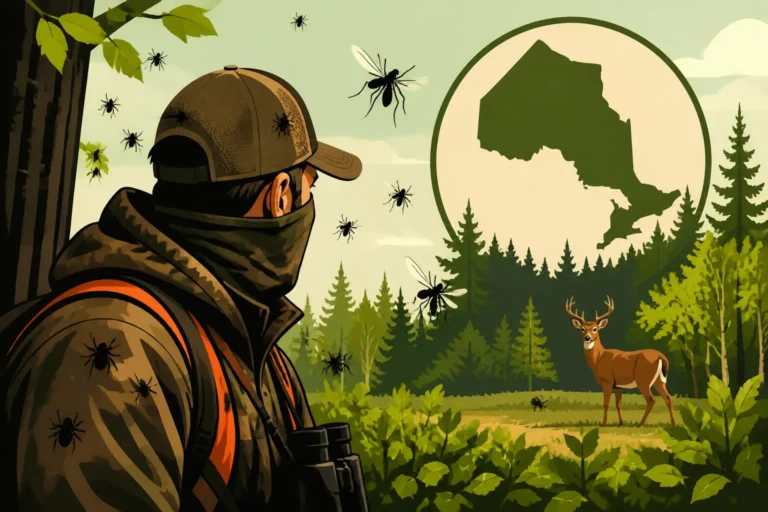
Expect uneven ground, thick bush, and potentially wet conditions. The biting insects, especially during spring and early fall bear hunts, can be formidable. Pack good quality insect repellent and head nets if your hunt falls within those periods. Discuss the expected terrain and weather with your outfitter well in advance so you can pack appropriately. They are the local experts and can provide invaluable advice on what to bring to an Ontario Bush Camp. Understanding that this is a wild environment, and preparing for it, will contribute hugely to your comfort and enjoyment.
Embracing the Local Culture and Hunter Etiquette
Hunting in Ontario, especially with an outfitter, often involves spending time in a camp with your guides and potentially other hunters. Embracing the local culture and demonstrating good hunter etiquette will make your experience far more enjoyable for everyone. Canadians are generally friendly and appreciate politeness and a good sense of humour. Be open to sharing stories, helping out around camp if appropriate, and respecting the routines and customs of your hosts.
Your guide is there to help you succeed, but also to ensure a safe and ethical hunt. Listen to their instructions carefully and follow their lead. They know the land, the animals, and the regulations. Be realistic about your expectations; hunting is not a guarantee, and respect for the animal and the fair chase is paramount. A successful hunt isn't just about filling a tag, but about the experience, the camaraderie, and the respect for nature. Understanding Etiquette in an Ontario Hunt Camp will ensure you leave a positive impression and make lasting memories. Many outfitters also operate in remote areas where cell service might be spotty or non-existent. Embrace the unplugged experience; it’s part of the charm of an Ontario wilderness adventure.
Disclaimer
This article is for general informational purposes only and does not constitute professional advice. Laws, prices and regulations vary by location and change over time. Consult a qualified professional for guidance on your specific situation.