Ontario Deposit and Cancellation Terms
Booking an exciting hunting adventure in Ontario is a dream for many, but the initial joy can quickly turn into anxiety when you start looking at the financial commitments, especially deposits and the dreaded thought of cancellation. Nobody wants to lose hard-earned money, and understanding the fine print before you commit is absolutely essential to avoid headaches down the road. This guide is here to walk you through the nitty-gritty of outfitter deposit and cancellation terms, helping you protect your investment and embark on your Ontario hunt with confidence.
Understanding the Basics of Hunt Deposits
When you decide to book a guided hunt, whether it's for big game like moose or bear, or a bird hunt, the first step is almost always a deposit. This isn't just a formality; it's a critical part of the outfitter's business and your commitment to the trip.
Why Outfitters Require Deposits
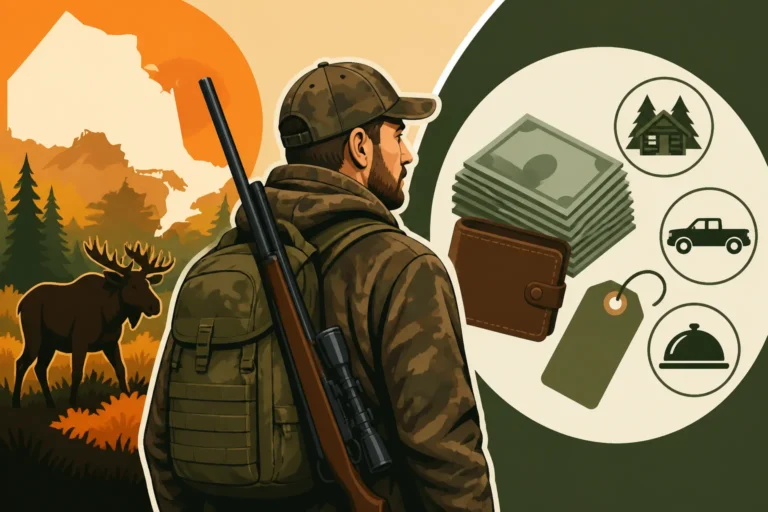
Think of a hunt deposit as a mutual agreement that secures your spot and gives the outfitter the green light to start preparing for your arrival. From the outfitter's perspective, they're often blocking out specific dates on their calendar, turning away other potential clients to hold that slot for you. This means a direct financial impact if you don't show up. Beyond just holding the date, deposits often help cover significant upfront costs. Outfitters need to invest in scouting new areas, maintaining their camps, purchasing food and supplies, securing permits, and sometimes even managing provincial tag allocations well in advance of the season.
For instance, if you're planning a Moose Hunting Ontario's Northern Bush trip, that outfitter might need to apply for group tags or specialized permits months before your hunt. Your deposit shows you're serious about taking one of those limited spots. It signals a committed partnership, allowing them to confidently plan the logistics, hire guides, and ensure all the necessary equipment and provisions are ready for your group. Without a deposit, an outfitter runs the risk of last-minute cancellations leaving them with empty dates and significant financial losses.
Common Deposit Structures
Deposits aren't one-size-fits-all, and you'll encounter various structures depending on the outfitter, the type of hunt, and the overall cost. The most common approach is a percentage-based deposit, often ranging from 25% to 50% of the total hunt package price. This percentage is typically due upfront when you book, especially if you're Booking an Ontario Hunt a Year Ahead or more. For example, a $5,000 hunt might require a $1,500 to $2,500 initial deposit.
Another structure is a fixed amount deposit, where you pay a flat fee regardless of the total package cost. This is sometimes seen for shorter, less expensive hunts or as an initial booking fee before a more detailed package is finalized. Finally, staged payments are also quite common, particularly for high-value trips. This might involve an initial deposit, a second payment due several months before the hunt, and the final balance payable closer to the trip date or upon arrival. Always clarify these payment deadlines, as missing a payment could be treated as a cancellation on your part, leading to forfeiture of amounts already paid.
What Your Deposit Usually Covers and Doesn't
It's easy to assume your deposit covers everything, but it's crucial to understand its scope. Typically, your deposit secures your spot and contributes to the outfitter's operational costs incurred in preparing for your hunt. This includes the administrative effort of booking, calendar management, initial scouting trips, and potentially the cost of holding specific provincial tags or licenses in the outfitter's allocation, especially for highly sought-after species like moose. It essentially buys you a reservation and a portion of the outfitter's planning and readiness.
However, a deposit rarely covers the full spectrum of your hunting expenses. It generally does not include the cost of your personal hunting licences and tags from the province, which you'll need to purchase separately (e.g., Ontario Hunting Licences and What They Cost). It also won't cover your travel to and from the camp, any required firearms declarations, meat processing costs after a successful harvest, taxidermy, or personal gear. Furthermore, it won't typically cover any "trophy fees" if the outfitter charges them for specific animals, or any additional services you request during the hunt that weren't part of the original package. Always get a clear breakdown of what your "all-inclusive" package truly includes.
Navigating Cancellation Policies
Cancellations are an unfortunate reality, and how an outfitter handles them can significantly impact your financial risk. A clear understanding of their cancellation policy before you book is non-negotiable.
The Spectrum of Cancellation Terms
Cancellation terms are as varied as the outfitters themselves, ranging from very flexible to extremely rigid. At one end of the spectrum, you might find an outfitter who offers a full refund if you cancel within a very narrow, early window, perhaps a week after booking, or if they manage to rebook your exact spot. This is rare for popular hunts but can happen. More commonly, you'll encounter policies that offer a partial refund, but typically with a substantial administrative fee or only if the cancellation occurs many months, or even a year, in advance.
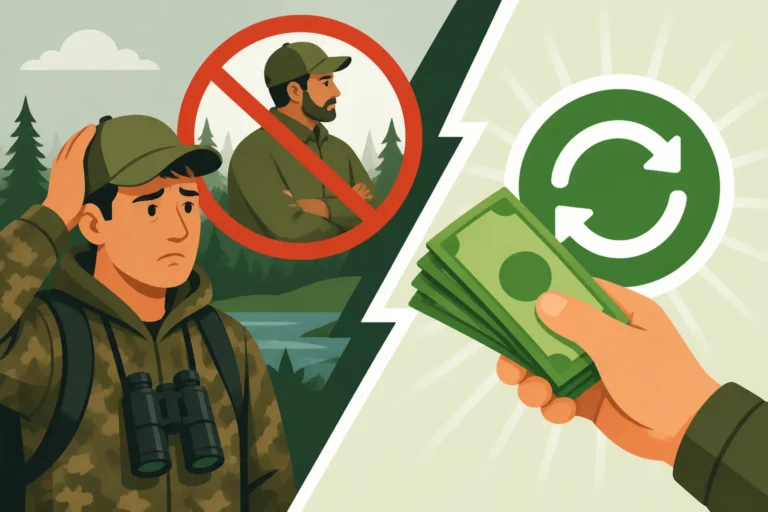
On the other end, many outfitters operate on a strict "deposit non-refundable" policy, especially for trips booked far in advance. In these cases, if you cancel, you forfeit your deposit entirely. Some outfitters might offer a credit for a future hunt, allowing you to rebook for a later date, often within a specific timeframe and sometimes with a rebooking fee. This is often seen as a goodwill gesture rather than a contractual obligation. It's imperative that you read and understand the specific policy before signing anything, as some policies might state full forfeiture of all payments made if you cancel within a certain period, say 90 days, of the hunt.
Common Triggers for Cancellations
Cancellations can happen for a myriad of reasons, both on the hunter's side and the outfitter's. For hunters, personal emergencies are a frequent trigger: a sudden illness or injury, a family emergency, or an unexpected change in work commitments that makes it impossible to take the time off. Sometimes, financial constraints arise unexpectedly, forcing a hunter to reconsider their trip.
On the outfitter's side, while less common, cancellations can also occur. These might stem from unforeseen circumstances like natural disasters (severe wildfires impacting a hunting area, for example), changes in provincial hunting regulations that affect the availability of tags or access to certain lands, or even, in rare cases, an outfitter needing to cancel due to unforeseen operational issues or overbooking. While reputable outfitters will do everything to avoid cancelling, it's a possibility you need to be aware of. Knowing how an outfitter handles these situations, especially if they are the ones cancelling, is paramount.
Rebooking and Transferring Deposits
When life throws a curveball and you need to cancel, the possibility of rebooking or transferring your deposit can be a lifeline. Many outfitters, especially those who value long-term client relationships, will try to accommodate rebooking requests. This often means applying your existing deposit to a new hunt date in a future season, though it might come with an administrative fee to cover the costs of rescheduling and the potential loss of income from the original slot. The terms for rebooking can vary significantly, so ask specifically about it.
Another option, though less common and entirely at the outfitter's discretion, is the ability to transfer your deposit to another hunter. Perhaps a friend or family member is willing to take your spot. This can be a win-win, as the outfitter still gets a client for the booked dates, and you might recoup some or all of your deposit from the new hunter. However, outfitters may charge a transfer fee to cover administrative changes to paperwork and permits. It's crucial to clarify if this is an option before you commit, and remember that even if allowed, the outfitter might require the new hunter to meet specific criteria or complete their own booking process. Some platforms like BookYourHunt or GoHunt sometimes offer resources or advice on how to navigate these situations.
The Importance of Written Agreements and Communication
In the world of guided hunts, your written contract is your bible. Relying on verbal assurances, however friendly, is a recipe for potential disappointment and disputes.
Why a Contract is Your Best Friend
A well-drafted contract isn't just a formality; it's a legally binding document that protects both you and the outfitter. It lays out all the terms and conditions, leaving no room for ambiguity. A good contract for an Ontario hunt should explicitly detail the hunt dates, the exact species you'll be pursuing, what's included in the package (e.g., lodging, meals, guide services, transportation during the hunt, What Ontario Outfitters Provide in Camp), and what is specifically excluded (e.g., licences, personal gear, taxidermy, gratuities).
Crucially, the contract must clearly state the total cost, the payment schedule (including when the final balance is due), and the precise deposit and cancellation terms. This includes any grace periods, administrative fees for changes, and scenarios under which a refund or rebooking might be offered. Before you sign, take the time to read every single clause, even the small print. If anything is unclear, ask for clarification in writing. This proactive approach will save you immense stress if unforeseen circumstances force a change in your plans.
Key Information to Confirm Before Paying
Beyond the basic deposit amount, there's a wealth of information you should confirm before you hand over any money. First, clarify the complete payment schedule: when is the remaining balance due? Are there any intermediate payments? What payment methods are accepted (e.g., credit card, bank transfer, cheque, cash)? Some outfitters in remote areas might prefer specific methods or have surcharges for others.
Next, confirm the exact terms for cancellation: What is the deadline for a partial refund, if any? What happens if you miss a payment deadline? Is that considered a cancellation with forfeiture? How must a cancellation be communicated – via email, certified mail, phone call? Make sure you understand the preferred method. It's also wise to ask about hypothetical situations: "What if I get sick a month before the hunt?" or "What if the outfitter needs to cancel due to severe weather?" Having these discussions upfront can reveal an outfitter's flexibility and customer service philosophy, even if those specific scenarios aren't exhaustively detailed in the contract.
Documenting All Communications
In any significant transaction, documentation is key. This is especially true when booking a hunting trip where deposits can be substantial and plans can change. Keep a meticulous record of every interaction you have with the outfitter. This means saving all emails, even casual ones, as they can clarify details or confirm arrangements. If you have phone conversations, make notes immediately afterward, including the date, time, who you spoke with, and the key points discussed.
Save all receipts for payments made, whether they are email confirmations, scanned cheques, or credit card statements. This paper trail is invaluable if any dispute arises regarding payments, dates, or services. Should you need to cancel or make changes, ensure these requests are also made in writing (email is usually sufficient, as long as you get a confirmation of receipt) and keep a copy for your records. This practice provides tangible evidence of your communications and financial transactions, offering you solid ground to stand on if there are ever disagreements.
Mitigating Your Risk: Insurance and Vetting
While a solid contract is your first line of defense, additional measures can provide peace of mind and financial protection against the unexpected.
Hunting Trip Insurance: A Smart Investment
Think of hunting trip insurance as your financial safety net for those "what if" scenarios that aren't covered by an outfitter's cancellation policy. Unlike general travel insurance, specialized hunting trip insurance can offer tailored coverage for things like non-refundable hunt deposits and fees, medical emergencies in remote areas, equipment loss, trip interruption, and even emergency evacuation. If you suddenly fall ill, have a family emergency, or your flight gets severely delayed causing you to miss part of your Spring Turkey Hunting in Ontario trip, this insurance can help recoup your costs.
Many hunters overlook this, but considering the significant investment in a guided hunt, the cost of insurance is often a small price to pay for protection. Companies like those often associated with BookYourHunt or GoHunt might offer or recommend specific providers for Ontario Hunt Cancellation Insurance or Travel Insurance for a Hunting Trip designed with hunters in mind. Before purchasing, read the policy carefully to understand what is and isn't covered, paying close attention to "covered reasons" for cancellation and any exclusions related to specific activities or pre-existing conditions.
Vetting Your Outfitter Thoroughly
Before you even get to the point of discussing deposits, investing time in thoroughly vetting your chosen outfitter is critical. This due diligence can prevent many headaches down the road, including potential issues with deposit disputes or cancellations. Start by researching their reputation: read online reviews, check forums, and most importantly, ask for recent references. A reputable outfitter will happily provide contact information for past clients. Take the time to call these references and ask specific questions about their experience.
Confirm that the outfitter is properly licensed to operate in Ontario and carries adequate liability insurance. This protects both you and them in case of an accident. You can often check with provincial tourism or hunting associations for accredited operators. Understanding How to Vet an Ontario Outfitter goes a long way in ensuring you're dealing with a professional and reliable business, reducing the likelihood of them cancelling on you or handling a cancellation poorly. A trustworthy outfitter will be transparent about their operations and terms.
Understanding Force Majeure Clauses
A "force majeure" clause is a standard legal provision found in many contracts, including those for guided hunts, and it's particularly relevant when planning adventures in the wilderness. This clause addresses unforeseeable circumstances or "acts of God" that are beyond the control of either party and make it impossible or impractical to fulfill the contract. Examples include natural disasters (severe weather, wildfires, floods), epidemics or pandemics, government actions (new regulations, travel bans), or civil unrest.
What this means for your deposit and cancellation is that if a force majeure event occurs, the outfitter typically won't be held liable for a full cash refund. Instead, the clause often allows them to offer alternatives, such as postponing your hunt, rescheduling it for a future season, or providing a credit for a different trip. While this can be frustrating if you were hoping for a full refund, it protects the outfitter's business from collapse due to events entirely outside their control. Always clarify how the outfitter's force majeure clause is worded and what recourse you would have under such circumstances.
Common Deposit and Cancellation Scenarios
Let's explore a few real-world scenarios to illustrate how deposit and cancellation terms often play out, and why being prepared makes all the difference.
The Last-Minute Illness or Injury
Imagine you've booked an exciting Black Bear Hunting in Ontario trip, put down a significant deposit, and made your final payment. A week before you're scheduled to depart, you suffer an unexpected injury or fall severely ill, making travel and hunting impossible. What typically happens? Without hunting trip insurance, you would likely forfeit most, if not all, of your payments. Most outfitter contracts consider personal illness or injury a "hunter-initiated cancellation" and their standard non-refundable policies would apply.
This is precisely where good trip insurance becomes invaluable. If your policy covers medical emergencies or trip cancellation due to illness, you could file a claim and potentially recover your non-refundable deposits and other pre-paid expenses. The outfitter, while sympathetic, still has fixed costs for your reserved spot (guides, food, camp preparations) and would adhere to their contractual terms. This scenario highlights the core benefit of insurance: it steps in to protect your financial investment when life throws an unexpected curveball.
Unexpected Work Conflict
Picture this: you've planned a fantastic Whitetail Hunting in Ontario trip for the November gun season, paid your deposits, and even taken vacation time. Suddenly, a critical, mandatory work project comes up that requires you to be in the office during your hunting week, and rescheduling isn't an option. Unless your outfitter has an exceptionally flexible policy for rebooking or your trip insurance specifically covers job-related conflicts (which is not always standard, so check your policy!), you could be facing a complete loss of your payments.
Most outfitter contracts don't make exceptions for changes in a hunter's employment schedule. From their perspective, they've held those dates and incurred costs based on your commitment. This situation underscores the importance of securing your vacation time well in advance and, if work instability is a concern, seeking out trip insurance that offers broader "cancel for any reason" coverage (though this type of policy often costs more and has specific limitations). Without such provisions, a work conflict typically falls under a standard hunter-initiated cancellation, with the associated penalties.
Outfitter Cancels Due to Unforeseen Circumstances
Let's consider a different scenario. You're booked for a Moose Hunting Ontario's Northern Bush trip, all deposits paid, and looking forward to your adventure. A month before your hunt, the outfitter calls to inform you that due to unprecedented wildfires in the hunting area, the provincial government has issued a mandatory evacuation and closure, making it impossible to conduct the hunt. What are your rights here?
This is where the "force majeure" clause in your contract comes into play. A reputable outfitter will typically offer a full credit for a future hunt, allowing you to rebook for the following season at no additional charge. Some might offer a partial refund, but a full cash refund isn't always guaranteed, as the outfitter might have already incurred significant non-recoverable costs for that season. Trip insurance, especially comprehensive policies, might also offer options in such a scenario, potentially covering non-refundable deposits or offering rebooking assistance. The key is that the outfitter is usually not at fault for these external events, and the contract dictates the fair resolution for both parties. Always ask about this clause and how they handle such disruptions.
Here's a summary of typical scenarios:
| Scenario | Typical Deposit Impact (No Insurance) | Typical Cancellation Impact (No Insurance) | Role of Trip Insurance |
|---|---|---|---|
| Hunter's Illness/Injury | Forfeited | Forfeited (or credit if outfitter is lenient) | Can reimburse non-refundable deposits for covered reasons |
| Hunter's Work Conflict | Forfeited | Forfeited (or credit if outfitter is lenient) | May reimburse if "cancel for any reason" is purchased |
| Outfitter's Operational Issue | Full refund or credit (outfitter dependent) | Full refund or credit (outfitter dependent) | May cover additional travel/rebooking costs if trip disrupted |
| Government Closure (Wildfire) | Credit for future hunt (force majeure) | Credit for future hunt (force majeure) | May cover non-refundable deposits for specified events |
| Missed Payment Deadline | Forfeited (treated as cancellation) | Forfeited | Generally not covered, as it's a hunter's oversight |
| Hunter Wants Different Dates | Forfeited or rebooking fee (outfitter discretion) | Forfeited or rebooking fee (outfitter discretion) | Not typically covered |
This table provides a general overview, but remember, every outfitter's contract is unique, and individual trip insurance policies have their own terms and conditions. Always read the fine print!
Disclaimer
This article is for general informational purposes only and does not constitute professional advice. Laws, prices and regulations vary by location and change over time. Consult a qualified professional for guidance on your specific situation.