Which Airport to Fly Into for Your Hunt
Heading into an Ontario hunting adventure is exhilarating, but for many, especially those flying in, the sheer size of the province can make the first step – choosing which airport to fly into – feel overwhelming. You've got vast distances, remote wilderness, and specific logistical considerations for your gear and firearms. This guide is here to cut through the confusion and help you pinpoint the best airport for your specific hunting trip, ensuring your journey starts as smoothly as possible, no matter if you're chasing whitetails in the south or moose deep in the boreal forest.
Navigating Ontario's Vastness: Where Your Hunt Begins
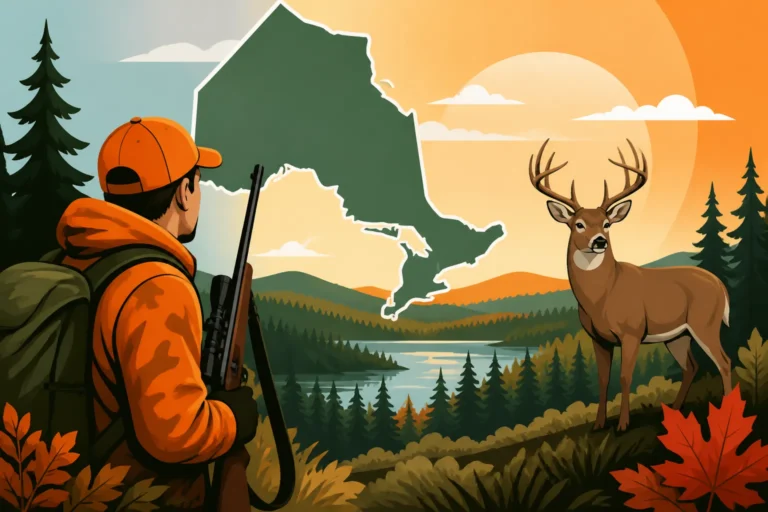
Ontario is not just a province; it’s a geographical titan, stretching from the temperate shores of the Great Lakes all the way to the subarctic tundra near Hudson Bay. This incredible diversity means that picking the right airport isn't a "one size fits all" decision. Your ultimate hunting destination, whether it's a specific Wildlife Management Unit (WMU) or the location of your booked outfitter, will be the biggest factor in determining your flight path.
The Geography of Ontario and Your Hunt Location
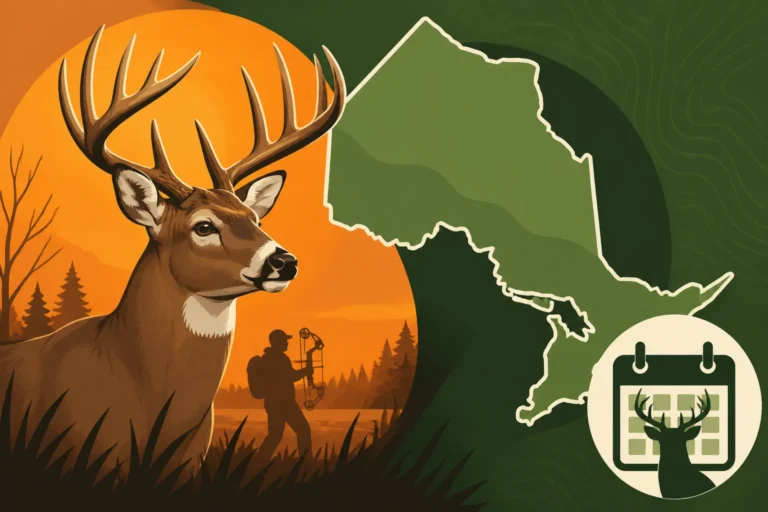
Think of Ontario in broad strokes: Southern Ontario is primarily agricultural land with pockets of dense bush, excellent for whitetails and wild turkeys, and relatively close to major population centres. Central and Eastern Ontario feature rugged Canadian Shield terrain, mixed forests, and more remote opportunities. Then, you have the immense expanses of Northeastern and Northwestern Ontario, dominated by boreal forest, teeming with moose and black bears, and often requiring significant travel beyond the airport. Knowing which of these regions your hunt falls into is paramount.
For instance, a trophy whitetail hunt near Lake Erie in southwestern Ontario will demand a completely different travel strategy than a remote moose hunt north of Thunder Bay. The infrastructure changes dramatically as you head north, with fewer direct flights and often less frequent ground transportation options. It’s crucial to match your airport choice to the specific area where you'll be spending your hunting days, minimizing extra travel time and logistical headaches.
Many hunters use platforms like BookYourHunt to find and book trips, and these listings often provide details on the nearest accessible airports. Likewise, researching areas on GoHunt might give you a better feel for the region you intend to explore. Always consider the total travel time, not just the flight. A cheaper flight to a major hub might seem appealing, but if it adds an extra 8-10 hours of driving to your destination, it might not be worth the initial savings.
Major International Hubs: Toronto Pearson (YYZ) and Billy Bishop (YTZ)
For most international travelers, especially those from the United States, Toronto Pearson International Airport (YYZ) is likely to be your first point of entry into Ontario. It's Canada's busiest airport, offering the widest range of direct flights from global destinations. This means more flexibility with travel dates and often more competitive pricing for your initial leg of the journey.
However, Pearson's immense size and distance from many prime hunting grounds are critical considerations. If your hunt is in Northern Ontario, flying into Toronto will almost certainly mean a connecting flight to a smaller regional airport, or a very long drive. Managing firearms and luggage through a busy hub like Pearson can also be a more complex experience, especially during peak travel times. It requires diligent planning and adherence to airline and border regulations.
Billy Bishop Toronto City Airport (YTZ), located on an island near downtown Toronto, offers a more boutique experience with regional flights, primarily from the US northeast and other Canadian cities. While it's convenient for downtown Toronto access, it's generally not the preferred choice for hunters heading to remote areas, as its flight network is smaller and less geared towards connecting to the far north. For most hunting trips, particularly those involving a significant amount of gear or firearms, Pearson remains the primary international gateway, often serving as a necessary transfer point.
Regional Gateways: Getting Closer to the Bush
While Toronto is the main entry point for many, Ontario boasts several excellent regional airports that can significantly reduce your travel time to hunting camps, especially in the northern reaches of the province. These airports often cater specifically to hunters, anglers, and outdoor enthusiasts, offering a smoother transition into the wilderness.
Northwestern Ontario: Thunder Bay and Beyond
For those venturing into Ontario's vast northwestern wilderness, Thunder Bay International Airport (YQT) is your primary hub. This airport serves as the gateway to some of the province's most renowned hunting areas for moose, black bear, and even some exceptional whitetail opportunities. From Thunder Bay, you can often arrange transportation directly with your outfitter, or pick up a rental vehicle to complete your journey.
Beyond Thunder Bay, smaller airports like Dryden (YHD), Sioux Lookout (YXL), Kenora (YQK), and Fort Frances (YRL) serve as critical lifelines to even more remote regions. These are frequently used for Moose Hunting Ontario's Northern Bush and Black Bear Hunting in Ontario. Hunters often fly into one of these smaller airports, then either get picked up by their outfitter, hire a local shuttle, or, for truly remote camps, transition to a float plane charter. These flights are usually short hops from larger cities like Toronto or Winnipeg, putting you right on the doorstep of pristine hunting grounds. Remember, these smaller airports have fewer amenities and flight options, so planning connections carefully is key.
These northwestern airports are particularly strategic if you’re planning a canoe-in hunt or exploring extensive Crown Land. Understanding the Hunting Northwestern Ontario's Big Bush logistics starts with knowing which regional airport offers the best access to your target WMU. Outfitters in these regions are very accustomed to working with traveling hunters and can often provide specific advice on the best flight routes and ground transportation.
Northeastern Ontario: Sudbury, Timmins, and North Bay
Heading east into Northeastern Ontario, airports such as Sudbury (YSB), Timmins (YTS), and North Bay (YYB) become the key access points. This region is characterized by its expansive boreal forest and the rich "Clay Belt" area, offering superb opportunities for moose and bear. These airports are well-equipped to handle regional jet traffic and provide a more direct route to many camps than driving from Toronto.
Sudbury, in particular, acts as a significant hub for accessing central and northeastern Ontario. From here, you might drive north towards areas around Chapleau or east towards Algonquin Provincial Park's fringes. Timmins serves the truly northern parts of the Clay Belt, known for its productive moose habitat. North Bay is strategically located for hunts in the Algonquin Highlands and surrounding areas.
Outfitters in this part of Ontario often arrange pick-ups from these regional airports, or they'll advise on rental car options for the final leg of your journey. Many hunters flying into these locations are on Booking an Ontario Moose Hunt or Booking an Ontario Black Bear Hunt, seeking the vast wilderness and strong game populations these areas are known for. It’s always best to consult your outfitter directly about which airport they recommend and what transfer services they offer. This region's accessibility through these airports makes it a favoured choice for hunters wanting a deep woods experience without an excessively long drive after landing.
Central and Southern Ontario Access
While many Southern Ontario hunts are easily accessible by driving, especially for residents, fly-in options do exist and can be beneficial for non-residents or those coming from farther afield. Ottawa International Airport (YOW) serves as a major gateway to Eastern Ontario, providing access to diverse hunting opportunities for whitetails, wild turkeys, and waterfowl along the St. Lawrence River and Ottawa Valley. It's a convenient option if your hunt is situated east of Toronto.
For central and west-central Ontario, Sault Ste. Marie Airport (YAM) offers good access, particularly for hunts near Lake Superior's north shore or those venturing into the Algoma region for deer or bear. While less frequently used for the most remote fly-in camps, it's a solid choice for accessing central areas of the province.
For hunts specifically targeting Hunting Deer in Southern Ontario Farmland or Spring Turkey Hunting in Ontario, flying directly into Toronto (YYZ) and then driving might still be the most practical option, given the denser road network and shorter distances to hunt properties. However, for those looking to save drive time, a connecting flight from Toronto to a smaller regional airport (if available) closer to your specific destination might be worth exploring, though these tend to be less common for southern hunting grounds compared to the vast north.
Logistics Beyond the Ticket: Firearms, Gear, and Ground Travel
Once you've zeroed in on the right airport, the real logistical planning begins. Hunting trips often involve specialized gear, and in Canada, firearms require careful attention. Thinking through these details before you depart will save you immense stress upon arrival.
Transporting Firearms Through Canadian Airports
This is perhaps the most critical logistical consideration for any hunter flying into Ontario. You absolutely must be prepared for Declaring a Firearm at the Canadian Border. Canadian law requires all non-residents to declare any firearms upon entry. This isn't a suggestion; it's a mandatory process. You'll need to complete a The Non-Resident Firearm Declaration form, often referred to as an "E.g. RCMP 5589," in triplicate. There is a fee associated with this, so be sure to have the current amount ready.
Beyond the border declaration, each airline has specific rules for transporting firearms and ammunition. Firearms must be unloaded, stored in a locked, non-transparent hard case, and checked as oversized luggage. Ammunition also has its own rules regarding quantity, packaging, and separation from the firearm itself. These policies vary slightly by airline, so it's essential to check with your specific carrier well in advance of your flight. Trying to sort this out at the check-in counter will lead to major headaches, potential delays, or even missing your flight. Prepare all your documentation, including your Outdoors Card and hunting licence information, to ensure a smooth process.
Rental Cars and Bush Plane Charters
Upon landing at your chosen regional airport, your journey often isn't over. For many hunts, particularly those where you're not staying directly at an outfitter's lodge, you'll need ground transportation. Rental cars are readily available at major and regional airports like Thunder Bay, Sudbury, or Ottawa. If your hunt involves rough roads or venturing off pavement, consider booking an SUV or truck with 4×4 capabilities if available, as standard sedans might not cut it in the Canadian bush, especially during the wetter or snowy seasons.
For truly remote camps, especially those nestled deep in the boreal forest or on isolated lakes, a float plane charter is often the only way in. These are specialized services, usually arranged by your outfitter, and they fly from nearby towns or smaller air bases directly to your camp's waterfront. It's an incredible experience, offering breathtaking views, but it comes with strict weight limits for luggage and gear. Understanding What a Fly-In Camp Weight Limit Means is crucial, as you might need to pack lighter or send some gear ahead. Outfitters often have preferred charter companies they work with, streamlining the process. You'll want to coordinate all details, including pick-up times and any potential delays, directly with your outfitter. Many guides found through GoHunt or BookYourHunt will offer advice on these specific logistical challenges.
Coordinating with Your Outfitter
The golden rule for any guided hunt is communication. Your outfitter is your best resource for travel advice. They know their region, the local transportation options, and the specific requirements for their camp. Before you book your flights, talk to them about which airport they recommend, whether they offer airport pick-ups, or if there's a specific shuttle or rental car agency they prefer. This coordination is particularly important for Choosing the Right Ontario Outfitter and ensuring a seamless experience.
Many outfitters will even provide a detailed packing list that takes into account float plane weight limits or specific climate conditions for your hunt type, such as Booking an Ontario Moose Hunt or Booking an Ontario Black Bear Hunt. Don't be afraid to ask about contingencies, like what happens if flights are delayed or if weather prevents a float plane from flying on schedule. A good outfitter will have these plans in place and communicate them clearly. Having all these details locked down well in advance will allow you to focus on the excitement of the hunt rather than worrying about the journey itself.
Here's a quick comparison of key Ontario airports for hunters:
| Airport Code | Location | Primary Access For | Typical Game Species | General Hunter Suitability |
|---|---|---|---|---|
| YYZ | Toronto (Southern Ontario) | Initial international entry | Whitetail, Turkey (with drive) | Best for international flights, connecting to regional airports. |
| YQT | Thunder Bay (NW Ontario) | Northwestern wilderness | Moose, Bear, Whitetail | Excellent regional hub, often requires further drive/flight. |
| YSB | Sudbury (NE Ontario) | Northeastern wilderness | Moose, Bear, Grouse | Good regional hub, access to boreal forests. |
| YOW | Ottawa (Eastern Ontario) | Eastern Ontario farms/forests | Whitetail, Turkey, Waterfowl | Good for Eastern Ontario access, shorter regional drives. |
| YAM | Sault Ste. Marie (Central) | Central/Algoma Region | Bear, Deer, Grouse | Access to central-west Ontario, less frequent connections. |
Disclaimer
This article is for general informational purposes only and does not constitute professional advice. Laws, prices and regulations vary by location and change over time. Consult a qualified professional for guidance on your specific situation.