What a Guided Deer Hunt Costs
It's no secret that a guided deer hunt in Ontario can be an incredible experience, offering access to prime hunting grounds and expert knowledge that solo efforts might miss. However, the first question on many hunters' minds, especially those new to guided trips or planning their first venture into Ontario's diverse deer country, is almost always about the cost. It's not a simple answer, as prices vary wildly depending on what's included and where you're heading, and nailing down an accurate budget can feel like trying to hit a moving target in thick brush. This guide is here to break down the real factors influencing the price tag, what you can expect for your money, and how to budget for those inevitable extras, helping you plan your dream Ontario deer hunt without any nasty surprises.
Understanding the Variables That Drive Guided Deer Hunt Costs in Ontario
When you start looking into guided deer hunts in Ontario, you'll quickly realize that there isn't a "one-size-fits-all" price. The cost can fluctuate dramatically, much like deer populations across different regions. Understanding what drives these price differences is key to setting realistic expectations and finding a hunt that aligns with both your aspirations and your wallet.
Location and Terrain Specifics
Ontario is a massive province, and its deer hunting opportunities span from the dense, rugged bush of the Canadian Shield to the sprawling agricultural fields of the south. Where you choose to hunt will have a significant impact on the outfitter's operating costs, and in turn, what they charge you. Hunting in remote northern regions, for instance, might involve more logistical challenges, like float plane access or extensive trail maintenance, which adds to the price. Conversely, hunting in Hunting Deer in Southern Ontario Farmland often means easier access, but potentially higher property taxes or leasing costs for prime agricultural land.
Outfitters in areas known for consistently producing larger bucks, perhaps due to rich feed sources or lower hunting pressure, can also command a higher premium. For example, a hunt on the Bruce Peninsula, known for some exceptional deer, might be priced differently than a hunt in a more accessible, higher-pressure area closer to urban centres. It's all about what the land offers and how much effort it takes for the outfitter to make that experience possible for you.
Duration and Type of Hunt Package
The length of your hunt is one of the most straightforward factors influencing the cost. A standard guided deer hunt might run for three, five, or seven days, with longer trips naturally costing more. Beyond just the number of days, the type of hunt package significantly impacts the price.
A fully guided hunt, where a dedicated guide is with you in the field each day, actively scouting, calling, and tracking, will always be at the higher end of the spectrum. This service includes the guide's expertise, time, and effort, which is invaluable, especially if you're unfamiliar with the local terrain or hunting techniques like Rattling and Calling Ontario Whitetails. On the other hand, a semi-guided hunt typically involves the outfitter providing pre-scouted areas, stand locations, maps, and advice, but you're hunting independently. This can be a more budget-friendly option if you're comfortable with a bit more self-reliance. Some outfitters also offer "drop camp" style hunts, which are often the most economical, as they simply get you into a remote area with basic amenities and leave you to it, picking you up at the end of your trip.
Inclusions and Exclusions in the Package
The devil, as they say, is in the details when it comes to what's actually included in a guided deer hunt package. A "full-service" package might include all meals, comfortable lodging, transportation during the hunt, field dressing, and even initial meat storage. A more basic package, however, might only cover the guide service and perhaps basic lodging, leaving you responsible for meals, travel to the hunting area, and all post-harvest processing.
It's crucial to read the fine print. Does the package include airport transfers, or are you expected to rent a vehicle? Are non-hunting companions welcome, and at what additional cost? Some high-end operations might even offer unique perks like professional photography or personalized hunting gear. These extras all factor into the overall price. When you're browsing options, perhaps on a platform like BookYourHunt, pay close attention to the "what's included" section to avoid surprises.
What You Can Expect a Guided Deer Hunt Package to Cover
Even with the wide range of costs, there are some common elements you'll find in most reputable guided deer hunt packages in Ontario. Understanding these standard inclusions can help you compare different offerings and determine if a particular price point provides good value.
Accommodations and Meals
For many guided hunts, comfortable lodging is part of the package. This could range from a rustic but cozy cabin in the bush to a more modern lodge with amenities like Wi-Fi and hot showers. The quality and style of accommodations will naturally influence the price. Some outfitters offer "housekeeping" camps where you do your own cooking, which is usually a more affordable option, while others provide delicious, home-cooked meals that are often a highlight of the trip. These full-service meal plans, often referred to as "American Plan," elevate the convenience and experience, but also the cost.
Imagine coming back from a long day out in the elements, perhaps having spent hours Sitting All Day in an Ontario Blind, to a warm, hearty meal prepared for you. This level of service is what many hunters seek in a guided experience, allowing them to focus entirely on the hunt rather than daily chores. Always confirm the meal plan – is it three meals a day, or do you need to pack your own lunches for the field?
Guiding Services and In-Field Support
This is the core of a guided hunt. Your guide is there to leverage their local knowledge and expertise to maximize your chances of success. This includes knowing the best spots for Reading Whitetail Sign in Ontario Hardwoods, understanding deer movement patterns in various weather conditions, and often, providing transportation to and from hunting areas, be it by ATV, truck, or even boat.
A good guide will also assist with tasks like scouting, setting up stands – you might be Hanging a Stand on an Ontario Bush Edge together – and tracking wounded game. Their experience can be invaluable, especially if you're hunting a new area or a species you're less familiar with. They are your eyes and ears on the ground, helping interpret the subtle cues of the wilderness. This level of personalized service is a significant component of the hunt's cost.
Pre and Post-Harvest Assistance
Once you've successfully harvested a deer, the work isn't over, and a guided hunt often includes crucial support during this phase. This typically involves field dressing the animal and retrieving it from the bush, which can be a monumental task, especially if you're far from a road or dealing with a large northern buck. Guides often have the necessary equipment, such as ATVs, game carts, or sleds, to make this process much more manageable.
Many outfitters will also provide basic meat storage facilities, like walk-in coolers, to keep your game properly chilled until you can transport it home or to a local butcher. Some may even offer initial processing, such as quartering, though full butchering is usually an additional service. Clarifying these post-harvest services upfront is important, as mishandling game meat, especially in warmer early seasons, can lead to spoilage and a ruined harvest. Field Dressing in Warm Ontario Weather requires quick action and proper technique.
Budgeting for Those Essential Extras on Your Ontario Deer Hunt
While a guided hunt package covers many aspects, there are almost always additional costs that hunters need to factor into their overall budget. These extras can add up quickly, so it's wise to have a clear understanding of them before you book.
Licences, Tags, and Permits
No matter how comprehensive your guided package is, you'll always be responsible for purchasing your own Ontario hunting licences, species tags, and any necessary permits. For deer hunting, this typically includes an Outdoors Card, a resident or non-resident deer licence, and potentially an antlerless deer tag if you're successful in a draw like the Ontario Antlerless Deer Draws.
The costs for these vary, and non-residents generally pay more than Ontario residents. It's essential to research the current fees and application deadlines well in advance of your hunt. You can find detailed information on the Ontario government's hunting portal. Remember, these are mandatory expenses, and no outfitter can waive them. Understanding Ontario Hunting Licences and What They Cost is your first step in budgeting.
Travel Expenses to and from Ontario
Getting to your outfitter's lodge or hunting area is another significant cost. This includes transportation to Ontario, whether that's flights to a major hub like Toronto or Thunder Bay, or the cost of gas and wear-and-tear if you're driving. Once you arrive in Ontario, you might need to rent a vehicle to get to the outfitter, especially if they don't offer airport pick-up.
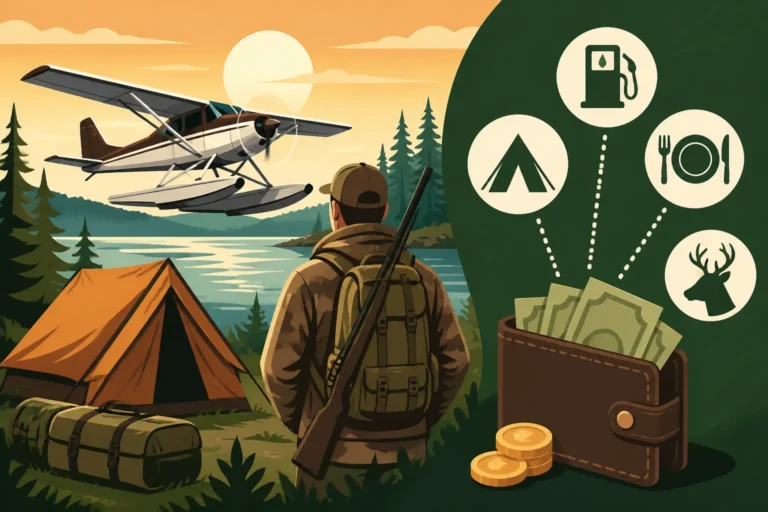
For those venturing into Ontario's remote northern regions, additional travel might include float plane charters or boat transfers, which can be quite expensive. It's crucial to factor in these travel legs, as they are entirely separate from the outfitter's package price. Don't forget expenses like hotel stays on travel days, meals on the road, and potential baggage fees if you're flying with hunting gear.
Meat Processing, Taxidermy, and Shipping
Unless your guided hunt includes full butchering services, you'll need to budget for meat processing. Many hunters prefer to take their deer to a local butcher near the outfitter, especially if they're travelling a long distance. Butcher shops offer services ranging from basic cuts and wrapping to specialty sausages and jerky, with prices varying based on the services desired and the size of the animal.
If you harvest a trophy-class animal, you might also consider taxidermy services. This is a separate, often substantial, cost. Outfitters can usually recommend reputable local taxidermists, but the cost of a shoulder mount or European mount, plus potential crating and shipping fees if you're taking it home, can add up. For non-residents, there are also specific rules and permits for Getting a Non-Resident Export Permit to take game meat and trophies across the border, which might involve additional fees or paperwork.
Gratuities for Guides and Camp Staff
Tipping is customary in the guiding industry and is an important part of recognizing the hard work and dedication of your guide and any other camp staff (cooks, cleaners, etc.). While it's an optional expense, it's highly recommended and expected if you've received good service. The amount can vary, but a common guideline is 10-20% of the hunt's total cost for the guide, with smaller amounts for other staff.
It's a way to say thank you for the long hours, the expert advice, and the effort put in to make your hunt successful and enjoyable. Factor this into your budget from the outset, so you're not caught off guard at the end of your trip. Understanding How Much to Tip an Ontario Guide can help you prepare.
Tips for Finding a Guided Deer Hunt That Fits Your Wallet
Navigating the world of guided deer hunts in Ontario doesn't have to be overwhelming. With a bit of research and a clear understanding of your priorities, you can find an experience that aligns with your budget and hunting goals.
Research and Compare Outfitters Thoroughly
The key to finding the right hunt at the right price is diligent research. Don't just settle for the first outfitter you find. Look at several options, read reviews, and ask for references. Online platforms like BookYourHunt and GoHunt can be excellent resources for finding a wide array of outfitters in Ontario, comparing their packages, and seeing what other hunters have to say about their experiences.
Pay close attention to what each package explicitly states it includes versus what's an extra cost. Call or email outfitters with a list of questions, no matter how small they seem. Ask about their success rates, typical deer size in their area, and what specific gear they recommend. A reputable outfitter will be transparent and happy to answer all your queries, like what the Ontario Black Bear Hunt Prices or What a Guided Moose Hunt Includes might entail, even if you are just asking about deer.
Consider Timing and Availability for Potential Savings
Sometimes, flexibility in your hunting dates can lead to savings. The most popular times, such as the peak of the rut in early to mid-November, often come with premium pricing due to high demand. If your schedule allows, consider hunting earlier in the season, perhaps during the Hunting Ontario's Late September Archery Opener, or later in the gun season. While conditions might be different, you could find a good deal and still have an excellent hunting experience.
Outfitters sometimes offer discounts for booking during off-peak weeks or for larger groups. If you're planning a trip with a few friends or family members, inquire about group rates. These small adjustments can sometimes make a significant difference in the overall cost per hunter. Booking an Ontario Hunt Off-Season might be a good strategy for budget-conscious hunters.
Evaluate the Value Beyond Just the Price Tag
While cost is a significant factor, it shouldn't be the only factor in your decision. Think about the overall value of the experience. A slightly more expensive hunt with an experienced guide, comfortable accommodations, and a proven track record might offer better value and a higher chance of success than a cheaper, bare-bones package with an unknown entity.
Consider the memories you'll make, the knowledge you'll gain, and the quality of the hunting opportunity. Sometimes, spending a little extra upfront can save you headaches, disappointment, and potentially more money in the long run if you have to re-book a hunt. Look for an outfitter that matches your hunting style and expectations, and remember that part of the cost is for peace of mind and an expertly managed experience.
Disclaimer
This article is for general informational purposes only and does not constitute professional advice. Laws, prices and regulations vary by location and change over time. Consult a qualified professional for guidance on your specific situation.