What a Fly-In Camp Week Costs
For many hunters, the thought of a fly-in hunt in Ontario conjures images of untouched wilderness, massive game, and an unparalleled adventure. It’s the kind of trip that feels truly remote, a chance to disconnect and immerse yourself deep in the boreal forest where roads simply don't go. But as amazing as the dream is, the big question that often stops people in their tracks is: "What's this going to set me back?" It's a valid concern because, let's be honest, flying into the bush isn't your average weekend drive, and the logistics alone suggest a higher price tag. This guide aims to break down the true costs involved in an Ontario fly-in hunting camp week, helping you understand where your money goes and what kind of investment you're really looking at for this incredible experience.
Breaking Down the Components of a Fly-In Hunt Cost
When you start dreaming of a fly-in hunt, it's easy to just think of one big number. But like any major adventure, the cost of an Ontario fly-in hunt is actually a collection of several distinct components, each contributing to the overall price. Understanding these elements can help you budget more effectively and make informed decisions about your trip. It's rarely just a simple fee; instead, it's a tapestry woven from flights, outfitter services, tags, and personal gear.
Aircraft Charter Fees and Logistics
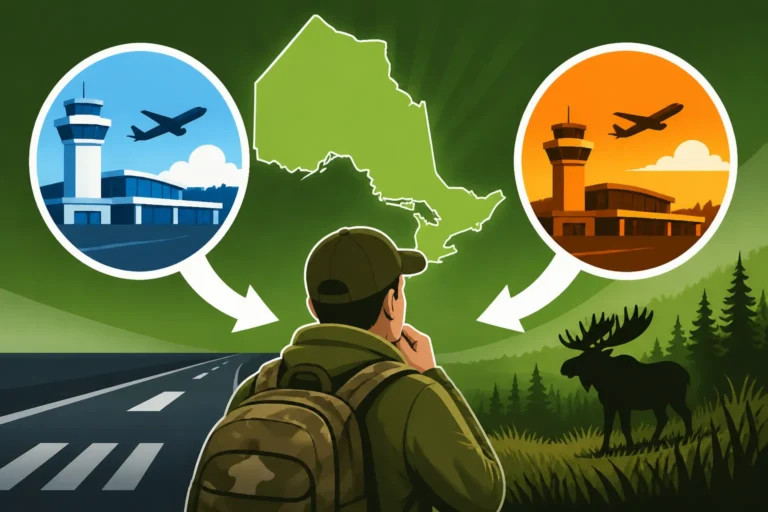
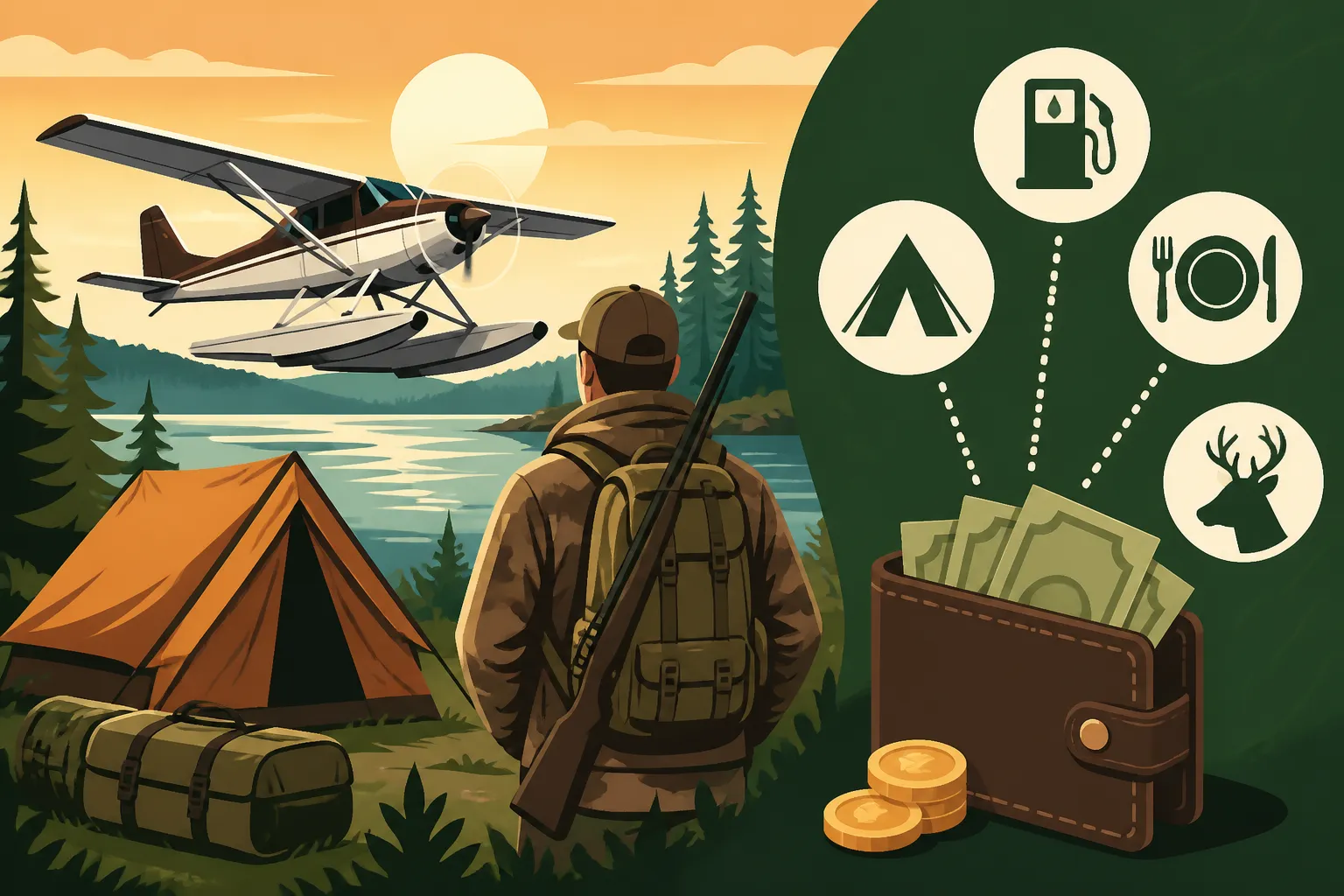
This is often the largest single chunk of your fly-in hunt budget. Unlike drive-in camps, getting to a remote outpost requires a bush plane, and those planes aren't cheap to operate. The cost is usually determined by several factors: the distance from the airbase to your chosen camp, the type of aircraft needed for your group and gear, and the number of trips required. If your camp is way up north, deep in the wilderness, expect that flight to be a significant line item.
Some outfitters roll the flight cost into an all-inclusive package, which can simplify budgeting. Others will list it separately, quoting per person or per flight hour. It's essential to clarify this upfront. A shorter flight into a more accessible outpost will naturally be less expensive than flying deep into remote areas of Northwestern Ontario, but even a "short" flight can add up when you're moving a group of hunters and all their supplies. Remember, these pilots are highly skilled at navigating challenging terrain and weather, and you're paying for their expertise and the safety of the journey.
Outfitter Services and Camp Amenities
The heart of any fly-in hunt is the outfitter who owns and manages the remote camps. Their services encompass everything from booking the flights to maintaining the cabins, supplying boats, and providing local knowledge. Most fly-in camps operate as "housekeeping" or "outpost" camps. This means they provide the accommodation, boats, and sometimes basic cooking equipment, but you're responsible for your own food, cooking, and daily hunting. This model tends to be more budget-friendly than a fully guided and catered lodge experience.
However, the quality and amenities of these outpost camps can vary wildly, and so can the price. Some are rustic, bare-bones cabins with basic bunks and an outhouse, while others might offer propane lights, running water (cold only, usually), and even solar power for charging devices. The outfitter’s reputation, the remoteness of their camps, and the level of service they provide (e.g., daily check-ins via satellite phone, emergency support) all play a role in their pricing structure. A premium outfitter with a strong track record and well-maintained camps will naturally charge more than a newer operation or one with more basic facilities.
Species and Season Specifics
The type of game you're after significantly impacts the overall cost. Moose hunts, for instance, are generally the most expensive fly-in option due to the specialized tags, the larger logistical footprint required for handling such a massive animal, and the typically longer duration of the hunt. A moose hunt often involves a greater commitment in terms of time and resources from the outfitter. Booking an Ontario Moose Hunt is a significant undertaking.
Black bear hunts from a fly-in camp are also popular, offering a more remote experience than many drive-in bear baits. These tend to be a bit less costly than moose hunts but still require considerable planning. Waterfowl hunts or combination small game and fishing trips can be found at varying price points, sometimes as add-ons to a big game package. The demand for tags during peak seasons, particularly the moose rut, can also influence pricing.
Licenses, Tags, and Permits
Don't forget the official paperwork! Before you even think about the outfitter, you need to factor in the cost of your Ontario Hunting Licences and What They Cost, along with any specific game tags you'll need. For non-residents, these costs can be substantial, and they are usually not included in the outfitter's package price. You'll need an Outdoors Card first, then your hunting licence, and then the specific tags for moose, bear, or other game.
There are also specific permits to consider, such as the Non-Resident Crown Land Camping Permit if your outfitter operates on Crown Land and doesn't explicitly cover this in their fees, or if you plan any pre- or post-hunt camping. For those traveling with firearms, there's also the Non-Resident Firearm Declaration Form fee when entering Canada. It's crucial to understand Rules for Non-Residents Hunting Ontario well in advance to avoid any surprises at the border. Always double-check current fees on the provincial government's website.
What's Included (and What's Not) in a Typical Fly-In Package
Understanding what you're actually getting for your money is paramount when booking an Ontario fly-in hunt. Outfitters offer a range of packages, and while some are truly comprehensive, others are more à la carte. A common pitfall for first-timers is assuming everything is covered, only to find themselves scrambling for unexpected expenses.
Standard Inclusions: The Bare Necessities
Most fly-in hunting packages typically include the core elements to get you into the remote bush and provide a base of operations. This usually means your round-trip airfare from the designated airbase to the outpost camp. The camp itself will provide a cabin, which can range from very rustic to reasonably comfortable, often equipped with bunks, a table, chairs, and a wood stove for heat. Basic cooking essentials like pots, pans, plates, and utensils might be included, though quality can vary. Propane refrigerators or coolers for food storage are also common, along with propane cooking stoves.
Perhaps most importantly, the package will include boats for accessing hunting areas. These are typically aluminum boats with small outboard motors, often with a tank or two of fuel. Some outfitters might include basic safety gear like life jackets, but it's always wise to bring your own if you have a preferred one. Many outfitters also provide a generator for limited electricity, though this is more common in larger, more established camps than in very remote outposts. The outfitter often supplies maps of the area, usually marked with known game trails or productive spots, which is invaluable in unfamiliar wilderness.
Common Exclusions: Where the Costs Add Up
Now, for the part that can surprise unprepared hunters: the exclusions. Very rarely does a fly-in hunt include everything. The biggest exclusion is almost always your food and drink. You'll need to purchase and pack all your groceries for the week, which needs careful planning, especially when considering What a Fly-In Camp Weight Limit Means for the plane. You're also responsible for any specialty items like snacks, coffee, and adult beverages.
Hunting licenses and tags, as mentioned, are almost universally excluded. So too are personal hunting gear such as firearms, ammunition, clothing, sleeping bags, and towels. Don't forget your fishing gear if you plan to combine hunting with angling, as Moose Hunting Ontario's Northern Bush often goes hand-in-hand with fishing opportunities. Many outfitters won't include guide services for fly-in hunts; these are typically unguided experiences where you're responsible for your own hunting efforts. If you do want a guide, that's an additional, often substantial, cost.
Other costs to consider include gratuities for your pilot and any camp staff, meat processing if you harvest an animal, and any taxidermy or trophy shipping fees. If you're coming from out of province or country, don't forget the travel costs to get to the airbase itself, whether by car or commercial flight, and any overnight lodging you might need before or after your fly-in.
The Trade-Off: Housekeeping vs. Fully Guided
It's helpful to visualize the typical fly-in hunt as primarily a "housekeeping" or "self-guided" experience. This means you're renting the camp, the flight in, and the boats, but the hunting itself is up to you. This is where the cost savings come in compared to a fully guided hunt where a professional hunter is with you every day, tracking game, calling, and helping with recovery.
A fully guided fly-in hunt does exist, usually as a more premium offering, and will come with a significantly higher price tag. This typically includes the guide's wages, food, and often more luxurious accommodations. For many, the unguided fly-in camp offers the perfect balance: deep wilderness access at a more accessible price point than a fully outfitted and guided lodge experience. It truly allows for that self-reliant, adventurous hunting experience that many seek in Ontario's vast northern reaches. When searching for options, platforms like BookYourHunt can help you differentiate between these package types and see what various outfitters offer.
Strategies for Managing Your Fly-In Hunt Budget
A fly-in hunt is an investment, no doubt about it. But just because it's a premium experience doesn't mean you can't be smart about how you plan and pay for it. With a little foresight and strategic thinking, you can make that dream hunt a reality without completely breaking the bank.
Booking in Advance and Off-Peak Options
One of the most effective ways to manage costs is to book your trip well in advance. Outfitters often offer early-bird discounts or more flexible payment plans for bookings made a year or more out. This also gives you ample time to save up for the trip and spread out the financial commitment. Booking early also ensures you get your preferred dates, especially if you're aiming for prime times like the Hunting the Rut in Early to Mid November for whitetails or the moose rut.
Consider hunting during the shoulder seasons or slightly off-peak weeks if your schedule allows. While everyone wants to hit the absolute peak of the rut, sometimes the weeks just before or after can offer excellent hunting at a slightly reduced rate, or at least with more availability. For bear hunts, an early spring hunt might be different in cost or availability compared to a fall bait hunt. Flexibility in your timing can often lead to savings.
Group Size and Cost Sharing
A fly-in hunt is almost always more economical per person when you go as a group. The aircraft charter fee, which is a big part of the cost, often doesn't scale linearly with the number of people. A small plane flying in two people costs nearly as much as flying in three or four. Maxing out the capacity of the plane and the camp will significantly reduce the per-person cost of the flight and the camp rental.
Splitting costs for shared supplies like groceries, camp fuel (if not provided), and potentially even extra boat fuel can also make a big difference. Hunters often pool resources for food, planning meals together to ensure everyone eats well without excessive spending. The camaraderie of a group hunt also adds to the experience, making the shared expense feel even more worthwhile. If you're a solo hunter, consider joining an existing group or an outfitter's pre-arranged group to share the costs.
DIY vs. Partial Guiding
Most fly-in camps are set up for a do-it-yourself hunting experience once you're on the ground. This is generally the most cost-effective approach. You and your group are responsible for scouting, hunting, tracking, and game recovery. This independent style appeals to many experienced hunters who enjoy the challenge and freedom.
However, if you're less experienced or new to Ontario's vast wilderness, a completely DIY approach might feel daunting. Some outfitters offer "semi-guided" options, where they might provide initial orientation, mark some promising areas on a map, or offer advice over a satellite phone. This middle-ground can provide some peace of mind without the full expense of a dedicated guide. It’s worth asking outfitters about these options, as they can sometimes tailor services to your group's needs and budget. Using tools like GoHunt for pre-trip scouting with satellite imagery can give you a better feel for the terrain, even if you can't physically scout it.
Comparing Outfitters and Packages
The market for Ontario fly-in outfitters is diverse, with a range of prices and services. Don't just pick the first one you find. Take the time to research multiple operations, compare their package inclusions, camp amenities, and reputation. Read reviews, ask for references, and don't hesitate to call outfitters directly with questions. Many reputable outfitters are happy to discuss their packages in detail.
Look for transparency in pricing – an outfitter who clearly lists what's included and what's extra is usually a good sign. Be wary of deals that seem too good to be true, as they might have hidden costs or substandard camps. Sometimes a slightly higher upfront cost with more inclusions can actually save you money in the long run. Creating a detailed spreadsheet to compare offers from different outfitters can be incredibly helpful in finding the best value for your budget and desired experience.
Is a Fly-In Hunt Worth the Investment?
After breaking down all the costs, the question remains: is investing in an Ontario fly-in hunt truly worth it? For many, the answer is an emphatic yes. It's more than just a hunt; it's an unparalleled wilderness experience, a chance to truly get away from it all and connect with nature on a profound level.
The Unique Experience of True Wilderness
What sets a fly-in hunt apart is the sheer remoteness and untouched nature of the landscape. You're flying into areas where few humans ever tread, away from road noise, crowded trails, and light pollution. This isolation offers a sense of peace and immersion that is increasingly rare in our modern world. The wildlife you encounter in these remote Hunting Northwestern Ontario's Big Bush areas often exhibit natural behaviours, less influenced by human pressure.
The challenge of an unguided hunt in this environment, relying on your own skills and teamwork with your group, is incredibly rewarding. There's a profound satisfaction that comes from successfully navigating, hunting, and caring for your harvest deep in the wilderness. It's an adventure that builds character and creates lasting memories and stories that will be recounted around campfires for years to come.
The Potential for Quality Game
While no hunt is ever guaranteed, fly-in camps often provide access to areas with lower hunting pressure and potentially higher populations of trophy-calibre animals. This is especially true for species like moose and bear, which thrive in remote, undisturbed habitats. The vastness of Ontario's northern forests means there are incredible opportunities for hunters willing to venture beyond the road access.
Many outfitters strategically place their camps in proven hunting grounds, often near historical game travel routes, feeding areas, or waterways. While you're still doing the work yourself, the outfitter's local knowledge and prime location can significantly increase your odds of a successful hunt. The chance to pursue a mature bull moose or a large black bear in its natural, undisturbed environment is a powerful draw for many.
Beyond the Hunt: Fishing and Adventure
Often, a fly-in hunting trip is not just about the hunt. Many outfitters specialize in combination packages, offering fantastic fishing alongside big game opportunities. Imagine spending your mornings hunting deer or calling moose, and your afternoons casting a line into a pristine lake teeming with walleye or northern pike. This multi-faceted adventure adds immense value to the trip.
The journey itself, soaring over endless forests and lakes in a bush plane, is an adventure in its own right. It’s a chance to witness Ontario's incredible landscape from a unique perspective. Evenings spent by a crackling fire, under a sky ablaze with stars, are moments of pure tranquility. A fly-in hunt creates memories that transcend the harvest, becoming a true wilderness expedition with friends or family. For many, the unique combination of challenge, beauty, and potential for success makes the investment absolutely worthwhile.
| Component | Description | Typical Inclusion? | Factors Influencing Cost |
|---|---|---|---|
| Aircraft Charter Fees | Round-trip flight from airbase to remote camp | Yes | Distance, plane type, group size, outfitter package |
| Outfitter Camp Rental | Use of cabin, boats, basic camp amenities | Yes | Camp quality, remoteness, services provided |
| Hunting Licences/Tags | Provincial hunting license and specific game tags (moose, bear, etc.) | No | Resident vs. Non-Resident, species, duration |
| Food & Beverages | All groceries, cooking supplies, drinks for the duration of the trip | No | Personal preference, group size, length of stay |
| Personal Hunting Gear | Firearm, ammo, clothing, sleeping bag, personal items, fishing gear | No | Quality of gear, existing equipment |
| Fuel for Boats/Generators | Gasoline for outboard motors and any camp generators | Often Yes | Outfitter policy, usage, gas prices |
| Guide Services | Professional hunting guide accompanying the group | Usually No | If requested: guide's daily rate, length of service |
| Meat Processing/Shipping | Butchering, freezing, packaging of harvested game, transport to home | No | Animal size, butcher rates, shipping distance |
| Trophy Taxidermy/Shipping | European mount, rug, full mount, and transportation for antlers/hide | No | Type of mount, taxidermist rates, shipping distance |
| Gratuities | Tips for pilot, camp staff, any guides | No | Standard practice, quality of service |
| Pre/Post Trip Travel | Commercial flights or driving to airbase, hotel stays, meals en route | No | Origin city, mode of transport, personal travel choices |
Disclaimer
This article is for general informational purposes only and does not constitute professional advice. Laws, prices and regulations vary by location and change over time. Consult a qualified professional for guidance on your specific situation.