Ontario Moose and Grouse Combination Hunts
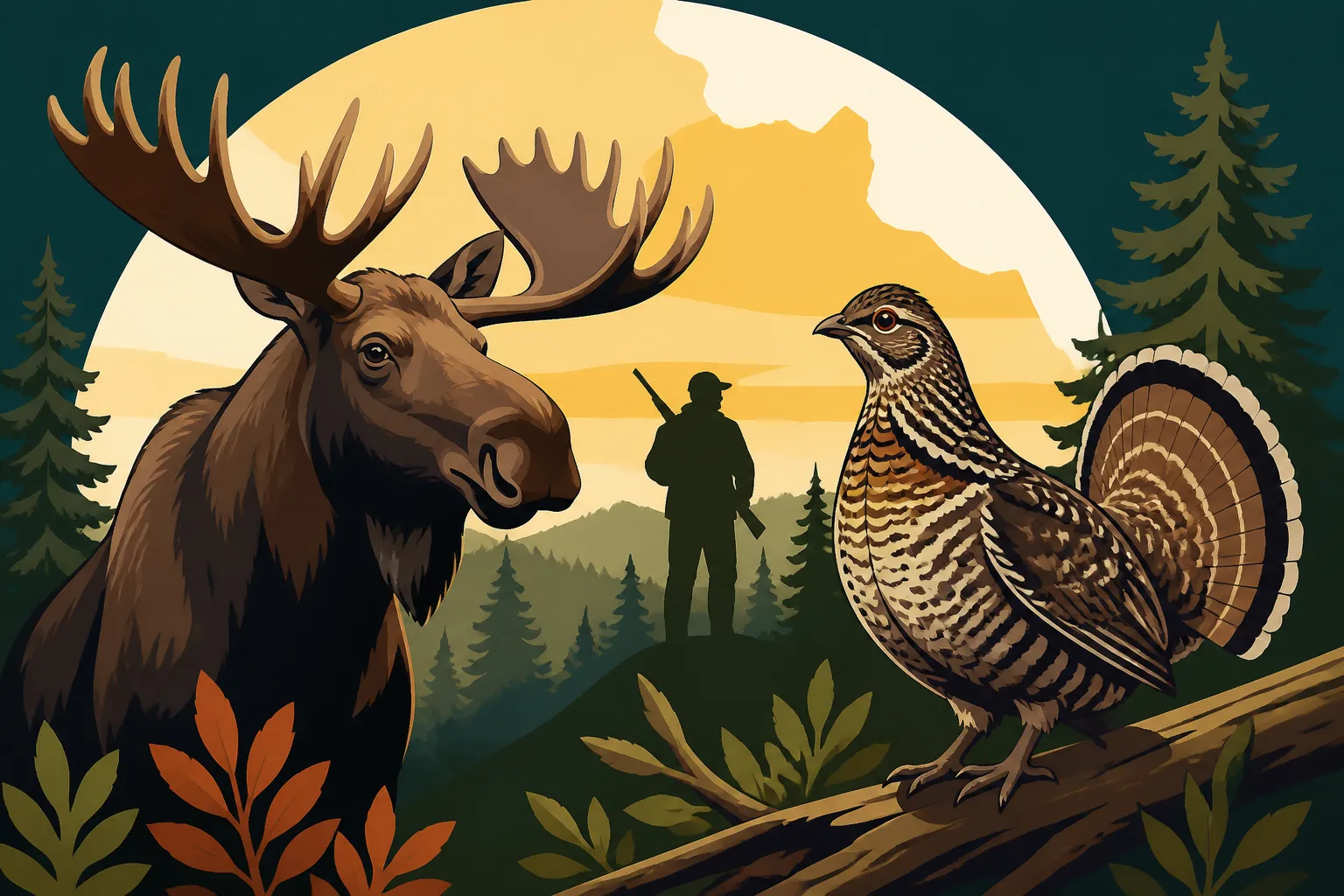
It's no secret that Ontario offers some truly world-class hunting opportunities, but sometimes, choosing just one species for a precious hunting trip feels like a real dilemma. You want the excitement of big game, but you also love the fast-paced action of upland birds. This guide is here to tell you that you don't always have to pick just one; in fact, combining a moose hunt with a grouse hunt in Ontario is not only possible but can lead to one of the most fulfilling and memorable adventures you'll ever experience in the Canadian wilderness.
The Allure of a Moose and Grouse Combination Hunt
There's something incredibly appealing about being out in the vastness of Ontario's northern bush, knowing you have a chance at both the largest deer species in North America and a feisty upland bird. For many hunters, the idea of pursuing different game in the same trip isn't just a bonus; it's a strategic way to maximize their time and truly immerse themselves in the wild.
Maximizing Your Time in the Bush
Let's be real: moose hunting often involves a lot of waiting. Whether you're patiently calling from a stand in a remote beaver meadow, slowly still-hunting a cutover, or glassing a distant clearcut, there can be long periods of quiet anticipation. This isn't a bad thing—it's part of the magic of big game hunting—but it also presents an opportunity. Those lulls in moose activity are absolutely perfect for stretching your legs and chasing grouse. Instead of heading back to camp for a nap or just sitting idle, you can grab a scattergun and explore the logging roads and bush edges that often crisscross prime moose habitat. It keeps you engaged, keeps your senses sharp, and honestly, it just makes the most of every precious hour you've dedicated to being out there. You're never truly "off" the hunt.
A Taste of Two Worlds: Big Game Thrills and Upland Bird Action
The contrast between moose hunting and grouse hunting is part of what makes this combination so rewarding. Moose hunting is a grand, often physically demanding pursuit. It requires patience, keen observation, and the mental fortitude to push through tough terrain. The payoff, whether it's the sight of a bull crashing through the alders or the sheer exhilaration of a successful stalk, is immense. It's about feeling truly wild and primitive, matching wits with an animal that embodies the northern wilderness.
Then you have grouse hunting, which is a completely different kind of thrill. It's often more active, covering ground, listening for flushes, and reacting quickly. There's an explosive, heart-stopping moment when a grouse thunders out of the cover, demanding a quick and accurate shot. If you're hunting with a dog, it adds another layer of enjoyment, watching your canine partner work the cover. This blend of experiences means you're never bored. One moment you could be whispering calls into the misty morning air, hoping for a bull's reply, and the next, you're hiking an old logging trail, anticipating the flush of a ruffed grouse. It offers a well-rounded experience that showcases the diversity of Ontario's hunting opportunities.
Economic and Logistical Benefits
From a practical standpoint, combining these hunts can also make a lot of sense. Think about it: you're already traveling to a remote part of Ontario, setting up camp or staying at a lodge, and dedicating a block of time. Consolidating two distinct hunting experiences into one trip means you're getting more bang for your buck on travel, accommodation, and time off work. Instead of booking two separate expeditions, you're leveraging one set of logistics to achieve a much broader hunting goal. This approach is particularly appealing to non-resident hunters who have considerable travel time and expense to consider. It turns a single-species focus into a multi-species adventure without doubling your overall trip costs.
Essential Planning for Your Combo Adventure
Successfully combining a moose and grouse hunt requires careful planning and a good understanding of both species' habits and the regulations surrounding them. It's not just about showing up with a rifle and a shotgun; it's about strategic timing, appropriate gear, and knowing where to look for both game animals.
Timing is Everything
For a combination hunt, timing is absolutely crucial. You need to find that sweet spot when both moose and grouse seasons are open and conditions are favourable for both. Generally, the best window for a moose and grouse combo hunt in Ontario is late September through October.
During this period:
- Moose: The moose rut often peaks in late September and early October, making calling incredibly effective. Even post-rut, bulls are still moving and can be found feeding in clearcuts or along creek bottoms. You can research When Ontario's Moose Rut Peaks to dial in your dates.
- Grouse: Ruffed grouse numbers are typically robust in the fall, and the leaves are beginning to fall or have fallen, which improves visibility for spotting birds and taking shots. They are often concentrated along gravel roads and forest edges. Refer to Ontario Ruffed Grouse Season Dates for specific regional information.
Hunting later into November might work for grouse, but moose hunting shifts from calling to tracking or still-hunting as the rut cools down, which changes the dynamic considerably. The shoulder seasons around this peak window can still offer opportunities, but the prime overlap for both calling moose and actively pursuing grouse usually falls within these autumn weeks.
Gear Considerations for Dual Species
When you're chasing two very different species, your gear needs to be versatile.
- Firearms: Many hunters opt to bring both a big game rifle and a shotgun. If you're restricted to one firearm for some reason (perhaps due to travel logistics for non-residents bringing firearms into Canada), a shotgun with slugs and birdshot can be a compromise, though less ideal for longer moose shots. A rifle-calibre handgun might be an option if legal and proficient. It's best to check Legal Firearms and Bows for Big Game for specific regulations.
- Ammunition: Remember to pack enough rifle ammo for moose (and practice shots) and plenty of birdshot for grouse. If you're hunting near water for grouse, Non-Toxic Shot for Ontario Waterfowl rules might apply to upland birds if they're in a wetland habitat.
- Clothing: Layered clothing is essential for Ontario's unpredictable fall weather. Mornings can be chilly, requiring warm base layers and outer shells, but mid-day can warm up quickly, especially when you're actively hiking for grouse. Waterproof outer layers are a must for damp bush and unexpected rain or snow. Don't forget proper blaze orange for visibility, as required in many areas during big game seasons. Check How Much Blaze Orange Ontario Requires.
- Boots: Invest in comfortable, waterproof, and supportive hunting boots. You'll be covering many miles for grouse and potentially slogging through wet, boggy areas or climbing rocky terrain for moose.
- Optics: Binoculars are crucial for moose hunting, allowing you to glass distant clearcuts or scrutinize heavy cover. They're less critical for grouse, but always handy for general scouting.
- Game Care: Be prepared for both. For moose, this means a good game bag, knife, and potentially a game cart or sled for extraction. For grouse, a game vest or small pack to carry your birds is sufficient. Remember, Field Dressing in Warm Ontario Weather requires quick action to preserve meat quality, especially in early fall.
Scouting and Location
The key to a successful combo hunt is finding areas where both moose and grouse thrive.
- Moose Habitat: Moose love areas with young browse, often found in recent clearcuts (3-15 years old), alder swamps, beaver ponds, and along remote logging roads. They use dense conifer stands for cover and thermal protection. Hunting Moose Off a Bush Road is a classic strategy.
- Grouse Habitat: Ruffed grouse are often found along the edges of old logging roads, in poplar and birch stands, abandoned farm fields with brushy edges, and around areas with good ground cover for foraging. They favour areas with a mix of aspen, birch, and conifers. Hunting Ruffed Grouse on an Ontario Bush Road is a highly effective tactic.
- Overlap Zones: Focus on large tracts of mixed forest that have a good network of old logging roads. These areas will often have a mosaic of different successional stages, providing both moose browse and grouse cover. A good strategy is to prioritize moose habitat and then look for grouse in adjacent areas. Using satellite imagery for scouting, combined with detailed Reading an Ontario WMU Map Before You Go, can help identify these prime areas. Remember that moose often use creek drainages and low-lying areas, while grouse are frequently found on higher, drier ground adjacent to these features.
Finding Your Ideal Outfitter for a Combo Hunt
While a self-guided combination hunt on Crown Land is entirely possible for experienced Ontario hunters, a reputable outfitter can be a game-changer, especially for non-residents or those less familiar with the vastness of the northern bush.
Why a Guided Hunt Makes Sense for Combinations
Navigating the complexities of hunting two different species, especially if you're traveling a long distance, can be daunting. An outfitter can provide:
- Expert Knowledge: They know the local terrain, where moose are holding, and where grouse are abundant. They'll have a game plan for both.
- Logistical Support: From comfortable lodging and delicious meals to transportation within the hunting area, an outfitter handles the details, allowing you to focus on the hunt. For moose, they might have specific access points or boats for Hunting Moose From a Boat or Canoe.
- Licence and Tag Assistance: They can guide you through the process of obtaining the necessary Ontario Hunting Licences and What They Cost and Ontario Moose Tag Allocation Process, which can be intricate. For example, some outfitters hold specific moose tags allocated to them, making it easier for their clients to secure a tag. You can find more details on this when looking into Booking an Ontario Moose Hunt.
- Meat and Trophy Care: Outfitters often have facilities for processing and storing game meat, and can assist with coordinating taxidermy or shipping your trophy home. Meat Care in Ontario's Warm Early Seasons is critical for a successful hunt.
Platforms like BookYourHunt and GoHunt can be invaluable resources for finding outfitters that specifically advertise moose and grouse combination hunts. These platforms allow you to filter by species, location, and even the type of experience, helping you connect with providers who specialize in multi-species trips.
Questions to Ask Potential Outfitters
Before booking, don't be shy about asking detailed questions to ensure the outfitter truly offers the experience you're seeking:
- What is the primary focus of the hunt? Is it truly a 50/50 combination, or is grouse hunting merely an afterthought if moose activity is slow? You want to ensure they have dedicated time and strategy for both.
- What kind of moose hunting methods do you employ? Calling, still-hunting, glassing? How will these methods integrate with grouse hunting opportunities?
- What are the typical grouse hunting methods? Are they primarily road hunting, or do they also offer walk-in opportunities with or without dogs? Do they provide dogs or are you expected to bring your own?
- What gear do you provide, and what do I need to bring? Confirm everything from camp amenities to any specialized equipment.
- How do you handle game processing and care for both moose and grouse? This is particularly important for moose, considering the size and effort involved in Quartering a Moose Alone in the Bush.
- Can you provide references from hunters who have done this specific combination hunt with you? Speaking to past clients can offer invaluable insight into the actual experience.
- What are your success rates for each species on combination hunts? Understand that combining species can sometimes mean slightly lower success rates for each individual species compared to a dedicated hunt, as time is split. However, the overall hunting experience is greatly enhanced.
Self-Guided Considerations on Crown Land
For the adventurous and experienced hunter, a self-guided moose and grouse combination hunt on Ontario's vast Crown Land is a fantastic challenge. However, it demands a higher level of preparation and self-sufficiency.
- Extensive Scouting: Before your trip, you'll need to use topographical maps, satellite imagery, and potentially a scouting trip to identify promising areas. Look for Crown Land parcels that contain a mosaic of moose and grouse habitat. Scouting With Satellite Imagery in Ontario can be incredibly helpful.
- Navigation Skills: You'll be deep in the bush, often off-trail. Proficient navigation with GPS, compass, and map is non-negotiable.
- Physical Fitness: This type of hunt is physically demanding. You'll be covering many miles on foot, potentially carrying heavy gear, and if successful, doing considerable work to extract a moose.
- Regulations: Understand all the nuances of Hunting Ontario's Crown Land, including rules for vehicle use, camping, and treestands. You'll need to know Ontario Tag Notching and Attachment Rules inside and out for both species.
- Safety: Plan for emergencies. Let people know your itinerary, carry a satellite communicator, and be prepared for sudden weather changes. In remote areas, cell service will be non-existent.
Experiencing the Hunt: From Bull Moose to Bustling Grouse
The rhythm of a moose and grouse combination hunt is unique, blending moments of profound stillness with bursts of intense action. It's an immersion into the north that few other hunting experiences can match.
A Typical Day in the Bush
Imagine this: your alarm sounds well before dawn. You slip out of your sleeping bag, grab a quick coffee, and head out with your rifle. The air is crisp, maybe a touch of frost on the ground, and a light mist hangs over the lowlands. You might spend the early morning hours positioned near a beaver pond or slowly walking a remote trail, periodically using a moose call. The goal is to catch a bull moving at first light or draw one in during the rut. Patience is the name of the game.
As the morning progresses and moose activity slows, you might decide to shift gears. You retrieve your shotgun, load up with birdshot, and start working the old logging roads or clearcut edges nearby. This is when the grouse action typically picks up. You're walking, listening, watching for birds on the ground or flushing from the brush. It's a more active, dynamic hunt, and a welcome change of pace after the quiet intensity of moose hunting. If you're successful with a moose, the focus immediately shifts to recovery and processing, a significant undertaking given What a Big Bull Moose Weighs. If it's grouse, you simply add a few birds to your vest and keep hunting. This seamless transition between big game and small game hunting is what makes the combination so special.
Challenges and Rewards
This isn't an easy hunt, and it comes with its own set of challenges.
- Physical Demands: Moose hunting is arduous. Dragging a deer out of a swamp is tough enough, but imagine doing that with a thousand-pound animal. Even if you quarter it, the effort is immense. Grouse hunting, while less strenuous, involves a lot of walking.
- Mental Toughness: Long hours of no moose activity can test your patience. The explosive flush of a grouse can be startling, and quick, accurate shooting is required.
- Variable Success: Hunting two species means more variables. Weather, game patterns, and sheer luck all play a role. You might fill your grouse limit every day but never see a moose, or vice-versa. The reward, however, is not just in the harvest, but in the total experience of the bush.
- Meat Care: Ensuring proper Transporting Game Meat in Ontario for both species, especially a large animal like a moose, requires planning. For grouse, it's simpler, but still important to get them cooled quickly.
The rewards, though, are truly immense. Imagine a cooler full of fresh moose steaks and a game bag full of plump ruffed grouse, knowing you harvested both during one incredible trip. Beyond the table fare, there's the deep satisfaction of truly experiencing Ontario's diverse wilderness, moving through different habitats, and connecting with nature on multiple levels. It’s about the crisp autumn air, the vibrant fall colours, the quiet solitude of the forest, and the adrenaline of the chase, whether it's for a giant bull or a small, feathered rocket.
Respecting Both Species
As with any hunting, ethical considerations are paramount.
- Regulations: Always carry your licences, tags, and know the specific rules for your Wildlife Management Unit (WMU) for both moose and grouse. This includes bag limits, season dates, and reporting requirements. For example, How Many Deer One Tag Covers is generally for a single animal, but grouse will have a daily and possession limit.
- Shot Placement: Strive for clean, humane kills on both species. For moose, this means waiting for a clear, ethical shot with appropriate calibers. For grouse, it's about making sure your shot pattern is effective at the range you're shooting.
- Tagging: Understand and follow all Ontario Tag Notching and Attachment Rules immediately upon harvest.
- Conservation: Remember that hunting is a privilege. Follow all regulations, practice good sportsmanship, and contribute to conservation efforts. Your responsible actions ensure these incredible opportunities remain for future generations.
A moose and grouse combination hunt in Ontario isn't just a hunt; it's an expedition, a deep dive into the heart of the northern wilderness. It offers the best of both worlds, providing a dynamic and unforgettable experience that will challenge you, thrill you, and leave you with memories that last a lifetime.
Disclaimer
This article is for general informational purposes only and does not constitute professional advice. Laws, prices and regulations vary by location and change over time. Consult a qualified professional for guidance on your specific situation.