How Many Deer One Tag Covers
Navigating Ontario's deer hunting regulations can feel like cracking a secret code, especially when you're trying to figure out exactly how many deer you can legally harvest. It's a common point of confusion for new and seasoned hunters alike: does your licence cover multiple deer, or is it strictly one animal per piece of paper? This guide aims to clear up that mystery, detailing the different types of deer tags in Ontario and precisely what each allows you to harvest.
Understanding Ontario's Deer Tag System
Hunting deer in Ontario isn't as simple as buying a general hunting licence and heading into the bush. The province uses a structured tagging system to manage deer populations, which means understanding each component is key to a successful and legal hunt. It’s all designed to ensure sustainable harvesting and prevent overharvesting in specific areas.
The Basic Deer Licence and Deer Tags
Before you can even think about a deer tag, every hunter in Ontario, whether resident or non-resident, needs a valid Outdoors Card. This card is your fundamental hunting identity, essentially your passport to participate in hunting activities in the province. With your Outdoors Card in hand, you then purchase a Resident Deer Licence. This licence gives you the privilege to hunt deer, but it’s crucial to understand that the licence itself isn’t a tag that gets attached to a harvested animal.
Instead, the deer licence typically comes bundled with specific tags. These tags are the physical pieces of paper or durable material that you must immediately attach to a deer upon harvest. Each tag has a unique identification number and specifies what kind of deer (antlered or antlerless) it allows you to take. It's a system designed to be very precise, ensuring that every harvested animal is accounted for and falls within your legal allocation.
General Antlerless and Antlered Tags
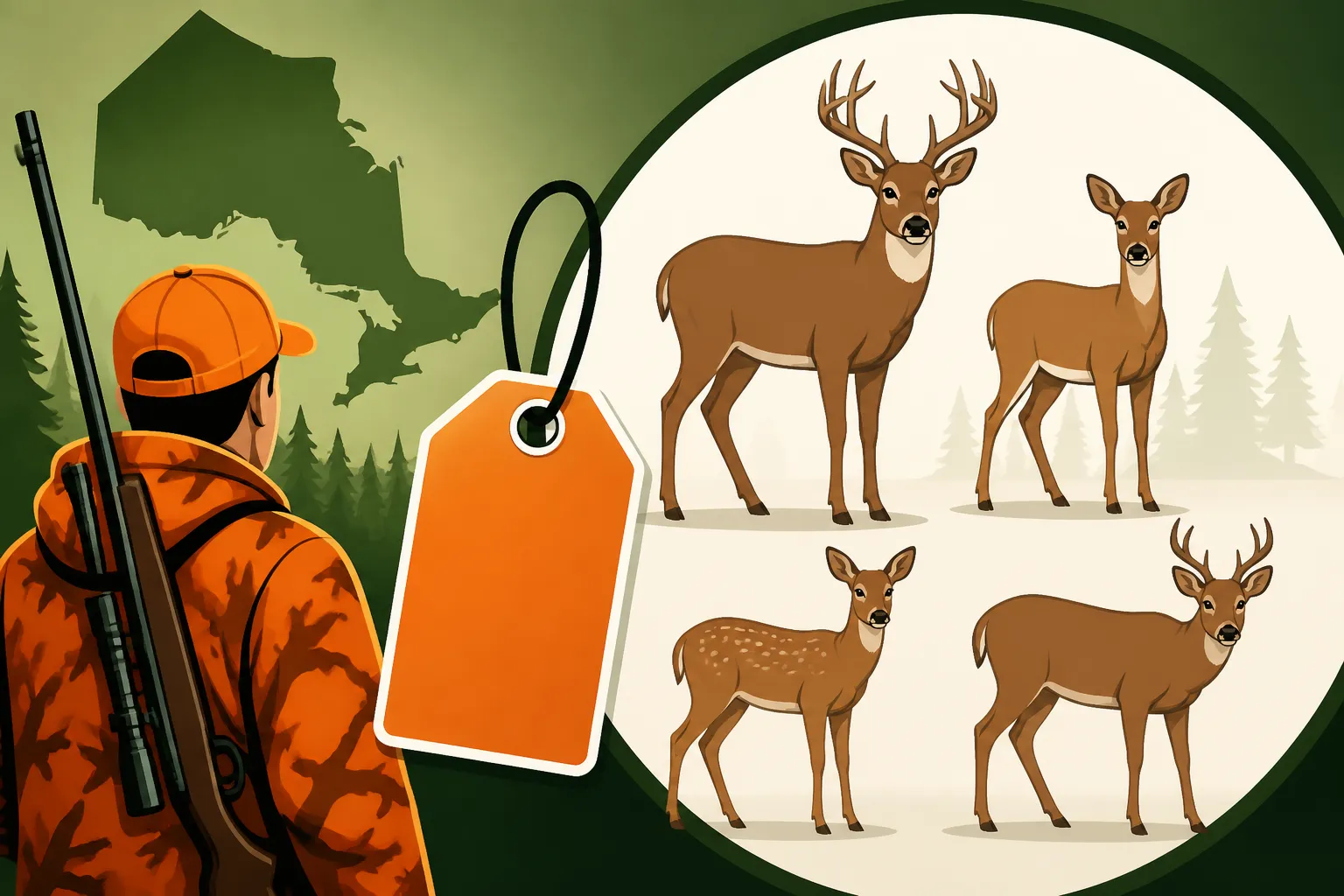
For the vast majority of hunters, your initial Resident Deer Licence package will include at least one antlered deer tag. An "antlered" deer is typically defined as a deer with at least one antler three inches or longer. This tag generally allows you to harvest one antlered deer during the open season in the Wildlife Management Unit (WMU) you've selected, or in WMUs where a general antlered season is open. The key takeaway here is simple: one antlered tag equals one antlered deer.
Beyond the standard antlered tag, many hunters also seek to obtain an antlerless deer tag. An "antlerless" deer, as the name suggests, is a deer without antlers, usually a doe or a fawn. These tags are often issued through a separate application or draw process, especially in WMUs where antlerless harvest is restricted to manage local populations. If you successfully acquire an antlerless tag, it acts as a separate, distinct authorization. So, if you hold both an antlered tag and an antlerless tag, you have the legal right to harvest one antlered deer and one antlerless deer, effectively doubling your potential harvest.
Species-Specific Tags and General Big Game Rules
It’s important to remember that Ontario’s tagging system is species-specific. A deer tag, whether antlered or antlerless, is only valid for white-tailed deer. You cannot use a deer tag to harvest a moose, a black bear, or any other big game species, even if you have an open tag for that species. Each major game animal has its own distinct licence and tag system. For example, a moose hunter will need a specific moose licence and a moose tag, which is obtained through a separate draw process often involving accumulated points, as detailed in Ontario's Moose Tag Allocation Process.
This specificity prevents confusion and ensures proper data collection for wildlife management. The rules for big game are designed to be quite rigorous. Not only must you possess the correct tag for the species, but you must also adhere to the specific season dates, legal methods, and bag limits for that particular animal in your chosen WMU. It's all part of the larger framework that ensures fair chase and sustainable populations across Ontario's vast hunting landscape.
Navigating Antlered, Antlerless, and Controlled Hunt Validations
The Ontario deer hunting system, while robust, can sometimes feel like a layered cake of regulations. Understanding the nuances between antlered, antlerless, and controlled hunt validations is crucial for any hunter aiming to fill their freezer legally and efficiently. Each type of tag serves a specific purpose in the province's deer management strategy, often reflecting local population densities and management goals.
Antlered Deer Tags: The Standard Issue
When you purchase your Resident Deer Licence, the most common type of tag you'll receive is an antlered deer tag. This tag permits you to harvest one deer that meets the definition of "antlered" – generally, a deer with at least one antler measuring three inches or more from the skull. This is your standard, bread-and-butter deer tag, valid in most WMUs with an open deer season.
For instance, if you're Hunting Deer in Ontario's Mixed Forest in a northern WMU, your antlered tag will typically be valid throughout the designated bow, gun, and muzzleloader seasons. There are often no further restrictions on which antlered deer you can take, beyond ethical considerations and the general principles of fair chase. However, it’s always wise to double-check the current hunting summary for your specific WMU, as regulations can sometimes change or specific antler point restrictions might be introduced in certain areas, though these are less common for general antlered tags in Ontario compared to some other jurisdictions.
Antlerless Deer Tags: Draws and General Availability
Antlerless deer tags are where things get a bit more strategic. These tags allow you to harvest a deer without antlers. The primary purpose of antlerless harvest is to help manage deer populations, particularly controlling herd numbers and sex ratios, especially in areas with high deer density like much of Hunting Deer in Southern Ontario Farmland. In many WMUs, antlerless tags are not automatically issued with your licence. Instead, you have to apply for them through a draw system.
This draw is often highly competitive, especially in productive southern WMUs where deer populations are thriving. You’ll apply for a specific WMU, and if successful, you’ll receive an antlerless tag that is additional to your antlered tag. This means, in principle, you could now harvest two deer – one antlered and one antlerless. However, some WMUs, particularly in northern Ontario where deer populations are lower or less impacted by agriculture, might offer antlerless tags as a general issue without a draw, often bundled directly with your deer licence. It’s always critical to consult the Ontario Deer Season Dates and Tags for your specific WMU to understand how antlerless tags are allocated in your hunting area for the current season.
Controlled Deer Hunt Validations: Specific Regulations and Locations
Controlled deer hunts are special circumstances, often implemented in specific WMUs (like those near urban centres) or unique locations (such as Pelee Island) to manage deer populations very precisely, sometimes with an emphasis on addressing crop damage or public safety concerns. If you plan to hunt in a designated controlled hunt area, you'll need to apply for a Controlled Deer Hunt Validation. This isn't just another tag; it's an authorization to hunt within that specific controlled hunt during its prescribed dates, using particular methods.
For example, Pelee Island hosts a well-known controlled deer hunt. To participate, you must apply for and be successful in their draw. If you get a validation, it will outline the specific type of deer you can harvest (e.g., antlerless, or even a specific number of deer) and the dates you can hunt. Crucially, this validation often includes its own specific tag that replaces or supersedes your general provincial tags for the duration and location of that controlled hunt. You can't just walk into a controlled hunt area with your general tags and expect them to be valid. You need that special validation. Using tools like GoHunt can be invaluable here, as they often provide detailed breakdowns of these unique hunt opportunities, including application dates and historical success rates for specific controlled hunts, helping you strategize your application.
Maximizing Your Deer Harvest Potential
Understanding the different tags is one thing, but knowing how to legally and ethically combine them to potentially harvest more than one deer is where the true strategic hunter comes into their own. Ontario's system allows for responsible harvesting, and with careful planning and a bit of luck in the draws, you can certainly maximize your opportunities.
Combining Different Tag Types for Multiple Deer
The most straightforward way to legally harvest more than one deer in Ontario is by holding multiple valid tags. As we've discussed, most hunters will receive an antlered deer tag with their base Resident Deer Licence. If you then successfully apply for and receive an antlerless deer tag for your chosen WMU, you now possess authorization to take two distinct deer: one antlered and one antlerless.
This is a fantastic opportunity for hunters looking to fill their freezer or extend their time in the field. Imagine you're Hunting the Rut in Early to Mid November with both tags. You might be patient, waiting for a mature buck to come by for your antlered tag, and then later in the season, or perhaps even in a different part of your WMU, you could focus on harvesting a doe to fill your antlerless tag. Just remember that each tag is good for one deer only. You cannot use a single antlered tag to harvest two antlered deer, nor can you use an antlerless tag for an antlered deer. It's a precise system designed for precise harvest. Some hunters even utilize resources like GoHunt to track draw odds and identify WMUs where acquiring multiple tags might be more feasible, enhancing their chances of a multi-deer season.
Understanding Bag Limits and Season Limits
While holding multiple tags allows for the harvest of multiple deer, it’s absolutely critical to understand the overarching bag limits and season limits for your specific WMU. These limits are typically outlined in the annual hunting regulations summary for Ontario, which you can usually find through the Ministry of Natural Resources and Forestry (MNRF) website or by searching for Ontario Deer Season Dates and Tags.
A "bag limit" refers to the maximum number of a specific species you can harvest within a certain period (e.g., daily, or per season). For deer in Ontario, the season limit is often tied directly to the number of valid tags you possess. So, if you have one antlered tag and one antlerless tag, your personal season bag limit for deer is two. However, it's vital to check if there are any WMU-specific rules that might further restrict this. For instance, some WMUs might have lower overall deer populations or specific management objectives that could influence total harvest, though typically, if you hold the legal tags, those represent your legal harvest maximum for the season. It's always best practice to review the regulations carefully each year, even if you’re an experienced hunter, as rules can occasionally be updated. This meticulous review ensures you stay within the legal framework, protecting both yourself and the deer resource.
Ethical Considerations and Proper Tagging
Beyond the legalities, every hunter has an ethical responsibility to ensure a clean harvest and proper handling of game. Once you've successfully harvested a deer, the very next step, immediately after confirming the animal is deceased, is to properly notch and attach your tag. The Ontario Tag Notching and Attachment Rules are very specific: you must permanently mark the date of harvest and attach the tag to the carcass before moving the animal from the kill site. This isn't just a suggestion; it's a legal requirement that helps conservation officers verify the legality of your harvest.
Failing to properly tag a deer can lead to serious fines and penalties. Furthermore, after tagging, you are typically required to Reporting Your Ontario Harvest to the MNRF within a specified timeframe. This data is invaluable for wildlife biologists, providing them with critical information on harvest rates, population health, and the effectiveness of their management strategies. Tools like GoHunt can sometimes assist with understanding reporting requirements or even offer platforms for logging your personal harvest data. Being a responsible hunter means not just adhering to the letter of the law but also understanding the spirit of conservation behind it. It ensures that future generations will also have the opportunity to experience the thrill of Whitetail Hunting in Ontario.
Ontario Deer Tag Summary
Here’s a quick overview of how Ontario’s deer tags generally work:
| Tag Type | What it Allows | How it's Obtained | Typical Use Case |
|---|---|---|---|
| Antlered Deer Tag | One (1) antlered deer (at least 3 inches of antler) | Included with Resident Deer Licence | Standard hunt for a buck in most open WMUs. |
| Antlerless Deer Tag | One (1) antlerless deer (doe or fawn) | Through a draw application (competitive), or general issue in some WMUs. | Managing local populations, allowing an additional deer harvest. |
| Controlled Hunt Validation | Specific deer (antlered/antlerless/either sex) for a specific controlled hunt area and dates. | Separate draw application for designated controlled hunt WMUs. | Highly regulated hunts to address localized population issues or specific management goals. |
Disclaimer
The information provided in this guide is for general informational purposes only and is subject to change. Hunting regulations, season dates, and tag allocation processes in Ontario are determined by the Ministry of Natural Resources and Forestry (MNRF) and can be updated annually. It is the responsibility of every hunter to consult the most current Ontario Hunting Regulations Summary before participating in any hunting activity.