Ontario Combination Hunt Packages
The thought of a single hunting trip to Ontario can feel like a huge undertaking, let alone dreaming of bagging multiple species. Many hunters arrive, spend a week or two, and head home with a great experience but often wonder, "What if I could have also tried for a bear while waiting for that deer?" or "Couldn't I have squeezed in some grouse hunting after my morning goose shoot?" The good news is, with careful planning and the right approach, combining different hunts into one unforgettable Ontario adventure is not just a pipe dream—it's entirely possible and incredibly rewarding.
The Allure and Value of Ontario Combination Hunts
There’s a certain magic to the vastness of Ontario's wilderness, offering such a diverse range of game that it's tempting to try and experience as much of it as possible. For many, a single-species hunt, while amazing, leaves a part of that curiosity unfulfilled. This is where the beauty of a combination hunt truly shines, transforming a great trip into an epic expedition.
Why Combine Species on One Trip?
First off, let's talk about efficiency. Travel to Ontario, especially from afar, can be a significant investment in both time and money. By planning a combination hunt, you're essentially maximizing that investment. Instead of separate trips for deer and bear, imagine having the opportunity to pursue both during the same visit. This can be more cost-effective in the long run, reducing overall travel expenses and time off work. It’s about making the most of your boots on the ground in a diverse landscape.
Beyond the practicalities, there's the undeniable thrill of the challenge. Hunting multiple species in different habitats, often with varying techniques, tests your versatility and expands your skill set like nothing else. One morning might find you rattling for whitetails in a hardwood ridge, while the afternoon could have you setting up decoys for geese in a stubble field. This constant shifting of gears keeps the hunt fresh and exciting, pushing you to learn and adapt to Ontario's unique conditions.
Beyond Just Hunting: An Enriched Outdoor Experience
A combination hunt isn't just about punching multiple tags; it's about deeply immersing yourself in the Ontario outdoors. Imagine spending a week focused on Whitetail Hunting in Ontario, but also having the flexibility to call coyotes in the evenings or jump-shoot ducks from a beaver pond when the deer activity is slow. These opportunistic additions transform your trip from a singular pursuit into a broader wilderness experience.
You're not just a hunter; you become more of a naturalist, observing the interplay between different species and their environments. You'll likely visit a wider range of habitats, from dense boreal forests to open agricultural fields, gaining a richer appreciation for Ontario’s natural beauty. Many outfitters and camps are situated to allow for additional activities like fishing, hiking, or even just wildlife photography during non-hunting hours. This multi-faceted approach ensures that even if one aspect of the hunt is slow, there are always other avenues to explore, enhancing the overall memory-making potential of your time in the Canadian wilderness.
Popular Ontario Combination Hunt Pairings
Ontario's vast and varied landscape lends itself beautifully to hunters hoping to pursue more than one species during their trip. The key is understanding which species' seasons and habitats align, and which outfitters specialize in making these multi-species dreams a reality.
Big Game Combinations: Bear, Moose, and Deer
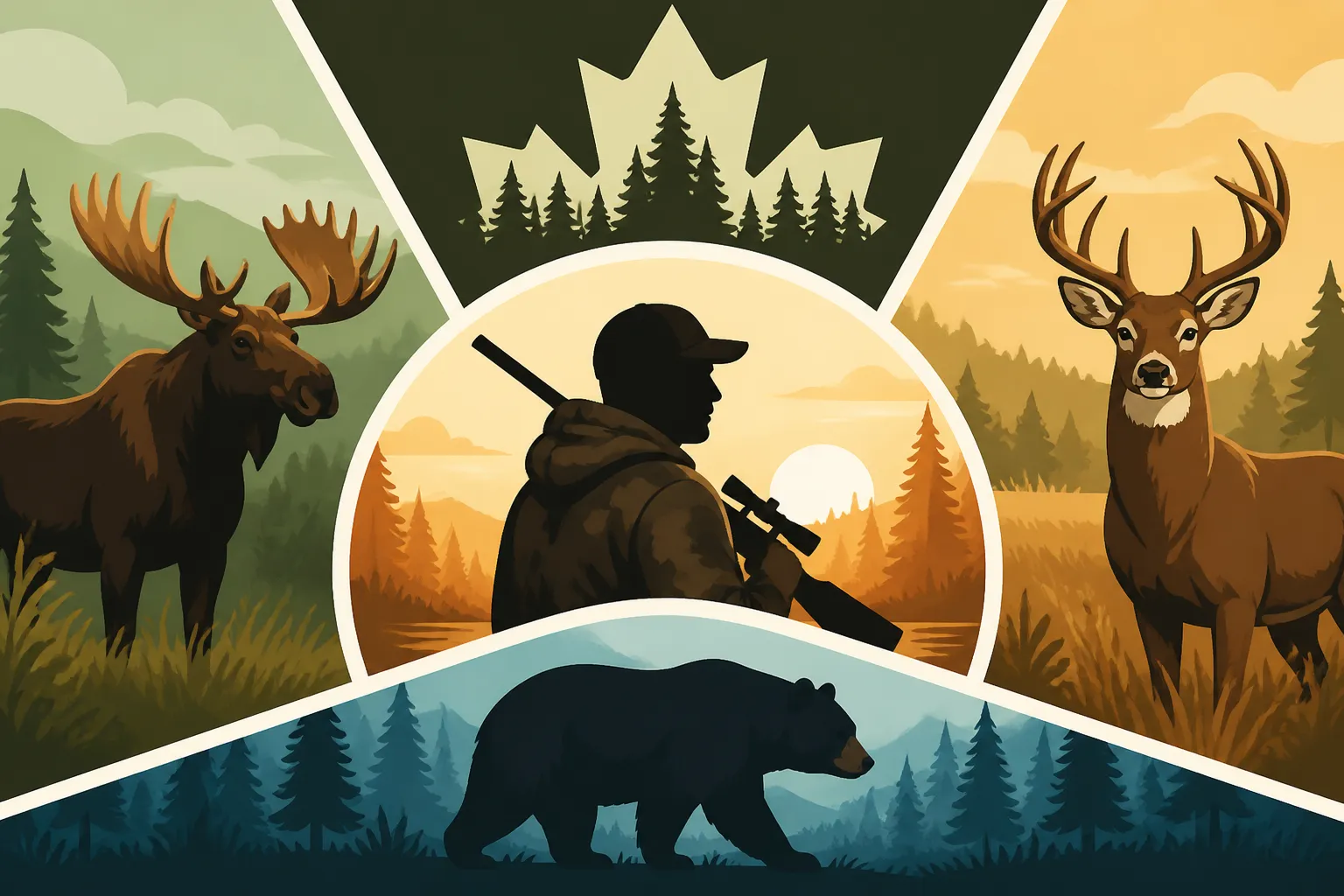
When most hunters think of big game in Ontario, black bears, moose, and whitetail deer immediately come to mind. While combining a moose hunt with other big game can be incredibly challenging due to the specific tag allocation system and often remote locations, pairing a fall black bear hunt with archery or even early gun season deer hunting is a much more feasible option. Imagine spending your mornings on a bear bait, then switching gears in the afternoon to scout for deer or sit a stand. Black Bear Hunting in Ontario offers specific windows, and in many areas, these overlap with early deer seasons.
The early fall is often the sweet spot. Black bear seasons typically open in late summer, running into the fall, which can coincide with When Ontario's Bow Season Runs for deer in many Wildlife Management Units (WMUs). This allows for some interesting overlap. You might be targeting a big boar over bait in the morning, and by evening, be watching a field edge for a whitetail buck. For those fortunate enough to draw a moose tag, combining it with small game like grouse is a more common and logical pairing, as moose tags are highly coveted and often require significant commitment to a remote area. Moose Hunting Ontario's Northern Bush often means being deep in prime grouse country.
Upland Birds, Waterfowl, and Small Game Mixes
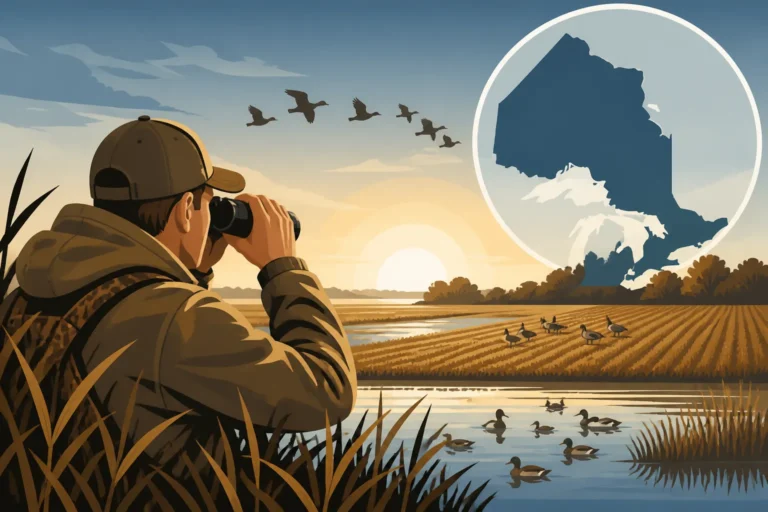
This category offers some of the most accessible and exciting combination opportunities. The sheer abundance of upland birds like ruffed grouse and waterfowl like Canada geese and ducks across Ontario means you can often transition seamlessly from one to the other. Early fall is prime time for this. You could start your day hiding in a blind on a marsh, calling in ducks and geese, and by midday, be walking old logging roads or bush edges with a shotgun, flushing grouse and woodcock.
Many parts of southern and central Ontario, with their mix of agricultural fields, wetlands, and bush lots, are ideal for this. Hunters can pursue Waterfowl Hunting Across Ontario in the morning, focusing on field hunting geese or marsh hunting ducks, then shift their attention to Ruffed Grouse Hunting Ontario's Bush Roads or even rabbit hunting in the afternoon. The seasons for these species often have generous overlaps, making logistics much simpler than with big game. You're typically using similar gear—a shotgun, good boots, and a keen eye—making the transition effortless.
The Elusive Elk and Other Unique Combos
While rare, for the truly dedicated and lucky hunter, drawing an Elk Hunting Ontario's Bancroft Herd tag could open up possibilities for a unique combination. Elk seasons are highly restricted and resident-only, but if you secure one, you'll be hunting in central Ontario, which also holds deer, bear, and a variety of small game. The sheer commitment to an elk hunt usually means it's the primary focus, but opportunistic small game hunting, like grouse, could certainly be a bonus.
Beyond the main game, always consider the abundant small game that can add a fun, low-pressure element to any trip. Squirrels, rabbits, and hares are widely distributed and can often be hunted during other seasons, providing additional excitement and meat for the table. Even predators like coyotes can be called in, offering a thrilling chase. The beauty of Ontario is that opportunities abound, and with the right planning, you can craft a truly unique and diverse hunting experience.
Critical Planning Considerations for Combination Hunts
Diving into a combination hunt in Ontario isn't something you can just decide on a whim the week before. It requires meticulous planning, a deep understanding of regulations, and a realistic assessment of your own capabilities. Skipping these crucial steps can quickly turn an exciting adventure into a frustrating ordeal.
Navigating Seasons, Tags, and Regulations
This is arguably the most complex part of planning a multi-species hunt in Ontario. You're not just dealing with one set of dates and licence requirements; you're juggling several. Ontario's hunting seasons vary significantly by Wildlife Management Unit (WMU) and by species. You need to ensure the seasons for your chosen combination actually overlap in the WMU you plan to hunt. For instance, can you legally hunt bear and deer in the same unit during the same week? And what about the specific tag requirements? Each big game animal, and even turkeys, requires a specific tag on top of your base licence. Ontario Hunting Licences and What They Cost can vary, and applying for controlled hunts or specific tags like moose can have strict deadlines long before your trip.
It's also vital to be aware of nuances like legal hunting hours, blaze orange requirements (which can differ for various species or seasons), and permitted firearms or bows for each game animal. For instance, what's legal for deer might not be for moose, or vice versa, and archery season dates often differ greatly from gun seasons. This is where detailed research pays off. Platforms like GoHunt can be invaluable for cross-referencing season dates, WMU boundaries, and specific regulations to build a comprehensive picture of what's possible and what's not. Don't forget to look into Ontario Deer Season Dates and Tags and Ontario Black Bear Rules for your specific area.
Logistical Challenges and Gear Essentials
Picture this: you're planning a trip where you might be sitting in a treestand for deer one day, then wading into a marsh for ducks the next, and maybe even tending a bear bait in between. Each of these scenarios demands different gear. For deer, you need quiet clothing, a stand, scent control. For waterfowl, waders, decoys, calls, and non-toxic shot. For bear, scent elimination, baiting tools, and a reliable rifle or bow. Carrying all this specialized equipment, let alone transporting it to various hunting locations, requires serious logistical thought. You'll likely need a robust Truck Kit for a Northern Ontario Hunt if you're venturing north.
Consider your vehicle. Is it capable of handling rough bush roads to access bear baits or remote deer areas? Do you have enough cooler space and a plan for Meat Care in Ontario's Warm Early Seasons if you're successful with multiple animals? Accommodation might also need to be flexible. Will you be staying in a lodge for a bear hunt and then moving to a rustic cabin or camping for a deer hunt? These seemingly small details can make or break the experience. Prepare for all weather conditions, too. Ontario's fall can swing wildly from warm, sunny days to freezing rain and snow, sometimes all in the same week!
Physical Demands and Mental Preparedness
A combination hunt is not for the faint of heart. It demands a higher level of physical stamina and mental fortitude than a single-species pursuit. You'll likely be covering more ground, possibly in different types of terrain, and waking up early, often to different routines each day. Imagine hauling a heavy pack for a deer hunt, then setting up and tearing down a waterfowl spread, and then doing it all again. It's exhilarating, but it's also exhausting.
You need to be prepared for the psychological aspect of switching gears. Success in one hunt doesn't guarantee success in another, and balancing your focus between different species can be a challenge. You might have to make tough decisions about prioritizing one opportunity over another. For instance, if you get a call about a hot bear bait but you've been working a promising deer sign, what do you do? Being mentally flexible and maintaining a positive attitude, even when faced with the inherent unpredictability of hunting, is paramount to enjoying the entire combination experience.
Finding and Vetting the Right Outfitter for Multi-Species Hunts
For many hunters, especially those new to Ontario or traveling from out of province, navigating the complexities of a combination hunt can be daunting. This is where a knowledgeable outfitter becomes not just helpful, but often essential. However, not all outfitters are created equal when it comes to multi-species adventures.
Why a Specialized Outfitter is Key
When you’re looking to combine hunts, you're not just looking for someone who can guide you to a deer or a bear. You need an outfitter who truly understands the intricate dance of overlapping seasons, differing habitats, and the unique challenges of pursuing multiple species in a specific WMU. A specialized outfitter will have established game management practices for each species they offer, and more importantly, the logistical framework to support it. This means they’ll have the right guides, equipment, and access to areas conducive to successful multi-species hunting.
For instance, an outfitter offering a bear and deer combo hunt will know the prime bear baiting locations that also have good deer activity, or they might have different hunting areas designated for each species that are still logistically manageable within a single trip. They often have the necessary tags or access to them, which can be a huge advantage, especially for species with limited draw odds. Their expertise can save you countless hours of research and potential headaches, ensuring that your precious hunting time is spent in the field, not trying to figure out conflicting regulations or where to go next. Choosing the Right Ontario Outfitter is even more critical when planning a complex combination hunt.
Questions to Ask Before Booking
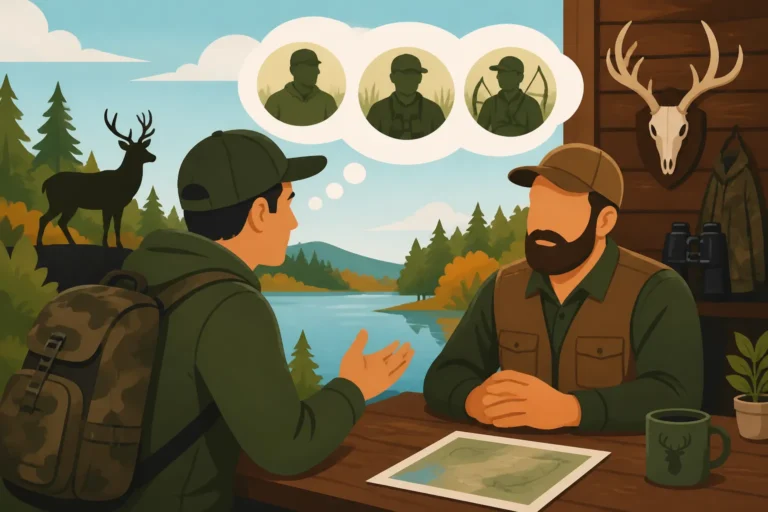
Vetting an outfitter for a combination hunt requires a deeper dive than a single-species trip. You need to ask very specific questions to ensure their operation aligns with your multi-species ambitions. Don't just ask about their general success rates; inquire about their success rates for each specific species you intend to pursue in combination. What does a typical week look like for a combination hunter? How do they manage the logistics if, for example, you harvest a bear early in the week and still have a deer tag to fill? Do they have dedicated guides for each species, or does one guide cover all bases?
Beyond the hunting, inquire about the camp logistics. What kind of accommodations do they offer? Do they have facilities for processing and storing multiple animals, possibly different sizes? What kind of transportation do they provide to and from different hunting areas? It's also wise to ask for references from past clients who have booked similar combination packages. When you're looking for that perfect blend, platforms like BookYourHunt can be an incredible resource, allowing you to filter for outfitters who specifically advertise combination hunt packages. You can often see reviews and what other hunters experienced with their multi-species adventures, helping you narrow down your choices to a reputable operation. And always clarify What an Ontario Guided Hunt Costs, ensuring all inclusions and exclusions for each part of the combination are clear.
Maximizing Your Combination Hunt Experience
Embarking on a combination hunt in Ontario is an ambitious undertaking, and to truly make the most of it, you need to approach it with a blend of strategic preparation, flexible thinking, and a genuine love for the overall outdoor experience. It's more than just hunting; it's an immersive journey.
Flexibility and Realistic Expectations
The biggest trap many hunters fall into with combination hunts is setting unrealistic expectations. It's easy to dream of filling all your tags on every species you pursue. However, the reality of hunting multiple animals in different environments within a limited timeframe is that variables compound. Weather can turn, game patterns can change, and the luck of the draw always plays a role. If you go in expecting to harvest every single animal, you're setting yourself up for disappointment.
Instead, cultivate a mindset of flexibility. Be ready to pivot your plans if one hunt isn't panning out. Maybe the deer aren't moving, but the grouse are plentiful, or the ducks are flying. Be open to shifting your focus. The goal should be to enjoy the entire experience—the challenge, the scenery, the camaraderie, and the pursuit—not solely the outcome of filling every tag. A successful combination hunt might mean you tagged a fantastic bear and had an incredible time chasing ducks, even if that trophy buck proved elusive. This adaptable attitude is key to ensuring a truly memorable and satisfying adventure.
Practice Makes Perfect for Each Discipline
Just as you wouldn't go on a dedicated moose hunt without practicing your long-range shooting, you shouldn't approach a combination hunt without honing the specific skills required for each species. If you're combining rifle hunting for deer with shotgun hunting for waterfowl, ensure you're proficient with both firearms. This means time at the range, practicing with the actual ammunition you'll be using. If archery is part of the mix, ensure your bow setup is dialed in for the species you intend to hunt.
Beyond shooting, consider the other skills involved. Calling techniques for deer, moose, or coyotes are very different. Setting up waterfowl spreads, understanding wind direction for scent control with big game, or even field dressing different animals—each requires specific knowledge and practice. The more prepared you are for each component of your combination hunt, the more confident and efficient you'll be in the field, increasing your chances of success and reducing the risk of making a mistake when an opportunity arises.
Embrace the Learning Opportunity
A combination hunt is, at its core, a massive learning opportunity. You’ll be exposed to different types of terrain, new hunting methods, and a broader understanding of wildlife behaviour. Pay attention to how the different species interact with their shared environment. Notice how a change in weather affects deer movement versus duck activity. Learn from your guide's diverse knowledge, not just about one animal, but about the ecosystem as a whole.
This expanded perspective will make you a more well-rounded and effective hunter in the long run. You might discover a new passion for a species you hadn't considered before, or refine techniques that will benefit your hunting for years to come. Take notes, ask questions, and be present in every moment. The true trophy from a combination hunt often isn't just the game you bring home, but the wealth of knowledge and experience you gain from stepping outside your comfort zone and embracing the multifaceted challenges of the Ontario wilderness.
Overcoming Common Hurdles in Combination Hunts
While the allure of a combination hunt is strong, it's wise to acknowledge that these complex trips come with their own set of challenges. Being aware of these potential hurdles and having strategies to overcome them will ensure a smoother, more enjoyable, and ultimately more successful adventure in Ontario.
Conflicting Demands on Time and Energy
The most apparent hurdle with a combination hunt is simply managing your time and energy. Each species you pursue will have its own optimal hunting times, habitat requirements, and behavioral patterns. For instance, prime deer movement might be at dawn and dusk, while a bear bait often sees activity mid-morning or late afternoon. Duck and goose hunting typically happens right at first light. Trying to be in two places at once, or constantly switching gears, can lead to fatigue and missed opportunities for both.
The key here is strategic scheduling and understanding your priorities. Work with your outfitter (or your hunting partners if self-guided) to create a flexible daily itinerary. Perhaps dedicate mornings to waterfowl, then switch to still-hunting for deer or tending a bear bait in the afternoon. Plan for an occasional lighter day to recharge. Remember, a combination hunt is a marathon, not a sprint. Conserving your energy for those crucial moments will be vital. Sometimes, it means making a tough choice and focusing on one species more intensely for a particular day.
Tag Availability and Draw Odds for Multiple Species
For many of Ontario's big game species, tags are not simply purchased over the counter; they're acquired through draws or allocations, and success is never guaranteed. This is especially true for moose tags, which rely on a points system and often require years of applying. Even for deer, specific antlerless tags or controlled hunt validations are often subject to draws. Trying to line up tags for multiple desired species in the same WMU for the same year can feel like winning the lottery, twice.
Your strategy here needs to be realistic. For species like moose, understanding Ontario's Moose Tag Allocation Process and the points system is critical; you might need to hunt with an outfitter who holds an allocation, or be part of a group tag. For deer, look into Ontario Antlerless Deer Draws and controlled hunts well in advance. Consider pairing a draw-based hunt (like moose or elk if you're lucky enough to draw a Hunting a Drawn Ontario Elk Tag) with species that have over-the-counter tags, like black bear (with a validation certificate) or small game and waterfowl. This balances the high-stakes draw with more accessible opportunities.
Dealing with Unexpected Weather or Conditions
Ontario weather is famously unpredictable. A fall combination hunt could see you facing anything from sweltering Indian summer days to unexpected blizzards, sometimes within a matter of hours. These drastic changes can profoundly impact game behavior for different species in contrasting ways. Warm, dry weather might make deer movement slow and bait activity for bears sporadic, while simultaneously drying up shallow marshes and pushing ducks out. Conversely, an early snow might get deer moving but make upland bird hunting tougher.
Preparation is your best defense against the weather. Pack layers for all contingencies, from lightweight rain gear to heavy insulated clothing. Have appropriate footwear for wet marshes, snowy woods, and everything in between. Be ready to adjust your hunting strategy on the fly. If the temperatures drop and snow flies, it might be perfect for Reading Sign After a Fresh Snow for deer. If it's warm and dry, focusing on water sources for all game might be more productive. Understanding How Deep Snow Shapes Ontario Game or Hunting an Ontario WMU in a Dry Fall will directly influence your tactics. A good outfitter will be adept at adapting to conditions, but having your own contingency plans and gear will ensure you're comfortable and ready for whatever Mother Nature throws your way.
| Combination Type | Primary Species | Secondary Species | Key Considerations | Best Timing |
|---|---|---|---|---|
| Big Game & Predator | Whitetail Deer | Coyote | Deer seasons dictate; coyotes can be called year-round | Late Fall (November) |
| Black Bear & Small Game | Black Bear | Ruffed Grouse | Bear baiting in dense cover, grouse on bush roads | Early Fall (September) |
| Waterfowl & Upland Birds | Canada Goose | Mallard Duck | Field hunts for geese, marsh/pothole for ducks | Early to Mid-October |
| Upland Birds & Small Game | Ruffed Grouse | Snowshoe Hare | Similar habitats (thick bush, logging cuts) | Late Fall/Early Winter (after leaf drop) |
| Moose & Grouse (Opportunistic) | Moose | Spruce/Ruffed Grouse | Moose hunt is primary; grouse are bonus | Early Fall (Moose Rut) |
A combination hunt in Ontario is truly a unique way to experience the province's incredible hunting diversity. It demands more planning, more gear, and more flexibility, but the rewards—a broader skill set, a deeper connection to the landscape, and a truly unforgettable adventure—are immeasurable. Approach it with respect for the challenge and an open mind, and you'll come away with memories that last a lifetime, regardless of what tags you punch.
Disclaimer
This article is for general informational purposes only and does not constitute professional advice. Laws, prices and regulations vary by location and change over time. Consult a qualified professional for guidance on your specific situation.