Where a Wolf Tag Is Required
It's incredibly frustrating trying to navigate the often-complex world of Ontario hunting regulations, especially when it comes to species that look so similar, like wolves and coyotes. Many hunters find themselves scratching their heads, wondering if that elusive canine they spotted actually requires a specific tag. This guide is here to clear up that confusion, explaining exactly where and when an Ontario wolf tag is required, helping you stay legal and confident in the field.
Understanding Ontario's Wolf and Coyote Regulations
The regulations surrounding canid hunting in Ontario can feel like a tangled web, largely because the province manages wolves and coyotes differently. This isn't just about distinguishing between two animals; it's about understanding the specific conservation goals and management strategies tied to each species, which directly impacts whether you need a wolf tag or not. It's not uncommon for even seasoned hunters to question their identification in the heat of the moment, and getting it wrong can have serious consequences.
The Core Distinction: Wolves Versus Coyotes
At the heart of the matter is the fundamental difference in how Ontario views and manages its wolf and coyote populations. For the most part, coyotes are classified as furbearers and are generally abundant across much of the province, particularly in agricultural and mixed forest areas. For Ontario residents, a specific tag for coyotes isn't usually required in most Wildlife Management Units (WMUs), though a valid small game licence is always necessary. Non-residents, however, would still need a valid hunting licence.
Wolves, on the other hand, are considered big game in specific parts of the province and are subject to much stricter regulations. The provincial government manages wolf populations more closely due to their ecological role as apex predators and, in some regions, their lower densities or specific conservation concerns. This includes distinct open seasons, bag limits, and, critically, the requirement of a species-specific tag in certain WMUs. The challenge really lies in correctly identifying the animal before you pull the trigger, as the physical characteristics can overlap, especially with larger coyotes or smaller wolves.
Why the Rules Exist: Conservation and Management
The varying regulations aren't arbitrary; they are rooted deeply in wildlife management principles aimed at maintaining healthy ecosystems. For coyotes, with their adaptable nature and widespread distribution, the management typically focuses on population control where they might impact livestock or other game species. Their numbers can rebound quickly, so general hunting pressure without specific tags is often deemed sustainable.
Wolves, however, often have larger territories, lower reproductive rates, and face different pressures. In some areas, particularly in Central and Eastern Ontario, the presence of the Algonquin Wolf (a species with specific protections and a complex genetic makeup) adds another layer of complexity. Because of this, the province has identified certain WMUs where wolf populations are stable enough to support a managed hunt with a specific tag, while other areas are entirely closed to wolf hunting to protect sensitive populations. This tiered approach ensures that hunting pressure is distributed in a way that aligns with regional population dynamics and conservation priorities, aiming for long-term sustainability of all species involved. You can learn more about What the Algonquin Wolf Actually Is to understand these nuances better.
Specific Scenarios Requiring a Wolf Tag
Knowing when and where a wolf tag is absolutely essential is the key to a legal and ethical hunt. It’s not a blanket rule across the province, which is why studying your WMU regulations is paramount. Making assumptions can lead to serious legal issues, so let’s break down the specific situations where you'll need that dedicated wolf tag.
Hunting in Designated Wolf Areas (WMUs)
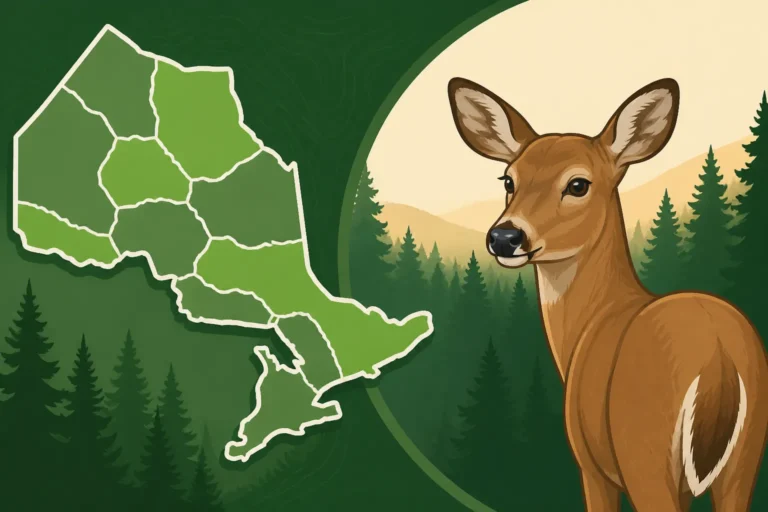
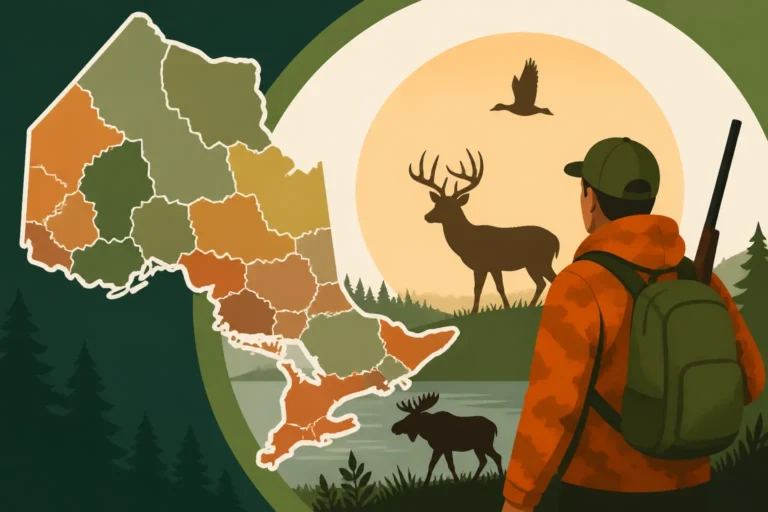
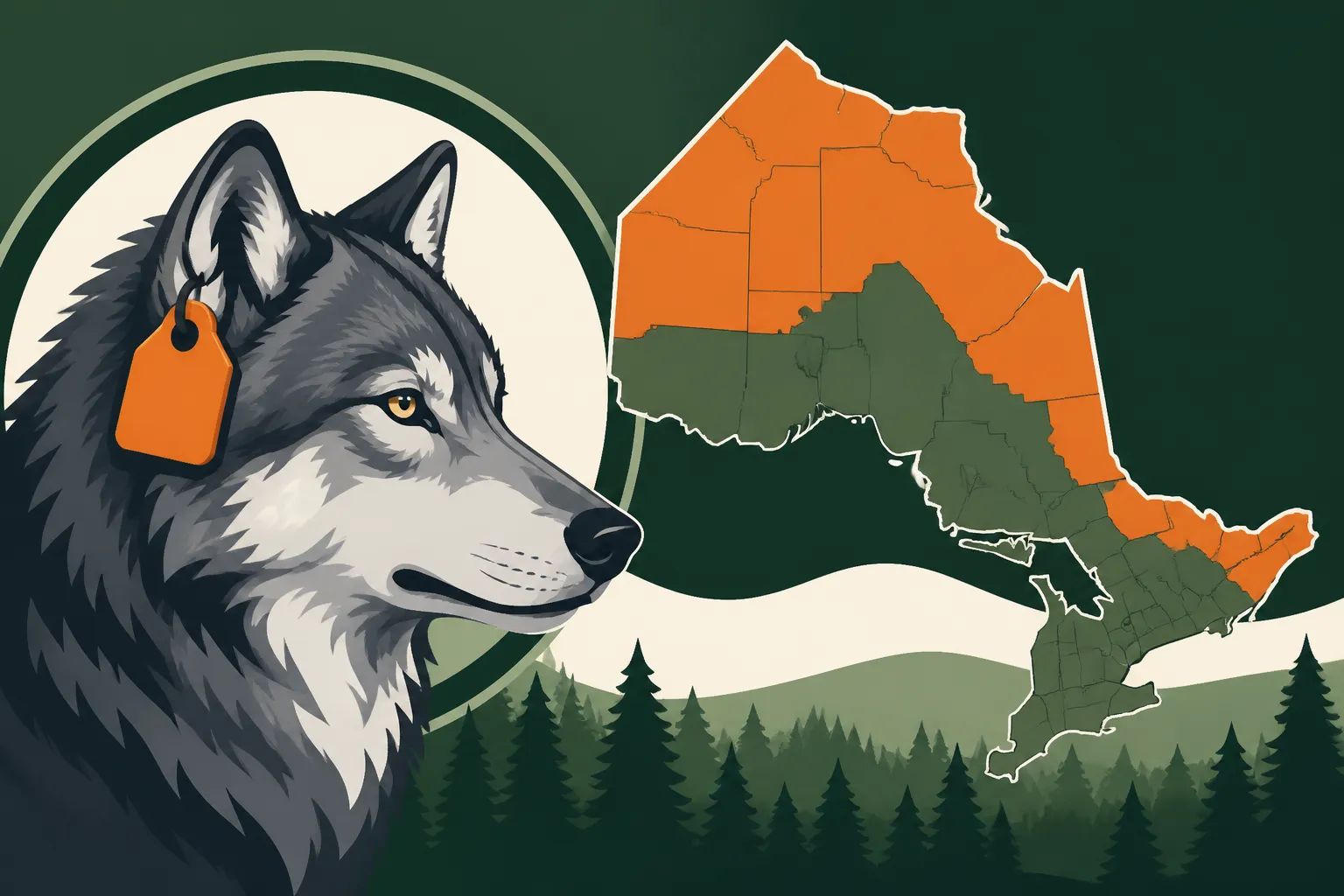
The most straightforward scenario for needing a wolf tag is when you are hunting in a specific Wildlife Management Unit (WMU) that has a designated wolf season. These WMUs are typically found in Northern and some Central Ontario regions where wolf populations are more robust and can sustain regulated hunting pressure. For instance, many WMUs in Northwestern Ontario, such as those around Thunder Bay, Kenora, or Dryden, will have established wolf seasons. Similarly, parts of Northeastern Ontario, including WMUs near Sudbury or Timmins, may also require a tag.
It's crucial to consult the annual Ontario Hunting Regulations Summary for the most current information. This document will list out each WMU and its specific hunting seasons, including those for wolves. When you purchase a wolf tag, it will typically be valid for specific WMU groups or the entire northern region where wolf hunting is permitted. Using mapping tools like GoHunt, which overlays WMU boundaries onto satellite imagery, can be incredibly helpful for confirming you are in a legal wolf hunting zone. This is especially true if you plan on Hunting Wolves in Ontario's North, as boundaries can sometimes be less obvious in vast wilderness.
When Coyote Hunting Becomes Wolf Hunting
This is arguably where most of the confusion, and potential for error, lies. In many WMUs, particularly across Southern and some Central Ontario, there is no open season for wolves, and therefore, no wolf tag is issued. However, in these same areas, there is an open season for coyotes, often with generous limits and without a specific tag requirement for residents holding a valid small game licence. The problem arises because coyotes, especially in certain regions like those where they hybridize with wolves, can grow quite large and exhibit physical characteristics that blur the lines between species.
Imagine you're out calling coyotes in an area like the Haliburton Highlands, and a large canid comes in. If you harvest it, believing it to be a coyote, but it's later identified by a conservation officer as a wolf, you could be in serious trouble. In WMUs where wolf hunting is prohibited (i.e., no wolf season and no tags issued), shooting a wolf, even by accident during a coyote hunt, is illegal. The onus is entirely on the hunter to correctly identify their target. This makes understanding the subtle differences in size, skull shape, coat colour, and track patterns absolutely critical before pulling the trigger on any large canid. For general guidance on hunting coyotes legally, refer to resources on Hunting Coyotes in Ontario Farm Country.
Areas Where a Wolf Tag is NOT Required (Coyote Rules Apply)
While the focus is often on where a wolf tag is required, understanding the inverse – where it’s not – is just as important. In many parts of the province, hunters are primarily targeting coyotes, and the rules are distinctly different, often requiring just a general small game licence for residents. However, this doesn't mean you can throw caution to the wind; careful species identification remains key.
Coyote Hunting Across Much of Southern Ontario
For the vast majority of hunters in Southern Ontario, and many parts of Central Ontario, chasing coyotes is a popular activity that generally doesn't involve a specific wolf tag. Most WMUs in the southern half of the province have an open season for coyotes year-round, or for extended periods, and Ontario residents holding a valid small game hunting licence can pursue them without purchasing an additional tag. This applies to WMUs stretching from the Southwestern Agricultural units up through the Kawartha Highlands and across the Eastern Farm Belt. The generous seasons and lack of a specific tag often make coyote hunting an accessible option for many.
However, even in these areas, hunters must always verify the current regulations for their specific WMU in the annual Hunting Regulations Summary. While a wolf tag isn't required, other rules, such as those concerning legal hunting methods, specific firearms, or trespass laws, still apply. For instance, if you're on private land, you always need to ensure you have permission, as outlined in Ontario Trespass and Landowner Law. Tools like GoHunt can help you define your hunting area and check the local regulations for that specific WMU.
The Importance of Species Identification
This cannot be stressed enough: just because you're in a "coyote area" doesn't mean you're exempt from identifying your target correctly. Wolf and coyote populations in Ontario, particularly in transitional zones between northern wilderness and southern farmland, can exhibit significant overlap in appearance. Genetic studies have shown that some coyotes in Ontario carry wolf genetics, leading to larger, more wolf-like individuals often referred to as "coywolves" or Eastern coyotes. These animals can be considerably larger than western coyotes, sometimes reaching sizes that make them difficult to distinguish from smaller wolves.
Mistaking a wolf for a coyote in an area where wolf hunting is prohibited (meaning no tag is issued) is a serious offense. It's not just about losing an animal; it can result in significant fines, loss of hunting privileges, and even confiscation of equipment. Before every hunt, take time to refresh your knowledge on the identifying characteristics of both species. Look for differences in snout length, ear size, leg length, and overall body mass. Pay attention to track size and scat. When in doubt, it’s always better to err on the side of caution. Using an app like GoHunt can provide detailed topographical information which, combined with species identification guides, can assist in understanding potential habitat for both species. Remember, knowing Where Wolf Hunting Is Closed in Ontario is just as important as knowing where it's allowed.
Licensing, Reporting, and Legal Requirements
Okay, so you've done your homework, identified your WMU, and you know you're in an area where a wolf tag is required. Now, what are the practical steps to ensure you're hunting legally? There's more to it than just buying a tag; understanding the entire process from licensing to mandatory reporting is crucial for responsible hunting in Ontario.
Obtaining an Ontario Hunting Licence and Wolf Tag
First things first, to hunt any game animal in Ontario, you need a valid Outdoors Card and the appropriate hunting licence. If you're an Ontario resident, this typically means a resident hunting licence. Non-residents have specific licence options. If you're a first-time hunter, you'll also need to have successfully completed the Ontario Hunter Education Requirements before you can even purchase a licence. Once you have your Outdoors Card and a valid hunting licence, you can then purchase a wolf tag. These are generally available through the Fish and Wildlife Licensing Service online, at participating ServiceOntario locations, or licensed issuers.
The wolf tag is a physical paper tag that you must carry with you while hunting. It specifies the WMU or WMU groups where it is valid and the season dates. Always double-check these details against the current regulations to ensure your tag is valid for your chosen hunting area and dates. The cost of an Ontario Hunting Licences and What They Cost for a wolf tag is separate from your general hunting licence and can vary. It’s a dedicated tag, meaning it's specifically for wolves and not interchangeable with other big game tags.
Mandatory Reporting and Evidence of Sex
Ontario takes its wildlife management seriously, and mandatory reporting is a cornerstone of that. If you are successful in harvesting a wolf in a WMU where a tag is required, you have specific reporting obligations. Generally, this involves validating your tag immediately at the site of the kill by notching it correctly according to the instructions on the tag. This renders the tag invalid for further use.
Beyond tag validation, you are usually required to report your harvest to the Ministry of Natural Resources and Forestry (MNRF) within a specific timeframe. This can often be done online through your Fish and Wildlife Licensing Service account. The information collected, such as the date, location, and sex of the animal, is vital for the MNRF to monitor wolf populations and make informed management decisions in the future.
Furthermore, regulations often stipulate that certain evidence of sex must remain attached to the carcass during transport. This is to ensure compliance and avoid any confusion regarding bag limits, especially where male and female harvest limits might differ. Always consult the current regulations for the precise requirements on evidence of sex. Transporting game, whether it's wolf, moose, or What a Big Boreal Black Bear Weighs, needs to follow specific rules for legality and traceability. Adhering to these reporting and evidence requirements isn't just a legal necessity; it's a critical part of being a responsible hunter and contributing to sound wildlife conservation.
Ontario Wolf and Coyote Tag Requirements by WMU Group
To help clarify the often-confusing regulations, here's a general overview of where a wolf tag is typically required versus where coyote rules apply. Remember, specific season dates and exact boundaries can change, so always consult the official Ontario Hunting Regulations Summary for the most up-to-date information before heading out. Using mapping resources like GoHunt can help you visualize these WMU boundaries.
| WMU Group/Region | Primary Canid Species | Tag Required for Residents | Notes |
|---|---|---|---|
| Northern Ontario | Wolf (Canis lupus) | Yes (special tag) | Regions include areas around Kenora, Dryden, Thunder Bay, Fort Frances, and areas further north. Consult specific WMU regulations as some Northern WMUs may have local nuances. |
| Southern/Central | Coyote (Canis latrans) | No (Residents) | Generally open year-round for coyotes; a valid small game licence is needed. No wolf tag issued, therefore taking a wolf is prohibited. Careful species ID is critical. |
| Eastern Central | Wolf (Canis lupus) | Yes (special tag) | Specific WMUs in Eastern and Central regions where wolf populations exist and are managed. These are often in transition zones or near protected areas. |
| **Central/Southern Borders | Mixed (Wolf/Coyote) | Sometimes (residents), Yes (non-residents) | In some border WMUs (e.g., Algonquin Park fringe), specific rules apply. The Algonquin Wolf is protected in certain areas, meaning no hunting. |
| Specific Protected Areas | Wolf (Canis lupus) | No (Hunting Prohibited) | For instance, within Algonquin Park or in other designated Protected Areas, wolf hunting is explicitly closed to protect populations, including the unique genetic heritage of the Algonquin Wolf. |
| Other (WMU Specific) | Varies | N/A | Always consult the official Ontario Hunting Regulations Summary for your specific WMU to verify requirements. |
Conclusion: Understanding Your Ontario Wolf Tag Requirements
Navigating the rules for hunting canids in Ontario can feel daunting, but hopefully, this extensive look at "where a wolf tag is required" has clarified a good deal of it. The main takeaway is that species identification is paramount, and knowing your WMU's specific regulations is non-negotiable. Whether you're hunting in the deep bush of Northern Ontario or the mixed landscape of the south, always take the time to verify the rules for your intended hunting area in the current Ontario Hunting Regulations Summary. Tools like GoHunt can be immensely helpful in visualizing WMU boundaries and informing your scouting efforts. By doing your homework, you'll ensure a legal, ethical, and ultimately more enjoyable hunt. Good luck out there, and stay safe!
Disclaimer
Please remember that hunting regulations are subject to change. This guide provides general information and recommendations based on current understanding. It is the responsibility of every hunter to consult the official Ontario Hunting Regulations Summary published by the Ontario Ministry of Natural Resources and Forestry (MNRF) annually, as well as any relevant federal regulations, before participating in any hunting activity. Always adhere to all local, provincial, and federal laws and regulations. This information should not be taken as legal advice.