When Primary Moose Applications Open
There's nothing quite like the knot in your stomach when you realize you might have missed a crucial deadline for an Ontario moose tag. The dream of calling a bull moose in the rut or bringing home a winter's worth of meat depends entirely on getting those applications in on time, and missing the primary application window can feel like missing the entire season. This guide is all about nailing down those critical dates for Ontario's primary moose applications, so you can breathe easy and focus on the hunt, not the paperwork.
Understanding Ontario's Moose Tag Allocation Process
Hunting moose in Ontario isn't as simple as just buying a licence. Because moose populations are managed carefully and demand far outstrips the available tags, the province uses a comprehensive draw system to allocate opportunities. This system is designed to provide fair access while managing herd health, but it can feel incredibly complex for those new to it, or even for seasoned hunters trying to keep up with annual changes.
Why the Primary Moose Application Stage Matters Most
The primary application stage is arguably the most critical part of the entire moose tag allocation process. This is the period when the vast majority of moose tags – for both bulls and cows – are distributed to hunters. It's your first, and often best, shot at securing a tag for the upcoming season. If you miss this window, your chances of hunting moose that year dwindle significantly, pushing you into the much more competitive "Second Chance" allocation stage, where far fewer tags are available.
Think of it like this: the primary draw is when the big pie is being cut. Everyone who wants a piece needs to be there at that initial cutting. If you show up later, there might only be crumbs left, or you might have to fight a lot harder for a small slice. Getting your application in during this window means you're competing with the full pool of hunters, leveraging any accumulated points you might have, and giving yourself the best possible statistical odds. Many dedicated moose hunters spend months researching their preferred Ontario's Wildlife Management Units and planning their applications long before the window even opens, knowing how vital this first step is.
How Moose Points Accumulate and Influence the Draw
Ontario uses a points system to help distribute moose tags more equitably over time, especially for highly sought-after Wildlife Management Units (WMUs) and tag types. Each year you apply for a moose tag in the primary draw and are unsuccessful, you accumulate one "points-eligible year" or simply a "point." These points don't guarantee you a tag, but they significantly increase your odds in subsequent draws. The more points you have, the better your chances of being selected in the primary draw.
This system can be a bit of a double-edged sword. On one hand, it rewards persistence. Hunters who have been applying for years without success will eventually have a very strong chance of drawing a tag. On the other hand, it means new hunters or those with fewer points might find it incredibly challenging to draw a desirable tag right away, especially in popular WMUs like those in the Cochrane Clay Belt or the Nipigon Country, which often require a significant number of points. It's a long game, and understanding how these points accumulate is crucial for long-term planning. Once you successfully draw a tag, your accumulated points for that specific tag type (bull or cow) and group size are reset, and you start accumulating them again from scratch. You can find more details on How Ontario Moose Points Accumulate to truly strategize your long-term draw efforts.
Key Dates for Primary Moose Applications
The question on every serious moose hunter's mind each year is: when can I apply? While the specific dates can shift slightly from year to year, there's a fairly consistent window you can expect. However, never rely on past dates alone; always confirm the official dates.
The Typical Application Window: January to February
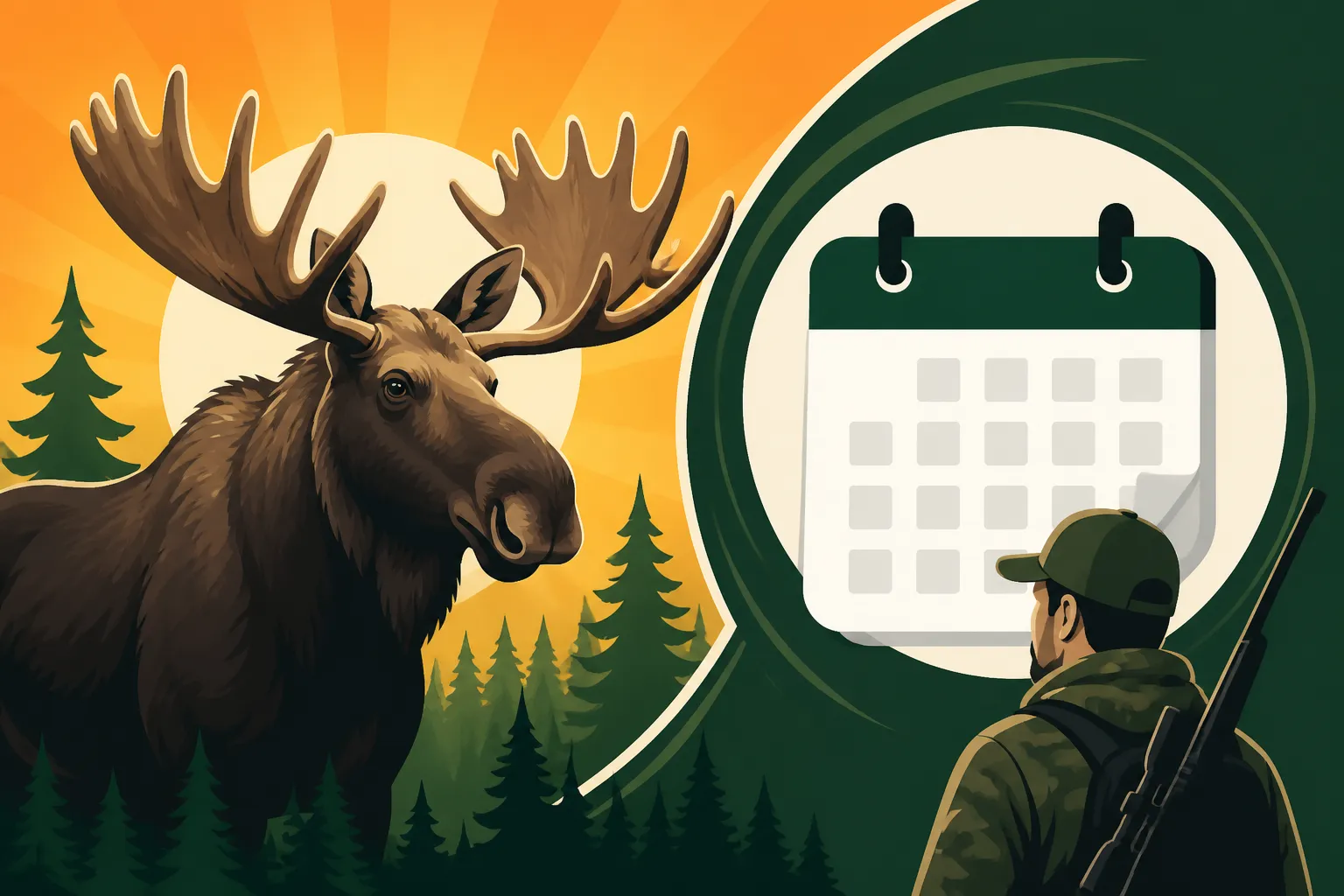
Historically, the primary application window for moose tags in Ontario opens in early January and typically closes by late February. This two-month period gives hunters ample time to submit their applications. For instance, in many past years, the window has opened around January 1st and closed around February 20th to 27th. This timeline allows hunters to digest the previous year's results, review updated regulations, and make informed decisions about their application strategy for the coming season.
It's a crucial window, and marking these months on your calendar well in advance is non-negotiable for any hunter hoping to fill a moose tag. Missing this period means you've essentially missed your best chance for the year, pushing you towards the much more competitive secondary draw or requiring you to join an existing group with a tag. Don't let the excitement of planning your Moose Hunting Ontario's Northern Bush trip override the importance of getting that application in on time!
Where to Find the Official, Up-to-Date Dates
While knowing the typical window is helpful for planning, you absolutely must consult the official sources for the exact dates each year. Relying on outdated information can lead to disappointment.
The most reliable sources for these critical dates are:
- The Ontario Hunting Regulations Summary: This comprehensive guide is updated annually and published by the Ministry of Natural Resources and Forestry (MNRF). It contains all season dates, bag limits, and specific application deadlines. You can usually find it online as a PDF download or pick up a physical copy wherever hunting and fishing licences are sold.
- The Fish and Wildlife Licensing Service Website: This is the provincial online portal where you manage your Outdoors Card, purchase licences, and apply for draws. The home page or the specific moose draw section will prominently display the opening and closing dates for the primary application period as soon as they are finalized each year.
Make it a habit to check these sources in late December or early January. A quick visit to the website or a scan of the updated regulations will ensure you have the precise When Primary Moose Applications Open information right at your fingertips. Setting an alarm on your phone for January 1st to "Check Moose Draw Dates" is a small step that can save a lot of heartache.
Here's a quick overview of the typical Ontario Moose Draw Timeline:
| Event | Typical Start Time | Typical End Time | Key Action |
|---|---|---|---|
| Primary Application Window | Early January | Late February | Submit your initial moose draw application |
| Primary Draw Results Posted | Mid-March | Late March | Check if you were successful |
| Tag Acceptance/Rejection Period | Late March | Early April | Accept or decline your awarded tag |
| Second Chance Application Window | Mid-April | Late April | Apply for remaining tags (if unsuccessful) |
| Second Chance Results Posted | Early May | Mid-May | Check Second Chance results |
| Tag Sales for Unallocated Tags | Mid-May (onward) | Through season | Purchase any remaining unallocated tags |
Note: These are typical timelines. Always refer to the official MNRF regulations for exact dates each year.
Navigating the Primary Moose Application Process
Once you know when to apply, the next step is actually going through the motions. The process is relatively straightforward if you're prepared, but there are several critical steps to ensure your application is valid and gives you the best chance.
Before You Apply: Prerequisites and Strategic Planning
Before you even log into the licensing portal, a few things need to be in order:
- Valid Outdoors Card: This is your fundamental hunting identification in Ontario. You can't apply for any draws without it. Ensure yours is current and hasn't expired. If you need to renew or obtain one, read up on Getting an Ontario Outdoors Card.
- Research WMUs and Hunt Codes: Don't just pick a WMU blindly. Research moose populations, access, and hunting pressure in various units. WMUs in the far north, like those around Hearst and Kapuskasing, might have different dynamics than those closer to communities. Consider what kind of hunt you want and what kind of commitment you're willing to make. This is where tools like GoHunt become incredibly useful. Many hunters utilize platforms like GoHunt to analyze historical draw data, success rates, and even map out potential hunting areas. It allows you to make an informed decision based on data, rather than just a hunch.
- Understand Hunt Group Rules: If you're planning to hunt with a party, make sure you understand the Ontario Group Moose Tag Rules. You'll need to know who your hunt leader is and their Outdoors Card number to link your applications. Hunting as a group can increase your chances in certain scenarios, but it also adds a layer of coordination.
- Choose Your Tag Type (Bull, Cow, Calf): You'll typically apply for a specific tag type for a specific WMU. Decide if you're aiming for a bull, cow, or calf tag. Your points are typically tracked by bull and cow categories, so this decision matters for your long-term point strategy.
Taking the time for this preparation before the application window opens will make the actual submission process smooth and stress-free. It ensures you're making the most strategic choices for your hunting aspirations.
Submitting Your Application Through the Online Portal
The vast majority of moose applications are submitted online via the Fish and Wildlife Licensing Service portal. It's designed to be user-friendly, but attention to detail is paramount.
- Log In: Head to the official Ontario Fish and Wildlife Licensing Service website and log in using your Outdoors Card number or other credentials.
- Navigate to the Draws Section: Look for a section related to "Hunts and Draws" or "Moose Draw."
- Initiate an Application: Select the option to apply for the primary moose draw.
- Enter Details:
- Hunt Group Information: If you're part of a group, you'll enter the hunt leader's Outdoors Card number to link your application. The hunt leader will submit the primary application and invite other members. Ensure everyone in the group has their Outdoors Card and necessary licences squared away.
- WMU Selection: Carefully select your preferred WMU(s). You can usually choose up to two or three choices, ordered by preference. Your points will be applied to your first choice first.
- Tag Type: Specify whether you're applying for a bull, cow, or calf tag (though calf tags are often restricted or obtained differently).
- Review and Confirm: Before final submission, meticulously review all the information. Check WMU numbers, tag types, and group member details for any errors. A typo here could invalidate your application or send it to the wrong place.
- Payment: There's usually a small application fee, even if you don't draw a tag. Process the payment to complete the submission.
Once submitted, you should receive a confirmation email. Keep this email as proof of your application. It’s always a good idea to ensure you haven't missed any steps. You can typically view your pending applications within the online portal itself.
Verifying Your Application for Accuracy
This step is often overlooked, but it's critically important. After you submit your application and receive confirmation, log back into the Fish and Wildlife Licensing Service a day or two later.
- Check Your Application Status: Confirm that your application shows as "submitted" or "active" for the primary moose draw.
- Review Details: Double-check that all the details – especially your chosen WMU, tag type, and group information – match what you intended. Mistakes happen, and sometimes data entry errors can occur. Catching them early gives you a chance to rectify them before the closing deadline.
The small amount of time spent on this verification can prevent immense frustration later if you discover an error. It's your last line of defense against administrative hiccups.
Planning Beyond the Application
Submitting your primary moose application is a significant milestone, but it's far from the end of the journey. What happens next, and how you prepare, is just as crucial.
What to Expect Post-Application and Waiting for Results
After the primary application window closes in late February, a period of anticipation begins. The MNRF processes all applications, applies the points system, and conducts the draw. This takes time, and results are typically posted in mid to late March.
During this waiting period, many hunters find themselves constantly checking their email or logging into the licensing portal. It's a nail-biting time, especially if you've been building points for years or have a specific WMU in mind. Historically, the results for the primary moose draw are typically posted around the third or fourth week of March. Keep an eye on your email inbox, but also get into the habit of logging directly into the Fish and Wildlife Licensing Service to check your application status. You'll either see a congratulatory message indicating you've drawn a tag or a notification that you were unsuccessful, along with an update on your accumulated points. For more precise historical result dates, check out When Primary Moose Results Are Posted.
Preparing for Success or Second Chances
Once the results are in, your path for the hunting season will become clearer:
- If You're Successful: Congratulations! Now the real planning begins. You'll need to formally accept your tag within a specified period (usually a few weeks). Once accepted, you can proceed with purchasing your moose licence and planning your hunt. This involves everything from scouting your chosen WMU, securing access, organizing gear, and preparing for Meat Care in Ontario's Warm Early Seasons if you're hunting early. It's time to dive deep into details about Moose Hunting Ontario's Northern Bush or your specific region.
- If You're Unsuccessful: Don't despair! While it's certainly a letdown, it means you've gained another point, improving your chances for next year. More importantly, you still have an opportunity through the Second Chance Moose Allocation. This draw usually opens in April for any tags that were unaccepted or unallocated in the primary draw. While fewer tags are available, especially for highly desired areas, it's still a viable option. You can learn more about The Second Chance Moose Allocation to strategize for this next phase. Beyond that, there's always the possibility of purchasing leftover tags directly from the licensing service later in the spring, though these are typically for less popular WMUs or tag types.
Remember, every year is a new opportunity, and even an unsuccessful draw means progress in the long game of Ontario moose hunting.
Utilizing Resources Like GoHunt for Strategic Advantage
In the increasingly competitive world of Ontario moose hunting, leveraging technology and data can provide a significant edge. While the primary application process is mandatory for everyone, how you choose to apply and where can be heavily influenced by data-driven insights. This is where specialized platforms come into play.
Services like GoHunt (and similar analytics platforms) are designed to help hunters make more informed decisions. They often compile years of draw statistics, broken down by WMU, tag type (bull vs. cow), and even group size. This allows you to:
- Analyze Draw Odds: See how many points it historically took to draw a tag in your preferred WMU. This can help you decide if your current point accumulation makes a specific WMU a realistic first choice or if you should consider a backup plan. GoHunt can give you a better understanding of what to expect based on past trends.
- Identify Undersubscribed WMUs: Sometimes, certain WMUs or tag types are less popular for various reasons, making them easier to draw with fewer points. GoHunt can help highlight these "sleeper" units.
- Plan Long-Term Point Strategy: If you know it takes 10+ points to draw your dream bull tag in a specific unit, GoHunt's data can help you decide whether to keep accumulating points there or to apply for a cow tag in a different unit to get a hunting opportunity sooner.
- Group Application Strategy: Understanding the success rates for different group sizes can help your Ontario Group Moose Tag Rules strategy.
- General Moose Intelligence: Beyond just draws, these platforms can provide valuable mapping tools, habitat analysis, and general intelligence that can aid in your hunt planning once you've secured a tag.
While GoHunt doesn't guarantee a tag, it empowers you with information, transforming guesswork into a calculated strategy. In a system as competitive as the Ontario moose draw, every bit of strategic advantage helps.
Disclaimer
The information provided in this guide is for general informational purposes only and is subject to change. Hunting regulations, season dates, and application processes in Ontario are determined by the Ministry of Natural Resources and Forestry (MNRF) and can be updated annually. Always consult the official Ontario Hunting Regulations Summary and the Fish and Wildlife Licensing Service website for the most current and accurate information before planning or engaging in any hunting activities. Failure to comply with official regulations may result in penalties.