What an Ontario Bull Elk Weighs
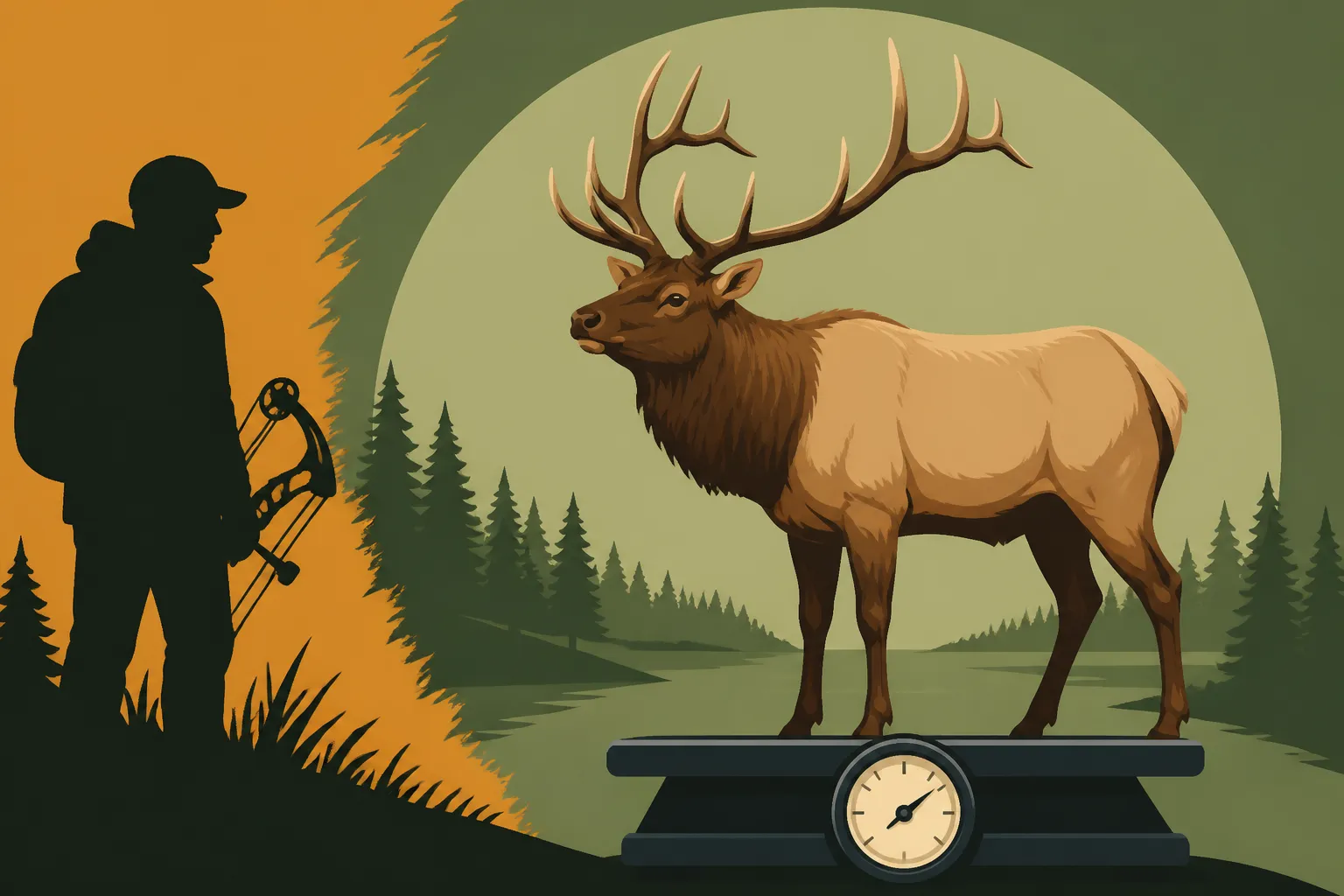
There's nothing quite like the sight of a bull elk, especially here in Ontario. That deep, resonating bugle carries through the forest, a sound that stirs something primal in every hunter. But beyond the impressive antlers, many hunters wonder, just how much does one of these majestic animals actually weigh? It's a practical question that matters for everything from field dressing to logistics, and it's a bit more nuanced than a simple number. This guide will delve into what you can expect when you’re lucky enough to draw an Ontario elk tag, exploring the factors that influence their size and the real-world implications for hunters.
The Scale of an Ontario Bull Elk: Numbers and Averages
When you're talking about an animal as magnificent as a bull elk, weight is a significant factor that impacts every step of the hunting process, from the moment you spot one to the arduous task of getting it home. Ontario's elk, while not as widely distributed as in some western provinces or states, are robust and impressive animals capable of reaching substantial sizes.
Live Weight vs. Dressed Weight: Understanding the Difference
Let's break down the numbers you might hear. When hunters or wildlife biologists discuss an animal's weight, they often refer to two distinct figures: live weight and dressed weight. Live weight is pretty straightforward – it's the animal's total weight when it's alive, walking around in the bush. For a mature Ontario bull elk, you're generally looking at a live weight that can range anywhere from 700 to 900 pounds. Now, don't be surprised if you hear stories of truly massive bulls pushing that thousand-pound mark or even slightly exceeding it; those giants are definitely out there, especially in their prime years.
Dressed weight, on the other hand, is the weight of the animal after it has been field dressed. This means removing the internal organs, which significantly reduces the overall mass. Typically, the dressed weight of an elk will be roughly 60% to 70% of its live weight. So, a 700-pound bull might dress out at around 420-490 pounds, while a 900-pound bull could yield a dressed weight of 540-630 pounds. This distinction is crucial for hunters because dressed weight is what you'll be quartering, packing out, and ultimately transporting. It also gives you a more realistic idea of the amount of meat you'll be taking home. Knowing this difference is essential for planning your hunt and the heavy work that comes after the shot.
Factors Influencing an Elk's Size in Ontario
Just like with any wild animal, an Ontario bull elk's weight isn't a static number. Several key factors contribute to how big an individual animal will get. These elements are a fascinating interplay of genetics, environment, and the passage of time.
Age is arguably the most significant determinant. Elk, like deer, need time to reach their full physical potential. Younger bulls, often referred to as "raghorns" in their early years, are still growing and building muscle mass; they simply haven't had enough seasons under their belt to pack on the pounds. A bull typically hits its prime in terms of body weight and antler development between 5 and 10 years old. An older bull that has survived several winters and reached this prime age will almost always be heavier than a younger one, assuming all other factors are equal. This is why experienced hunters often seek out mature animals, not just for their antlers, but for the sheer mass of the animal.
Nutrition plays an absolutely critical role in an elk's development. Access to abundant, high-quality forage throughout the year dictates how much energy an elk can convert into body mass. Areas with diverse plant life, lush grasses, nutritious browse, and essential minerals will support larger, healthier elk. If a bull spends its life in an area rich in food sources, it will have the resources to grow bigger and heavier. Conversely, elk in areas with poorer forage quality or those that have endured particularly harsh winters may not achieve the same impressive weights. Hunters using tools like GoHunt can often identify areas with good habitat characteristics, which can correlate with better nutrition for game species.
Finally, the time of year can also influence a bull's weight. Bulls put on a tremendous amount of weight during the summer and early fall as they prepare for the rut. This period of intense breeding activity is incredibly demanding, and bulls can lose a significant amount of body weight – sometimes hundreds of pounds – during the rut due to constant activity, fighting, and reduced feeding. A bull taken in early September before the peak of the rut will likely be heavier than the same bull taken in late October or November after weeks of chasing cows and sparring with other bulls. These weight fluctuations are a natural part of their annual cycle.
Ontario's Elk Herd: A Unique Story of Restoration and Growth
Ontario's elk herd is a testament to successful conservation and reintroduction efforts. While not as widespread as their cousins in the Rockies, these animals have carved out a niche in specific regions, growing into truly impressive specimens. Understanding their history and habitat gives us a better appreciation for their size.
The Bancroft Herd and Beyond: Ontario's Elk Legacy
The story of elk in Ontario is one of triumph. By the late 1800s, elk had been extirpated from the province due to overhunting and habitat loss. For over a century, the distinct bugle of a bull elk was absent from Ontario's forests. However, thanks to dedicated restoration efforts beginning in the late 1990s and early 2000s, elk were reintroduced to the province. The most well-known and successful of these reintroduction sites is the Bancroft-area herd, which has thrived in the mixed forest and agricultural fringes of central Ontario. This herd, along with smaller populations in other designated areas, continues to be carefully managed to ensure its long-term health and growth.
The success of these herds means that the elk found here are robust and healthy. While the total numbers may not rival those in places like Alberta or Colorado, the individual animals have access to good habitat. The mixed forest environment provides ample cover, while agricultural edges can offer additional food sources, contributing to the impressive body size seen in mature Ontario bulls. Hunters interested in the history and current status of these magnificent animals can learn more by researching Ontario's Restored Elk Herd and specifically Where Ontario's Elk Herd Lives. Keeping tabs on herd health, population estimates, and range expansion is a passion for many, and organizations are continuously working to ensure these animals continue to flourish.
Comparing Ontario Elk to Western Counterparts
It’s a common question for hunters: are Ontario elk as big as those out West? While the vast, open spaces and high altitudes of the western mountains are iconic elk country, a mature Ontario bull elk can absolutely hold its own in terms of size and impressiveness. They are the same species, Cervus canadensis, and given the right conditions, they can grow to similar proportions.
Ontario's habitat, characterized by its mixed forests, clearcuts, and sometimes proximity to agricultural lands, provides a diverse diet that supports significant growth. While they might not traverse the same expansive ranges or face the same population pressures as some western herds, the bulls that reach maturity in Ontario's bush country are powerful, heavy-bodied animals. The key factors influencing size – age, genetics, and nutrition – are present and accounted for in Ontario's managed herds. So, when you're fortunate enough to embark on Hunting Elk Around Bancroft, you can expect to encounter truly substantial animals that will challenge your hunting skills and provide an unforgettable experience. Don't let the idea that "western elk are bigger" deter you; an Ontario bull is a magnificent trophy and a source of abundant, delicious meat.
Practical Implications for the Ontario Elk Hunter
Drawing an Ontario elk tag is a truly special opportunity, and it means you're preparing for a hunt that demands meticulous planning, not just for the chase, but for the heavy lifting that follows a successful harvest. Knowing the potential weight of a bull elk isn't just a fun fact; it's a critical piece of practical information.
Field Dressing and Meat Care for a Large Animal
Successfully harvesting a large bull elk is an incredible accomplishment, but the work is far from over once the animal is down. This is where understanding its sheer weight becomes paramount. An animal weighing 700 to 900 pounds, even after field dressing, is an immense amount of biomass. You're looking at hundreds of pounds of meat and bone that need to be handled quickly and efficiently, especially if the weather isn't cooperating. This is not a task for one person, or even two, alone. You'll want to have a team, or at the very least, a clear plan for how to proceed immediately after the kill.
The priority is to cool the meat as rapidly as possible to prevent spoilage. This means getting the hide off and the carcass broken down into manageable quarters quickly. Having sharp knives, a game saw, gambrels, and plenty of game bags is essential. You might even consider bringing a tarp to lay the meat on, keeping it clean as you work. For those hunting in warmer early seasons, the urgency is even greater, and understanding proper Field Dressing in Warm Ontario Weather is non-negotiable. Every minute counts when you're trying to preserve hundreds of pounds of high-quality wild game meat.
Retrieval Logistics: Getting it Out of the Bush
Once field dressed and quartered, the challenge shifts to retrieval. Moving hundreds of pounds of meat through Ontario's often rugged terrain is an undertaking that requires forethought and sometimes specialized equipment. This is where your pre-hunt scouting and planning truly pay off. Did you consider potential extraction routes? Is the area accessible by ATV, or will it be a manual pack-out?
For many hunters, especially those operating in remote areas, an ATV or even a small boat or canoe might be indispensable. If you're fortunate enough to hunt near a road, you might be able to drag quarters out. However, if you're deep in the bush, you'll need multiple strong individuals, sturdy packs, and perhaps a game cart. Think about the logistics of Getting a Moose Out by Canoe if you're near water, as the principles for extracting such large animals are similar. Utilizing detailed topographic maps, perhaps from a platform like GoHunt, during your scouting phase to identify potential trails, waterways, or points of vehicle access can save you immense effort and frustration on the back end of your hunt. This isn't just about strength; it's about smart planning.
Trophy Expectations and Body Size
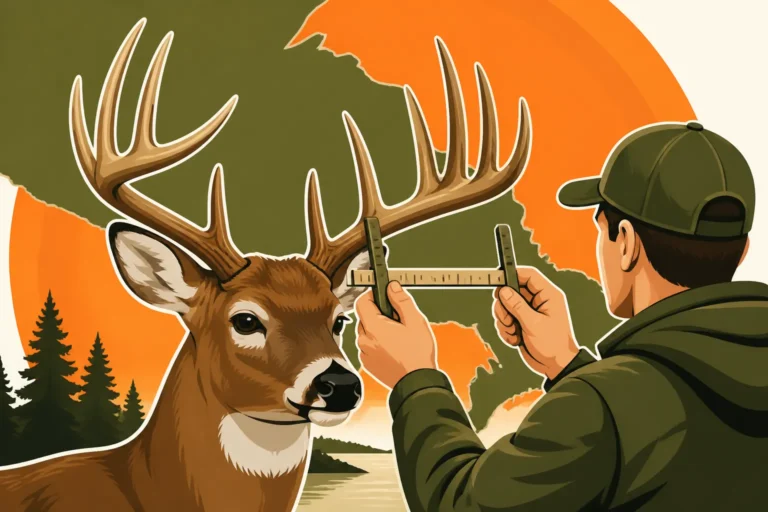
While antler size is often the primary focus for trophy hunters, it's worth noting that body size and antler development, while generally correlated, don't always perfectly align. A bull that has an exceptional body weight might have a respectable but not record-breaking rack, and vice-versa. Prime-age bulls (5-10 years old) are more likely to exhibit both impressive body mass and antler growth because they've had sufficient time to mature physically.
However, environmental factors and genetics can influence the two separately. Some regions might produce heavier-bodied animals due to superior nutrition, but if calcium and phosphorus are limited, antler growth might suffer. Conversely, a genetically superior antler-growing bull might not be the absolute heaviest on the hoof if he lives in a less productive habitat. When you've drawn your Ontario Elk Draw Application Rules and finally get to the field, remember that a heavy-bodied bull is a trophy in itself, providing a freezer full of organic, lean meat, regardless of the inches of antler it carries. The experience of harvesting such a magnificent animal is the real prize.
Elk Weight in Context: How They Stack Up
Understanding the potential weight of an Ontario bull elk is crucial, but it also helps to put it into perspective by comparing it to other large game animals you might pursue in the province. This comparison highlights just how substantial an elk truly is and reinforces the need for proper preparation.
Elk vs. Moose vs. Deer: A Weight Class Comparison
When we talk about big game in Ontario, elk certainly fall into the "very large" category, but they're not the undisputed heaviest. That title typically goes to the mighty moose. White-tailed deer, while still a significant animal, are in an entirely different weight class.
To give you a clearer picture, here's a general comparison:
| Game Species | Average Mature Bull/Buck Live Weight (lbs) | Average Dressed Weight (lbs) | Notes |
|---|---|---|---|
| Elk (Ontario Bull) | 700 – 900+ | 500 – 700+ | Can exceed 1000 lbs live, particularly in prime years. |
| Moose (Ontario Bull) | 900 – 1500+ | 650 – 1100+ | The largest game animal in Ontario, truly massive. |
| White-tailed Deer (Ontario Buck) | 150 – 250+ | 100 – 180+ | Highly variable; northern bucks often heavier than southern farmland deer. |
| Black Bear (Ontario Boar) | 200 – 400+ | 150 – 300+ | Exceptional bears can exceed 600 lbs live weight. |
As you can see, an Ontario bull elk is a seriously large animal, far outweighing even the biggest white-tailed deer. They sit comfortably between a large deer and a medium-sized moose, posing unique challenges for the hunter regarding field care and extraction. Many of the same considerations you'd have for moose hunting, such as having a capable team and appropriate gear for heavy lifting, will apply to elk. If you're planning a multi-species hunt or just want to compare notes, understanding the various sizes of game animals in Ontario is always a good idea.
The Hunter's Challenge: Be Prepared for Bulk
The takeaway here is clear: an Ontario bull elk is a substantial animal, and encountering one successfully requires not just hunting prowess but also practical preparation for dealing with its immense size. It's a truly exhilarating experience, but one that comes with serious logistical considerations. For those who are new to hunting large game, or just making sure all their ducks are in a row, reading up on What to Do After Drawing an Ontario Elk Tag can be incredibly helpful.
This preparation extends beyond just the gear. It means having a plan for immediate field dressing, whether that's quartering on the ground or splitting the animal to hang. It means understanding the terrain you're hunting in and how that might impact extraction. Knowing your Ontario Hunter Education Requirements certainly covers safety, but practical skills for handling large game are often learned through experience and mentorship. Utilizing advanced mapping tools like GoHunt to analyze topography, potential access points, and even the proximity of good cover can dramatically reduce the physical burden and increase your efficiency once a bull is down. Being prepared for the sheer bulk of an Ontario bull elk ensures that your successful hunt remains a positive memory, from the shot to the freezer.
Disclaimer
This article is for general informational purposes only and does not constitute professional advice. Laws, prices and regulations vary by location and change over time. Consult a qualified professional for guidance on your specific situation.