Ontario’s Restored Elk Herd
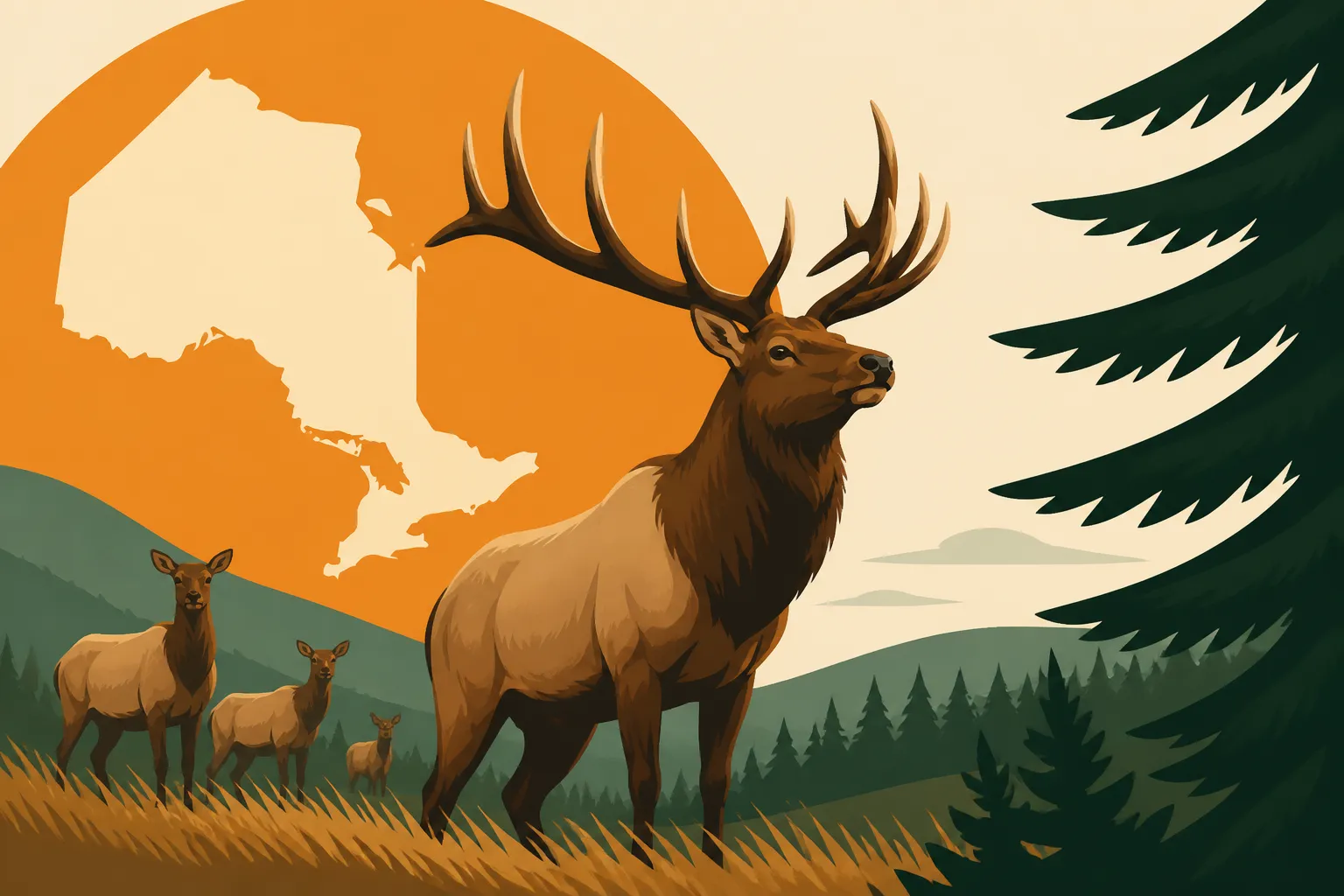
For many long years, the majestic bugle of an elk was a sound lost to the Ontario wilderness, a poignant reminder of what had once been. The extirpation of these magnificent animals left a void in our forests, a silent testament to past pressures. But thanks to dedicated conservation efforts and a vision for the future, Ontario’s elk herds are not only back, but thriving, offering a truly unique hunting and wildlife viewing opportunity for residents. This comprehensive guide will walk you through the incredible journey of their restoration, where they live today, and what it takes to pursue them ethically in our diverse landscapes.
The Historical Absence and the Vision for Return
The story of Ontario’s elk begins with their disappearance, a chapter that underscores the impact of human activity on even the most resilient species. Understanding this history is crucial to appreciating the immense effort required for their return.
When Elk Disappeared from Ontario
Imagine Ontario's vast forests and open meadows centuries ago, teeming with diverse wildlife, including large herds of elk. These magnificent creatures, also known as wapiti, once roamed much of the province, from the far reaches of the northwest to the southern agricultural plains. They were an integral part of the ecosystem, their grazing and browsing habits shaping the landscape, and their presence adding to the rich biodiversity. However, by the late 1800s and early 1900s, the bugle of the bull elk fell silent. A combination of factors conspired against them, primarily unregulated market hunting which saw elk harvested for their meat and hides without concern for population sustainability. Habitat destruction and fragmentation, driven by expanding agriculture and logging practices, further exacerbated their decline. The last wild elk in Ontario were reported sometime in the early 20th century, signaling a complete extirpation from the province. It was a profound loss, not just for the ecosystem but for the cultural heritage of the land, leaving many to only dream of seeing a wild elk again.
Early Restoration Attempts and Challenges
The idea of bringing elk back to Ontario wasn't a new one; some early attempts were made even before the turn of the 20th century, and then again in the mid-1900s. These initial efforts, however, were largely unsuccessful. Several factors contributed to these failures, illustrating how complex wildlife reintroduction can be. Sometimes, the source animals were released into unsuitable habitats that lacked sufficient forage or cover to sustain a viable population. Other times, disease transmission from domestic livestock or a lack of public understanding and support led to issues like poaching or vehicle collisions, which quickly decimated small, vulnerable groups. Without robust monitoring, disease management protocols, and comprehensive public engagement, these early attempts were simply unable to overcome the myriad challenges. The lessons learned from these setbacks were invaluable, highlighting the need for a more strategic, collaborative, and scientifically grounded approach if a future restoration effort was to have any hope of success. It became clear that simply dropping a few elk into the bush wasn't enough; a grander, more integrated vision was required.
The Modern Elk Restoration Project: A Collaborative Effort
The successful return of elk to Ontario is a shining example of what dedicated conservationists, government agencies, and passionate volunteers can achieve when they work together towards a common goal. This chapter tells the story of how a dream became a reality.
Bringing Elk Back: Key Translocations and Sources
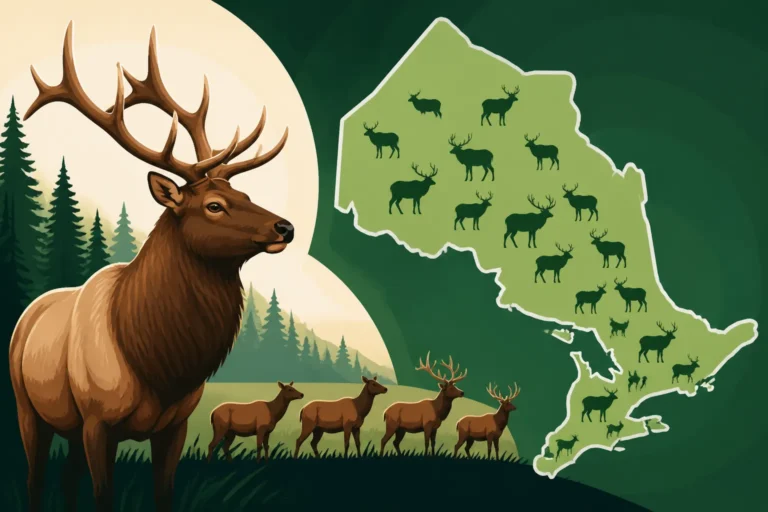
The truly successful modern reintroduction program began in the early 2000s, following years of careful planning and assessment. This ambitious project involved sourcing healthy, genetically diverse elk from established populations in western Canada and the United States. A primary source for many of Ontario's elk was Elk Island National Park in Alberta, renowned for its healthy, disease-free herds. Over several years, starting notably in 1998 and continuing into the early 2000s, hundreds of elk were captured, tested, transported, and released into carefully selected sites across Ontario. The main release zones were strategically chosen for their suitable habitat, including the Bancroft-North Hastings area in Central Ontario, the Lake Huron North Shore region near Sault Ste. Marie, and the Lake of the Woods area in the far northwest. These areas offered a mix of mature forest, regenerating clear-cuts, and agricultural fringes, providing both food and cover. The sheer logistics of capturing, safely transporting, and releasing these large animals, often weighing hundreds of pounds, was a monumental task, requiring significant expertise and coordination from countless individuals and organizations.
Partnerships and Funding for a Grand Vision
The success of Ontario’s elk restoration project can truly be attributed to a remarkable collaborative spirit. This wasn't a single entity effort; it was a multi-faceted partnership involving various stakeholders. The Ministry of Natural Resources and Forestry (MNRF) played a pivotal role in leading the scientific and regulatory aspects, conducting feasibility studies, selecting release sites, and monitoring populations. Crucially, non-governmental organizations like the Rocky Mountain Elk Foundation (RMEF) provided significant financial backing, logistical support, and public awareness campaigns, contributing millions of dollars to the effort. The Ontario Federation of Anglers and Hunters (OFAH) also stepped up, rallying its members for volunteer support, advocacy, and hands-on assistance during translocations. Local communities, Indigenous groups, and private landowners also played an essential role, offering land access and local knowledge, and helping to foster a welcoming environment for the reintroduced herds. Funding was secured through a combination of grants, private donations, and dedicated conservation stamp sales, demonstrating a broad commitment to the long-term viability of elk in Ontario. This collaborative model, with its shared vision and pooled resources, proved to be the bedrock of the project's enduring success.
Where Ontario's Elk Herds Roam Today
Today, visitors and hunters alike can witness the magnificent return of elk to specific regions of Ontario. These distinct populations represent the triumphs of the restoration efforts.
The Bancroft-North Hastings Herd
When people talk about Ontario elk, the Bancroft-North Hastings herd is often the first that comes to mind, and for good reason. This is arguably the most robust and accessible of Ontario's elk populations, and where the province's limited hunting opportunities are concentrated. Located in the beautiful and rugged terrain of Central Ontario, the herd ranges across a mosaic of habitats. You’ll find them utilizing expansive tracts of mixed hardwood and conifer forests, which provide essential cover and browse, alongside agricultural fringes where they can forage on crops like corn and hay. The rolling hills, scattered wetlands, and numerous lakes and rivers in this region create an ideal environment for elk to thrive. The herd has shown consistent growth since its reintroduction, gradually expanding its footprint and becoming a significant fixture in the local landscape. For those looking to see or pursue elk, the Bancroft area provides the highest probability, making it a focal point for wildlife enthusiasts and a prime destination for a hopeful hunt. Understanding the movements and preferred habitat within this specific region is key to success, and online tools like GoHunt can be invaluable for pinpointing potential hotspots or Hunting Elk Around Bancroft.
Other Established and Emerging Herds
While the Bancroft herd garners the most attention, Ontario is home to other elk populations, each with its own unique story and challenges. The Lake Huron North Shore herd, located in the vast forests west of Sudbury, near Sault Ste. Marie, is another significant population. These elk navigate a landscape dominated by Canadian Shield rock, boreal forest, and the majestic shores of Lake Huron. Their habitat is tougher, more remote, and generally sees less human pressure than the Bancroft area. Similarly, the Lake of the Woods herd, situated in the extreme northwestern corner of the province near Kenora, inhabits a rugged wilderness of dense boreal forest, innumerable lakes, and rocky outcrops. These herds are generally smaller and more widely dispersed than the Bancroft population, often making them more elusive. Their growth has been slower, primarily due to the vast, less agriculturally-influenced landscapes and potentially higher predator densities. While hunting opportunities are currently extremely limited or non-existent in these regions, their presence signifies a wider biological success and holds promise for future expansion. Each herd faces distinct challenges, from adapting to different forage bases to navigating vast wilderness areas, but all contribute to the overarching success of Ontario's elk restoration.
| Elk Herd Location | Estimated Population (Approx.) | Primary Habitat Type | Current Hunting Status (Resident) |
|---|---|---|---|
| Bancroft-North Hastings | 600-800+ | Mixed Forest, Farmland Edges | Limited, Draw-Based |
| Lake Huron North Shore | 200-300+ | Boreal Forest, Canadian Shield | Very Limited/Conservation Focused |
| Lake of the Woods | 100-200+ | Boreal Forest, Lake Country | No Current Active Hunt |
Understanding Elk Biology and Behaviour in Ontario's Landscape
Successfully encountering or hunting elk in Ontario requires a solid grasp of their unique biology and how they interact with the specific environments they now call home. They're not just big deer; they have distinct characteristics.
Adaptations to Ontario's Environment
Elk are highly adaptable animals, and their success in Ontario is a testament to this resilience. While they are often associated with more open, western landscapes, Ontario's diverse environment provides everything they need. They are primarily grazers, preferring grasses and forbs, which they find in open fields, regenerating clear-cuts, and forest openings. However, they are also browsers, especially in winter, turning to woody vegetation like willow, poplar, and dogwood when herbaceous plants are scarce or buried under snow. This flexibility in diet is critical for surviving Ontario's sometimes harsh winters. Their large body size helps them conserve heat, and their strong legs allow them to navigate deep snow, though exceptionally deep snow can still pose a challenge. They also use the diverse forest cover for shelter from severe weather and as protection from predators. Unlike smaller deer species, elk have an incredible metabolism that helps them maintain body condition even during lean times, a crucial adaptation for thriving in a northern climate.
Social Structure and Rutting Behaviour
Elk are very social animals, typically living in herds, though their social structure changes throughout the year. Most of the year, cows and calves live in maternal herds, often led by an experienced cow. Young bulls may form bachelor groups, spending their time away from the cow herds. The most exciting time for observing (or hunting) elk is during the rut, which typically peaks from late September through early October. This is when the bulls, often solitary or in bachelor groups for most of the year, rejoin the cow herds to compete for breeding rights. The woods come alive with the unmistakable sound of a bull elk's bugle – a guttural bellow that transitions into a high-pitched whistle, a sound that can send shivers down your spine. Dominant bulls will gather harems of cows, defending them vigorously against rival males. They'll spar, thrash vegetation with their antlers, and engage in elaborate displays of dominance. Understanding this behaviour is crucial for hunters, as the rut offers a unique opportunity to locate and call in a bull. Much like Calling a Bull Moose in the Rut, understanding the nuances of elk vocalizations and how to respond can make all the difference.
Hunting Ontario Elk: A Unique Opportunity
For Ontario residents, drawing an elk tag is the culmination of years of anticipation and a rare opportunity to pursue one of North America's most iconic big game animals right in their home province. It's a privilege, not a given.
The Controlled Draw and Tag Allocation
Unlike deer or bear hunting in many parts of Ontario, elk hunting is a highly controlled and coveted pursuit. It's strictly reserved for Ontario residents, making it an exclusive opportunity for those who call the province home. The Ministry of Natural Resources and Forestry (MNRF) manages the elk population through a rigorous controlled draw system to ensure sustainable harvesting and herd health. Only a very limited number of tags are issued each year, primarily for the Bancroft-North Hastings herd, targeting specific animal types like antlered (bull) or antlerless (cow/calf). This makes drawing an elk tag a significant accomplishment, often requiring many years of applying. There isn't a complex "points system" exactly like moose, but persistent application year after year increases your odds through the random draw. Understanding the application deadlines and categories is paramount, and you can find detailed information on Ontario's Resident-Only Elk Draw through the province's outdoors card portal. The draw process ensures that the hunt remains sustainable and that the elk population continues to thrive, even with a limited harvest.
Strategies for a Successful Ontario Elk Hunt
Once you've secured that coveted tag, the real work begins. Hunting elk in Ontario is a completely different ballgame than hunting them in the wide-open spaces of the western states or provinces. Here, you're primarily dealing with thick, often rugged, mixed forest and heavy cover, which makes spotting difficult and demands patience.
Pre-Season Scouting: This cannot be emphasized enough. Spend time in your chosen Wildlife Management Unit (WMU) well before the season opens. Look for fresh tracks, droppings, rubs on trees, and wallows. Identifying primary travel corridors between bedding and feeding areas is critical. Use mapping tools like GoHunt or other satellite imagery to identify natural funnels, ridges, and clear-cuts where elk are likely to move. These digital tools can help you understand the topography and cover density before you even set foot in the woods, giving you a huge advantage.
Calling: During the rut, calling can be incredibly effective. Bull bugles are the most iconic, but cow calls and calf mews can also lure curious bulls or bring a herd closer. Practice your calls extensively and understand when to use aggressive bugles versus subtle cow calls. Being able to read the elk's response to your calls is an art form that comes with experience.
Patience and Persistence: Ontario elk hunting isn't about covering vast distances quickly; it's about slow, deliberate movement, listening intently, and often committing to a stand or still-hunt for extended periods in prime areas. Being prepared to hike deep into the bush is a must. Knowing when to be aggressive and when to sit tight is key to success on Hunting a Drawn Ontario Elk Tag.
Understanding Wind: Elk have an incredible sense of smell, so playing the wind correctly is non-negotiable. Always hunt into the wind or with a crosswind that will carry your scent away from where you expect elk to be. Thermals also play a huge role, especially in hilly terrain, so understanding how air currents move throughout the day is vital.
Equipment and Regulations Specific to Elk
Hunting an animal as large and powerful as an elk requires appropriate gear and strict adherence to specific regulations to ensure a safe, ethical, and legal hunt.
Firearms and Ammunition: For rifle hunters, a minimum caliber of .270 is generally recommended, though many experienced elk hunters prefer larger calibers like .30-06, .300 Win Mag, or 7mm Rem Mag. The key is shot placement and using premium, controlled-expansion bullets designed for large game. Do not skimp on ammunition quality.
Archery Equipment: Bowhunters must adhere to minimum draw weight and arrow weight requirements as specified in the Ontario Hunting Regulations Summary. A compound bow typically needs a minimum draw weight of 40 pounds at 28 inches, and a crossbow must meet specific draw weight and bolt energy standards. Broadheads must be fixed-blade or mechanical, designed for clean, humane kills on large animals. These requirements are clearly laid out under Legal Firearms and Bows for Big Game.
Blaze Orange: Just like for other big game seasons, wearing blaze orange or pink is mandatory during rifle and muzzleloader seasons. This dramatically increases your visibility to other hunters and is a critical safety measure.
Tagging and Reporting: Once you harvest an elk, immediate tag notching and attachment as per regulations is crucial. You must also report your harvest within a specified timeframe to the MNRF. This reporting is vital for monitoring herd health and informing future tag allocations. Failure to do so can result in significant penalties.
Meat Care: Elk are big animals, and getting the meat properly handled and cooled is paramount, especially if hunting in warmer early fall conditions. Be prepared with a good knife, game bags, and a plan for quartering and packing out the animal. For more on this, consider Field Dressing in Warm Ontario Weather.
Conservation Challenges and Future Outlook
While Ontario's elk restoration has been a resounding success, it's an ongoing effort that faces challenges. Sustaining these herds requires continuous management and vigilance from all stakeholders.
Disease, Poaching, and Human-Wildlife Conflict
Even with the success of reintroduction, Ontario's elk populations aren't without their threats. Disease is a constant concern; for instance, Chronic Wasting Disease (CWD), while not confirmed in wild cervids in Ontario, remains a significant threat to deer, moose, and elk populations across North America. The province has active surveillance programs in place, and vigilance by hunters and the public is crucial. Understanding What CWD Means for Ontario Deer is relevant as it applies to all cervids. Other parasites like brainworm, though often not fatal to elk, can sometimes impact their health. Poaching also remains a concern, especially with such a limited and high-value game animal. The MNRF, with public support, actively investigates and prosecutes illegal hunting activities. Finally, as elk expand their range, human-wildlife conflict can arise. This includes crop damage for farmers, which can lead to negative perceptions, and increased risk of vehicle collisions on roads. Management strategies involve encouraging landowners to participate in deterrent programs, public education campaigns, and careful monitoring of elk movements near developed areas.
Habitat Management and Population Monitoring
The long-term health and growth of Ontario's elk herds depend heavily on ongoing habitat management and meticulous population monitoring. The MNRF, in collaboration with conservation partners, works to ensure there is adequate high-quality habitat available for elk. This includes promoting sustainable forest management practices that create the mosaic of regenerating clear-cuts, mature forest, and openings that elk thrive in. Creating and maintaining wildlife corridors to allow for herd expansion and genetic exchange between populations is also vital. Programs like the Land Stewardship and Habitat Restoration initiatives often benefit elk by improving forage and cover.
Population monitoring is a continuous process, involving aerial surveys, ground observations, and hunter harvest data collection. Scientists track population numbers, age structures, sex ratios, and overall herd health. This data is critical for making informed management decisions, such as setting tag quotas, determining open WMUs, and adapting to changes in the environment or herd dynamics. The sustained involvement of hunters, through license fees and mandatory harvest reporting, provides invaluable data and financial support for these crucial conservation efforts. Utilizing advanced mapping and data platforms, such as those offered by GoHunt, can assist conservation organizations in identifying and tracking habitat changes and elk distribution patterns, further aiding these monitoring efforts. The commitment to these practices is what will secure the future of elk in Ontario for generations to come.
The Broader Impact: Ecotourism and Economic Benefits
The return of elk to Ontario has brought more than just ecological benefits; it has created new opportunities for local communities and enriched the province's natural heritage.
Local Economies and Community Engagement
The presence of thriving elk herds has a tangible positive impact on local economies, particularly in the Bancroft-North Hastings region. Hunters traveling to the area spend money on accommodation, food, fuel, and supplies, providing a boost to small businesses. Beyond hunting, the allure of seeing wild elk draws ecotourists, wildlife photographers, and nature enthusiasts, especially during the fall rut when bugling bulls are most active. These visitors contribute to local economies, often outside of traditional peak tourism seasons, creating a more stable economic base for rural communities. This renewed interest fosters a sense of pride and engagement among local residents, who often become enthusiastic stewards of their elk populations. Community events, educational programs, and local festivals celebrating the elk's return have further cemented their place as a valued asset, demonstrating how wildlife conservation can directly translate into economic vitality.
Cultural and Recreational Value
The successful restoration of elk goes beyond mere numbers or economic figures; it represents a significant cultural and recreational enrichment for Ontario. For many, the ability to witness these magnificent animals in their natural habitat is a profound experience, connecting them to a wilder past and a hopeful future. Wildlife viewing, photography, and simply knowing that elk roam the provincial forests again add an immeasurable value to Ontario's natural heritage. The challenge and privilege of drawing an elk tag create a unique and highly anticipated hunting season for those fortunate enough to participate, often becoming a lifelong memory. This success story stands as a testament to the power of conservation, illustrating what can be achieved when people commit to restoring what was lost. The bugle of an elk echoing through an autumn forest is more than just an animal's call; it's the sound of a legacy restored, a wild spirit returned to the heart of Ontario. For those who care deeply about conservation and the future of our wild spaces, it is truly something to celebrate. Knowing How Many Elk Ontario Holds Now and that they are once again part of our landscape speaks volumes about dedication and foresight over Why the Elk Restoration Took Decades.
Disclaimer
The information provided in this guide is for general informational purposes only and is subject to change. Hunting regulations, season dates, and licensing requirements are set by the Ontario Ministry of Natural Resources and Forestry (MNRF) and can vary. Always consult the most current Ontario Hunting Regulations Summary and relevant government websites before planning any hunting trip or making decisions related to wildlife. The author is not responsible for any inaccuracies or outdated information.