When Snow Geese Pass Through Ontario
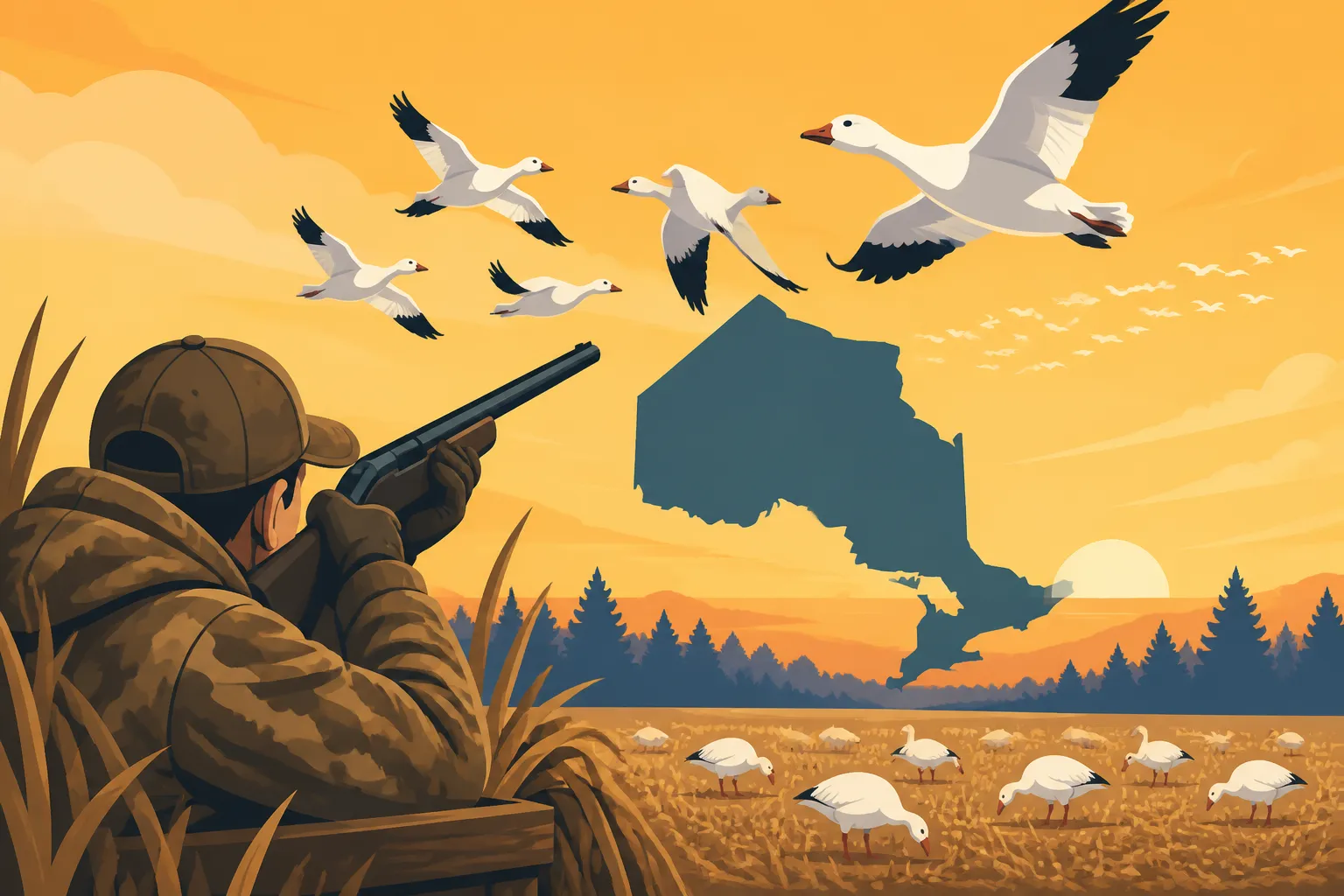
There’s nothing quite like the sight and sound of a thousand Snow Geese lifting off a field. It's a spectacle that speaks to the raw power of nature, but for hunters, it can also be a frustrating mystery. Knowing precisely when these incredible birds pass through Ontario is key to even having a chance at intercepting them, and this guide is going to help you unravel the patterns of their journeys, giving you a better shot at understanding and possibly hunting these magnificent white rockets.
Understanding the Snow Goose Migration in Ontario
Snow Geese are truly remarkable birds, undertaking epic migrations that stretch thousands of kilometres from their Arctic breeding grounds to their wintering habitat in the southern United States. Unlike our familiar Canada Geese, which often have localized populations and more predictable movements, Snow Geese are a force of nature, moving in massive, often overwhelming, flocks. Their migration through Ontario is a significant event, but it's often fleeting and highly dependent on weather patterns.
The Arctic to Gulf Flyway
Most of the Snow Geese that grace Ontario's skies belong to the greater Mississippi Flyway population. These birds nest in the vast, remote expanses of the Arctic tundra and then funnel south, following ancient routes that take them across the Prairies and down through the heart of North America. While Ontario isn't typically the epicentre of Snow Goose migration like some of the central states, we still see significant numbers, particularly in the agricultural areas of southern Ontario, as they navigate their incredible journey. They're looking for abundant food sources—primarily waste grain in harvested fields—to fuel their long flights. Some birds might skirt the eastern edges, mingling with the Atlantic Flyway, but for the most part, we're dealing with the Mississippi travellers here.
Why Snow Geese Are Different
If you've spent any time chasing Canada Geese, you'll quickly realize that Snow Geese operate on a completely different level. For starters, their flocks are often gargantuan, sometimes numbering in the tens of thousands. The sheer volume of sound they produce when feeding or flying is deafening, a cacophony of high-pitched honks and cackles that can be heard for miles. They are also incredibly wary birds, with excellent eyesight that makes them notoriously difficult to decoy, especially after they've been pressured. Their flight patterns can be unpredictable, often flying very high and covering vast distances quickly. This means that catching them "on the ground" or even in a reachable flight path requires meticulous scouting and often a bit of luck. Forget trying to hide a few dozen decoys in a fence line for these birds; you'll need serious commitment and a different set of tactics entirely.
Spring Migration: The Northbound Push
For many hunters and birdwatchers, the spring migration of Snow Geese is the most breathtaking. As winter begins its slow retreat, these birds feel the primal urge to head back to their Arctic nesting grounds, and they do so with an incredible urgency, following the melting snow lines.
Timing the Thaw
The spring migration window for Snow Geese in Ontario is often intense but brief. Generally, you can expect to see the main push from late March through mid-April. However, this timing is incredibly fluid and almost entirely dictated by the weather. A prolonged, cold spring can delay their arrival, while an early thaw can see them streaming through rapidly. They are literally chasing the snowline north, seeking out the first exposed agricultural fields to feed on waste grain. This means that one week an area might be barren, and the next, thousands of white specks could suddenly appear in the sky. If you're hoping to witness this spectacle, keeping a close eye on weather patterns and reports from southerly jurisdictions can give you a heads-up on their approach.
Major Spring Staging Grounds
When Snow Geese hit Ontario during their northbound journey, they tend to concentrate in specific areas where food is plentiful and they can rest safely. The vast agricultural landscapes of Southwestern Ontario are prime real estate for these birds. Think of areas around Lake Erie's north shore, particularly the region around Long Point, which is a globally significant bird migratory corridor. Fields of last year's corn and soybeans, especially those with some standing stubble, become temporary cafeterias. Large, open wetlands and flooded fields also draw them in. It's not uncommon to see immense rafts of Snow Geese on larger bodies of water as they rest between feeding forays. These staging areas are critical bottlenecks in their migration, offering vital energy reserves before the next leg of their arduous journey to the high Arctic. Why Lake St. Clair Draws So Many Ducks also shares similar characteristics in terms of large water bodies attracting migratory waterfowl, though Snow Geese primarily favour open fields.
Spring Hunting Considerations
While the spring migration is a spectacle, hunting opportunities for Snow Geese in Ontario during this period are generally limited or conservation-focused. Historically, many jurisdictions have implemented "Light Goose Conservation Orders" in spring to help manage burgeoning Snow Goose populations that can sometimes damage delicate Arctic nesting habitats. These orders often allow for methods not typically permitted during regular seasons, such as electronic calls and extended shooting hours, but hunters must check the current year's regulations explicitly. The focus is often on increasing harvest to mitigate ecological impacts rather than traditional sporting pursuits. Always ensure you have your Ontario Game Bird Seasons and Limits and The Federal Migratory Game Bird Permit in order, regardless of the season.
Fall Migration: A More Leisurely Descent
The fall migration of Snow Geese offers a different experience than the spring rush. While still impressive, it tends to be more drawn out and less concentrated in its initial stages as families and smaller groups begin their journey south.
Early Fall Movements
As the Arctic summer wanes and temperatures begin to drop, Snow Geese commence their southward migration. In Ontario, you might start seeing the first vanguard of Snow Geese in late September, though these early birds are often scout-like groups or birds that have travelled shorter distances. The main push typically begins in October, ramping up through early November. Unlike the spring where they're driven by the thaw, the fall migration is more about finding consistent food sources and avoiding early severe weather. They'll often take their time, feeding in different fields for days, before being pushed further south by colder temperatures or snow cover. This often means more scattered groups and a less predictable flow than the focused spring movement.
Late Fall Concentrations
As November progresses and colder weather truly sets in across Ontario, the remaining Snow Geese will consolidate into larger and larger flocks. This is when you'll start to see those truly immense concentrations, often feeding voraciously in large stubble fields to build up fat reserves for the journey ahead. During this time, the Great Lakes region can act as a natural barrier, funnelling birds along specific routes. The pressure from hunters further north also tends to push birds into more southerly Ontario staging areas. For hunters, late fall often presents the best opportunities, as the birds are more focused on feeding and sometimes, though still wary, can be decoying to large spreads. However, they've also been hunted for months, making them incredibly educated. Knowing your Ontario Goose Season Dates by District is paramount here, as these birds typically fall under regular migratory bird regulations.
Fall Hunting Strategies
Hunting Snow Geese in the fall often requires a significant investment in time and gear. Because of their wariness and huge flock sizes, you'll need an extensive decoy spread – we're talking hundreds, sometimes even thousands, of white decoys to mimic a large feeding flock. Often, hunters use "socks" or silhouettes to achieve this volume without breaking the bank. Laying out under these decoys, dressed in white, is a common tactic. Electronic calls, where legal (always check local regulations!), can be extremely effective at drawing birds closer by replicating the loud, constant chatter of a large flock. Setting up in Field Hunting Geese in Ontario Stubble or Setting a Goose Spread in Cut Corn are classic scenarios. Remember, Non-Toxic Shot Requirements for Waterfowl are always in effect for any waterfowl hunting in Ontario, so be sure your shells are compliant.
Key Areas and Tactics for Ontario Snow Geese
Successfully hunting Snow Geese in Ontario isn't about luck; it's about being prepared, knowing their habits, and adapting to their incredibly sharp senses.
Identifying Prime Ontario Habitat
As we’ve touched on, Snow Geese are primarily grazers that seek out waste grain in agricultural fields. This means your focus for scouting and hunting should be on wide-open farmland, particularly in Southwestern Ontario. Counties bordering Lake Erie and Lake Ontario often see the highest concentrations. Look for large fields that have been harvested, especially corn or soybeans, where waste grain is abundant. They also utilize large wetlands and open water bodies for roosting and resting, so nearby fields are always a good bet. While they don't typically use dense bush or heavily wooded areas, they might fly over them to get to their preferred feeding grounds. Pay attention to local birding reports or even just driving through rural areas and spotting white specks on the horizon can give you a clue. When researching, mapping tools like GoHunt can be invaluable for identifying potential agricultural areas and property boundaries that might hold feeding birds.
Gear and Decoy Spreads
To hunt Snow Geese effectively, you're going to need specialized gear. Forget your small Canada Goose spread; these birds demand scale.
- Decoys: As mentioned, large numbers are key. This could be full-body decoys, which are realistic but heavy and expensive, or more commonly, "windsock" decoys, which are lightweight, cost-effective, and move realistically in the wind. Silhouettes also add to the numbers. A spread of 500-1000+ decoys is not uncommon for serious Snow Goose hunters.
- Blinds: Layout blinds are crucial for concealment in open fields. These low-profile blinds allow you to lie flat, covered by stubble or a white sheet, blending into your massive decoy spread. White outerwear is also critical to break up your silhouette.
- Calls: Manual calls are important for finishing birds, but electronic calls (where legal) can provide the volume needed to draw large flocks from a distance. The constant "chatter" is what they expect to hear.
- Non-Toxic Shot: Absolutely mandatory. These birds are tough, so larger shot sizes (like BB, BBB, or T steel shot) are often preferred for good penetration and knockdown power at longer ranges.
Scouting and Access for Success
Scouting is, without exaggeration, the single most important factor for a successful Snow Goose hunt. These birds can move fields daily, sometimes hourly.
- Daily Reconnaissance: Dedicate time each day (or even the day before a hunt) to drive around and locate where birds are feeding. Look for white patches in fields, or listen for their distinctive chatter. Don't be afraid to stop and watch their flight patterns. Scouting Fields for Ontario Waterfowl is a skill you'll want to master here.
- Permission: Once you've located a field, the next hurdle is getting permission from the landowner. Snow Geese can cause significant crop damage, so many farmers might be amenable to granting access. Always approach landowners respectfully and well in advance. Understanding Getting Permission for a Goose Field is vital. Sometimes, tools like GoHunt can help you identify land ownership information, streamlining the process of contacting the right people.
- Set Up Early: Because Snow Geese are early risers and incredibly wary, you need to be set up and concealed well before first light. This often means deploying hundreds of decoys in the dark, which is a significant undertaking.
| Migration Phase | Typical Timing (Ontario) | Key Characteristics | Hunting Opportunities | Primary Focus for Birds |
|---|---|---|---|---|
| Spring (Northbound) | Late March – Mid-April | Fast, concentrated, driven by thaw, massive flocks | Generally limited/conservation focused, check specific regulations | Rapid movement to breeding grounds, refueling on waste grain |
| Fall (Southbound) | Late September – November | More prolonged, spread out initially, feeding heavily, consolidating later | Generally good, regular migratory bird seasons apply | Building fat reserves for winter, avoiding early cold fronts |
This article is for general informational purposes only and does not constitute professional advice. Laws, prices and regulations vary by location and change over time. Consult a qualified professional for guidance on your specific situation.