Furbearers and Where Trappers Work
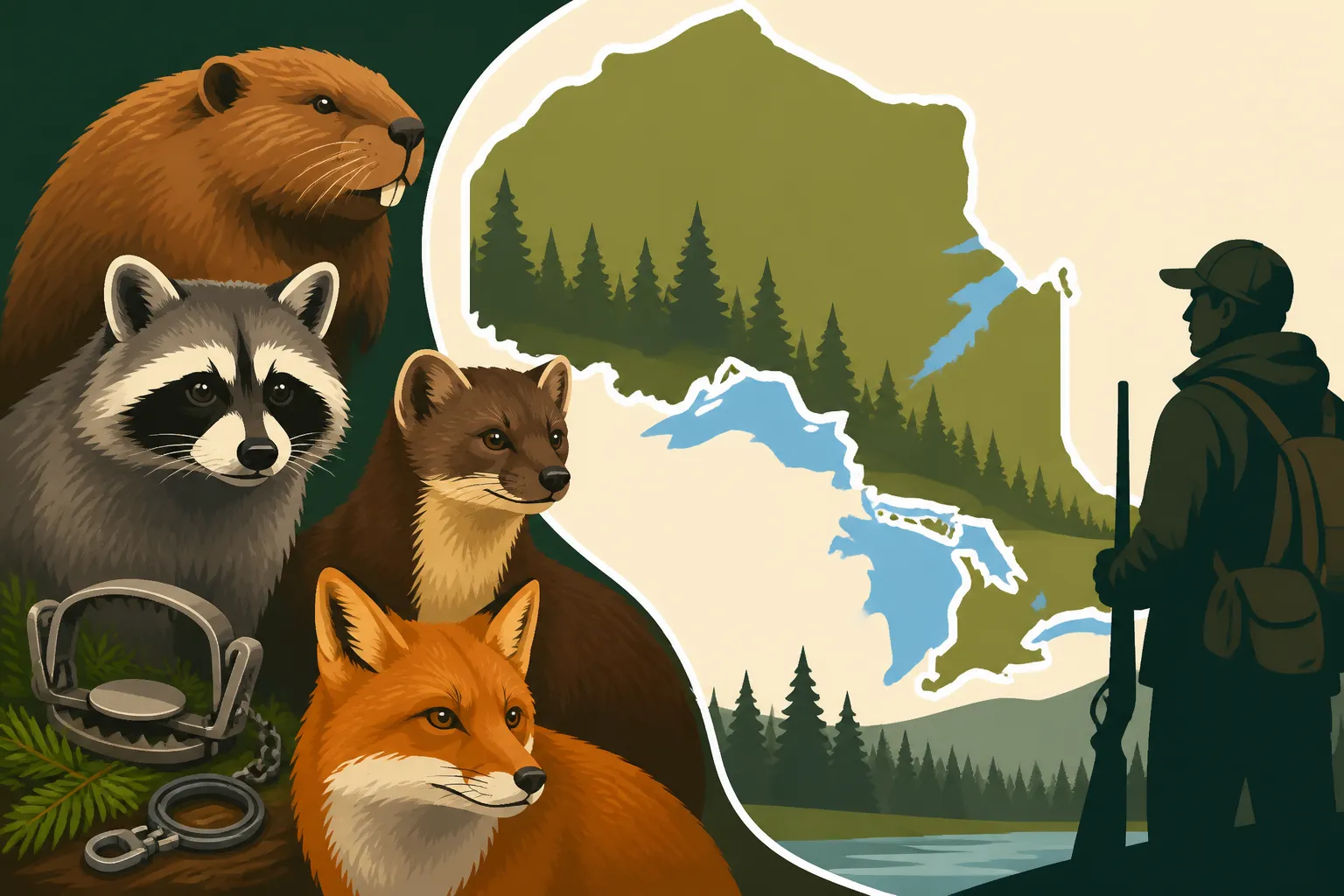
Have you ever wondered about the unseen world bustling beneath the snow or within the dense Ontario bush, a world of clever, resourceful animals known as furbearers? Many hunters and outdoor enthusiasts often focus on big game, but there's a whole ecosystem of incredible creatures that play vital roles, from the smallest weasel to the stealthy lynx. Understanding these furbearers and the dedicated individuals who manage their populations through trapping is key to appreciating the full scope of Ontario's rich wildlife heritage. This guide will take you deep into the lives of these fascinating animals, the areas where trappers responsibly work, and the important role trapping plays in maintaining healthy ecosystems across our vast province.
Understanding Ontario's Furbearers: More Than Just 'Bush Critters'
When we talk about furbearers in Ontario, we're not just talking about any animal with fur. We're referring to a specific group of species, primarily mammals, that have historically been, and continue to be, valued for their pelts. But beyond their economic value, these animals are incredible survivors, each with unique adaptations that allow them to thrive in various Ontario landscapes. They are the silent operators, the nocturnal hunters, and the busy engineers of our forests and wetlands.
The Fascinating World of Ontario's Key Furbearer Species
Ontario is home to a diverse array of furbearers, each with its own niche and characteristics. Knowing these species is the first step in understanding the furbearer world.
Marten and Fisher: These two members of the weasel family are true denizens of the deep woods. Martens are smaller, agile creatures often found in mature conifer forests, darting through tree branches in pursuit of squirrels and mice. Fishers, larger and more robust, prefer mixed woodlands and are renowned for their ability to hunt porcupines – a feat few other predators can accomplish. Both are incredibly tenacious and highly sought after by trappers for their beautiful, durable fur. You can learn more about Fisher and Marten in Ontario Forests.
Beaver and Otter: These aquatic engineers and agile swimmers define many of Ontario's waterways. Beavers, with their iconic dams and lodges, drastically alter the landscape, creating vital wetland habitats that benefit countless other species, from ducks to moose. Otters, on the other hand, are the playful predators of the water, feasting on fish, frogs, and crayfish, their sleek bodies perfectly adapted for life in and around lakes and rivers. Their presence often indicates a healthy, clean aquatic environment. For more on their population, see Beaver and Muskrat Numbers in Ontario.
Foxes and Coyotes: The adaptable canids are found throughout much of Ontario, from dense forests to agricultural fields and even urban fringes. Red foxes are perhaps the most recognized, with their striking colour and bushy tails, often seen hunting voles in open fields. Grey foxes, less common and more secretive, are unique among canids for their semi-retractable claws, allowing them to climb trees. Coyotes, often mistaken for wolves in the south, are highly intelligent and opportunistic predators, thriving in diverse habitats. Understanding Red Fox and Grey Fox in Ontario can shed more light on these fascinating animals.
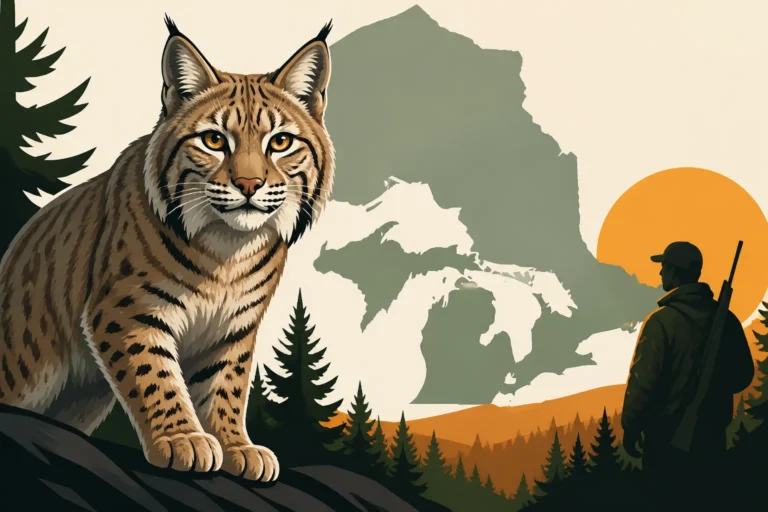
Lynx and Bobcats: These secretive wildcats represent the elusive side of Ontario's furbearers. Lynx, with their characteristic tufted ears and huge paws designed for snow travel, are primarily creatures of the boreal forest, their populations closely tied to the snowshoe hare cycle. Bobcats, slightly smaller and more adaptable, are more common in the southern and central parts of the province, preferring areas with dense undergrowth and rocky outcrops. Both are incredibly skilled hunters and a rare sight for most people. The intricate relationship between Lynx and the Snowshoe Hare Cycle is a true marvel of nature.
Raccoon, Skunk, Weasel, Muskrat, and Mink: This varied group rounds out the list of commonly trapped furbearers. Raccoons are the masked bandits, equally at home in a farmer's woodlot or a suburban backyard, known for their dexterity and omnivorous diet. Skunks, while famous for their potent defence, are important insectivores. Weasels (long-tailed, short-tailed/ermine, and least weasel) are fierce miniature predators, constantly on the hunt. Muskrats are smaller, semi-aquatic rodents, often sharing wetland habitats with beavers, while mink are sleek, semi-aquatic members of the weasel family, often found patrolling stream banks and marsh edges.
How Habitat Dictates Where Furbearers Thrive
Just like with any wildlife, habitat is everything for furbearers. Different species have evolved to exploit specific niches within the vast landscapes of Ontario, and understanding these preferences is crucial for both observation and responsible management.
Consider the dense, mature coniferous and mixed forests of northern and central Ontario. This is prime territory for species like marten and fisher. These animals rely on the thick cover, abundant small prey like red squirrels and voles, and the availability of hollow logs or rock crevices for denning. The health of these forest ecosystems directly impacts their populations. If a trapper is looking for marten, they won't be setting traps in the middle of an open field; they'll be deep in the bush, often along old logging roads or near thick stands of timber.
Conversely, beavers, muskrats, and mink are inherently tied to water. Their world revolves around rivers, streams, lakes, and wetlands. Beavers create their own habitat, flooding areas to build their lodges and provide access to aspen and willow for food. Muskrats thrive in marshes with cattails and emergent vegetation. Mink patrol the edges of these aquatic systems, using their keen sense of smell to find prey. A trapper pursuing these species will be working along shorelines, investigating beaver runs, or setting traps in productive marshlands.
Then we have the generalists, like coyotes and red foxes. While they can be found in wilder areas, they often thrive in agricultural landscapes and mixed woodlands, particularly where there's a mosaic of open fields, brushy hedgerows, and small woodlots. These areas provide abundant prey like rabbits, mice, and groundhogs, along with enough cover for denning and travel. A trapper in Southern Ontario farmland might focus on the edges of fields or along fencerows where these opportunistic predators often travel.
The interconnectedness of these habitats means that disruptions in one area can ripple through the entire furbearer community. For example, extensive clear-cutting might temporarily reduce habitat for forest-dwelling species, but it could, over time, create new shrubby growth that benefits rabbits and, in turn, their predators like bobcats and coyotes. Trappers, with their intimate knowledge of specific areas, often act as on-the-ground monitors of these habitat health indicators.
The Role of Trapping in Ontario: A Historical & Modern Perspective
Trapping in Ontario is far more than just catching animals; it's a practice deeply rooted in the province's history and continues to be a vital component of modern wildlife management. It carries a legacy that predates European settlement and has evolved significantly over centuries, from a necessity for survival to a carefully regulated and respected practice.
A Legacy of Sustainable Resource Management
The history of trapping in Ontario is intricately woven with the story of its Indigenous peoples. For thousands of years, First Nations communities relied on furbearers for food, clothing, shelter, and trade. This traditional knowledge of animal behaviour, habitat, and sustainable harvest practices laid the groundwork for resource management long before formal regulations existed. The arrival of European traders, particularly the French and later the British, seeking beaver pelts for the lucrative European felt hat industry, significantly shaped the exploration and development of what would become Ontario. The fur trade was the primary economic driver for centuries, establishing relationships (both cooperative and contentious) between Indigenous peoples and newcomers.
Over time, as the province developed and scientific understanding of wildlife populations grew, trapping practices adapted. The unregulated free-for-all of early settlement gave way to a system of quotas, seasons, and licensing designed to ensure sustainability. Today, trapping is seen as a responsible use of a renewable natural resource. Modern trappers are often passionate conservationists, deeply connected to the land and committed to ethical practices. They understand that a healthy furbearer population depends on a healthy habitat and careful management. For those interested in this aspect of outdoor life, learning about Ontario Trapping Season Dates is a fundamental step.
Trapping as a Wildlife Management Tool
In the 21st century, trapping serves several crucial functions beyond just resource harvest, making it an important wildlife management tool in Ontario. One of its primary roles is population control and monitoring. Furbearer populations, like any wildlife, can fluctuate. Left unchecked, some species can experience boom-and-bust cycles that lead to overpopulation, habitat degradation, increased disease transmission, or significant conflicts with human interests. Trappers, working within regulated frameworks, help maintain populations at healthy, sustainable levels.
For instance, beaver populations, if allowed to expand unchecked, can flood agricultural land, damage timber, or block culverts, causing significant infrastructure issues. Trappers mitigate these conflicts, often responding to specific complaints from landowners or municipalities. Similarly, in areas with high coyote or fox populations, trapping can help reduce predation on livestock or domestic animals, though these efforts are often part of a broader integrated management strategy.
Beyond direct population management, trappers contribute invaluable data to wildlife biologists. Through mandatory harvest reporting, trappers provide information on the number, sex, and location of animals taken, which helps the Ministry of Natural Resources and Forestry monitor trends and make informed decisions about seasons and quotas. They are essentially the "eyes and ears" on the ground in remote areas, often detecting changes in animal health or habitat long before they would be observed by others. This hands-on, direct involvement makes trappers indispensable partners in Ontario's overall wildlife conservation efforts.
The Geography of Trapping: Where Trappers Work Across Ontario
Ontario is an immense province, spanning vast tracts of boreal forest, Canadian Shield, mixed woodlands, and agricultural lands. The sheer diversity of these landscapes means that the geography of trapping is equally varied. Unlike general hunting, where individuals often seek out specific public or private lands, trapping in Ontario operates under a unique system designed to ensure responsible, long-term stewardship of furbearer resources.
Registered Trapline Areas: A System of Stewardship
At the heart of regulated trapping in Ontario is the Registered Trapline Area (RTA) system. This system divides the province into specific, defined geographic areas, each allocated to an individual or a family group (the "Registered Trapline Holder"). This isn't just a random assignment; it's a long-standing system designed to promote sustainable management and individual accountability.
An RTA holder is essentially a steward of the furbearers within their designated area. They are responsible for managing the populations on their line, ensuring that harvest levels are sustainable, monitoring habitat conditions, and adhering to all provincial regulations. This localized responsibility means that trappers often have an intimate, generational knowledge of their specific trapline, understanding the ebb and flow of animal populations, migration patterns, and habitat changes year after year. It's a system that fosters a deep connection to the land and a vested interest in its ecological health. When you consider the vastness of the northern bush, having dedicated individuals managing these areas is a practical approach to conservation.
Securing a registered trapline can be a lengthy process, often involving years of apprenticeship, waiting lists, and demonstrating a thorough understanding of trapping ethics and wildlife management principles. This exclusivity ensures that those who hold RTAs are committed and knowledgeable. While this system primarily applies to Crown Land, some private landowners also lease their properties to trappers, integrating their land into the broader management strategy, even if not formally part of the RTA system.
Public vs. Private Land: Navigating Access
While the RTA system governs the majority of trapping activity on Crown Land, understanding the difference between public and private land access is crucial for anyone involved in trapping, even as an apprentice or an interested observer.
On Crown Land, the RTA holder has exclusive trapping rights within their designated area. This means general public hunters, even those engaged in Small Game Hunting in Ontario, cannot set traps on a registered trapline without explicit permission from the RTA holder. This prevents conflicts and ensures the integrity of the trapline management plan. For those interested in utilizing Crown Land for other activities, it's always good practice to be aware of active traplines, which can often be identified through signage or local knowledge. If you're exploring Hunting Ontario's Crown Land, keep in mind that other users, like trappers, also have regulated access and rights.
Private land is a different scenario. A landowner has full control over who can access their property for any activity, including trapping. Therefore, a trapper, whether an RTA holder or someone trapping outside an RTA (which is only possible for certain species in specific areas, and only with a valid licence), must always obtain explicit permission from the landowner before setting traps. This is a fundamental principle of responsible outdoor behaviour in Ontario and helps maintain good relations between trappers and the public. Many trappers work diligently to cultivate strong relationships with landowners, offering services like beaver control in exchange for trapping access, or simply respecting the property and its boundaries. Utilizing tools like GoHunt can be invaluable for identifying property lines and landowner information, helping trappers navigate these access requirements efficiently and respectfully, ensuring they always have the necessary permissions before placing any sets.
Beyond the Basics: Techniques and Considerations for Trappers
Trapping is an art as much as a science, requiring a deep understanding of animal behaviour, environmental conditions, and the tools of the trade. It’s not simply about putting a trap in the woods; it’s about reading the landscape, anticipating movements, and executing with precision and ethical responsibility.
Trapping Methods and Best Practices
Modern trapping employs a variety of methods, all strictly regulated to ensure humane and efficient dispatch or capture. The choice of trap depends on the target species, the environment, and the specific regulations in place for a given area and season.
Conibear (Bodygrip) Traps: These traps are designed for quick, humane dispatch of furbearers. They come in various sizes and are typically set in cubbies, runways, or under ice for aquatic species like beaver and otter. Proper placement is critical to ensure the animal enters correctly and is dispatched instantly. For example, a trapper targeting a beaver might set a large conibear in a narrow channel leading to a lodge, ensuring the beaver is caught swiftly and humanely.
Foot-hold (Leg-hold) Traps: These traps are designed to hold an animal without injury, allowing the trapper to release non-target species or evaluate the captured animal. They are commonly used for canids (foxes, coyotes) and some members of the weasel family (mink, marten). Modern foot-holds have padded jaws, swivels, and specific spring strengths to minimize injury. Trappers check these traps frequently, often daily, to minimize stress on captured animals. Once an animal is caught, the trapper must be prepared to dispatch it quickly and ethically using approved methods.
Snares: Snares are loops of cable designed to capture and dispatch animals. They are often set in trails or den entrances and are regulated for specific species and locations. Ontario has strict regulations regarding snare construction, break-away points, and placement to ensure humane capture and to prevent non-target captures. For instance, a trapper might set a snare on a well-used game trail for Hunting Wolves in Ontario's North, but the snare must be set to very specific dimensions and height to avoid catching deer.
Live Traps: Cage or box traps are used to capture animals alive and unharmed. These are often used for nuisance animals in urban or semi-urban settings, allowing for relocation if appropriate. They are also used by trappers to capture and hold animals for educational purposes or to confirm species identification before release or dispatch.
Regardless of the method, adherence to best practices is paramount. This includes proper trap maintenance, using lures and baits appropriately, camouflaging sets effectively, and daily trap checks. Trappers are required to take the Ontario Trapping Course, which emphasizes humane trapping techniques, responsible practices, and understanding the provincial regulations. This rigorous training ensures that only knowledgeable and ethical individuals are actively trapping.
Reading the Landscape: Sign, Scats, and Sets
Successful trapping isn't just about the equipment; it's about being an expert natural historian, capable of reading the subtle clues animals leave behind. This skill, honed over years, allows trappers to anticipate animal movements and place their sets with surgical precision.
Tracks and Trails: Fresh tracks in snow or mud are perhaps the most obvious sign. A trapper looking for mink might follow tracks along a stream bank, noting where the mink disappears under a log or into a rock pile. Coyote tracks leading along a bush edge or an old logging road indicate a regular travel route. An experienced trapper can not only identify the species but also discern the direction of travel, the freshness of the track, and even the animal's gait, all informing the optimal trap placement. Knowing where to look, such as a Hunting an Old Logging Road in the North or a Hunting a Beaver Meadow Crossing, can be key.
Scats (Droppings) and Urination: The droppings of furbearers provide clues about their diet and recent presence. Fox scat, often tapered and containing fur or bone fragments, can tell a trapper what the fox has been eating. Coyote urine posts along a trail can indicate territory marking. These signs, while less visually striking than tracks, are invaluable for confirming an animal's consistent use of an area.
Feeding Signs: Beavers leave tell-tale chew marks on aspen and willow trees, and their cuttings indicate active feeding areas. Otter scat often contains fish scales and bones, found on rocks or logs near water. Martens might leave remnants of a squirrel kill at the base of a tree. Recognizing these feeding patterns helps trappers identify critical activity zones.
Rubbing, Scratching, and Den Sites: Bears rub trees, bobcats and lynx scratch posts, and many furbearers use specific den sites. These can all be indicators of consistent presence. A trapper might find a well-used beaver slide into the water, or a worn path leading to a fox den, all presenting opportunities for a well-placed set.
By meticulously observing these signs, trappers can select "pinch points" or "funnels" in the landscape—areas where animals are naturally channelled, like a narrow crossing over a stream or a gap in a dense thicket. These are the locations where a trap set, carefully blended into the natural environment, has the highest chance of success, demonstrating the trapper's deep understanding of their quarry and its habitat.
Becoming a Trapper in Ontario: Licensing and Regulations
For those inspired by the challenge and the connection to nature that trapping offers, Ontario has a structured pathway to becoming a licensed trapper. This ensures that new trappers are educated, responsible, and uphold the high standards of ethical wildlife management.
The Path to a Trapping Licence
Becoming a trapper in Ontario begins with education. Aspiring trappers, regardless of age, are required to successfully complete the Ontario Trapping Course. This isn't just a quick online quiz; it's a comprehensive program that covers everything from furbearer biology and identification to humane trapping techniques, trap setting, pelt preparation, and provincial regulations. The course typically involves both classroom instruction and hands-on field experience, teaching practical skills like snare construction, trap placement, and ethical dispatch methods. This ensures that every new trapper understands the responsibilities involved.
Beyond the course, practical experience is often gained through apprenticeship. Many new trappers will work under the guidance of an experienced Registered Trapline Holder, learning the nuances of managing a line, reading sign, and adapting to different conditions. This mentorship is invaluable, as much of trapping wisdom is passed down through generations or from seasoned veterans.
Once the course is complete and any apprenticeship requirements are met, individuals can apply for an Ontario Trapping Licence through the Ministry of Natural Resources and Forestry. This licence, like other hunting and fishing licences, is typically renewed annually. It’s important to remember that a trapping licence allows you to trap, but to work on a Registered Trapline Area, you either need to be the RTA holder yourself or be listed as a helper on their line with their explicit permission. The cost of an Ontario Hunting Licences and What They Cost for trapping will vary, so it's best to check the provincial portal for current figures.
Season Dates, Bag Limits, and Reporting Requirements
Ontario's trapping seasons and bag limits are carefully established to ensure the sustainability of furbearer populations. These regulations can vary significantly depending on the species and the Wildlife Management Unit (WMU) you are in. For example, the season for beaver might be longer in areas where their populations are robust and causing management issues, while a species like lynx, which cycles with its prey, might have a shorter or more restrictive season.
The provincial government regularly publishes a Hunting Regulations Summary, which includes a dedicated section for trapping. This document is the authoritative source for specific season dates, open and closed areas, and any special conditions or restrictions. Trappers are legally obligated to know and abide by these regulations. You can find out more about specific dates by checking Ontario Trapping Season Dates.
Perhaps one of the most critical aspects of responsible trapping in Ontario is mandatory harvest reporting. After a trapping season, every licensed trapper is required to report their harvest to the Ministry. This includes details like the species, number of animals taken, and the WMU where they were harvested. This data is absolutely vital for wildlife biologists, providing essential information on population trends, harvest success rates, and the overall health of furbearer populations across the province. Without this comprehensive data, it would be much harder for wildlife managers to make informed decisions about future regulations, quotas, and conservation strategies. This reporting ensures that trapping remains a data-driven and sustainable practice, contributing directly to the long-term health of Ontario's furbearers.
| Furbearer Species | Preferred Habitat | Common Signs to Look For |
|---|---|---|
| American Marten | Mature conifer & mixed forests, dense canopy | Small tracks in snow, tree climber, scat with berries/fur |
| Fisher | Mixed forests, dense undergrowth, rocky areas | Larger tracks than marten, distinctive bounding gait, scat with porcupine quills |
| Beaver | Rivers, streams, lakes, wetlands | Dams, lodges, chewed trees, castor mounds, slides into water |
| North American Otter | Clean aquatic environments (rivers, lakes, marshes) | Slides on banks, fish remains, playful tracks in snow |
| Red Fox | Open fields, mixed woodlands, agricultural areas | Dog-like tracks with clear claw marks, mousing pounces, tapered scat |
| Coyote | Highly adaptable; forests, fields, suburban fringes | Larger dog-like tracks, group howls, scat often contains fur/bone |
| Bobcat | Mixed woods, rocky outcrops, dense cover | Rounded, no-claw-mark tracks, stealthy movements, territorial scrapes |
| Lynx | Boreal forest, areas with high snowshoe hare density | Very large, round, heavily furred tracks in snow; hare remnants |
| Raccoon | Woodlands, farmlands, urban areas, near water | Hand-like tracks, scavenging signs, hollow tree dens |
| Muskrat | Marshes, ponds, slow-moving water, cattails | Small lodges, push-ups (feeding stations), narrow tracks in mud |
| Mink | Stream banks, marsh edges, near water | Small, elongated tracks; scat with fish/frog remains; often near beaver activity |
Disclaimer
This article is for general informational purposes only and does not constitute professional advice. Laws, prices and regulations vary by location and change over time. Consult a qualified professional for guidance on your specific situation.