Why the Great Lakes Concentrate Birds
Anyone who's spent time hunting waterfowl in Ontario knows the frustration: one week your local marsh is teeming with ducks and geese, and the next, it feels like they've all vanished, leaving you wondering where on earth they've gone. It's easy to feel like you're missing something, or that the birds are just playing hard to get. The truth is, many of those birds don't just disappear; they concentrate. And for a huge number of them, especially as the season progresses, the vast expanse of the Great Lakes becomes their ultimate haven and staging ground. This guide will explore the powerful, interconnected reasons why the Great Lakes are such an undeniable magnet for migrating birds, offering insights that can sharpen your understanding and perhaps even your hunting strategy.
The Great Lakes as a Natural Bottleneck for Migration
It's not just a coincidence that the Great Lakes seem to hold so many birds; their sheer geographical presence fundamentally shapes migration routes. Think of them as immense natural landmarks and barriers that funnel birds into predictable corridors.
Geographical Funneling and Flyways
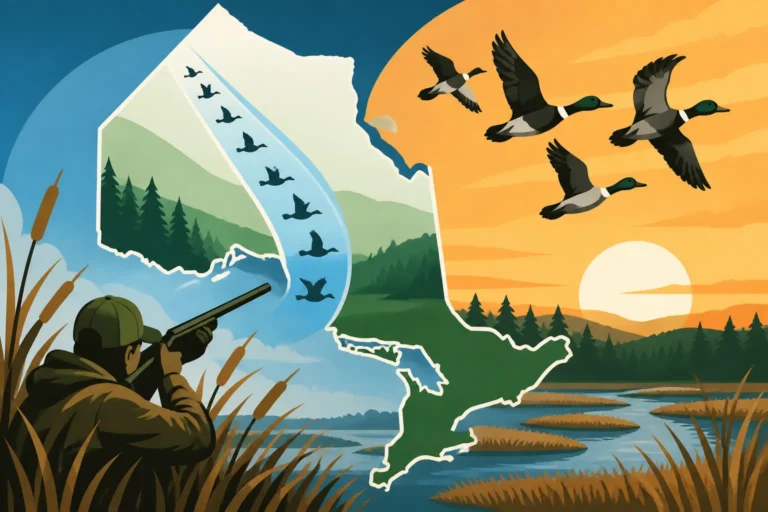
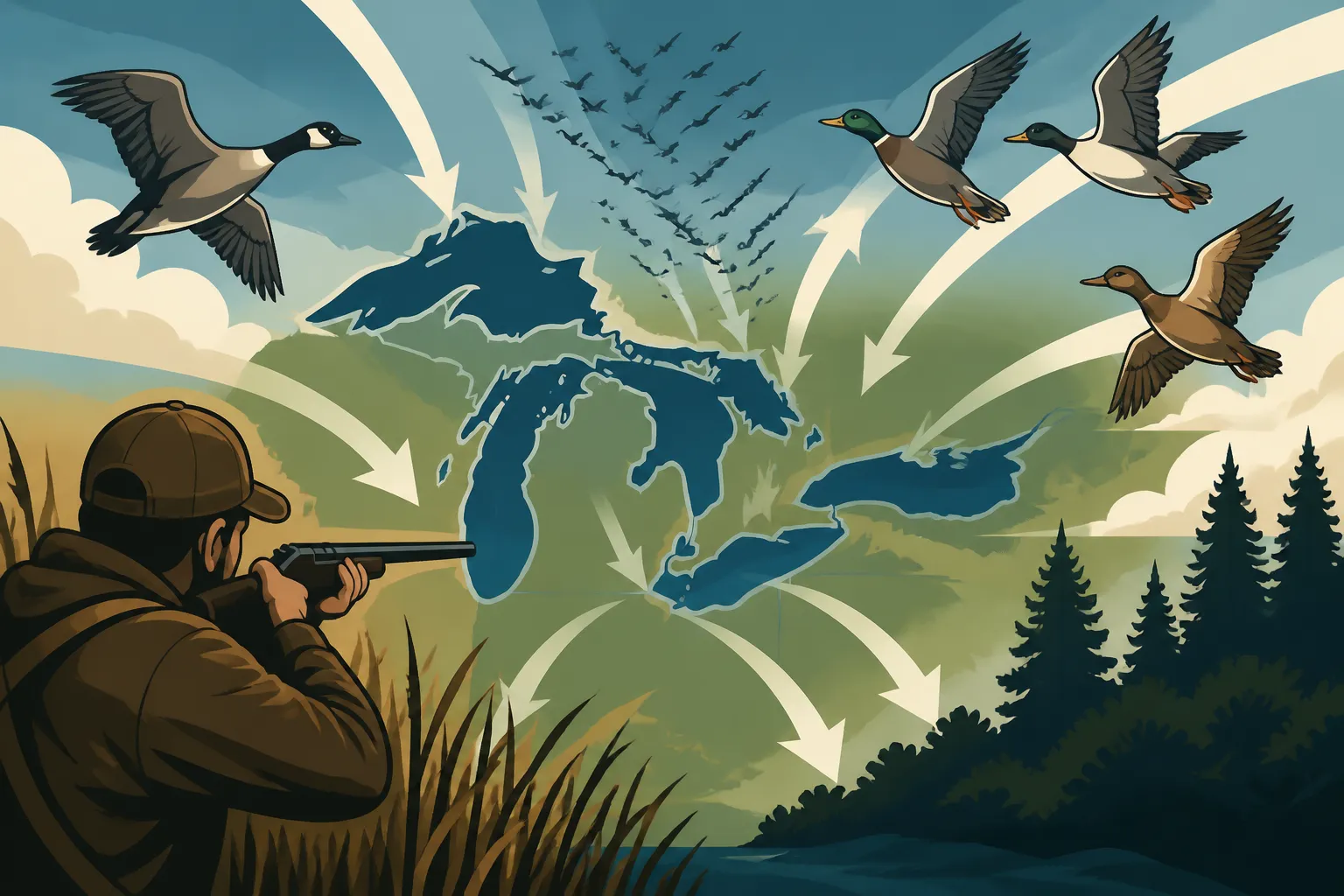
From a bird's eye view, the Great Lakes represent enormous stretches of open water. While some robust species, especially certain divers, are perfectly capable of traversing these open expanses, many waterfowl prefer to follow coastlines, minimizing their time over deep, unproductive water. This creates a natural funneling effect, pushing birds along the shorelines and into the bays, estuaries, and river mouths that feed into the lakes. Ontario sits squarely within both the Atlantic and Mississippi Flyways, making these shores critical stopovers for birds originating from the Canadian Shield and Arctic tundra, all heading south. This means that as fall progresses, waves of migrants from farther north will inevitably hit these lake systems, looking for safe harbour and sustenance. It’s like a giant biological highway where the Great Lakes act as the median, directing traffic.
The Role of Lake Erie and Lake St. Clair
Among the Great Lakes, certain bodies of water stand out as particularly significant. Lake Erie, the shallowest of the Great Lakes, warms up quicker and holds vast expanses of prime feeding grounds. Its relatively shallow nature allows sunlight to penetrate, supporting robust growth of submerged aquatic vegetation, which is absolutely vital for many duck species. Similarly, Lake St. Clair, though smaller, is famous among waterfowl hunters for its incredible concentrations of birds. Its vast delta marshes and shallow, nutrient-rich waters make it an absolute haven. If you're wondering Why Lake St. Clair Draws So Many Ducks, it's precisely because of this ideal combination of abundant food, sheltered roosting areas, and its strategic location between Lake Huron and Lake Erie. Hunters often find themselves on its shores during peak migration, witnessing immense flocks.
Abundant Food Sources and Rich Forage
The number one reason birds stop and stay somewhere is food. The Great Lakes, with their incredible biodiversity and nutrient cycling, offer an almost unparalleled buffet for migrating waterfowl.
Submerged Aquatic Vegetation SAV
For many species of ducks, particularly those we call 'divers' like canvasbacks, redheads, and scaup, submerged aquatic vegetation (SAV) is the bread and butter of their diet. The shallower basins and extensive bays of the Great Lakes, especially Lake Erie and Lake St. Clair, are veritable underwater gardens. Here, you'll find thick beds of wild celery, sago pondweed, coontail, and various other aquatic plants. These plants not only provide direct food in the form of tubers, seeds, and leafy parts but also support the invertebrate life that many dabblers and divers also consume. The consistent availability of this high-energy forage allows birds to replenish reserves quickly, preparing them for the next leg of their journey or sustaining them through periods of colder weather.
Invertebrates, Mollusks, and Fish
Beyond plant matter, the Great Lakes teem with other crucial food items. The bottom substrates are often rich in invertebrates like insect larvae, crustaceans, and various mollusks. The notorious zebra and quagga mussels, while invasive and problematic in many ecological contexts, have paradoxically become a significant food source for certain duck species, particularly scaup (bluebills), long-tailed ducks, and oldsquaws, providing a high-calorie diet. For piscivorous (fish-eating) waterfowl, such as common and red-breasted mergansers and common goldeneyes, the abundant populations of small baitfish in the lakes provide a constant supply of protein. This incredible diversity of food means that regardless of a bird's specific dietary preference, the Great Lakes likely have something on the menu.
Agricultural Contributions on the Periphery
While the lakes themselves offer a bounty, the surrounding agricultural landscape significantly enhances their appeal. Many of the Great Lakes' shorelines, particularly in southern Ontario, are bordered by vast tracts of farmland dedicated to crops like corn, soybeans, and winter wheat. These fields, especially after harvest, become open-air cafeterias for Canada geese, snow geese, and dabbling ducks like mallards and black ducks. Birds will often spend the day Field Hunting Geese in Ontario Stubble, gorging themselves on waste grain, and then retreat to the safety of the open water on the Great Lakes for roosting and loafing. This combination of wetland and agricultural forage creates an irresistible draw, allowing birds to fuel up efficiently without expending too much energy.
Sanctuary and Safety from Predation
Waterfowl are constantly on the lookout for danger, and the Great Lakes offer unparalleled safety compared to smaller, more confined inland water bodies.
Large, Open Water Roosting Areas
The sheer scale of the Great Lakes provides vast expanses of open water where thousands, sometimes tens of thousands, of birds can raft up and roost with a significant degree of safety. On a large lake, land-based predators like foxes, coyotes, and even wolves pose little threat to birds resting far from shore. This allows ducks and geese to conserve energy, feel secure, and simply be birds without constant vigilance. Such large congregations also offer collective security – more eyes to spot an aerial predator like an eagle or a fast-moving peregrine falcon. When you're Hunting Ducks in an Ontario Cattail Marsh, you might see good numbers, but the true sanctuaries are often the vast open water areas just beyond the marsh edge.
Island Habitats and Remote Shorelines
Scattered throughout the Great Lakes are numerous islands, both large and small, and miles of undeveloped, remote shorelines and coastal marshes. These areas are absolutely vital for nesting, rearing young, and providing undisturbed loafing and roosting habitat during migration. Islands, in particular, offer isolation from terrestrial predators, making them prime locations for colonial nesting birds like gulls and terns, but also providing safe havens for ducks and geese to rest away from human disturbance. A hunter with a good mapping app like GoHunt can often identify these less-pressured areas, which can be key for finding birds that aren't constantly being harassed. For hunters seeking less-pressured birds, understanding these sanctuary zones is crucial, as birds will often move between feeding areas and these safe havens.
Weather Patterns and Thermal Regulation
The massive volume of water in the Great Lakes plays a significant role in moderating local weather, creating conditions that are more favourable for waterfowl for longer periods into the fall and early winter.
Buffering Extreme Temperatures
Water has a much higher heat capacity than land, meaning it warms and cools slower. In the fall, the immense heat stored in the Great Lakes delays the onset of freezing temperatures, keeping vast stretches of water open well after smaller inland ponds and marshes have frozen solid. This extended open-water period is critical for migrating waterfowl, offering a prolonged window for feeding and roosting before they are forced to make their final push south. Hunters looking to extend their season often turn to the Great Lakes later in the year, because they know the ice will form there last. This thermal buffering creates a crucial staging ground for birds like mallards and diver ducks, giving them more time to build up fat reserves.
Wind Patterns and Wave Action
The weather over the Great Lakes can be notoriously dynamic, with strong winds and significant wave action often present. While this can make hunting challenging, it also influences where birds concentrate. Strong winds can create calmer, leeward shores and bays where birds seek shelter to feed and rest. Conversely, persistent winds can also push food sources, like dislodged vegetation or small fish, into certain areas, concentrating birds. Understanding these wind patterns is key for a hunter using an app like GoHunt to scout and plan their approach, knowing that where the wind dictates, the birds will often follow. Conversely, big waves on the main lake might push birds into more sheltered internal channels or shallow bays, offering fantastic opportunities for Marsh Hunting Ducks on the Great Lakes.
Species-Specific Attractors and Habitat Diversity
The Great Lakes aren't just one monolithic habitat; they offer an incredibly diverse mosaic of environments that cater to the specific needs of a wide array of waterfowl species.
Diver Duck Paradise
If you're a fan of diver ducks, the Great Lakes are your Mecca. Species like canvasbacks, redheads, greater and lesser scaup, buffleheads, and common goldeneyes are perfectly adapted to the deep, open waters and abundant submerged vegetation. Canvasbacks, in particular, are highly sought after, and Ontario is known for areas Where Canvasbacks Raft in Ontario during migration, sometimes in spectacular numbers. These birds dive deep, often several meters, to feed on the tubers and rhizomes of plants like wild celery. The vast, clear waters of the Great Lakes provide the perfect habitat for them to do what they do best, and that's why they congregate here When Divers Reach the Great Lakes. This also makes the Great Lakes prime territory for Diver Hunting Ontario's Big Water.
Dabblers and Geese in Bays and Marshes
While divers love the deep, open water, the extensive bays, sheltered coves, river deltas, and expansive cattail marshes along the Great Lakes' edges are ideal for dabbling ducks and geese. Mallards, black ducks, wood ducks, green-winged teal, and Canada geese thrive in these shallower environments where they can tip up to feed on seeds, grains, and insect larvae. These areas often feature a mix of emergent vegetation, open water, and access to adjacent agricultural fields, providing a perfect blend of feeding, resting, and loafing opportunities. This diverse habitat patchwork means that hunters can find a variety of birds depending on the specific location and time of year.
The Impact of Human Activity (Both Negative and Positive)
Human activity, while sometimes detrimental, also plays a crucial role in shaping why and where waterfowl concentrate on the Great Lakes, often through dedicated conservation efforts.
Conservation Efforts and Protected Areas
Recognizing the immense importance of the Great Lakes for waterfowl, countless conservation efforts have been undertaken to protect and enhance these critical habitats. Organizations like Ducks Unlimited Canada, alongside provincial and federal agencies, have established and managed numerous wetlands, wildlife refuges, and conservation areas along the Great Lakes' shorelines. These protected zones provide undisturbed sanctuary, ensure abundant food sources through careful management, and offer safe nesting and breeding grounds. These efforts not only benefit the birds directly but also ensure that future generations of hunters will continue to have opportunities to connect with these incredible migrations. Hunters can often find information on these areas using resources available on GoHunt, helping them understand where birds might be unpressured. Remember to always ensure you have the necessary Ontario Migratory Bird Permits and understand Non-Toxic Shot Requirements for Waterfowl when hunting in these areas.
Navigational Influence and Industrial Development
While much focus is on natural factors, human infrastructure can also play a subtle role. Shipping lanes, port facilities, and certain industrial areas along the Great Lakes can create unique microhabitats or conditions. For example, some industrial outfalls might release warmer water, creating pockets of open water that attract birds during deep freezes. Conversely, heavy boat traffic or shoreline development can push birds away from certain areas. Understanding this interplay between natural habitat and human disturbance is part of the challenge and reward of hunting these vast waters. It forces hunters to be adaptable and observant, always looking for where the birds feel safest and have the best access to food, even if it's an unexpected spot.
The Great Lakes concentrate birds due to a confluence of geographical, ecological, and climatic factors. From funneling migration routes and providing an endless buffet of food to offering vast, safe havens and buffering harsh weather, these inland seas are simply irresistible to waterfowl. For the hunter, understanding these dynamics isn't just academic; it's the key to anticipating bird movements, identifying prime locations, and ultimately experiencing the incredible spectacle of Ontario's waterfowl migration firsthand.
| Factor | Description | Primary Bird Species Attracted | Key Lakes/Areas |
|---|---|---|---|
| Geographical Funneling | Large water bodies act as navigational barriers, directing migration along shorelines. | Most waterfowl, especially geese and dabblers avoiding open water. | Entire Great Lakes shoreline, particularly at chokepoints. |
| Submerged Aquatic Vegetation (SAV) | Extensive beds of aquatic plants (wild celery, pondweed) providing high-energy food. | Canvasbacks, Redheads, Scaup, Widgeon, Coots. | Lake Erie, Lake St. Clair, shallower bays of Huron, Ontario. |
| Invertebrates & Mollusks | Abundant bottom-dwelling organisms, including invasive mussels. | Scaup, Long-tailed Ducks, Goldeneyes, Buffleheads, Ring-necked Ducks. | Deep and shallow waters of all Great Lakes. |
| Agricultural Fields | Harvested corn, soybeans, and winter wheat in surrounding farmlands. | Canada Geese, Snow Geese, Mallards, Black Ducks. | Farmland adjacent to Lake Erie, Lake St. Clair, Lake Ontario. |
| Open Water Sanctuaries | Vast, unobstructed water providing safety from terrestrial predators. | All waterfowl for roosting; Divers for feeding/loafing. | Main basins of all Great Lakes. |
| Island & Remote Shorelines | Undisturbed areas for nesting, resting, and escaping human pressure. | Many species for nesting; Dabblers and Geese for loafing. | Islands in Georgian Bay, Lake Huron, Lake Superior. |
| Thermal Buffering | Large water volume keeps areas ice-free longer into winter. | Late-season divers and dabblers, sea ducks. | Great Lakes generally, particularly deeper areas that freeze last. |
Disclaimer
This article is for general informational purposes only and does not constitute professional advice. Laws, prices and regulations vary by location and change over time. Consult a qualified professional for guidance on your specific situation.