Geese That Stage in Ontario
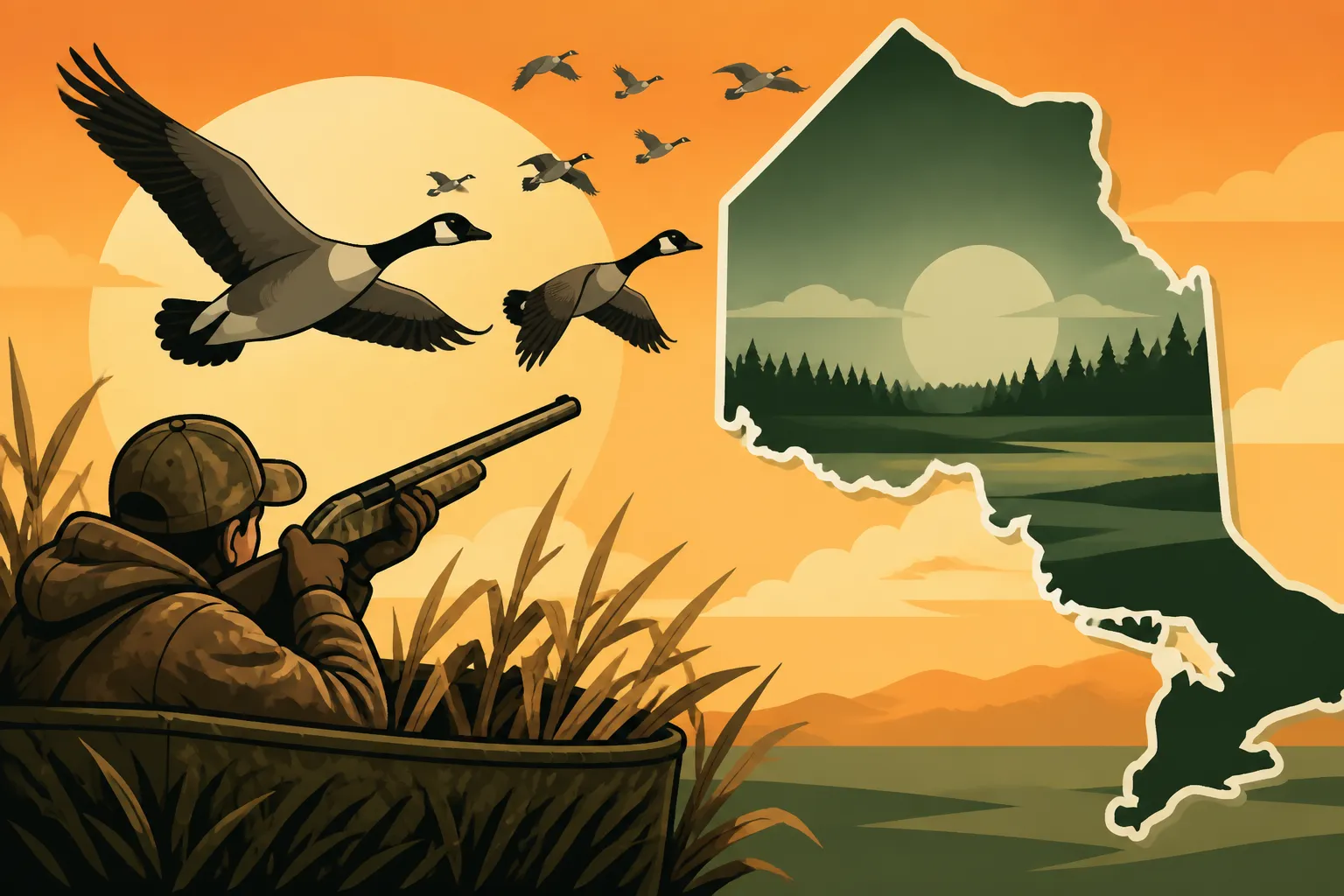
For many Ontario hunters, the sight of thousands of geese descending on a field or rafting up on open water is a breathtaking spectacle, yet it often comes with the frustration of knowing how challenging it can be to intercept them. These migratory birds, particularly Canada Geese, but also others, don't just fly through; they stage in vast numbers, pausing to feed, rest, and gather strength for the next leg of their journey. This comprehensive guide will pull back the curtain on these incredible staging behaviours, helping you understand where, when, and why geese concentrate in Ontario, and how you can use this knowledge to become a more successful waterfowl hunter.
Understanding Goose Migration Through Ontario
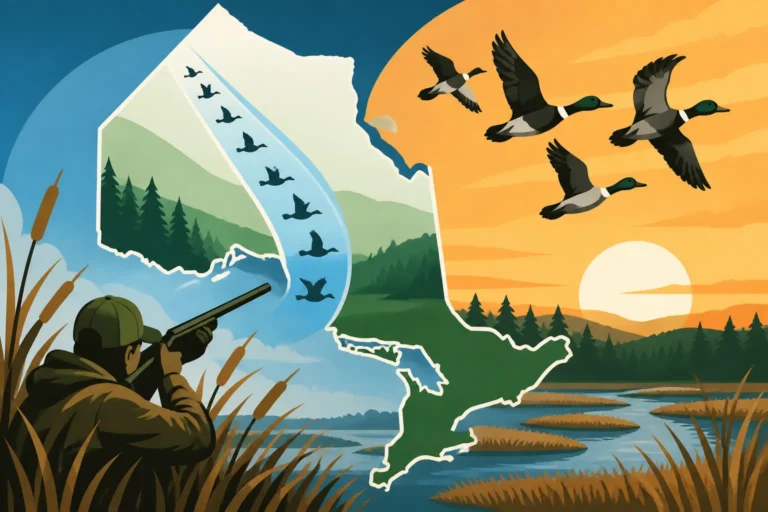
Ontario is a pivotal stopover for millions of geese migrating along the Atlantic and Mississippi Flyways. As the seasons change, these birds travel thousands of kilometres, and their decision to halt in certain areas isn't random. It's dictated by an ancient calculus of food availability, safety, and energy conservation. Understanding this rhythm is the first step in successful goose hunting.
The Role of Ontario in Goose Migration
Our province acts like a giant rest stop and refuelling station for geese. In late summer and early fall, resident Canada Geese are joined by vast flocks pouring in from northern breeding grounds across Quebec, Manitoba, and beyond. They're looking for abundant food sources to build up fat reserves before the long haul south. Later in the fall, as winter truly sets in up north, another wave moves through, often lingering until ice and deep snow force them further south.
This migration isn't a single, continuous flight. It's a series of stops and starts, where geese will fly for a day or two, then settle into a staging area for a week or more. These staging periods are critical for the birds, allowing them to recover from long flights, replenish their energy, and wait for favourable weather conditions for the next push. For hunters, these are the golden opportunities, when large numbers of birds are concentrated and following predictable feeding and resting patterns.
Factors Influencing Staging Locations and Duration
Geese are incredibly adaptable, but their staging choices are primarily driven by food, water, and security. Agricultural fields, especially those with waste grain like corn or soybeans, are absolute magnets. These fields provide high-energy fuel for their journey. Large, open bodies of water, such as the Great Lakes, sprawling inland lakes, and extensive marsh systems, offer safe roosting sites where they can escape predators and rest undisturbed.
Weather plays an enormous role too. A sudden cold snap and early snowfall up north can push birds south quickly, filling our fields and marshes seemingly overnight. Conversely, a mild fall can extend their stay in northern Ontario or slow their progression, keeping the main push out of reach for southern hunters. Hunting pressure is another significant factor; geese are smart, and if a field or water body becomes too dangerous, they'll quickly move on to find a safer haven, sometimes shifting their patterns daily. This constant evaluation means hunters need to be just as adaptable.
Key Goose Species Staging in Ontario
While the Canada Goose often steals the spotlight, Ontario sees several species of geese staging within its borders. Each has its own preferences, patterns, and hunting challenges, making it crucial to know your quarry.
Canada Geese and Their Subspecies
Canada Geese are, without a doubt, the most common goose species you'll encounter staging in Ontario. But it's not just one type of Canada Goose; there are several subspecies, each with slightly different sizes and migration habits. We have "giant" Canada Geese, which are often year-round residents or local migrants, and then the smaller, darker-breasted "interior" or "migrant" Canada Geese that breed further north. These northern birds typically arrive in Ontario from late September through November, often staying until harsh winter conditions force them south.
They congregate in massive flocks, sometimes numbering in the tens of thousands, utilizing large agricultural fields for feeding during the day and returning to expansive open water bodies like Lake Erie, Lake St. Clair, or larger inland reservoirs for safety at night. Their sheer numbers can be impressive, but also make them challenging to hunt, as they learn quickly from pressure. Hunters often find themselves Scouting Fields for Ontario Waterfowl to identify the exact feeding rotations of these discerning birds.
Lesser Snow Geese and Greater Snow Geese
Snow Geese are a sight to behold, their brilliant white plumage standing out against the brown landscape. While not as common as Canada Geese in most of Ontario, significant numbers of Snow Geese, particularly Lesser Snow Geese, stage in parts of the province. They tend to concentrate in the far eastern and southwestern agricultural areas, especially in wetland complexes near Lake St. Clair and along the St. Lawrence River.
Greater Snow Geese are more prevalent in eastern Ontario, particularly around the Ottawa and St. Lawrence River valleys. These birds often arrive later in the fall, usually from mid-October into November, and can be incredibly vocal, their high-pitched calls a stark contrast to the deeper honks of Canada Geese. They also feed predominantly in agricultural fields, often associating with Canada Geese, but can be even more skittish and prone to quick movements if disturbed. Hunting these birds requires specific strategies, often involving large decoy spreads and careful concealment, similar to the setups used for Field Hunting Geese in Ontario Stubble.
Other Goose Species: Blues, Ross', and Brant
Occasionally, hunters might encounter other goose species staging in Ontario. Blue Geese are actually a colour phase of the Lesser Snow Goose and will be found mixed in with Snow Goose flocks. They have a white head and a dark grey body. Ross's Geese, a smaller cousin to the Snow Goose, are less common but can sometimes be seen mixed within larger Snow Goose groups, especially during late fall migration. They are easily mistaken for young Snow Geese due to their size.
Brant, a distinct species of sea goose, are typically found in coastal saltwater environments. However, small numbers do migrate through and occasionally stage on the Great Lakes, particularly Lake Erie and Lake Ontario, often associating with diving ducks or other geese. Their presence in freshwater habitats is usually brief, and they are not a primary target for most inland goose hunters. If you're hunting along the Great Lakes, you might catch a glimpse, but they are generally less numerous than the other species mentioned.
Prime Staging Habitats Across Ontario
Ontario's vast and varied landscape offers a multitude of habitats that geese utilize for staging. From expansive agricultural heartlands to the rugged northern wilderness, understanding these distinct zones is key to predicting where geese will be.
Agricultural Regions of Southern Ontario
Southern Ontario, with its fertile farmlands, is an undeniable magnet for staging geese. The region stretching from Windsor in the west, through southwestern Ontario's rich agricultural belt, up towards Lake Huron, and across to the eastern counties near Ottawa, offers an unparalleled smorgasbord of waste grain. Cut corn, soybean stubble, and even winter wheat fields are prime feeding grounds. These fields provide the high-energy carbohydrates and proteins geese need to fuel their long flights.
Geese will establish a daily pattern: flying from a safe roosting water body to a chosen feeding field at first light, spending several hours gorging, then often returning to water mid-day or staging in adjacent undisturbed fields before another late-afternoon feeding flight. This pattern is often consistent for days or weeks until weather shifts or hunting pressure becomes too intense. Many dedicated waterfowl hunters focus their efforts in these regions, recognizing the sheer volume of birds that pass through or set up temporary residence. When considering a hunt in these areas, remember that securing Getting Permission for a Goose Field on private land is almost always a necessity.
The Great Lakes and Major Inland Water Bodies
Beyond the fields, large open water is equally critical for staging geese. The Great Lakes, particularly Lake Erie, Lake Ontario, and Lake St. Clair, serve as massive, safe havens. Geese raft up in the thousands on these vast expanses, far from shore and out of reach of most predators. They will move to the shallower bays, points, and island edges when feeding, but their primary roost is often the wide-open lake.
Similarly, large inland lakes and reservoirs across central and eastern Ontario provide essential undisturbed rest areas. These could be anything from Lake Simcoe to smaller, expansive reservoirs or large hydro impoundments. Geese are keenly aware of hunting pressure, and these large water bodies offer security, allowing them to conserve energy. Hunters looking to intercept birds flying to and from these roosts will often scout nearby fields or key flight corridors.
Northern Ontario's Wildlands and Wetlands
While southern Ontario gets the bulk of the attention, northern Ontario's vast network of wetlands, boreal forests, and smaller agricultural pockets also play a role in goose migration, especially for birds staging earlier in the fall. Before the deep freeze, many Canada Geese will utilize the numerous lakes, rivers, and marshes of regions like the Thunder Bay area, the Clay Belt around Cochrane, and the vast wilderness further north.
These areas provide excellent natural food sources like sedges, grasses, and berries, supplementing any limited agricultural opportunities. While the concentrations might not be as massive as in the south, these are often the first major staging points for birds coming down from Arctic breeding grounds. Hunters in these regions often find themselves Waterfowl Hunting Across Ontario in more remote settings, using smaller setups and focusing on natural movements between wetlands. As winter approaches, these birds will quickly be pushed further south to the larger staging grounds.
The Impact of Weather and Hunting Pressure on Staging Geese
Geese are survivors, and their staging behaviours are finely tuned responses to environmental cues and perceived threats. Understanding how weather patterns and hunting pressure influence them is vital for planning successful hunts.
How Weather Fronts Dictate Movement
Weather is arguably the single most important factor dictating when and where geese move. A strong cold front pushing down from the north, especially one accompanied by precipitation or high winds, can trigger massive migration waves. Geese will often ride these fronts, using the tailwinds to conserve energy, covering hundreds of kilometres in a single push. When such a front hits Ontario, fields and waterways that were relatively empty can suddenly be teeming with birds.
Conversely, a prolonged period of mild, stable weather can lead to geese lingering in an area for much longer than anticipated. They'll stay as long as food is abundant and roosting areas remain open and safe. Hunters often eagerly watch long-range forecasts, knowing that a significant weather system can completely change the hunting landscape, either by pushing new birds in or forcing existing birds to move on. A sudden freeze-up of smaller water bodies, for example, will concentrate birds on larger, still-open waters, creating new opportunities.
Adapting to Hunting Pressure
Geese are incredibly intelligent and quickly learn to associate certain areas or times of day with danger. Heavy hunting pressure on a particular field or water body will almost invariably cause them to alter their patterns. They might shift their feeding times, moving from morning flights to late-afternoon excursions, or they might change their preferred feeding fields entirely. They also learn to identify specific types of decoys or blinds, becoming "educated" birds.
This adaptability means hunters must be flexible. What worked one day might not work the next, especially in high-pressure areas. Constant scouting is essential – observing flight lines, identifying new feeding fields, and watching where birds go when they're spooked. Hunters who successfully adapt by moving their setups, changing decoy spreads, or focusing on less accessible areas often have better luck. Tools like the GoHunt app, with its satellite imagery and land ownership data, can be incredibly useful for finding those overlooked corners where geese might feel safer.
The Role of Food Availability
Even without hunting pressure, changes in food availability will influence staging geese. As fall progresses and more fields are harvested, the initial abundance of waste grain might dwindle in some areas. Geese will then shift to fields that have been recently harvested, or they may move to areas with late-standing crops like corn, where they can glean grain directly from the stalks.
Deep snow cover is another major factor. Once snow accumulates to a certain depth, it can make waste grain inaccessible, forcing geese to move further south to find open ground. In northern Ontario, this often means a rapid exodus, while in southern Ontario, it might mean they concentrate in specific fields that remain clear, or they shift to foraging for persistent natural foods along riverbanks or in marshes. Understanding these shifts in food availability helps predict their movements, allowing hunters to stay one step ahead.
Scouting and Strategizing for Ontario's Staging Geese
Successfully hunting staging geese in Ontario isn't just about showing up; it's about smart scouting, meticulous planning, and the ability to adapt. These birds are some of the most challenging waterfowl to pursue, demanding a keen eye and a strategic mind.
Pre-Season and In-Season Scouting Techniques
Scouting is the cornerstone of goose hunting. Before the season even opens, take time to drive rural roads, observing fields for early arrivals of resident Canada Geese. Note which fields are being harvested, what crops are in, and where large bodies of water might provide roosting sites. As the season progresses and migrant birds begin to arrive, this pre-season knowledge becomes invaluable.
During the season, daily or near-daily scouting is critical. Drive around at dawn and dusk to identify active feeding fields. Watch where geese leave their roosts and which direction they fly. Pay attention to how many birds are in a field, what type of field it is (corn, beans, winter wheat), and how quickly they finish feeding. Binoculars are your best friend here. Don't be afraid to pull over and observe for extended periods from a safe distance, making sure not to spook the birds you're trying to hunt. This observation helps you understand their daily routines and identify where they're feeling secure. Remember that Reading an Ontario WMU Map Before You Go and using satellite imagery from tools like GoHunt can save you countless hours of driving by identifying potential fields and water bodies from home.
Decoy Spreads and Blind Placement
Once you've identified an active field or flight path, setting up your decoy spread and blind is paramount. Geese are wary, and a realistic spread can make all the difference. For Canada Geese, large numbers of full-body decoys or realistic silhouettes are often most effective, mimicking a contented feeding flock. When hunting Snow Geese, even larger spreads are usually necessary, often hundreds or even thousands of white rags or S-shaped plastic decoys to replicate their massive feeding groups.
Blind placement is equally crucial. Geese have exceptional eyesight. Your blind, whether it's a layout blind, a natural hide, or a carefully constructed pit, must be perfectly concealed. It should blend seamlessly with the surrounding environment, making you invisible from above. Pay attention to the wind direction, as geese will almost always land into the wind. Position your decoys and blind so that incoming birds will finish their approach right in front of you, giving you an ethical shot opportunity. Learning to set up along an Hunting a Standing Corn Field Edge or Hunting a Soybean Field at Dusk takes practice and attention to detail.
Calling and Decoying Strategies
Goose calling is an art form, not just noise. It's about convincing wary birds that your setup is safe and inviting. For Canada Geese, a combination of greeting calls, clucks, honks, and moans can draw them in. Mimic a flock happily feeding and communicating. For Snow Geese, high-pitched barks and murmurs are the order of the day. Less is often more with calling; sometimes a few well-timed calls are more effective than constant, aggressive honking.
Decoying strategies involve more than just throwing out plastic birds. Consider the "kill hole" – an open space in your decoy spread where you want the geese to land. Leave a landing strip into the wind, guiding birds exactly where you want them. Add movement with flagging, or motion decoys, especially on calm days, to simulate lifelike activity. Combine your calling with these visual cues to create an irresistible invitation. Practicing your calls and adjusting your spread based on how birds are reacting each day is key to consistent success.
Regulations and Ethical Considerations for Goose Hunting
Hunting geese in Ontario comes with specific regulations designed to manage populations and ensure sustainable hunting. Adhering to these rules and maintaining high ethical standards are responsibilities every hunter must embrace.
Understanding Ontario Goose Season Dates and Limits
Ontario's goose seasons are carefully structured and can vary by Wildlife Management Unit (WMU) and by species. Generally, early goose seasons target resident Canada Geese in late summer and early fall before the main migration arrives, often with more liberal bag limits. The regular seasons then run through the fall, often extending into winter in some southern zones. It's imperative to consult the current Ontario Hunting Regulations Summary, often available online through the provincial portal, for the precise Ontario Goose Season Dates by District where you plan to hunt.
Bag limits and possession limits are also strictly enforced. These limits dictate how many geese you can harvest per day and how many you can have in your possession at any given time. Exceeding these limits is a serious offense. Always ensure you have the appropriate hunting licence and any required migratory game bird permits. Keep track of your harvest to ensure you stay within legal limits.
Non-Toxic Shot Requirements and Equipment Restrictions
A crucial regulation for waterfowl hunting in Ontario, and indeed across Canada, is the requirement to use non-toxic shot. This means steel shot, bismuth, or other approved non-lead alternatives are mandatory for all migratory bird hunting. Lead shot is prohibited to prevent lead poisoning in waterfowl and other wildlife that might ingest spent pellets. Always double-check your ammunition to ensure it complies with these rules. Understanding Non-Toxic Shot Requirements for Waterfowl is not just a legal obligation, but an ethical one.
Beyond shot type, there are also restrictions on equipment. Shotguns must be plugged to hold a maximum of three shells (one in the chamber, two in the magazine). The use of electronic calls for migratory birds is generally prohibited, as are certain types of blinds or methods of take. Always ensure your firearm and accessories meet all legal specifications before heading out.
Ethical Hunting Practices and Respect for the Resource
Ethical hunting goes beyond simply following the rules; it embodies respect for the animals we pursue, the land, and other hunters. This includes making clean, humane shots, actively retrieving all downed birds, and refraining from sky-busting or taking shots at birds beyond your effective range. Wounding birds and failing to recover them is a waste of the resource and undermines the reputation of all hunters.
Respect also extends to landowners and the public. Always seek permission before hunting private land, and leave no trace behind. Pack out all your garbage, including spent shells and empty food wrappers. Be mindful of noise, especially during early morning hunts, and avoid disrupting other outdoor users. By upholding these ethical standards, we ensure a positive perception of hunting and contribute to the conservation of Ontario's incredible goose populations for future generations to enjoy.
Table of Common Staging Geese in Ontario
To help you quickly differentiate between the goose species you might encounter, here's a quick overview of their key characteristics, typical staging periods, and preferred habitats in Ontario.
| Species | Size (approx.) | Plumage Colour | Primary Staging Period | Preferred Staging Habitat | Call (Primary Type) | Common Numbers in Ontario |
|---|---|---|---|---|---|---|
| Canada Goose | Large to Giant | Brown body, black neck/head with white cheek | Sept – Nov (some linger) | Agricultural fields (corn, soy), large open water | Deep honks, clucks | Abundant |
| Lesser Snow Goose | Medium | White body, black wing tips (some blue phase) | Mid-Oct – Nov | Agricultural fields, shallow wetlands, Great Lakes | High-pitched barks, chirps | Moderate (regional) |
| Greater Snow Goose | Large | White body, black wing tips | Late Oct – Nov | Eastern Ontario fields (St. Lawrence valley) | High-pitched barks, squawks | Lower (eastern Ontario) |
| Ross's Goose | Small | White body, black wing tips (smaller bill) | Mid-Oct – Nov (less common) | Mixed with Snow Geese in fields | Soft, high-pitched yelps | Rare to infrequent |
| Brant | Medium | Dark body, black neck, white collar (marine) | Late Oct – Nov (coastal) | Great Lakes shoreline, bays (rarely inland) | Rough, guttural growl | Rare to infrequent |
This table provides a general guide. Remember that individual bird behaviour can vary, and it's always best to observe and confirm identification in the field.
Conclusion: Honing Your Ontario Goose Hunting Skills
Hunting geese in Ontario offers some of the most exhilarating and challenging waterfowl experiences available. From the massive flocks of Canada Geese descending on a cut cornfield to the ethereal sight of Snow Geese against a grey autumn sky, these birds demand respect, patience, and persistent effort. By understanding their migration patterns, recognizing their preferred staging habitats, adapting to the influences of weather and pressure, and committing to thorough scouting, you can significantly increase your chances of success.
Remember, every hunt is a learning experience. The geese that stage in Ontario are constantly adapting, and so must we. Embrace the challenge, enjoy the wild beauty of our province, and always prioritize ethical hunting practices. Whether you're hunting Ontario's November Gun Season with friends or attempting to call a spring turkey, the skills you hone chasing geese will serve you well across all your outdoor pursuits. Happy hunting, and may your calls be true and your decoys irresistible!
Disclaimer
This article is for general informational purposes only and does not constitute professional advice. Laws, prices and regulations vary by location and change over time. Consult a qualified professional for guidance on your specific situation.