Why Some Ontario Bucks Grow Nontypical
It's always a thrill to spot a big buck in the Ontario bush, but sometimes you catch a glimpse of an animal with antlers that just don't look "right." Maybe one side is gnarled, or there are points going every which way, defying the classic typical rack we all picture. If you've ever found yourself wondering what's going on with these uniquely antlered deer, you're not alone. This guide will dive deep into the fascinating reasons why some Ontario bucks develop those memorable, non-typical racks, helping you understand the complex factors at play.
Genetics: The Blueprint for Antler Potential
Just like humans inherit traits from their parents, deer inherit genetic predispositions for antler growth. While nutrition and age play huge roles, the underlying potential for growing a massive, or indeed, an unusual rack, starts with the genes passed down through generations. It's truly the foundation upon which everything else is built.
Inherited Traits and Antler Expression
Every buck carries a genetic code that dictates its antler potential. Some bucks are simply programmed to grow large, symmetrical typical racks with long main beams and well-defined tines. Others, however, might carry genes that express themselves in less conventional ways. This isn't necessarily a bad thing, it just means their genetic blueprint leans towards uniqueness. You can have two bucks in the same area, eating the same food, and one will grow a beautiful 10-point frame while the other develops drop tines or kicker points, all because of their inherited traits. It’s part of the wild lottery of nature that makes hunting so interesting.
Dominant and Recessive Genes
The specific traits that lead to non-typical growth can be influenced by both dominant and recessive genes. For instance, a tendency for certain kinds of abnormal points or palmation might be carried by a recessive gene that only expresses itself when two copies are present, or in combination with other environmental factors. This can make it tricky to predict which fawns will grow into non-typical bucks, as you might not see these traits in every generation. It’s a complex dance of genetic expression that helps ensure diversity within the deer population. If you're trying to manage a property for big bucks, understanding the genetic history of the local herd can be a huge piece of the puzzle, even if it's hard to track directly.
Breeding and Local Deer Populations
The genetic pool of a local deer population, especially within a specific Wildlife Management Unit (WMU) or even a particular bush lot, heavily influences the antler characteristics you’ll see. In areas where genetics for certain non-typical traits are prevalent, you're more likely to encounter bucks expressing those unique racks. This is particularly true in areas with isolated populations or those with limited genetic exchange. Conversely, in areas with a broad genetic base and strong herd health, you might see more consistently typical racks. This is why knowing the history of your hunting area, perhaps through long-term scouting or using tools like GoHunt to track local trends, can offer insights into what kind of bucks you can expect to see. Consider that a buck in an agricultural area with high deer density, as discussed in Where Deer Density Is Highest in Ontario, might face different pressures that influence which genetics thrive.
Injury and Trauma: Reshaping the Rack
Perhaps one of the most common and dramatic causes of non-typical antler growth is physical injury. Deer are wild animals, and their lives are full of bumps, scrapes, and sometimes more serious accidents. These injuries, especially if they occur during the crucial antler growth period, can profoundly alter the shape and structure of a buck's rack, leading to some truly bizarre and unique formations.
Direct Antler Damage
Imagine a young buck, his antlers growing rapidly under velvet in the spring or summer, full of blood vessels and nerves. A stumble, a fight with another buck, or even getting tangled in brush can cause direct damage to a growing antler beam or tine. If the velvet is torn or the soft, calcifying antler beneath is bruised or broken, the antler will often grow around that injury, resulting in an abnormal point, a G2 that curls inwards, or a main beam that suddenly takes a sharp turn. It's like trying to build a house with a damaged blueprint – the end result will be different from the original plan. These injuries often result in non-typical points on just one side of the rack, making for a fascinating asymmetrical appearance.
Pedicle or Skull Injury
Even more impactful than damage to the antler itself is an injury to the pedicle, which is the bony base on the skull from which the antler grows, or to the skull itself near the pedicle. The pedicle is essentially the antler factory, and any trauma there can throw the entire growth process into disarray for years, or even for the rest of the buck's life. A hard fall, a collision with a vehicle, or a brutal fight with a rival buck can damage this critical area. The result might be a stunted antler, a main beam that grows downwards, or an antler that simply becomes a massive, gnarled club with no discernible points. These types of injuries are often responsible for the most extreme examples of non-typical racks you'll see in the woods.
Leg or Body Injuries
This is a fascinating phenomenon that often stumps hunters new to deer biology: a severe injury to a buck’s body, particularly a leg, can sometimes lead to non-typical antler growth on the opposite side of its rack. This is known as "contralateral" antler growth. For example, if a buck breaks its left hind leg, it might grow a non-typical antler on its right side. The exact biological mechanism isn’t fully understood, but it's believed to be linked to a disruption in nerve signals or blood flow, or a redirection of resources during the healing process. The body prioritizes healing the major injury, and in doing so, sometimes the antler growth on the opposite side becomes irregular. It's a testament to the interconnectedness of a deer's physiology. When you see a buck with a mangled leg and a wonky antler, you can bet there's a story there.
Nutrition and Environmental Stressors: Fueling or Hindering Growth
While genetics provide the framework, and injuries can reshape it, the fuel that allows antlers to grow to their full potential – or causes them to grow abnormally – comes from a buck's diet and the environment it lives in. Ontario offers a diverse landscape, but not all areas are created equal when it comes to supporting prime antler growth.
Mineral Deficiencies and Imbalances
Antlers are primarily bone, and bone requires a steady supply of essential minerals, especially calcium, phosphorus, and various trace minerals like zinc, copper, and selenium. If a buck's diet is deficient in these critical nutrients, or if there's an imbalance, its antlers can suffer. Poor soil quality, limited access to diverse forage, or harsh winters can all lead to mineral deficiencies. A buck might still grow a rack, but it could be stunted, weak, or exhibit non-typical traits like short, blunted tines or an overall gnarled appearance, reflecting the lack of building blocks. This is often why bucks in fertile agricultural areas, as explored in Why Farm Country Bucks Grow Faster, tend to grow larger racks – they simply have better access to nutrient-rich food and minerals.
Food Availability and Quality
Beyond just minerals, the sheer quantity and quality of food available to a buck throughout the year significantly impacts its antler development. Deer are browsers, and they need a diverse diet of leaves, twigs, forbs, acorns, and agricultural crops to thrive. If a habitat is overpopulated, or if severe weather reduces forage availability, bucks will struggle to get the energy and protein needed for optimal antler growth. Periods of drought, extensive forest fires, or particularly harsh, deep-snow winters, like those mentioned in How Deep Snow Shapes Ontario Game, can lead to widespread nutritional stress. When a buck is simply trying to survive, growing a perfect set of antlers takes a back seat, and you might see more non-typical racks in herds under environmental duress. Using tools like GoHunt or even just observing local mast crop success (like What Acorn Crops Do to Ontario Deer) can give you clues about the nutritional health of your local deer.
Disease, Parasites, and Chronic Stress
A buck's overall health plays a critical role in its ability to grow a healthy rack. Diseases, heavy parasitic loads (like internal worms or external ticks), or chronic stress from constant pressure (from predators or human activity) can divert energy and resources away from antler growth. If a buck is constantly fighting off an illness or dealing with a heavy parasite burden, its body simply doesn't have the excess energy to put into growing large, symmetrical antlers. This can result in smaller racks, deformed points, or other non-typical characteristics. The buck's immune system will prioritize survival, and antler growth is a secondary function. This is part of the natural culling process, ensuring that only the fittest bucks, capable of withstanding these challenges, pass on their genes. Sometimes, even a mild, but persistent, health issue can be enough to slightly alter antler development year after year, slowly pushing a buck's rack towards a more non-typical expression.
Age and Hormonal Fluctuations: The Changing Antler Landscape
Antler growth is a remarkable process tied directly to a buck's age and its hormonal cycles. Just like humans change physically throughout their lives, a buck's antler growth can shift significantly from its prime years into its senior ones, and sometimes, hormonal hiccups can create truly unique outcomes.
Age-Related Regression
Most bucks hit their prime antler-growing years between 4.5 and 7.5 years old. During this period, with good nutrition and genetics, they'll typically grow their largest and most impressive racks. However, as bucks age past their prime, often around 8.5 years old and beyond, their bodies start to decline. Their teeth wear down, making it harder to process food effectively, and their overall health can start to falter. This "regression" phase can often manifest in non-typical antler growth. You might see antlers that are smaller, more gnarled, or have strange, blunted points. It's as if their body just can't quite pull off that perfect rack anymore. Knowing how to Aging a Deer by Its Teeth can help you determine if that unusual rack belongs to a venerable old patriarch of the woods.
Hormonal Imbalances and Aberrations
Antler growth is meticulously controlled by a complex interplay of hormones, primarily testosterone, which is produced in the testicles. Any disruption to this delicate hormonal balance can have profound effects on antler development. While rare, a buck might experience an internal hormonal imbalance due to a pituitary gland issue, adrenal problems, or other endocrine system aberrations. These internal issues, not visible from the outside, can lead to chronic non-typical growth, affecting symmetry, number of points, or even the texture of the antlers. Such bucks are anomalies, but they certainly stand out in the herd.
Testicle Damage or Removal
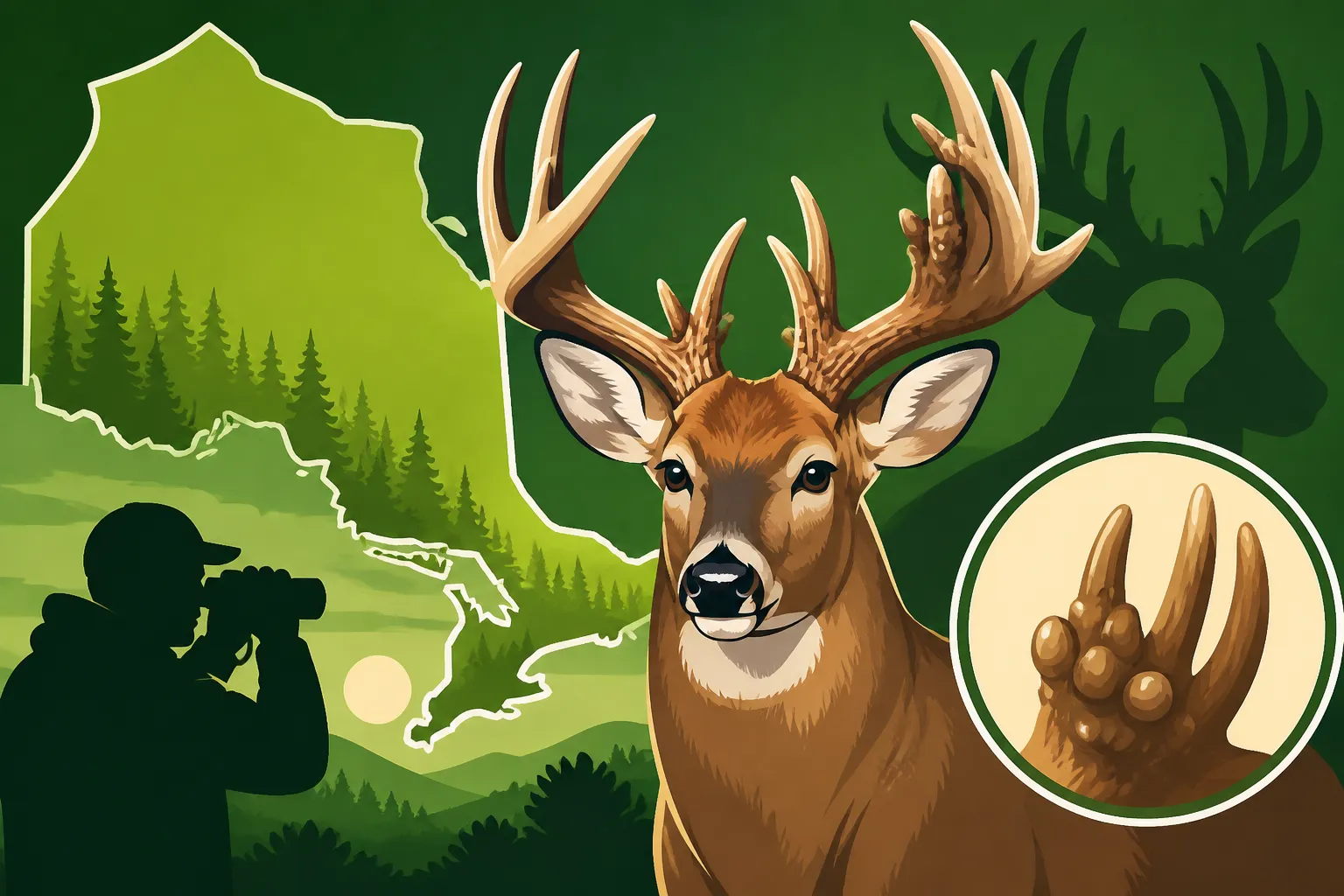
Perhaps one of the most distinctive forms of non-typical antlers arises when a buck sustains damage to its testicles, or if they are somehow removed (though this is extremely rare in the wild, it can happen in captivity or with severe injury). Without the production of testosterone, the antlers never fully harden and shed normally. Instead, they often remain in a state resembling velvet, never truly calcifying, and can grow continuously and often in grotesque, tumor-like formations. These bucks are often referred to as "stags" or "cactus bucks" because of their persistent, often multi-pointed, velvet-covered antlers. It's a truly unique, and somewhat sad, sight, indicating a fundamental disruption of their reproductive system.
Recognizing Non-Typical Traits and What They Mean for Hunters
For hunters, understanding non-typical antler growth adds another layer of appreciation for the deer we pursue. It's not just about score; it's about the story each unique rack tells.
Scouting for Unique Racks
When you're out Reading Whitetail Sign in Ontario Hardwoods or glassing fields, keep an eye out for these unusual traits. Non-typical antlers can be a result of a variety of factors, from a healed injury to a buck that's well past its prime. Sometimes, a non-typical buck might be a mature animal that has simply experienced a tough year or a fight, and its rack reflects that struggle. Other times, it could be a genetically unique specimen. Using a scouting app like GoHunt or even just good old-fashioned boots-on-the-ground recon can help you identify these deer early in the season and potentially pattern them. Don't dismiss a non-typical rack as "broken"; it often represents resilience and a unique life story.
Management Implications
From a wildlife management perspective, understanding non-typical antlers is also important. In most cases, a non-typical rack resulting from injury or age regression doesn't indicate a "bad" gene that needs to be removed from the herd. The buck simply had an accident or is reaching the end of its life cycle. However, if you consistently see a high percentage of young bucks with very poor or highly non-typical racks in a specific area, it might signal a broader issue, such as nutritional deficiencies in the habitat or a localized genetic issue that needs further investigation. For a healthy herd, a mix of antler types is natural.
Appreciating the Unique
Ultimately, whether a buck grows a typical or non-typical rack, each animal is a marvel of nature. The non-typical deer, with their gnarled and unusual headgear, often hold a special place in a hunter's memory. They stand out, they tell a story of survival, injury, or genetic eccentricity. Harvesting a non-typical buck isn't just about the venison or the mount; it's about connecting with a truly individual creature that defied the norm. These unique trophies often spark the most conversation around the campfire, each tine and point a testament to the wild, unpredictable life of an Ontario whitetail. It reminds us that every What a Big Ontario Whitetail Weighs has lived a life full of challenges and triumphs.
Here's a quick look at the main factors that can lead to non-typical antler growth:
| Factor | Description | Common Effects on Antlers |
|---|---|---|
| Genetics | Inherited traits passed down through generations. | Drop tines, kicker points, unique configurations, palmation. |
| Direct Antler Injury | Trauma to the growing antler (in velvet). | Gnarled points, abnormal curves, broken or split tines. |
| Pedicle/Skull Injury | Damage to the base of the antler or adjacent skull. | Severely deformed beams, club antlers, stunted growth. |
| Body/Leg Injury | Severe trauma to a limb or body part. | Non-typical growth on the opposite side of the rack. |
| Nutritional Deficiency | Lack of essential minerals (calcium, phosphorus) or poor forage. | Smaller racks, blunted tines, overall weakness in structure. |
| Environmental Stress | Harsh winters, drought, disease, high population density. | Stunted growth, poor mass, increased abnormalities. |
| Age-Related Regression | Decline in physical health in very old bucks. | Smaller, weaker, or gnarled racks, often unique in shape. |
| Hormonal Imbalance | Disruptions in endocrine system (e.g., testicular damage/removal). | Cactus bucks (velvet-covered, persistent, often grotesque). |
Disclaimer
This article is for general informational purposes only and does not constitute professional advice. Laws, prices and regulations vary by location and change over time. Consult a qualified professional for guidance on your specific situation.