Where Canvasbacks Raft in Ontario
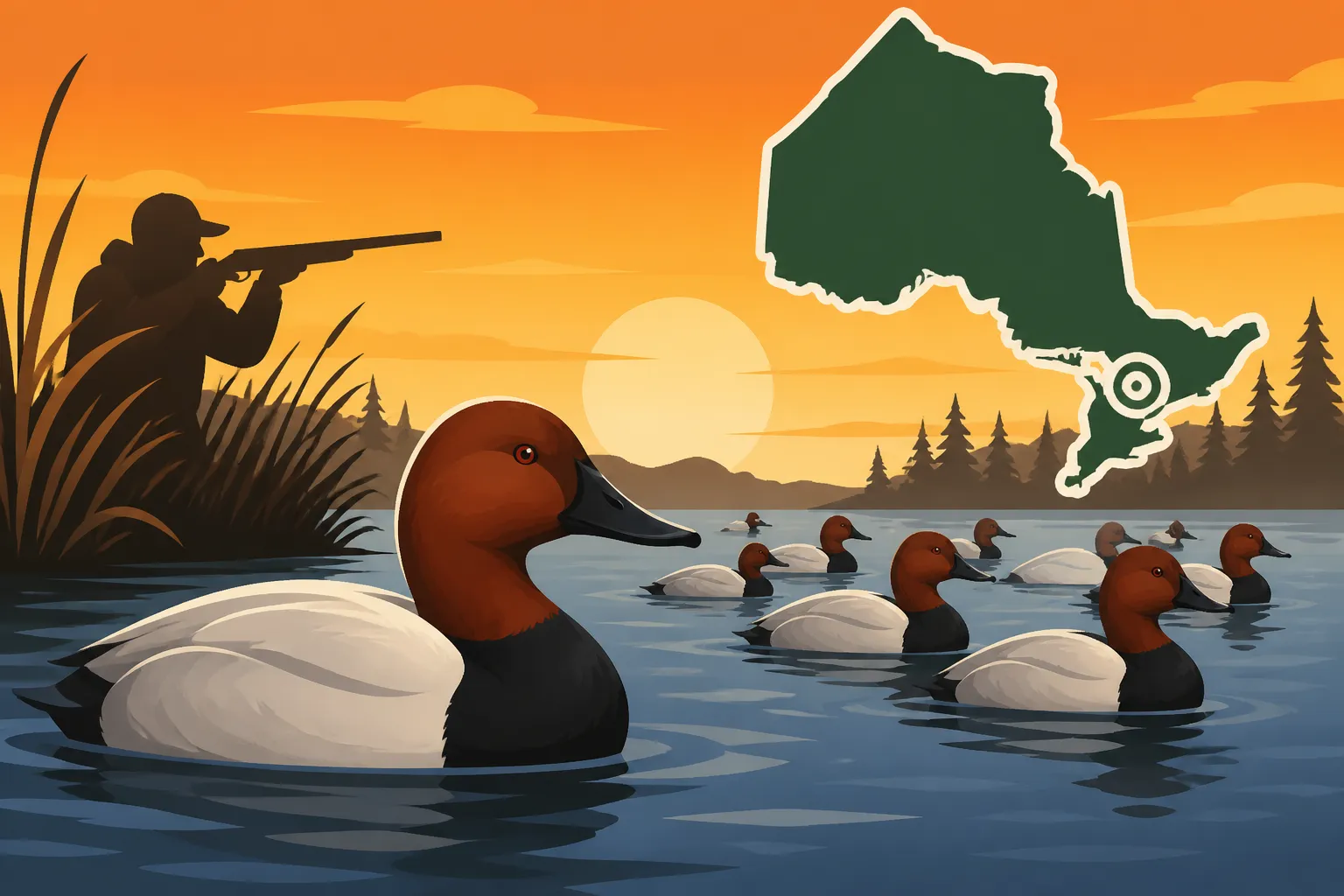
For many waterfowlers in Ontario, the sight of a canvasback dipping and diving across the waves is a truly special one. These magnificent ducks, often called the "King of Ducks" by enthusiasts, are a real prize. But let's be honest, finding where these big divers truly gather, forming those incredible, often elusive, "rafts" on our vast waters, can feel like searching for a needle in a haystack. This guide is dedicated to helping you unravel that mystery, providing insights into their behaviour and pinpointing key locations where you might just witness — and perhaps even hunt — these spectacular birds when they're staging in large numbers.
Understanding Canvasback Behavior in Ontario
To consistently find canvasbacks, you first need to think like a canvasback. These aren't your typical puddle ducks dabbling in shallow wetlands; they're open-water specialists with specific needs that dictate their movements and where they decide to gather.
Migration Patterns and Timing
Canvasbacks are migratory birds, passing through Ontario during both fall and spring migrations, though the fall is obviously when hunters are most interested. Their arrival can be a bit of a moving target, heavily influenced by weather patterns further north. Generally, you'll start seeing them in good numbers as the colder weather really sets in, often from late October through November, and sometimes even into early December until the major water bodies start to freeze over. They’re usually among the last waterfowl species to push south, riding those strong north winds.
What's really fascinating is how they move. They don't just fly straight through; they make stops, often called "staging areas," where they rest and refuel before continuing their journey. These staging areas are precisely what we're looking for when we talk about canvasback rafts. If a cold snap hits up north, you might see a sudden influx of birds. Conversely, a prolonged warm spell can delay their arrival or keep them dispersed. Keeping an eye on weather forecasts, both locally and north of our borders, can give you a real edge in predicting when and where these birds might show up. This knowledge is crucial for planning your hunts, as hitting a major staging event can mean the difference between seeing a few birds and witnessing hundreds.
Preferred Habitat and Food Sources
Canvasbacks are divers, meaning they prefer to feed on submerged aquatic vegetation (SAV) from the bottom of deeper waters. Their long necks and powerful diving abilities allow them to reach food sources that many other ducks can't. Specifically, they absolutely love wild celery (Vallisneria americana), but they'll also readily consume sago pondweed, musgrass, and even small mollusks and insects, especially when protein is needed for migration.
This dietary preference dictates their habitat. You won't find large rafts of canvasbacks in shallow cattail marshes, at least not for feeding. Instead, they seek out large, clear, relatively shallow bays or shoals within much larger bodies of water, often at depths of 6 to 15 feet. The water needs to be clear enough for sunlight to penetrate, allowing their preferred vegetation to grow. Think expansive, protected bays with firm, silty bottoms where these plants can thrive. If the water quality in a particular area degrades, or if invasive species like zebra mussels decimate the native plant beds, the canvasbacks will simply move on. This means that areas that were historically good might change over time, requiring hunters to stay vigilant and scout new spots. It's a constant puzzle, but understanding their basic needs is the first piece.
Key Ontario Regions for Canvasback Rafting
When it comes to canvasback concentrations, Ontario has some truly world-class areas, largely thanks to its incredible network of lakes and rivers. But some spots are definitely more reliable than others.
The Great Lakes Shoreline: A Canvasback Magnet
Without a doubt, the Great Lakes shoreline stands out as the premier destination for finding canvasback rafts in Ontario. These massive freshwater seas offer everything a canvasback could want: vast expanses of open water for security, abundant submerged aquatic vegetation in their sheltered bays and shoals, and a clear migration corridor.
- Lake St. Clair: If there's one name that comes up again and again for canvasbacks, it's Lake St. Clair. This relatively shallow lake, sitting between Ontario and Michigan, is an absolute waterfowl factory. Its extensive beds of wild celery and other aquatic plants are legendary. Canvasbacks, along with redheads and bluebills, can be found in incredible numbers, especially on the Ontario side, making it a critical staging area. The vastness of the lake means that even with significant numbers, they can be spread out, but local knowledge or Why Lake St. Clair Draws So Many Ducks can give you an edge. Hunters often focus on the expansive weed beds and shoals, setting up large diver spreads in areas that offer protection from the prevailing winds while still allowing access to deep water. You'll often see guides and seasoned hunters running large open-water boats specifically equipped for diver hunting in this region.
- Lake Erie: Another powerhouse for divers, Lake Erie's north shore, particularly around areas like Long Point Bay and Rondeau Bay, can host incredible numbers of canvasbacks. These bays provide sheltered waters with ample food. What Long Point Means to Waterfowl is a testament to the region's importance. Long Point, a UNESCO Biosphere Reserve, is a magnet for migratory birds, and its sheltered marshes and offshore waters are ideal for canvasbacks. Similarly, Rondeau Bay offers a similar combination of protection and food. Hunting these waters often requires specialized boats capable of handling the larger waves and a keen eye for finding the rafts tucked into the more secluded areas. The challenge here is often the sheer size of the water body and the need to read the wind and weather to predict where the birds will seek shelter and feed on any given day.
- Lake Huron (Georgian Bay Influence): While not as consistently known for the massive rafts as St. Clair or Erie, certain parts of Lake Huron, particularly around the southern Georgian Bay influence and some of the larger, shallower bays, can hold good numbers of canvasbacks. These areas tend to be less pressured than the more famous spots, offering a different kind of hunting experience for those willing to explore. The challenge is often finding those specific, nutrient-rich bays in a lake system known for its generally deeper, rocky character. It’s more about finding isolated pockets of ideal habitat rather than vast, continuous feeding grounds.
Hunting these Great Lakes areas often means braving colder temperatures and rougher water, but the reward of a big canvasback coming into a diver spread is unmatched. Remember, these are vast waters, so always prioritize safety and keep an eye on rapidly changing weather conditions.
Inland Lakes and Rivers: Lesser Known Hotspots
While the Great Lakes are undoubtedly the stars for canvasback rafting, it would be a mistake to completely overlook some of Ontario's larger inland lakes and river systems. These spots can sometimes surprise you, especially during peak migration or when harsh weather pushes birds off the big water.
Look for larger, deeper inland lakes that possess extensive, healthy beds of submerged aquatic vegetation, similar to what the Great Lakes offer, but on a smaller scale. These are often lakes with relatively stable water levels and good water clarity. They might not host the thousands of birds you'd find on Lake St. Clair, but they can hold respectable rafts of several dozen to a couple of hundred canvasbacks, often providing a more intimate hunting experience away from the larger crowds. The key here is local knowledge and extensive scouting, as these spots are typically not advertised. You'll need to research and identify lakes known for their healthy aquatic plant growth and then get out on the water yourself to see what's happening.
River systems, particularly those with wide, slow-moving sections, oxbow lakes, or expansive delta areas where they meet larger lakes, can also occasionally host canvasbacks. These areas can provide temporary refuge or feeding grounds, especially if they offer the necessary water depth and food sources. The Ottawa River, for instance, has wide sections that can attract various waterfowl, and while not a primary canvasback hotspot, they do pass through. The key is finding those specific backwaters or channels that offer the right combination of depth, calm water, and food. These riverine spots are often more opportunistic and require even more dedicated scouting, as the birds might only be there for a short period before moving on. What makes these inland and riverine spots challenging is their sporadic nature; they're not a guaranteed bet every season, but for those who put in the legwork, they can yield fantastic, less-pressured hunts.
Identifying Canvasback Rafts on the Water
Spotting a raft of canvasbacks isn't always as simple as it sounds, especially on big water. They can be far offshore, or mixed with other diver species. Knowing what to look for is key.
Visual Cues and Field Craft
When scanning the open water, a canvasback raft often stands out. They tend to stick together in tightly packed groups, sometimes numbering in the hundreds or even thousands. The most striking visual cue is their distinct coloration: males (drakes) have brilliant white bodies, contrasting sharply with their reddish-brown heads and black chests and tails. Females (hens) are a more muted grayish-brown, but still show the typical diver profile. At a distance, a large patch of white against the dark water, especially in sunny conditions, is often your first hint that you've found a canvasback raft.
You'll also notice their behaviour. They are constantly diving and resurfacing, a characteristic motion of divers feeding. Unlike puddle ducks, which tip up, canvasbacks disappear completely underwater for extended periods. When resting, they often appear to be riding high on the water. Good quality optics – a powerful spotting scope or a pair of 10×42 or 12×50 binoculars – are absolutely indispensable for scouting. Not only do they help you spot rafts at extreme distances, but they're also crucial for positively identifying the species and estimating numbers. Spend time glassing the horizon, paying close attention to any distant white specks or unusual patterns on the water. Wind conditions also play a huge role; on calm days, rafts are easier to spot, but on choppy days, they might seek more sheltered waters. Patience and keen observation are your best friends in this game.
Using Technology for Scouting
In today's hunting world, technology has become an invaluable tool for scouting, especially for open-water species like canvasbacks. Gone are the days of just driving around and hoping for the best. Modern mapping applications, like those found on platforms such as GoHunt, can be a game-changer. These tools allow you to study satellite imagery and topographic maps of large water bodies from the comfort of your home.
You can identify potential canvasback habitat by looking for expansive shallow bays, shoals, and areas marked with dense submerged vegetation. Look for changes in water depth that indicate drop-offs or underwater humps where food might concentrate. Many of these apps also have features that show historical hunting pressure, public access points, and even real-time weather overlays, including wind direction and speed. This information is crucial for planning your approach and setting up your decoy spread effectively. For instance, knowing the prevailing wind allows you to predict where birds will be flying or rafting for shelter. You can drop pins on promising locations, mark potential blind sites, and even plan your boat routes safely. Using GoHunt or similar powerful mapping solutions allows you to be much more efficient with your time on the water, focusing your efforts on the most likely areas rather than aimlessly searching. This blend of traditional field craft and modern tech truly gives you the upper hand in locating these elusive rafts.
Considerations for Hunting Canvasback Rafts
Once you've located a canvasback raft, the real work begins. Hunting these birds effectively requires a different approach than hunting puddle ducks in a swamp.
Decoy Spreads and Blind Placement
Canvasbacks, like most divers, are typically hunted over large, open-water decoy spreads. We're talking about spreads of 50, 100, or even more decoys. They are social birds and respond well to the sight of a large congregation. Your spread should mimic a natural raft, often with a distinct "landing zone" or hole in the middle where you want the birds to commit. Using a mix of canvasback, redhead, and bluebill decoys can add realism, as these species often raft together. Diver Hunting Ontario's Big Water explains the intricacies. Consider adding "confidence decoys" like geese or swans further out to signal safety to approaching birds.
Blind placement is critical and often challenging. In open water, there's rarely natural cover. You might need to use layout blinds in a boat or a specialized "scooter" boat, or construct temporary blinds using natural materials on a small island or shoal, if available and legal. The key is concealment from above, as canvasbacks fly high and have excellent eyesight. You need to be completely hidden, with no glare or unnatural shapes visible. Pay attention to wind direction, as birds will almost always land into the wind. Your blind and spread should be set up to take advantage of this, placing the landing zone directly in front of your hidden position. Many hunters anchor their boats far from the spread and row or paddle into their hidden layout, minimizing disturbance. This is a game of strategy and precision.
Ethical Hunting Practices and Regulations
Hunting canvasbacks, like all waterfowl, comes with a responsibility to uphold ethical practices and adhere strictly to regulations. First and foremost, you'll need your Ontario Hunting Licences and What They Cost, a migratory game bird hunting permit, and the federal Habitat Conservation Stamp. Remember that The Federal Migratory Game Bird Permit is a separate requirement from your provincial licence. These ducks are fast fliers, and proper identification is paramount. You must be absolutely certain you're shooting at a legal bird. Study your waterfowl identification guides to differentiate canvasbacks from other species, especially hens, which can sometimes be confused with redheads or even ring-necked ducks.
Another critical regulation to remember is the requirement for Non-Toxic Shot Requirements for Waterfowl when hunting migratory birds in Ontario. Lead shot is strictly prohibited for waterfowl. Ensure your shotgun is patterned correctly with your chosen non-toxic load to maximize clean kills and minimize crippling. Respect bag limits and possession limits; these are set to ensure sustainable populations. Also, always be mindful of other hunters and landowners. Give other groups ample space, and ensure you have proper permission if hunting on private land or specific access points. Lastly, after a successful hunt, retrieve all downed birds quickly and efficiently, and ensure proper Meat Care in Ontario's Warm Early Seasons or colder conditions to preserve the quality of the meat. These practices ensure the sport of waterfowling remains respected and sustainable for generations to come.
Locating Historical and Current Rafting Sites
Finding where canvasbacks consistently raft isn't about guessing; it's about research, observation, and understanding the history of their movements. Hunters often share stories of "the good old days," but patterns do shift.
Researching Past Seasons and Local Knowledge
One of the best starting points for locating current canvasback rafting sites is by digging into historical records and, more importantly, tapping into local knowledge. Experienced waterfowlers in areas like Long Point or Lake St. Clair often have generations of insight into waterfowl movements. While they might not give up their secret spot, general conversations can reveal patterns, like which bays tend to hold birds during certain wind conditions or specific times of the season. Forums, local conservation groups, and even talking to bait and tackle shop owners near major water bodies can offer clues. They might not explicitly say "go here for canvasbacks," but you might hear chatter about "lots of divers in the big bay" or "the wild celery is really thick this year near the old lighthouse."
Beyond anecdotes, looking at historical data, if available through conservation reports or bird counts, can highlight perennial hotbeds. While these birds are nomadic, certain geographical features and stable food sources make some locations consistently attractive. A good resource for this kind of information can sometimes be found through the Ministry of Natural Resources and Forestry (MNRF) or local conservation authorities, who might have survey data on aquatic vegetation or waterfowl use in their areas. Combine this historical context with current scouting, and you begin to build a picture of likely hotspots. Remember, information is power in duck hunting, and often, the most valuable information comes from those who've spent years observing the specific nuances of a particular body of water.
Scouting Techniques for Active Rafting
Once you have a general idea of promising areas, active scouting becomes paramount. This isn't just a one-time thing; it's an ongoing process, especially during the fall migration. Canvasback rafts can form and disperse quickly depending on food availability, weather, and hunting pressure.
- Aerial and Remote Scouting: Before even hitting the water, leverage tools like satellite imagery within applications like GoHunt. Zoom in on potential bays and shoals. Look for lighter green patches underwater, which can indicate healthy beds of submerged aquatic vegetation. Identify patterns of current breaks or sheltered areas. Pay attention to land features that might offer wind protection. This remote scouting helps narrow down vast areas to manageable search zones.
- On-Water Reconnaissance: Nothing beats getting out on the water. Use binoculars and spotting scopes to scan large areas, especially in the early mornings or late evenings when birds are most active. Look for those distinct white flashes of canvasbacks diving. Watch flight patterns: where are birds coming from, and where are they going? Are they flying into a particular bay or along a specific shoreline? You might not want to push directly into a large raft, as this can spook them for days. Instead, observe from a distance, noting their preferred feeding areas and travel lanes. If possible, use a quiet boat (or even paddle a canoe if the area is small enough) to avoid disturbing birds during scouting.
- Wind and Weather Observation: Always consider the wind. Canvasbacks prefer to rest and feed in areas that offer some shelter from strong winds, but they will also stage on open water if the food is abundant. When the wind shifts, expect the rafts to shift as well. Cold fronts pushing down from the north often bring in new birds, so timing your scouting trips with these weather events can be incredibly effective. A strong north wind might push birds into the lee of a large island or a protected bay, while a calm day might find them spread out over wide, open shoals. Consistent scouting throughout the migratory period, combined with a good understanding of weather patterns, will significantly increase your chances of finding an active canvasback raft.
| Location Type | Pros | Cons |
|---|---|---|
| Great Lakes Bays | – Large, consistent rafts | – Can be heavily pressured |
| – Abundant food sources (wild celery) | – Requires specialized boat/gear for rough water | |
| – Major migration corridor | – Weather can change rapidly and dangerously | |
| – Established outfitter services available | – Long runs to hunting areas common | |
| Large Inland Lakes | – Less hunting pressure than Great Lakes | – Rafts generally smaller and less consistent |
| – Can offer more diverse hunting experiences (ducks, geese, grouse) | – Extensive scouting often required to find key areas | |
| – Some sheltered areas are easier to access in smaller boats | – Food sources can be more localized | |
| – Potential for multi-species bags | – Less general public knowledge of hotspots | |
| River Deltas/Wide Sections | – Offer temporary refuge during migration | – Rafts are typically transient and less predictable |
| – Can provide unique, often more secluded, hunting opportunities | – Water depth and food can vary greatly within a short distance | |
| – Easier access for smaller boats in some areas | – Current can be a factor for decoy spreads and boat handling | |
| – Often overlooked, leading to less pressure | – Habitat can be highly localized and difficult to pinpoint |
Disclaimer
This article is for general informational purposes only and does not constitute professional advice. Laws, prices and regulations vary by location and change over time. Consult a qualified professional for guidance on your specific situation.