What Long Point Means to Waterfowl
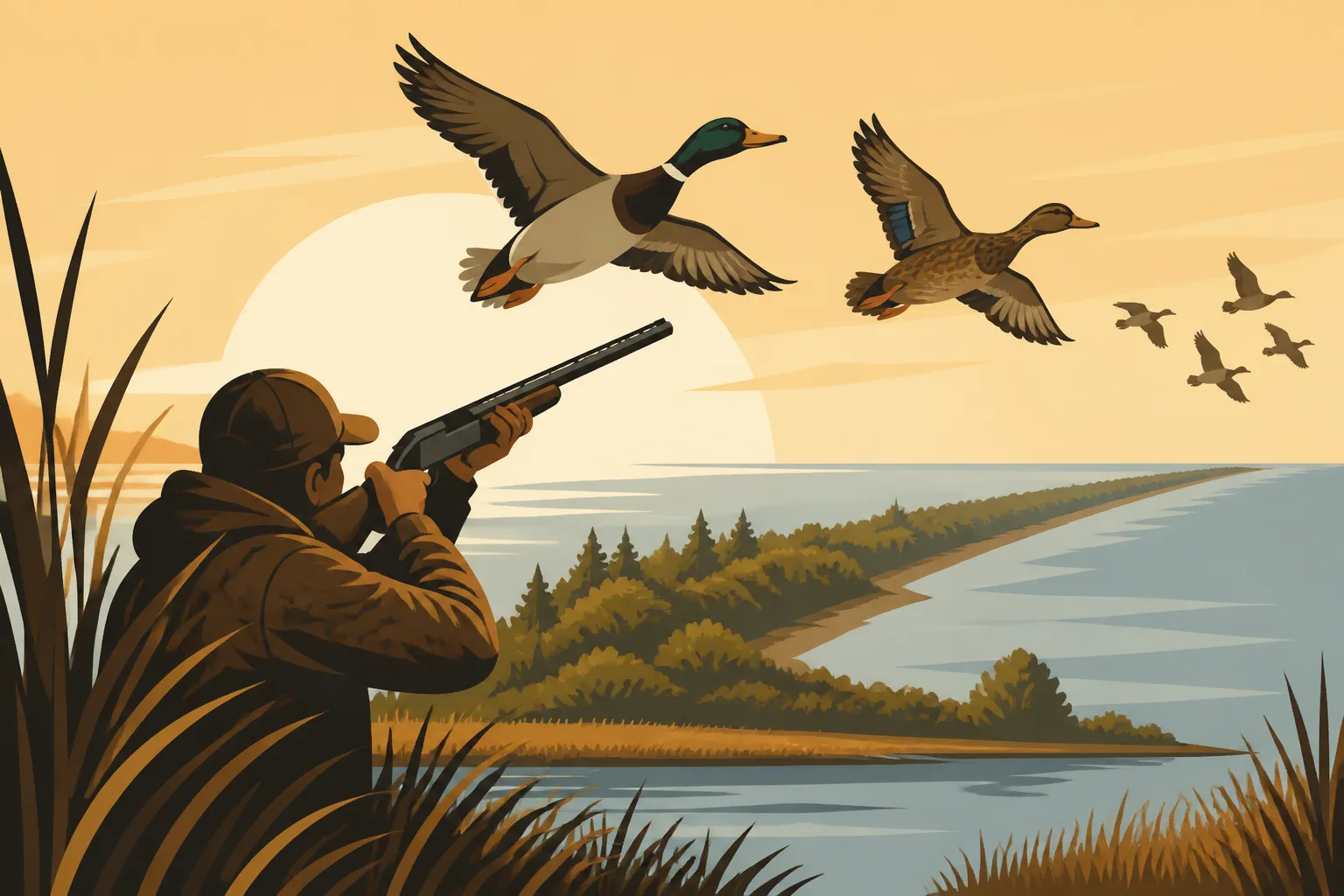
For many hunters, a simple stretch of shoreline or an expanse of marshland might seem like just another place to set decoys. But then there are those rare, almost mythical places that transcend the ordinary, becoming beacons for wildlife and hubs for hunting tradition. Long Point, jutting out into the vastness of Lake Erie, is unequivocally one of these places, a truly unique ecological marvel that holds immense significance for migratory waterfowl and the hunters who pursue them. This guide aims to peel back the layers of Long Point, exploring its unique geography, its critical role in the waterfowl flyway, and what makes it such a legendary destination.
The Unique Geography and Ecology of Long Point
Long Point isn't just a bump on the map; it's a dynamic, ever-changing sand spit that stretches an impressive 40 kilometres into Lake Erie, making it one of the largest freshwater sand spits in the world. This incredible geographical feature wasn't built overnight. It's the result of millennia of lake currents depositing sand and sediment, constantly reshaping its shores and creating a mosaic of diverse habitats. Understanding this unique formation is key to appreciating its role in the natural world.
A Dynamic Landscape Shaped by Lake Erie
Imagine a finger of land, thin and vulnerable in some spots, broadening into expansive marshes and forested dunes in others, all influenced by the whims of a Great Lake. That's Long Point. The lake's powerful currents, winds, and ice continuously sculpt its shape, eroding parts and building up others. This constant change means the habitats are also dynamic, offering new niches for plants and animals year after year. From its eastern tip, a crucial migratory funnel, to its sheltered bays and extensive marshes, every part of Long Point plays a role. It’s a place where the landscape itself tells a story of geological forces at play, creating a series of micro-environments perfectly suited for a vast array of wildlife, especially waterfowl.
Think about the sheer scale of it: a natural breakwater extending far out into one of the largest freshwater lakes on Earth. This creates incredibly sheltered waters on its inner side, providing calm havens even when the main lake is churning with massive waves. These quiet, nutrient-rich waters are precisely what attracts huge numbers of ducks and geese, offering them sanctuary and abundant food sources. This geological fortune is what sets Long Point apart, creating a magnet for birds on their arduous migratory journeys.
Diverse Habitats Within the Point
Within this impressive sand spit, you'll find an astonishing array of habitats. There are mature oak and pine forests on the older, more stable dunes, providing shelter for upland birds and deer. Then there are the extensive freshwater marshes, teeming with cattails, reeds, and submerged aquatic vegetation – the absolute lifeblood for ducks. Sandy beaches line the outer edges, while vast shallow bays and lagoons stretch along the inner side, offering ideal feeding grounds.
This incredible diversity means that Long Point isn't just a one-trick pony. It supports dabbling ducks like mallards, teal, and wigeon in the shallower, vegetated marshes, while diving ducks like canvasbacks, redheads, and scaup thrive in the deeper, open waters of the bays, feasting on mollusks and aquatic plants. Even geese, particularly Canada Geese and various Snow Goose populations, find suitable staging and feeding areas, both in the marshes and adjacent agricultural fields. When you're scouting, it's never just about finding water; it's about finding the right kind of water for the birds you're hoping to encounter. Using tools like GoHunt to study satellite imagery and pinpoint these distinct habitat types can really give you an edge in understanding how different species might be utilizing the area at various times of the season.
A Critical Stopover on the Mississippi Flyway
Long Point's geographical position isn't just a marvel to look at; it places it squarely on one of North America's most important migratory routes: the Mississippi Flyway. For countless waterfowl, this peninsula is a vital pit stop, a place to rest, refuel, and gather strength before continuing their epic journeys south or north. Without places like Long Point, the sheer energy demands of migration would be unsustainable for many species.
The Migration Funnel Effect
As ducks and geese push south from their northern breeding grounds or north towards them, they often follow coastlines and major water bodies. Long Point acts like a natural funnel, drawing birds from a wide area and concentrating them into a relatively smaller space. Imagine a vast river of birds, narrowing down to a powerful torrent as they encounter this prominent landform. This funneling effect leads to incredible concentrations of waterfowl, particularly during the peak migration periods in spring and fall.
The sheer numbers of birds that pass through or stage at Long Point are staggering. It's not uncommon to see thousands upon thousands of ducks and geese descending onto the marshes and bays, their calls echoing across the water. This phenomenon isn't just a spectacle for birdwatchers; it's what makes Long Point a world-renowned waterfowl hunting destination. Hunters who truly understand the timing of these migrations know that a week at Long Point during the peak can offer unparalleled opportunities, especially for species that might only pass through for a short window. Ontario's Ducks and Geese by Flyway really helps put this in perspective.
Food, Shelter, and Staging Grounds
What makes Long Point so attractive to these weary travelers? It boils down to three critical elements: abundant food, secure shelter, and ideal staging grounds. The shallow, nutrient-rich waters and extensive marshes are absolute buffets for dabbling ducks, full of seeds, tubers, and aquatic insects. Diving ducks find their preferred sustenance in the deeper bays, where zebra mussels and other invertebrates are plentiful. For geese, nearby agricultural fields offer an irresistible source of waste grain.
Shelter is equally crucial. The vastness of the marshes provides ample hiding spots from predators and harsh weather, allowing birds to rest and conserve energy. The sheltered inner bays offer calm waters, a stark contrast to the often-turbulent main body of Lake Erie. These areas serve as crucial staging grounds where birds can gather in large flocks, socialize, and prepare for the next leg of their journey. This combination of resources makes Long Point an irresistible magnet, a true oasis in the long, demanding migratory path. It's a place where they can truly recover and thrive, which is why it's been the focus of so much conservation effort for generations.
Conservation and Hunting: A Symbiotic Relationship
Long Point isn't just a hunter's paradise; it's a testament to the power of conservation. For over a century, dedicated individuals and organizations have worked tirelessly to protect this incredible ecosystem, recognizing its global significance. Crucially, waterfowl hunting has played an integral, often leading, role in these conservation efforts, demonstrating a truly symbiotic relationship.
A Century of Conservation Efforts
The realization of Long Point's ecological importance dates back to the early 20th century. Visionaries saw the immense wildlife value and the need to protect it from unchecked exploitation. This led to the establishment of the Long Point Company, a private club that, despite its exclusive nature, was instrumental in protecting vast tracts of marsh and shoreline. Later, major organizations like Ducks Unlimited Canada and the Long Point Waterfowl and Wetlands Research Centre became deeply involved, undertaking scientific research, habitat restoration projects, and land acquisition. The area's recognition as a UNESCO Biosphere Reserve and a Ramsar Wetland of International Importance further solidified its protected status.
These efforts have ensured that the marshes remain healthy, the water quality is monitored, and critical habitats are restored and maintained. Without this century-long commitment to conservation, Long Point might look very different today. It's a shining example of how focused, long-term stewardship can preserve natural wonders for future generations, and it’s a history that every hunter in the region should understand and appreciate. Knowing this background can help you make more informed decisions when using resources like GoHunt to understand specific land designations and access rules within this sensitive area.
The Hunter's Role in Stewardship
It might seem counterintuitive to some, but waterfowl hunters have been, and continue to be, among the strongest advocates and funders of wetland conservation at Long Point and across Ontario. The funds generated through hunting licenses and excise taxes on hunting equipment directly support habitat protection and restoration. Organizations like Ducks Unlimited, founded by hunters, have invested millions into preserving and enhancing wetland ecosystems.
Hunters, by their very nature, are intimately connected to the land and water. They are often the first to notice changes in bird populations, habitat degradation, or invasive species. Their passion for the pursuit of waterfowl naturally extends to a deep desire to ensure healthy populations and vibrant wetlands for the future. Many of the local hunting clubs and individual hunters around Long Point contribute countless hours to volunteer work, cleaning up shorelines, maintaining nesting boxes, and advocating for responsible land management. It's a powerful reminder that hunting, when done ethically and sustainably, is a vital tool for conservation. This commitment is what helps ensure that future generations will still have incredible places like Long Point to experience Marsh Hunting Ducks on the Great Lakes or Field Hunting Geese in Ontario Stubble.
Waterfowl Species: A Diverse Assemblage
Long Point is a waterfowl magnet, drawing an incredible array of species throughout the migratory seasons. From fast-flying teal to majestic swans, the diversity here is truly remarkable, offering hunters varied experiences depending on the time of year and their preferred quarry.
Dabbling Ducks of the Marsh
The expansive, shallow marshes of Long Point are prime habitat for dabbling ducks, those species that 'tip up' to feed on vegetation and insects near the surface. You'll find strong populations of Mallards, the ubiquitous greenheads, throughout the season. American Wigeon are common, often seen grazing on aquatic plants. Green-winged Teal and Blue-winged Teal zip through the reeds, offering challenging wing-shooting opportunities. Northern Pintails, with their elegant long necks, are also regular visitors, particularly during the early and mid-fall migrations.
Hunting these species often involves setting up in cattail marshes, along shallow edges, or in flooded timber, using realistic decoy spreads to draw them in close. Understanding their preferred feeding habits and flight patterns is key to success. Many experienced hunters use tools to observe waterfowl movements over larger areas, and a platform like GoHunt can provide an overlay of land features that might funnel these dabblers into specific marsh pockets. For more on the specific timing of these birds, checking Ontario Duck Season Dates by District is a must.
Diving Ducks of the Open Water
While dabblers stick to the shallows, the deeper, open waters of Long Point's bays and Lake Erie itself are home to a different set of species: the diving ducks. These birds plunge underwater to forage for mollusks, crustaceans, and submerged aquatic vegetation. Canvasbacks, often called the "King of Ducks" for their size and speed, are a prized trophy here. Redheads, with their distinct rusty heads, are also common, as are Greater and Lesser Scaup, often seen in large rafts further out on the lake. Buffleheads and Goldeneyes provide fast-flying, acrobatic challenges closer to shore.
Hunting divers often requires different tactics, such as larger, more spread-out decoy rigs, specialized boat blinds, or layout blinds on big water. The weather conditions can also play a huge role, as divers are often more active on rougher, windier days when the waves churn up their food sources. The thrill of watching a group of fast-moving divers pitch into your spread on a blustery day is something every waterfowler cherishes. Diver Hunting Ontario's Big Water gives you a deeper dive into this exciting method.
Geese and Other Migratory Birds
Long Point isn't just about ducks; it's a major staging area for geese as well. Canada Geese are abundant, utilizing both the marshes and the adjacent agricultural fields for feeding. Early in the season, you might find local birds, but as fall progresses, huge numbers of migratory Canadas descend on the area. Snow Geese also pass through, sometimes in spectacular numbers, offering unique hunting opportunities.
Beyond the huntable species, Long Point is also home to a vast array of other migratory birds, including Tundra Swans, various shorebirds, and countless songbirds. This incredible biodiversity underscores the importance of this ecosystem.
Here’s a quick overview of some common waterfowl species and their typical presence at Long Point:
| Species | Primary Habitat at Long Point | Typical Season Presence | Hunting Notes |
|---|---|---|---|
| Mallard | Marshes, shallow bays, field edges | Early to Late Season | Versatile, responds well to calls and decoys. |
| Wood Duck | Forested wetlands, sheltered creeks | Early Season | Beautiful bird, often found near wooded edges. |
| Green-winged Teal | Shallow marshes, mudflats | Early to Mid-Season | Fast flyers, good for jump shooting. |
| Blue-winged Teal | Shallow marshes, open mudflats | Early Season (migrates early) | Swift, can be numerous in early September. |
| Northern Pintail | Open marshes, shallow bays | Mid to Late Season | Elegant, wary, needs good hide. |
| American Wigeon | Marshes, open water edges | Mid to Late Season | Often grazes on emergent vegetation. |
| Redhead | Deeper bays, open water | Mid to Late Season | Strong diver, good on choppy water. |
| Canvasback | Deeper bays, open lake | Mid to Late Season | Fast, prized diver, often rafts far out. |
| Greater/Lesser Scaup | Open lake, large bays | Mid to Late Season | "Bluebills", often in large groups on big water. |
| Bufflehead | Sheltered bays, open water | Late Season | Small, fast, dives quickly. |
| Common Goldeneye | Larger open bays, lake | Late Season | Quick flyers, often found in rougher water. |
| Canada Goose | Marshes, open fields, bays | Early to Late Season | Wary, excellent calling skills often required. |
| Snow Goose | Open fields, large open water | Mid to Late Season (variable) | Can be very numerous, often found in massive flocks. |
Long Point truly is a jewel in the crown of Ontario hunting, a place where the intersection of unique geography, critical migratory pathways, and dedicated conservation efforts creates an unparalleled waterfowl experience. Its significance cannot be overstated, not just for hunters, but for the entire North American waterfowl population.
Disclaimer
This article is for general informational purposes only and does not constitute professional advice. Laws, prices and regulations vary by location and change over time. Consult a qualified professional for guidance on your specific situation.