How Wildfire Changes Northern Game Range
It can be truly disheartening to see the news reports and aerial photos of massive wildfires sweeping through Ontario's vast northern forests. For many of us who cherish these wild places, the immediate thought is often one of devastation – a complete loss of habitat, pushing game animals out and leaving nothing but barren land. But the truth, as often happens in nature, is a little more complex and, in the long run, often surprisingly resilient. This guide will delve into how these powerful, natural events actually reshape our northern game range, creating new opportunities and challenges for wildlife and hunters alike, transforming what seems like destruction into a vibrant, renewed landscape.
The Immediate Aftermath: Ash, Smoke, and Displaced Wildlife
When a wildfire tears through the northern bush, the initial impact is undeniably destructive. The intense heat, the smoke, and the sheer speed at which a crown fire can move are terrifying. Animals caught directly in the path often perish, but many more are incredibly adept at sensing the danger and moving out of harm's way. However, even for those that escape, the landscape they return to is profoundly altered.
Direct Impact on Animals and Habitat
Imagine a dense stand of black spruce, thick with moss and low-growing shrubs – prime bedding and browsing for moose and deer. After a fire, that entire ecosystem is gone. The trees are scorched, the undergrowth vaporized, and the insulating layer of moss is often reduced to ash. This isn't just a loss of food; it's a loss of critical cover, shelter from the elements, and familiar travel corridors. Ponds and wetlands can dry up due to the intense heat and subsequent altered water flow, impacting waterfowl and furbearers. It's a stark, almost alien landscape that can feel completely lifeless in the immediate aftermath.
Short-Term Displacement and Survival
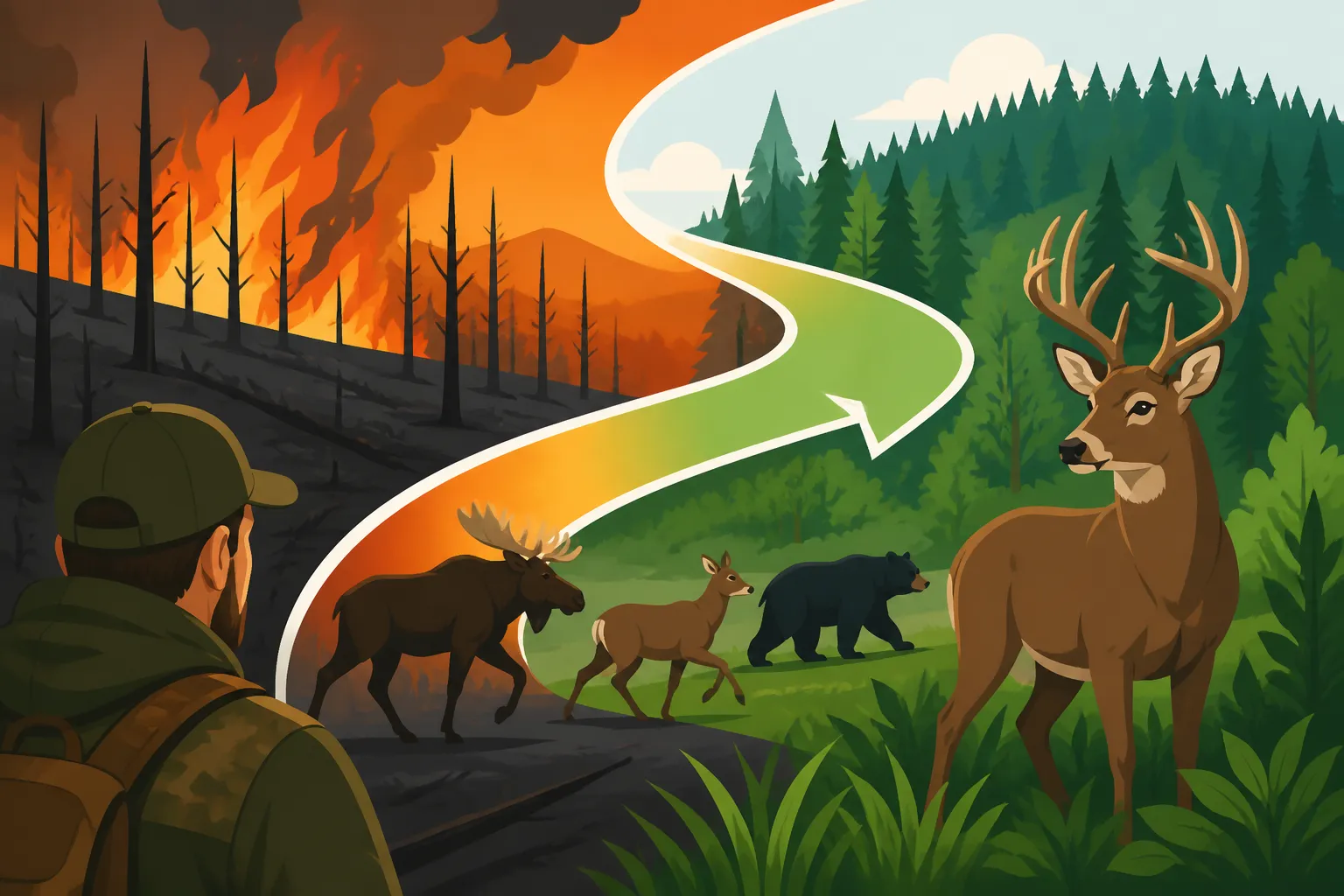
So, where do the animals go? They don't just vanish. They're forced to disperse into adjacent unburned areas. This can mean increased pressure on existing resources in those untouched zones, leading to temporary overcrowding and competition. Deer might shift from a preferred hardwood ridge into a nearby cedar swamp, or moose might move further into untouched sections of the boreal forest. Smaller creatures, like rabbits and grouse, might find themselves exposed and vulnerable, making them easier targets for predators. It's a scramble for survival, and the ecosystem experiences a temporary imbalance until the land begins its remarkable recovery. Hunters often report seeing increased activity in the perimeter areas around a recent burn as animals push to new, unfamiliar territories. It's a critical time for them to adapt and find new safe havens. What a Hard Ontario Winter Culls shows how sensitive wildlife populations can be to disruptions, and a major fire is certainly a massive one.
The Resurgence: A New Lease on Life for the Land
While the immediate picture can seem grim, wildfire is a natural and often necessary component of many northern ecosystems, especially the boreal forest. It's a reset button, clearing out old growth and kickstarting a process of ecological succession that ultimately creates incredibly rich and diverse habitat.
Pioneering Plants and Nutrient Cycling
Within a year or two, sometimes even months, after a fire, you'll start to see green shoots pushing through the ash. These are often pioneering species like fireweed, aspen, birch, and various grasses and shrubs. The ash itself isn't barren; it's packed with nutrients that were locked up in the consumed vegetation, now readily available to new plant growth. The removal of the dense canopy allows sunlight to reach the forest floor, something that was impossible for decades in mature stands. This influx of light, combined with the nutrient-rich soil, creates an explosion of new vegetation. It's truly incredible to witness how quickly life returns, transforming the blackened ground into a vibrant nursery.
New Forage for Herbivores
This new growth isn't just green; it's highly nutritious. Young aspen and birch saplings are packed with digestible protein, far more so than the tough, mature leaves of older trees. This fresh browse is like a buffet for herbivores. Moose, with their huge appetites, thrive on these regenerating areas. Deer, too, will take advantage of the abundant new food sources, especially where the fire has opened up areas adjacent to existing deer habitat. For hunters utilizing tools like GoHunt, understanding these successional stages can be key to identifying areas that might be overlooked by others, especially in areas where satellite imagery can highlight burn perimeters. The sheer volume of new, palatable forage often means that animals that move into these areas after a fire can experience a significant boost in nutrition, leading to better body condition and antler growth. This ties directly into topics like Why Burned Ground Grows Big Bulls, as the rich diet can contribute to impressive antler development.
Species-Specific Responses to Burned Areas
Different game species respond to post-wildfire landscapes in unique ways, depending on their dietary needs, cover requirements, and general ecological preferences. Understanding these nuances is crucial for any hunter hoping to navigate these dynamic environments.
Moose and Elk: The Early Successional Feeders
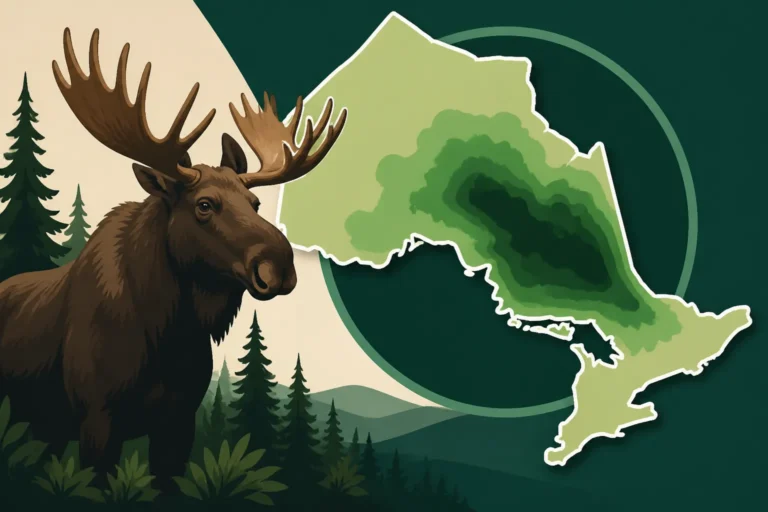
Moose are perhaps the poster child for benefiting from wildfires in the boreal forest. They are primarily browsers, and their diet consists heavily of the very species that thrive in the early stages of post-fire regeneration: young aspen, birch, willow, and various shrubs. A few years after a burn, these areas become dense thickets of young deciduous growth, providing an incredible amount of food close to the ground, exactly what a moose needs. This creates prime habitat, often drawing moose from miles around. Hunters looking for Moose in Ontario's Boreal Forest should pay close attention to recent burn maps from a few years prior.
For elk, particularly in areas where their herds are established, the principles are similar. They are also grazers and browsers, and the flush of new grasses, forbs, and deciduous shoots in a post-fire landscape provides vital nutrition. The open nature of some burned areas, particularly in more mixed forest types, can also provide better visibility and drier bedding areas, which can be attractive.
Deer and Bear: Adapting to Change
White-tailed deer in northern Ontario, especially where they overlap with boreal forest, also benefit from the increased forage, particularly in the later stages of regeneration when taller shrubs and saplings provide both food and cover. However, deer also need protective cover from severe winter weather and predators. If a burn is too extensive and removes all mature coniferous cover, deer might be slower to colonize the interior of the burn. They are more likely to utilize the edges where the burned area meets intact forest, leveraging both the new food sources and existing shelter. Understanding White-Tailed Deer Across Ontario means recognizing their need for diverse habitat components.
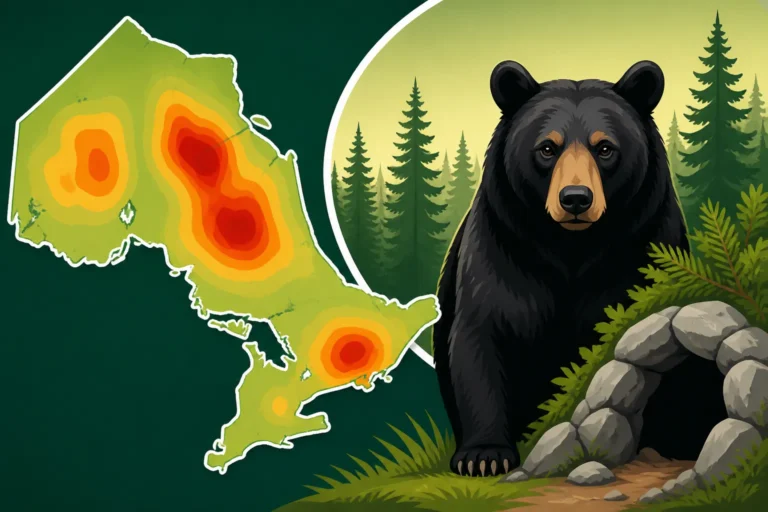
Black bears are omnivores, and their response to wildfires is quite opportunistic. While they might initially be displaced, post-fire areas can become incredibly productive for certain food sources. Berry bushes, like blueberries and raspberries, often flourish in areas with increased sunlight after a fire. These fruit-bearing plants are a critical food source for bears in late summer and fall. Additionally, the dead and decaying timber can lead to an increase in insects, grubs, and small rodents, all of which are part of a bear's varied diet. So, for Black Bears Across Ontario's Bush Country, a burn area can eventually become a larder.
Upland Birds: Habitat Renewal
Upland birds like Ruffed Grouse and Spruce Grouse also see significant habitat changes. Ruffed Grouse thrive in early successional habitats, meaning areas with young, dense stands of aspen, birch, and cherry. A wildfire, followed by this kind of regeneration, creates exactly the kind of thick, tangled cover and abundant food (buds, catkins, berries, insects) that grouse need. Hunters familiar with Ruffed Grouse Hunting Ontario's Bush Roads will know that active logging cuts also create similar conditions, making post-fire zones a natural extension of prime grouse country. Spruce Grouse, on the other hand, are more reliant on mature coniferous forests, so a large burn of their preferred habitat could negatively impact them until the conifers begin to regrow, which takes much longer.
Hunting Strategies in Post-Wildfire Zones
Hunting in areas affected by wildfire requires a different mindset and approach. The landscape is new, the game patterns are altered, and safety considerations are paramount. Using modern scouting tools like GoHunt can provide invaluable insights into burn perimeters and regeneration stages, helping hunters make informed decisions before they even step foot in the woods.
Reading the Landscape: What to Look For
When approaching a post-wildfire area, start by looking for the transition zones. These are often the most productive. The edges where the burned area meets unburned forest provide animals with quick access to both cover and the new food sources. Look for areas where the burn was patchy, leaving islands of unburned timber within the larger fire scar; these become critical sanctuaries and travel hubs. Drainages and creek bottoms, which often retain more moisture and might have burned less intensely, can also be natural travel corridors. Scouting With Satellite Imagery in Ontario is invaluable here, allowing you to see the burn boundaries, the intensity of the burn, and the early stages of regrowth.
Also, pay attention to the stage of regeneration. A year or two after a fire, you might see a carpet of fireweed and young sprouts – great for initial foraging. Three to five years out, and you'll often have dense, impenetrable thickets of young hardwoods, creating fantastic bedding and hiding cover for moose and deer. Ten to fifteen years later, these areas might be dense pole timber, which still offers good cover and some browse. Understanding this progression is key to predicting where and when different species will utilize the area.
Access and Safety Considerations
Accessing post-wildfire areas can be tricky. Old logging roads or ATV trails might be obliterated or choked with fallen timber, making travel difficult. What appears on a Reading an Ontario WMU Map Before You Go as a clear path might be impassable. Always scout these routes carefully, and be prepared for extensive bushwhacking. The ground can also be unstable, with ash pits and burned-out root systems creating hazards. Standing dead trees (snags) can fall without warning, especially on windy days. Always hunt with a partner, carry a comprehensive first-aid kit, and let someone know your exact plans and expected return time.
Safety Considerations in Burned Areas
| Hazard | Description | Precaution |
|---|---|---|
| Falling Snags | Dead trees, often unstable, can fall without warning. | Avoid walking directly under them; be extra cautious on windy days. |
| Ash Pits | Deep pockets of hot ash and embers, even weeks after a fire. | Stick to established paths or visible solid ground; wear sturdy, high boots. |
| Hidden Holes | Burned-out root systems create unseen cavities underfoot. | Walk slowly and deliberately; use trekking poles to probe ahead. |
| Reduced Visibility | Dense regrowth can make spotting game difficult. | Hunt methodically; use blaze orange even if not strictly required in all seasons. |
| Erosion/Unstable Ground | Fire can remove ground cover, leading to loose soil on slopes. | Watch your footing on inclines; avoid extremely steep, barren slopes. |
| Poor Air Quality | Residual smoke or dust from ash can irritate lungs. | Check air quality reports; consider a respirator if sensitive. |
| Lack of Landmarks | Familiar features may be gone, making navigation difficult. | Rely heavily on GPS/compass; use a GoHunt app to track your path. |
Always be mindful of your surroundings. A post-fire landscape can be beautiful in its regeneration, but it also demands respect and careful navigation. Hunters often find that what was once deep, old forest has transformed into a mix of open ground and impenetrable young growth, much like Hunting a Cutover Block in the North, but on a much larger scale. It's a challenging environment, but one that can yield incredible rewards for those willing to adapt and learn its new rhythms.
Disclaimer
This article is for general informational purposes only and does not constitute professional advice. Laws, prices and regulations vary by location and change over time. Consult a qualified professional for guidance on your specific situation.