How Beaver Ponds Concentrate Game
Finding prime hunting spots in Ontario's vast wilderness can feel like searching for a needle in a haystack, especially when you're staring at a satellite map that all looks like endless green. But if you know where to look, certain natural features act as absolute wildlife magnets, drawing in various game species like a siren song. This guide will dive deep into one such powerhouse habitat: the humble yet incredibly dynamic beaver pond, explaining why these areas are absolute goldmines for hunters across the province and how you can leverage them for success.
The Ecological Transformation: Why Beaver Ponds Are Game Magnets
It's easy to dismiss a beaver pond as just a muddy, flooded section of bush, but these areas are far more significant than they appear. Beavers are incredible engineers, altering the landscape in ways that create vibrant, diverse ecosystems that are hugely beneficial to a wide array of wildlife.
Beavers as Landscape Engineers
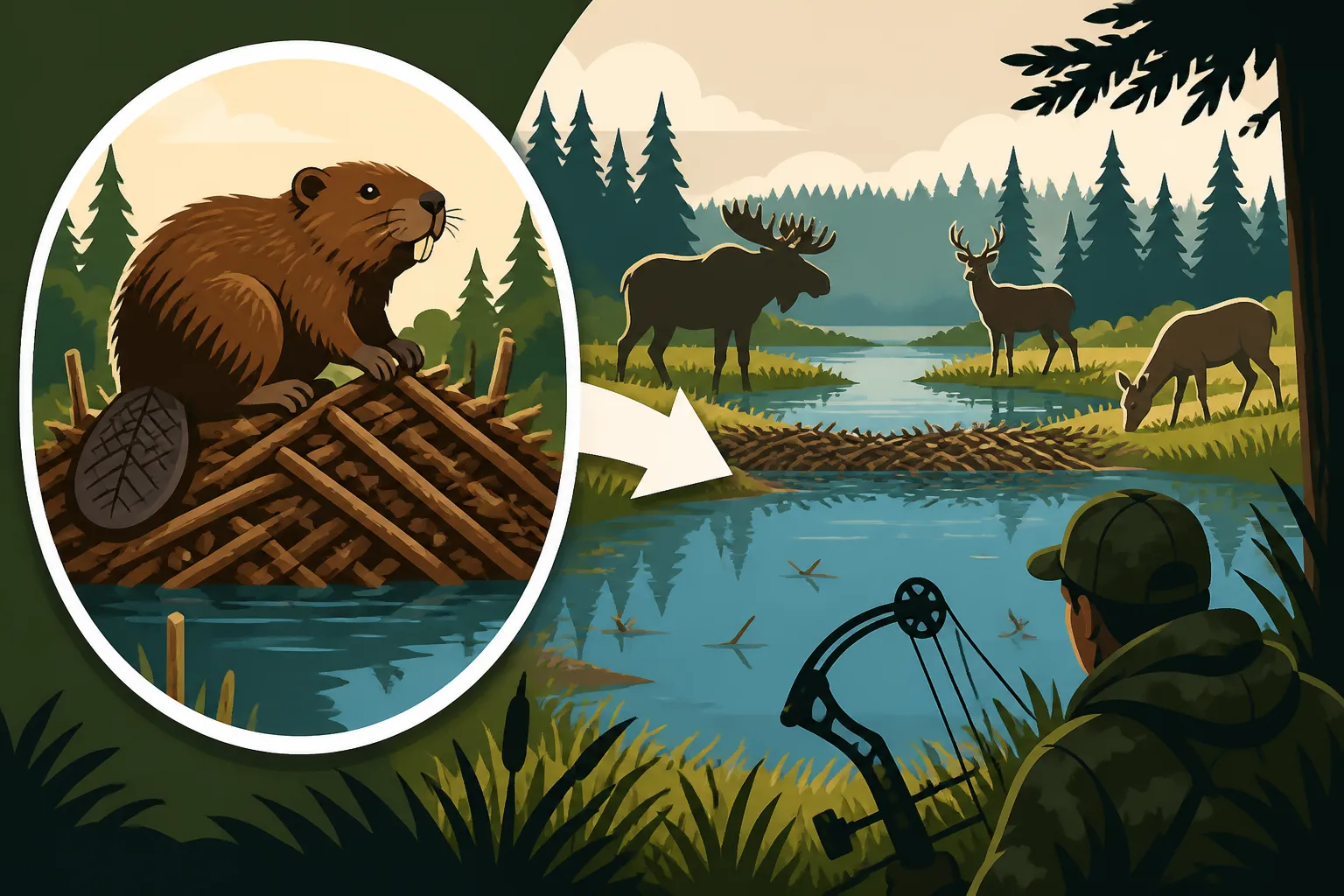
Imagine a small, winding creek snaking through the forest. Then, a family of beavers moves in, felling trees and expertly constructing a dam. Suddenly, that trickling creek becomes a pooling pond, backing up water into previously dry forest. This flooding process changes everything. Existing trees, now submerged, die off, creating standing snags and eventually falling timber. This open water in turn slows the flow, traps sediment, and creates an entirely new wetland habitat.
These aren't static environments; beavers are constantly maintaining and expanding their work. As a result, you often find a mosaic of open water, shallow marshy areas, dead standing timber, and lush, new growth along the edges. This patchwork of habitats is exactly what makes these locations so appealing to game. It’s a dynamic, ever-changing landscape that provides different resources at various times of the year, ensuring a steady stream of visitors.
Increased Biodiversity and Food Sources
The transformation from creek to pond kickstarts a cascade of ecological benefits. The standing water, enriched by decaying organic matter, becomes a breeding ground for aquatic insects, amphibians, and even small fish. These, in turn, become food for larger creatures. The dead timber, while seemingly bleak, provides critical perching and nesting sites for birds of prey and waterfowl, and the decaying wood itself harbors countless insects.
Perhaps most importantly for big game, the edges of these ponds and the newly exposed mud flats become fertile ground for emergent vegetation. Willows, alders, sedges, and other water-loving plants flourish. These plants are often highly palatable to deer and moose, especially the succulent new growth that sprouts up. Aspen and poplar regrowth, after beavers have cut down the mature trees, is also a prime food source, particularly for moose. This diverse buffet, concentrated in a relatively small area, is a powerful draw for everything from a hungry whitetail to a browsing bull moose. It's a natural larder in the middle of the bush, providing consistent nutrition that can be hard to find elsewhere.
Ontario's Game Drawn to Beaver Pond Ecosystems
When you start to understand the habitat benefits, it becomes clear why so many of Ontario's most sought-after game species are drawn to beaver ponds. They offer a combination of food, water, and cover that is hard to beat.
Whitetail Deer and Moose Havens
For whitetail deer, beaver ponds represent fantastic edge habitat. The dense, successional growth around the pond's perimeter provides excellent thermal cover, bedding areas, and escape routes. Deer will often browse heavily on the various shrubs and forbs that thrive in these moist conditions. Furthermore, the open water itself is a critical water source, especially during drier periods of the year when other small streams might dry up. Deer trails often crisscross the dams and narrower points of the pond, creating predictable travel corridors. Hunters frequently target these crossings, knowing that deer will utilize them regularly.
Moose have an even stronger affinity for beaver ponds, particularly in the warmer months. These colossal browsers absolutely love aquatic vegetation – think lily pads, pondweeds, and other submerged plants that are rich in minerals and easily digestible. They'll wade right into the shallows, sometimes submerging their heads completely, to munch on these delectable treats. As the season progresses, they'll shift to browsing on the willows and alders that grow thick around the edges, especially the new shoots that emerge from beaver-cut stumps. A healthy beaver pond in the boreal forest is often a sure bet to find a moose, from cows with calves to impressive bulls. Moose Hunting Ontario's Northern Bush offers more insight into these magnificent animals.
Bear, Waterfowl, and Upland Bird Attractions
Black bears are also frequent visitors to beaver pond areas. They are opportunistic omnivores, and these ecosystems provide a smorgasbord of food. Bears will forage for berries that grow in the damp, open areas, root for insects in decaying logs, and even prey on small mammals or amphibians found near the water. The dense cover and often sheltered nature of these areas can also offer potential denning sites, especially along the banks of dams or in abandoned lodges.
For waterfowl hunters, beaver ponds are often unsung heroes. While large lakes and rivers get most of the attention, smaller ponds and flooded timber areas provide ideal resting, feeding, and staging grounds for ducks and geese. They'll feed on aquatic insects, seeds from wetland plants, and often dabble in the shallows. The broken timber and emergent vegetation offer protection and excellent hiding spots for nesting or loafing. Jump-Shooting an Ontario Beaver Pond can be a fantastic way to target ducks that use these smaller, secluded water bodies.
Upland birds like ruffed grouse and woodcock also thrive in the successional habitats created by beavers. Ruffed grouse will utilize the dense young aspens and alders for cover and budding, while woodcock absolutely adore the soft, moist earth along the pond edges, which is teeming with worms and other invertebrates. Look for their distinct probing holes in the mud. Hunting Woodcock in Ontario Alder Bottoms often means finding these birds around old, or even active, beaver flows.
Predators and Small Game
Where there's a concentration of game, predators are sure to follow. Coyotes and wolves will patrol the edges of beaver ponds, looking for an easy meal from the deer, moose, or smaller game that frequent these areas. Their keen senses often lead them to these hotspots.
Even smaller furbearers like mink and otter find abundant prey in the aquatic environment of a beaver pond. And for small game hunters, these areas can be incredibly productive. Snowshoe hare and cottontail rabbits thrive in the thick, brushy undergrowth of willow and alder thickets that proliferate around the water's edge. The dense cover provides protection from predators, while the abundant browse keeps them well-fed. Rabbit and Hare Hunting in Ontario can be especially rewarding in these areas.
Here's a quick look at why various species love these spots:
| Game Species | Primary Attraction | Seasonal Usage | Hunting Strategy Notes |
|---|---|---|---|
| Whitetail Deer | Dense cover, diverse browse, water source, travel corridors | Year-round, especially active during rut, post-rut for browse | Focus on trails leading to/from pond, pinch points on dams. Check wind. |
| Moose | Abundant aquatic vegetation, willow/alder browse, water source | Heavy in summer (aquatic plants), fall for browse and rut | Glass open water, call during rut, ambush on trails. |
| Black Bear | Berries, insects, small prey, denning opportunities | Spring (emerging food), Fall (fattening up on berries) | Scout for sign (scat, torn logs), use trail cameras near food sources. |
| Ducks/Geese | Open water for resting, aquatic plants, seeds | Spring/Fall migration, nesting in summer | Jump-shooting, setting up blinds near edges, decoys in open water. |
| Ruffed Grouse | Dense young growth (aspen, alder), insect life | Year-round, particularly active in fall for budding | Walk edges of new growth, listen for flushes, use a flushing dog. |
| Woodcock | Soft, moist earth; worms and invertebrates | Spring/Fall migration, summer breeding | Hunt alder bottoms, look for probing holes, use a pointing dog. |
| Snowshoe Hare | Thick brushy cover, willow/alder browse | Year-round, more visible against snow in winter | Still-hunting dense thickets, running with beagles. |
| Coyotes/Wolves | Prey concentration (deer, moose, small game) | Year-round, especially active when deer/moose are concentrated | Calling, watching open areas during low light. |
Strategizing Your Hunt Around Ontario Beaver Ponds
Hunting around beaver ponds requires a keen eye for detail, understanding game movement, and a respectful approach to these sensitive habitats. It's not just about showing up; it's about smart scouting and execution.
Scouting Smartly with Technology and Boots on the Ground
Before you even step foot in the bush, start your scouting with technology. Satellite imagery, often available through apps like GoHunt, is your best friend. Look for old beaver flows, active dams, and the characteristic patterns of flooded timber and new growth. These images can reveal hidden ponds, old clearings, and potential travel corridors that are otherwise invisible from the road. Pinpoint likely access points, observe the lay of the land, and identify any potential pinch points or funnels that might force game movement. Scouting With Satellite Imagery in Ontario can save you countless hours of wandering.
Once you have a general idea, it’s time for boots on the ground. Visit these areas well before the season. Look for fresh beaver cuttings, active lodges, and most importantly, game trails leading into and out of the pond. Pay close attention to the mud along the banks and dams; it’s a natural canvas for tracks and other fresh sign. Look for browse lines on willows, rubs and scrapes from deer, and scat from various animals. The more time you spend deciphering these clues, the better you’ll understand the habits of the local wildlife.
Approach and Stand Placement
When it comes to the actual hunt, your approach and stand placement are paramount. The open water and sparse tree cover in some beaver pond areas mean your scent can carry far. Always approach from downwind, using any available natural cover—like a thick bush edge or a slight ridge—to mask your movement and scent.
Your stand or blind placement should be strategic. Look for natural crossings, like the dam itself or a narrow neck of the pond, where game is likely to funnel. Position yourself to overlook feeding areas, such as a patch of lush aquatic vegetation or a thicket of young alders that are heavily browsed. For deer, focusing on trails leading to and from the water is often key. A well-placed tree stand on a bush edge overlooking a beaver pond can be incredibly effective. Consider using a ground blind if there are few suitable trees, ensuring it blends seamlessly with the surroundings. Hanging a Stand on an Ontario Bush Edge for more tips on treestand placement.
Timing Your Hunt
The best time to hunt around a beaver pond can depend on the species you're after and the specific conditions. Early in the season, when temperatures are still warm, deer and moose will be frequenting the water for a drink and to cool off. Moose will be heavily feeding on aquatic vegetation throughout the summer and into early fall. Waterfowl activity will peak during spring and fall migrations.
As fall progresses, deer rut activity can bring bucks to the edges of ponds as they cruise for does. Bears will be intensely focused on fattening up, making berry patches around ponds prime locations. Later in the season, especially when snow starts to fall, the dense cover and thermal protection offered by thick growth around a beaver pond can make it a critical area for deer to yard up. Knowing when specific game species utilize these areas most heavily will significantly increase your odds. For instance, Hunting the Rut in Early to Mid November will dictate different tactics than a very early season hunt.
Reading the Land: Interpreting Sign at a Beaver Pond
Being able to "read the book of the bush" is a fundamental skill for any hunter, and nowhere is this more true than around a beaver pond. The unique characteristics of these ecosystems leave tell-tale signs for those who know what to look for.
Deciphering Fresh Tracks and Trails
The soft, often muddy banks and dam tops of a beaver pond are fantastic places to find fresh tracks. Take your time to examine them. Can you distinguish the rounded, cloven hoofprint of a deer from the larger, heart-shaped print of a moose? Are there the distinctive paw prints of a black bear, or perhaps the canine tracks of a coyote? Fresh tracks tell you not only what animals are present but also how recently they've been there. A clear, sharp print in damp mud indicates very recent activity.
Beyond individual tracks, look for well-worn game trails. Animals, especially deer and moose, are creatures of habit. They will often use the same paths repeatedly to access water, browse, or cross the dam. These trails act like highways for wildlife, and knowing their routes is crucial for planning your ambush. Observing where trails converge or narrow down, such as a path leading across a narrow section of a dam or through a dense thicket, can reveal critical pinch points that are excellent for stand placement. Reading Whitetail Sign in Ontario Hardwoods also applies to the edges of beaver ponds, where deer will leave their mark.
Food Source Identification and Usage
Understanding what game animals are eating is key to predicting their movements. Around a beaver pond, you'll find a variety of browse. Look for browsed willow and alder shoots, often with jagged edges left by deer, or the more cleanly snipped ends left by moose. In the water, look for evidence of moose wading in to eat aquatic plants. You might also find rubbed trees from bucks and bulls, indicating their presence and territorial marking.
Scat identification is another powerful tool. The small, pellet-like droppings of deer and moose are distinct, as are the larger, often berry-filled droppings of black bears. Waterfowl leave their own characteristic droppings along the water's edge. Observing which food sources are being actively utilized will give you valuable insight into where animals are spending their time and when. A good mapping tool like GoHunt can help you mark these observations and build a picture of animal movement over time.
Understanding Water Levels and Terrain Changes
Beaver ponds are not static. Their water levels can fluctuate significantly throughout the year due to rainfall, snowmelt, and the beavers' own activity. These changes directly impact game movement. High water might make some areas inaccessible or create new, temporary travel routes. Low water, on the other hand, can expose new mud flats for foraging or reveal hidden crossings. Always be aware of the current conditions.
Furthermore, don't just focus on the water itself. Old beaver flows that have dried up can leave behind natural funnels or slightly depressed corridors that game still uses as travel routes. Pay attention to the topography surrounding the pond. Are there subtle ridges or hills that naturally funnel game towards a particular section of the water? These landscape features, combined with the dynamic nature of the beaver pond, create a constantly evolving puzzle for the observant hunter.
Disclaimer
This article is for general informational purposes only and does not constitute professional advice. Laws, prices and regulations vary by location and change over time. Consult a qualified professional for guidance on your specific situation.