What Ontario Is Doing for Moose
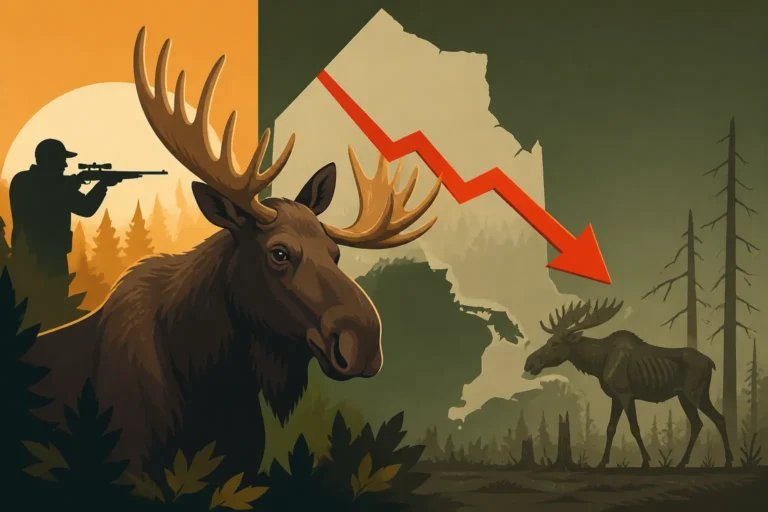
It's no secret that moose populations in some parts of Ontario have been a real concern for hunters, conservationists, and the Ministry of Natural Resources and Forestry (MNRF) alike. There's a palpable worry, especially in certain Wildlife Management Units (WMUs), when you hear about fewer sightings or a tougher hunt year after year. This isn't just about hunter success; it’s about the health of our boreal ecosystem, a true Canadian icon. This guide is going to take a deep dive into exactly what Ontario is doing to address these challenges, from the scientific research happening in the field to the tough decisions being made about hunting regulations, all aimed at safeguarding this majestic species for future generations.
Understanding the Challenges to Ontario's Moose Populations
Before we can appreciate the solutions, we first have to grapple with the complex issues facing Ontario's moose. It's rarely one single factor, but rather a convergence of environmental shifts, pressures from other species, and the nuances of human activity that create a challenging landscape for these magnificent animals.
The Complex Web of Population Decline Factors
When you hear about moose numbers being down, it's easy to jump to a single conclusion, but the reality is far more intricate. Ontario's moose face a multi-faceted assault on their well-being and survival. One of the most talked-about factors is climate change, particularly how warmer winters are allowing winter ticks to thrive. These tiny parasites can infest a single moose by the tens of thousands, literally sucking the life out of them, leading to severe hair loss, anemia, and even death, especially for calves. You've probably heard the term "ghost moose" – that's what happens when a moose rubs off its hair trying to get rid of ticks, leaving it pale and vulnerable to the cold. It's a truly heartbreaking sight for anyone who values wildlife.
Beyond the ticks, habitat changes play a huge role. While logging often gets a bad rap, sustainable forestry practices can actually create beneficial early successional habitat, providing crucial browse for moose. However, not all logging is equal, and significant landscape alterations, coupled with increasing human development and infrastructure like roads and power lines, can fragment critical moose habitat, making it harder for them to access food, cover, and breeding grounds safely. Then there's predation, primarily from wolves and black bears, which naturally predate on moose, especially vulnerable calves. While this is a natural process, an imbalance can occur when other factors weaken the moose population or alter predator access.
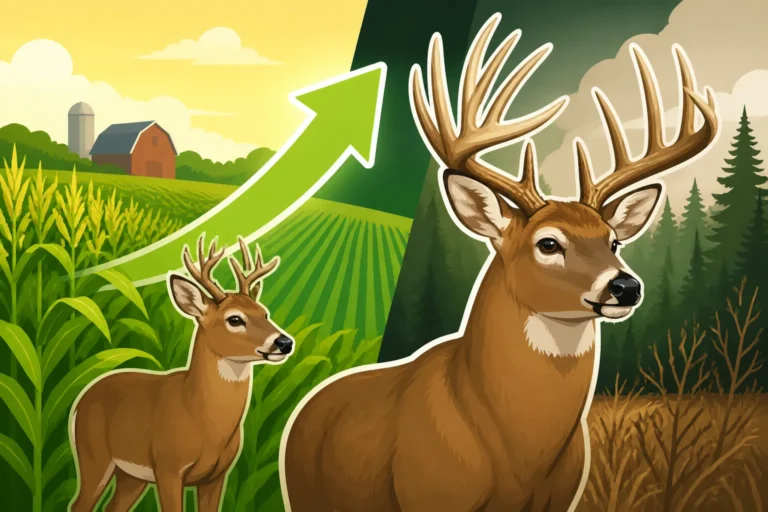
Finally, diseases like brainworm, though not always as visible as tick infestations, can be devastating. Brainworm (Parelaphostrongylus tenuis) is a parasite carried by white-tailed deer, which are increasingly expanding their range northward into traditional moose habitat due to milder winters and changes in land use. While deer are largely unaffected, the parasite is fatal to moose, causing neurological damage and often leading to death. The interaction of these factors – a changing climate, shifting habitats, natural predators, and the spread of disease – creates a truly complex puzzle for wildlife managers trying to figure out how to best help our moose thrive.
Historical Context of Moose Management in Ontario
Moose management in Ontario hasn't always been the scientific, data-driven process we see today. If you look back far enough, hunting was largely unregulated, leading to significant population fluctuations. It wasn't until the mid-20th century that serious conservation efforts began to take root, driven by concerns over declining numbers and a growing understanding of ecological principles. This era saw the introduction of hunting seasons, bag limits, and the eventual establishment of the Wildlife Management Unit (WMU) system, which allowed for localized management based on regional population dynamics. This was a huge step forward, moving away from a one-size-fits-all approach to something much more nuanced.
For decades, management largely focused on harvest control, using hunting as a tool to balance populations with available habitat and minimize conflicts. The Ministry of Natural Resources (now MNRF) began conducting aerial surveys, albeit with less sophisticated technology than today, to get a handle on population estimates. The development of the selective harvest system, distinguishing between bull, cow, and calf tags, further refined this approach, aiming to protect breeding cows while allowing for sustainable harvest of bulls.
However, as environmental pressures intensified and new threats emerged, particularly in the late 20th and early 21st centuries, it became clear that simply managing harvest wasn't enough. The provincial moose population experienced notable declines in several areas, prompting a more comprehensive and adaptive management strategy. This shift recognized the need for deeper scientific research, broader habitat initiatives, and a more integrated approach that considers all the interacting factors impacting moose health and numbers. It's a continuous learning process, with management strategies evolving as new data comes in and environmental conditions change, always striving to find the best path forward for Ontario's moose.
Comprehensive Research and Monitoring Efforts
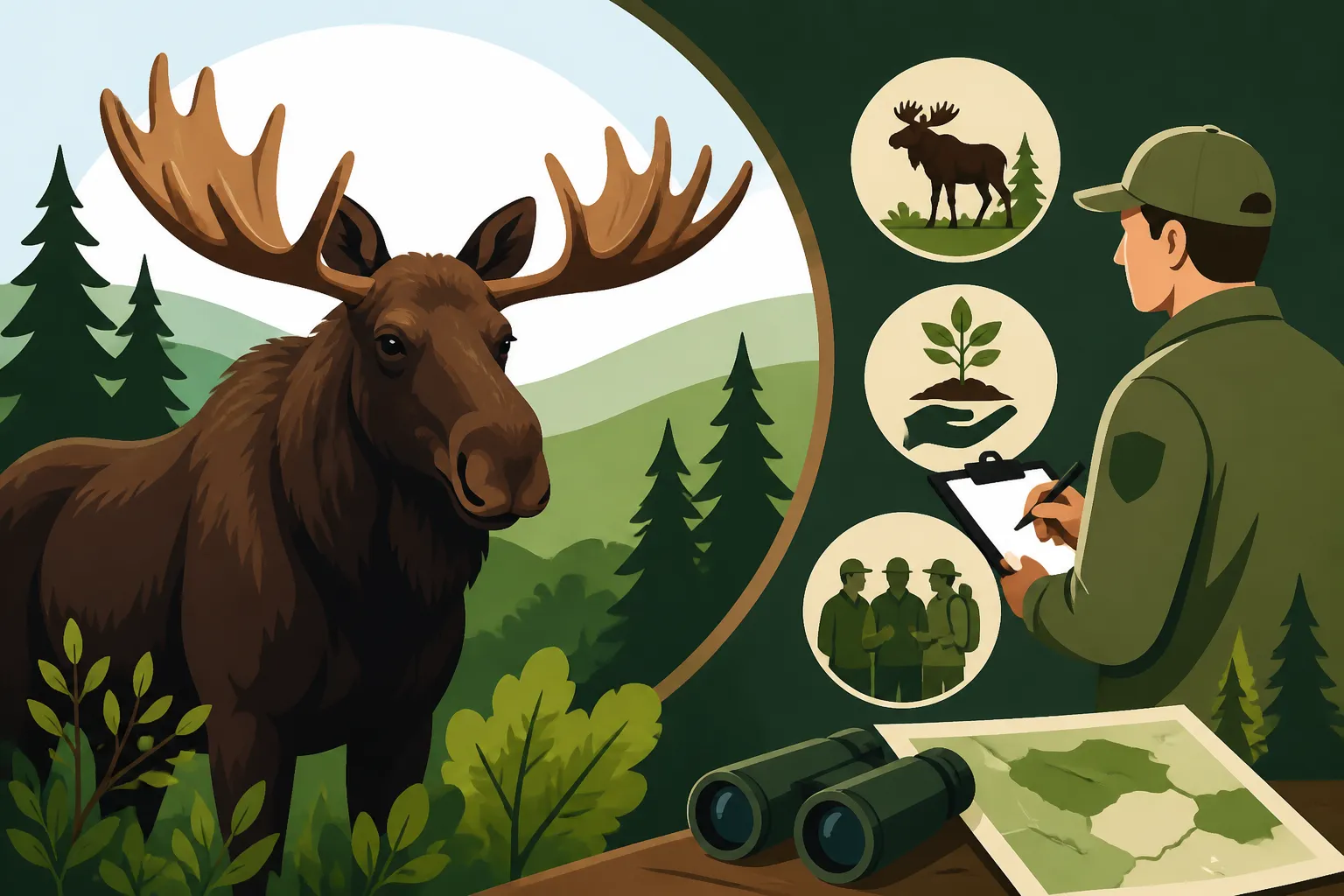
At the heart of any effective wildlife management strategy is solid data. Without knowing how many moose there are, where they're moving, and what's impacting their health, all other efforts would be shots in the dark. That's why Ontario dedicates significant resources to comprehensive research and monitoring.
Aerial Surveys and Population Census
One of the most critical tools in Ontario's moose management arsenal is the aerial survey. Imagine flying low over vast stretches of the boreal forest in a helicopter or fixed-wing aircraft, systematically scanning for moose. This is precisely what the MNRF does to estimate populations in specific WMUs. It's an incredibly challenging undertaking, typically conducted in winter when snow cover makes moose more visible against the white backdrop and deciduous trees have shed their leaves, reducing canopy obstruction. Biologists and skilled observers use specific transect lines, recording every moose sighted, along with their age and sex when possible. While tools like GoHunt provide advanced mapping and land ownership data in some jurisdictions, Ontario's aerial surveys are the foundational method for direct population counts, offering invaluable insights into current numbers, trends over time, and the ratio of bulls, cows, and calves, which is crucial for assessing reproductive success.
These surveys are not cheap, and they are heavily reliant on suitable weather conditions – clear skies, fresh snow, and minimal wind are essential for accurate counts. This means some years, surveys might be delayed or limited in scope. However, the data collected is invaluable. It helps identify WMUs where populations might be stable, declining, or even increasing, guiding decisions on everything from harvest quotas to habitat priorities. For example, if a survey reveals a low calf-to-cow ratio in a particular area, it signals potential issues with calf survival, which could point to increased predation, poor habitat, or disease prevalence. Without this critical baseline data, managing a species across such a vast and diverse landscape would be nearly impossible.
Telemetry Studies and Health Assessments
Beyond simply counting moose, Ontario is investing in understanding individual animals through telemetry studies. This involves safely capturing moose and fitting them with GPS collars, which then transmit their location data over extended periods. This technology allows researchers to track moose movements, identify seasonal habitat use, understand migration patterns, and, most critically, determine survival rates and causes of mortality. Imagine being able to see exactly where a moose travels throughout the year, where it calves, where it winters, and, sadly, what might have caused its demise. This kind of granular data is gold for wildlife managers.
Telemetry studies are especially crucial for understanding calf survival, which is a major bottleneck for many declining moose populations. By collaring calves and monitoring them closely, researchers can pinpoint when and where most mortalities occur, and often, what the direct cause was – be it predation by wolves or bears, disease, or other factors. This insight helps target specific management interventions. Furthermore, when moose are collared, or when carcasses are found, comprehensive health assessments are conducted. This involves collecting biological samples like blood, hair, and tissue to test for diseases, parasites (like winter ticks and brainworm), and overall physiological condition. This information contributes to a broader understanding of moose health across the province and helps identify emerging threats or areas where populations might be particularly stressed. These detailed studies provide the "why" behind population trends observed in aerial surveys, painting a much clearer picture of the challenges moose face.
Strategic Habitat Management and Restoration
Moose are creatures of their environment, and the quality and availability of suitable habitat are paramount to their survival and proliferation. Ontario's management efforts extend far beyond just counting animals and regulating hunts; they delve deep into the landscapes these animals call home.
Integrating Forestry Practices with Moose Habitat Needs
One of the most significant ways Ontario influences moose habitat is through its forestry practices. It's a common misconception that all logging is bad for wildlife. In fact, when done sustainably and strategically, timber harvesting can be a powerful tool for creating and maintaining ideal moose habitat. Moose are browsers; they thrive on young, regenerating forest growth like willow, aspen, birch, and balsam fir, which sprout up after disturbances such as fires or logging. Mature, dense forests offer less accessible browse at ground level, so managed cuts can open up the canopy, allowing sunlight to reach the forest floor and stimulate this vital regrowth. This process creates what's known as early successional habitat, essentially a buffet for moose.
The MNRF works closely with the forestry industry to ensure that forest management plans consider moose habitat needs. This means planning cuts that create a mosaic of different forest ages and types, providing not only food but also secure cover for moose, especially during harsh winters. For instance, leaving patches of dense conifer stands near regenerating areas provides essential shelter from deep snow and cold temperatures. The goal isn't to clear-cut everything but to mimic natural disturbance patterns, creating a diverse landscape that benefits moose throughout the year. It's a delicate balance, ensuring economic activity while simultaneously promoting the ecological health of the forest for its wildlife inhabitants, especially the moose that rely on its bounty.
Protecting and Enhancing Key Moose Habitat Areas
Beyond influencing active forestry, Ontario also focuses on the outright protection and enhancement of critical moose habitat. This involves identifying and safeguarding areas that are indispensable for moose survival at different times of the year. Key among these are critical wintering areas, often dense cedar swamps or mixed forests that offer shelter from severe cold and deep snow, as well as accessible browse. Calving grounds, where cows give birth and raise their vulnerable young, are another priority. These areas often provide seclusion and protection from predators.
Land use planning plays a vital role here, ensuring that development, infrastructure projects, and other human activities are carefully considered in and around these crucial habitats. The province works to minimize fragmentation of these areas and maintain vital travel corridors, allowing moose to move between seasonal habitats without encountering undue risks. This protection isn't just about government mandates; it often involves partnerships with conservation organizations, Indigenous communities, and even private landowners who manage their properties with moose in mind. For example, some conservation reserves or provincially significant areas are specifically designated to protect biodiversity, including moose habitat. The long-term goal is to ensure that even with changing land use pressures, moose always have access to the diverse and healthy environments they need to thrive, from abundant food sources in regenerating cuts to secure sanctuary in deep conifer stands.
Adaptive Harvest Management Strategies
Hunting has long been a traditional and important activity in Ontario, and when managed properly, it's a critical tool for wildlife conservation. The province employs sophisticated adaptive harvest management strategies to ensure that hunting opportunities are sustainable and contribute positively to moose populations.
Adjusting Tag Allocations and Draw Systems
One of the most direct ways Ontario manages its moose population is through the annual adjustment of tag allocations and the complex draw system. Each year, based on the latest aerial survey data, telemetry studies, and general observations from the field, the MNRF determines the total number of moose tags available for each WMU. This isn't a static number; if populations are showing signs of stress or decline in a particular unit, the number of available tags, especially for cows or even bulls, can be significantly reduced, or in some cases, eliminated altogether. Conversely, in areas with healthy or growing populations, tag numbers might see a modest increase. This adaptive approach means that hunting pressure can be finely tuned to match the ecological realities of each specific area.
For hunters, navigating Ontario's moose tag allocation process can be a rite of passage. There are two main stages: the primary allocation and the second chance allocation. Most experienced hunters understand that drawing a coveted bull tag in a desirable WMU often requires accumulating points through the Ontario's Moose Points System over several years. For hunters accustomed to streamlined applications and unit breakdowns found on platforms like GoHunt in other regions, understanding the nuances of Ontario's specific moose tag allocation process and its WMU boundaries can sometimes feel complex, but it's designed to be equitable and responsive to population health. The system ensures that resident hunters have a fair shot while also allowing the province to carefully control overall harvest numbers. This precision is vital for managing a species like moose, which has a relatively low reproductive rate and can be slow to recover from overharvest or other pressures.
Targeting Specific Sex and Age Classes
Ontario's harvest management isn't just about how many tags are issued, but also what kind of tags. The province employs a selective harvest system, meaning tags are often specific to bull, cow, or calf moose. This allows managers to target specific segments of the population to achieve desired conservation outcomes. For instance, in areas where calf survival is a major concern, managers might reduce calf tags significantly or eliminate them entirely. Similarly, cow tags are carefully controlled because adult cows are the reproductive engine of the herd. If too many cows are harvested, it can have a disproportionately negative impact on future population growth.
The goal is to maintain a healthy breeding population while allowing for a sustainable harvest of bulls. This strategy recognizes that not all moose contribute equally to population growth. Harvesting mature bulls, within sustainable limits, generally has less impact on the overall population trend compared to harvesting cows or young calves. The group hunt system also influences how tags are used. When Hunting a Group Moose Tag Together, the party might share a bull or cow tag, which encourages careful planning and often leads to a more selective harvest. By meticulously adjusting these categories of tags in conjunction with population data, Ontario strives to strike that delicate balance: providing hunting opportunities while ensuring the long-term health and stability of its moose populations. This nuanced approach helps protect the future of the moose herd, ensuring that the opportunities to harvest remain available for generations to come.
The Role of Predator Management
The narrative around predators and prey is often fraught with emotion, but in a healthy ecosystem, predators like wolves and bears play a natural and essential role in regulating ungulate populations, including moose. Ontario's approach to predator management is designed to understand and, where necessary, manage this dynamic to support overall moose health.
Wolf and Bear Harvest Regulations in Moose Range
When moose populations are struggling, the role of predators naturally comes under increased scrutiny. Ontario's approach to predator management within moose range is not about eradication, but rather about maintaining a balanced ecosystem and, in specific cases, alleviating pressure on vulnerable moose herds. This involves carefully considered hunting and trapping regulations for both wolves and black bears in areas where they overlap with moose. While a hunter might use a platform like GoHunt to scout for terrain and access points for wolf or bear hunting in other areas, in Ontario, understanding the specific WMU regulations for predators is paramount, as seasons and bag limits vary.
The MNRF sets harvest quotas and seasons for wolves and bears, often distinguishing between different zones or WMUs based on local population dynamics of both predators and prey. For instance, in some northern WMUs, regulated hunting and trapping of wolves can help stabilize populations, which in turn can potentially reduce predation pressure on moose calves and adults, especially when moose numbers are already low due to other factors. Similarly, black bear seasons are managed to ensure healthy bear populations while also considering their impact on moose, particularly through predation on newborn calves in the spring. It's a complex equation where the removal of a certain number of predators aims to benefit the prey species, but always within the bounds of sustainable predator populations. This ensures that while moose receive some relief, the vital ecological role of wolves and bears is not undermined.
Understanding Predator-Prey Dynamics
Understanding the intricate dance between predator and prey is fundamental to effective wildlife management. It's a natural cycle where stronger, healthier moose are more likely to evade predators, and weaker or diseased individuals are often culled, which can actually strengthen the overall health of the herd. However, human-altered landscapes and other environmental stressors can sometimes tip this balance. For example, habitat fragmentation or increased road access might inadvertently make moose more vulnerable to predators, or conversely, make predator populations more resilient.
The MNRF conducts research to specifically study these predator-prey dynamics within Ontario's diverse ecosystems. This includes looking at how many moose calves are lost to predation versus other causes, how wolf and bear populations fluctuate in relation to moose numbers, and how environmental factors like snow depth or habitat structure influence these interactions. For example, deep snow can make moose more susceptible to wolf predation, while areas with abundant cover might offer better protection for calves. What Coyotes Do to Fawn Survival offers insights into similar dynamics with deer, illustrating how these relationships are critical to overall species health. By gathering this data, Ontario aims to distinguish between natural, sustainable predation and situations where predation becomes an exacerbating factor in a struggling moose population. This scientific understanding allows for targeted management interventions that are ecologically sound, rather than simply reacting to anecdotal evidence or public sentiment.
Vigilant Disease and Parasite Surveillance
In the vast and interconnected ecosystems of Ontario, disease and parasites pose silent, yet potent, threats to moose populations. The MNRF maintains vigilant surveillance to detect, understand, and mitigate these health challenges.
Monitoring Winter Ticks and Brainworm
Two parasites stand out as significant concerns for Ontario's moose: winter ticks and brainworm. Winter ticks, Dermacentor albipictus, are a native parasite, but their impact has been magnified by climate change. As we discussed earlier, warmer, shorter winters mean tick larvae have more time to find a host in the fall, and moose endure the infestations for longer, leading to devastating blood loss and debilitating stress. The phenomenon of "ghost moose" is a stark visual reminder of this. The MNRF actively monitors tick prevalence and works to understand How Winter Ticks Affect Moose Survival, especially focusing on calf vulnerability. Public reporting of moose showing signs of heavy tick infestation (hair loss, lethargy) is also crucial for tracking the geographic spread and intensity of this issue.
Brainworm, or Parelaphostrongylus tenuis, presents a different, yet equally dire threat. This nematode lives harmlessly in the central nervous system of white-tailed deer, but when moose ingest the intermediate host (snails or slugs) that carry the larvae, the parasite can cause severe neurological damage in moose, leading to erratic behaviour, blindness, paralysis, and ultimately death. As deer populations expand northward into traditional moose range, the risk of brainworm transmission increases. The MNRF conducts surveillance for What Brainworm Does to Moose by testing moose carcasses found in the field or submitted by hunters. Understanding the overlap between deer and moose habitat, as explored in discussions around Hunting Deer in Southern Ontario Farmland, is vital for predicting and mitigating this cross-species disease threat. These monitoring efforts are essential for early detection and for informing strategies to manage both deer and moose populations in co-occurring areas.
Chronic Wasting Disease CWD Surveillance and Prevention
While Chronic Wasting Disease (CWD) has not yet been detected in wild moose in Ontario, the threat is very real, especially with the disease present in neighbouring jurisdictions in North America. CWD is a fatal, transmissible neurological disease affecting cervids (deer, moose, elk, caribou), and once it takes hold in a population, it is notoriously difficult to control. The potential impact on Ontario's moose, deer, and elk populations would be catastrophic, far exceeding the challenges posed by ticks or brainworm.
Because of this severe threat, the MNRF maintains a robust Ontario's CWD Surveillance Program. This involves ongoing testing of hunter-harvested deer, elk, and moose across the province, particularly in high-risk areas near the provincial borders where the disease might potentially enter. Hunters are often asked to submit heads for sampling, which provides critical data. Furthermore, strict regulations are in place regarding the import of cervid carcasses or high-risk parts from outside Ontario to prevent the introduction of the disease. While CWD isn't currently impacting our moose, the proactive and preventative measures taken by the province are a crucial part of ensuring the long-term health and viability of all our cervid species, including moose, by keeping this devastating disease out of Ontario's wildlife populations.
Public Engagement and Hunter Education
Wildlife management is rarely effective in a vacuum. The success of any conservation strategy, especially for a species as iconic as the moose, relies heavily on the cooperation and understanding of the public, particularly the hunting community.
Stakeholder Consultation and Collaboration
Ontario recognizes that effective moose management requires a collaborative approach, engaging a wide array of stakeholders. This isn't just about government decisions handed down from on high; it's about listening to the people who are out in the woods, experiencing the changes firsthand. The MNRF regularly consults with Indigenous communities, recognizing their inherent rights and traditional ecological knowledge, which often holds generations of insight into local moose populations and their environments. Beyond this, conservation groups, environmental organizations, forestry companies, and local hunt camps all have valuable perspectives and contribute to the conversation.
These consultations often take the form of public meetings, advisory committees, and online feedback opportunities. For instance, when considering changes to harvest regulations or land use policies that might impact moose, the Ministry actively seeks input to ensure that diverse viewpoints are considered and that management strategies are practical and broadly supported. This inclusive approach helps build trust, fosters a shared sense of responsibility for moose conservation, and ensures that the decisions made are informed by a wide range of expertise and perspectives, ultimately leading to more robust and effective management plans for the future of Ontario's moose.
Hunter Reporting and Data Collection
Hunters are truly the eyes and ears on the ground, and their participation in data collection is an invaluable asset to moose management in Ontario. Every hunter who successfully harvests a moose is legally required to report their harvest to the MNRF. This mandatory reporting provides crucial real-time data on the number of moose taken, the WMU where they were harvested, and often, details about the sex and age of the animal. This information, combined with aerial survey data and telemetry studies, helps refine population estimates and track harvest trends, allowing the Ministry to quickly identify areas where populations might be under undue pressure or, conversely, where they are thriving.
Beyond mandatory harvest reporting, many hunters voluntarily provide additional observations, such as sightings of calves, signs of disease (like extensive hair loss from ticks), or unusual behaviour. This anecdotal evidence, when collected consistently, can help scientists identify emerging issues or corroborate trends observed through more formal research. For instance, if hunters in a particular WMU consistently report seeing fewer calves or more "ghost moose," it can prompt closer investigation by the MNRF. Unlike a centralized app like GoHunt that aggregates a lot of data for other regions, Ontario relies on its own official channels and the direct engagement of its hunting community for this vital information. This partnership between hunters and the Ministry underscores a shared commitment to the long-term health and sustainability of Ontario's moose populations.
Conclusion
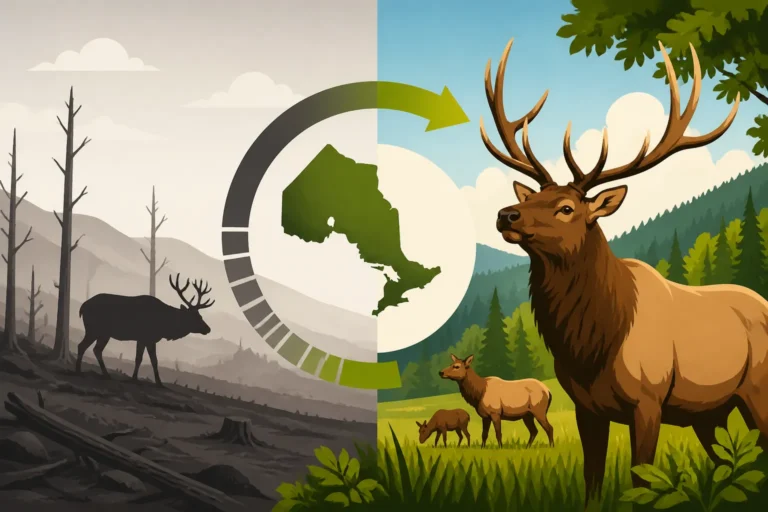
The challenges facing Ontario's moose populations are undoubtedly complex, ranging from the pervasive impacts of climate change and parasites like winter ticks and brainworm, to the ongoing dynamics of habitat and predation. Yet, as we've explored, the province is far from sitting idle. Through a combination of rigorous scientific research, adaptive harvest management, strategic habitat restoration, diligent disease surveillance, and vital public and hunter engagement, Ontario is working tirelessly to secure a healthy future for this majestic species. It’s a marathon, not a sprint, demanding continuous effort, learning, and collaboration from everyone who values the wild heart of our northern landscapes. The future of Ontario's moose depends on these ongoing commitments, ensuring that this iconic animal continues to grace our forests for generations to come.
Disclaimer
The information provided in this guide is for general informational purposes only and is subject to change. Hunting regulations, seasons, and licensing requirements in Ontario are determined by the Ministry of Natural Resources and Forestry (MNRF) and can be updated annually. It is the hunter's responsibility to consult the most current Ontario Hunting Regulations Summary and other official MNRF publications before participating in any hunting activities. Always prioritize safety, ethical hunting practices, and compliance with all provincial and federal laws.