How Winter Ticks Affect Moose Survival
For many of us who cherish Ontario’s wild spaces, the sight of a majestic moose is an absolute privilege. These iconic giants symbolize the rugged beauty of our northern forests. However, underneath that formidable exterior, moose in Ontario face a silent, insidious threat that’s significantly impacting their health and survival: the winter tick. This guide will walk you through exactly what these tiny parasites are, how they wreak havoc on moose, and what these impacts mean for the future of Ontario’s beloved herds.
The Unseen Enemy: Understanding the Winter Tick's Grip on Ontario Moose
Imagine facing thousands, or even tens of thousands, of parasites feeding on you daily for months. That's the grim reality for many moose in Ontario each winter. Unlike the more commonly known deer ticks that carry Lyme disease and drop off their host, winter ticks (also known as Dermacentor albipictus or moose ticks) spend almost their entire life cycle on a single animal. This unique strategy makes them particularly devastating.
The Single-Host Life Cycle of the Winter Tick
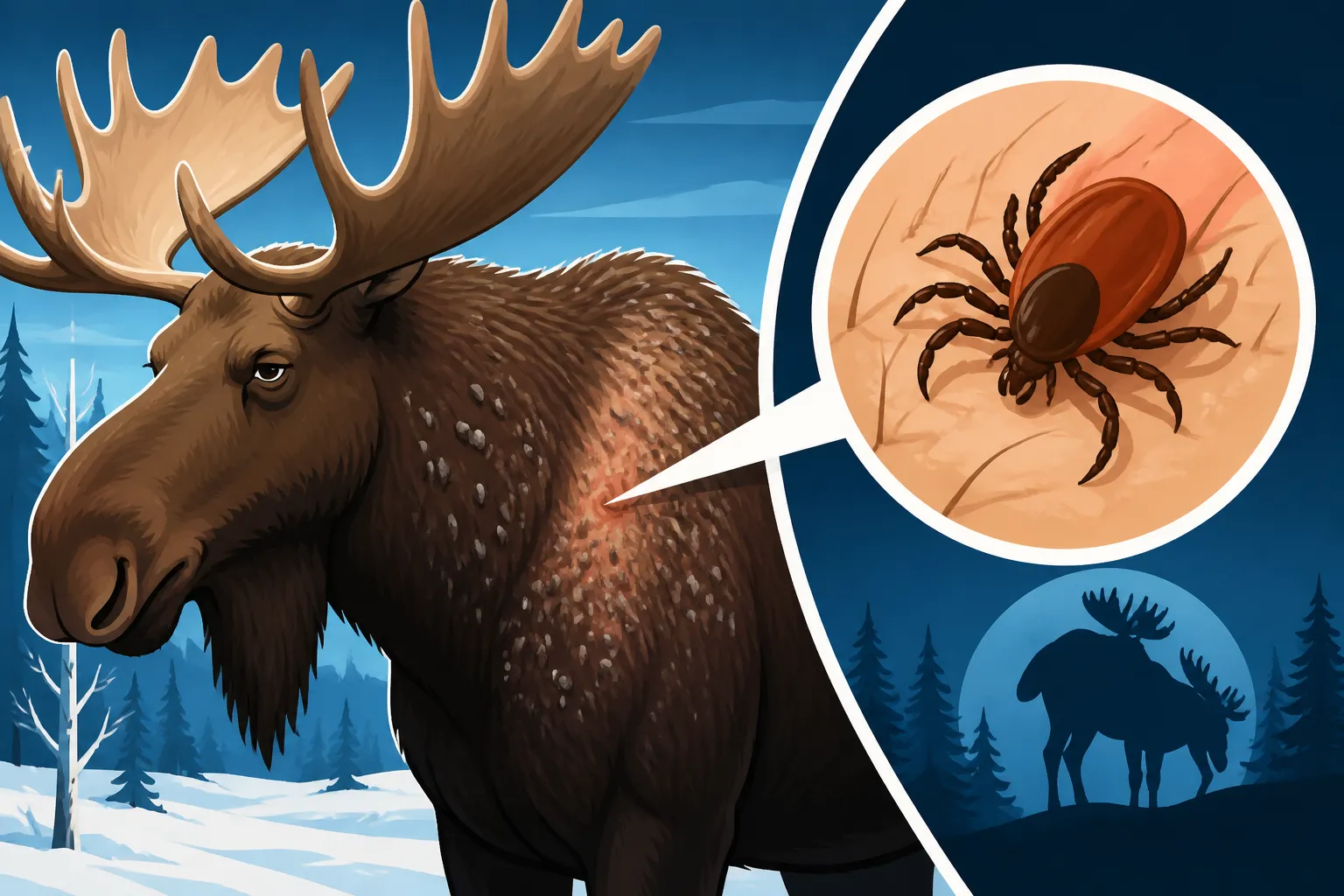
The winter tick's life story is a fascinating, albeit grim, one for moose. It all begins in the late summer or early fall when microscopic tick larvae emerge from the leaf litter and climb onto vegetation, eagerly awaiting a host. When a moose brushes past, hundreds, if not thousands, of these tiny larvae latch on. They spend the entire fall, winter, and early spring on that single moose. Over these months, they feed, molt into nymphs, feed again, molt into adults, mate, and feed one last time. By late winter and early spring, these engorged adult female ticks drop off the moose, lay thousands of eggs in the soil, and then die. This cycle is perfectly synchronized with the moose’s presence in the forest and its annual movements. The problem isn't usually one or two ticks; it's the sheer, mind-boggling volume of them. A single moose can carry tens of thousands, sometimes over a hundred thousand, of these blood-sucking parasites. This incredible density is where the real trouble begins for Ontario's Moose Population Decline.
Why Moose Are So Vulnerable to Winter Ticks
Unlike deer, which are also hosts for winter ticks but seem to manage infestations more effectively, moose appear to be uniquely susceptible. One major reason is their grooming habits. Moose aren't as effective at removing ticks through grooming as deer are. Their coarse, dense winter coat, while excellent for insulation, provides ample cover for ticks, and their short necks and limited flexibility make it difficult for them to reach many areas where ticks congregate. Furthermore, the timing of the tick's life cycle means they are active and feeding throughout the harshest months of the year, when moose are already under environmental stress. Knowing What Moose Eat Through the Year shows that while forage is critical, the energy drain from ticks is a constant, year-round problem.
Direct Impacts: From "Ghost Moose" to Weakened Individuals
The visible and internal effects of a heavy winter tick infestation on a moose are severe and often fatal. Hunters and wildlife observers in Ontario have become familiar with the tragic sight of "ghost moose" – a stark indicator of the tick's devastating work.
The "Ghost Moose" Phenomenon and Hair Loss
One of the most striking and heartbreaking signs of a heavy winter tick infestation is the phenomenon of the "ghost moose." As the ticks feed and grow, they cause intense itching. A moose, desperate for relief, will rub, scratch, and chew at its hide, often pulling out large patches of its distinctive dark guard hairs. By late winter and early spring, heavily infested moose can appear mottled, patchy, or almost entirely white, giving them their ghostly appearance. This isn't just a cosmetic issue. The loss of their insulating winter coat leaves them vulnerable to hypothermia, especially during late winter cold snaps or unseasonably cold spring weather. Imagine trying to survive a northern Ontario winter without your thickest coat – that's the struggle these moose face. This loss of insulation compounds the energy drain already occurring.
Blood Loss, Anemia, and Behavioral Changes
Beyond the visible hair loss, the most direct and dangerous impact of winter ticks is blood loss. Thousands of ticks continually feeding on an animal for months can lead to severe anemia. This chronic blood loss weakens the moose considerably, making them lethargic and less able to cope with the demands of their environment. This is especially critical when you consider Why Ontario Moose Numbers Fell. An anemic moose has less energy to forage for food, evade predators, or even simply move through deep snow. Their compromised health can make them more susceptible to other diseases and significantly increase their vulnerability to predators like wolves. Researchers using tools like GoHunt can often track moose movements, and observations have noted that tick-infested moose often exhibit reduced activity and spend more time trying to groom themselves rather than feeding or resting.
Impact on Calf Survival and Reproduction
Calves are particularly vulnerable to winter ticks. Their smaller body size means they have less blood volume to spare, and they are less resilient to the energy drain. Heavy infestations can lead to high calf mortality rates, drastically reducing the number of young moose that survive to adulthood. This directly impacts the long-term health and growth of the overall moose population. Furthermore, cows carrying heavy tick loads are often in poor body condition, which can affect their ability to carry a pregnancy to term or successfully raise a calf. A cow that is severely weakened from ticks may not even be able to conceive. This continuous cycle of poor health and reduced reproductive success plays a significant role in What a Hard Ontario Winter Culls within the moose population. Understanding What a Big Bull Moose Weighs gives perspective to the sheer scale of the animal being affected; even these massive creatures can be brought low by tiny parasites.
Broader Ecological Ramifications for Ontario's Moose Herds
The impact of winter ticks extends far beyond individual moose. It's a significant factor in the broader health and sustainability of Ontario's moose populations, influencing everything from population dynamics to predator-prey relationships.
Population Decline and Recruitment Issues
Winter ticks are a major contributing factor to the observed declines in moose populations across parts of Ontario and other regions. While there isn't a single cause for moose decline, the pervasive and consistent pressure from winter ticks, particularly on calves, significantly reduces the recruitment rate—the number of new individuals entering the adult population. If more calves die from tick infestations than are born and survive to breeding age, the population will inevitably shrink. This adds immense stress to conservation efforts aimed at stabilizing or growing moose numbers. Understanding How Ontario Counts Its Moose becomes even more critical when factoring in this persistent threat, as accurate population data is essential for management decisions.
Climate Change and the Intensification of the Problem
Perhaps one of the most concerning aspects of the winter tick problem is its link to climate change. Milder, shorter winters and earlier springs in Ontario mean that ticks have a longer window to emerge, find a host, and complete their life cycle. A late, heavy snowfall that quickly gives way to warm spring weather can be particularly bad, as ticks drop off and survive more successfully, leading to higher populations of larvae the following fall. The extended feeding season for ticks translates directly to a longer period of blood loss and stress for moose. This dynamic highlights What Climate Shift Means for Ontario Game, and underscores how environmental shifts can amplify existing biological threats. Hunters often use tools like GoHunt to monitor weather patterns and plan their trips, and these climate trends are certainly impacting moose range and health.
Ecosystem Stress and Predator-Prey Dynamics
A weakened moose population due to tick infestations also has ripple effects throughout the ecosystem. Moose are a keystone species, and their decline can affect everything from forest regeneration to predator populations. For instance, predators like wolves may find it easier to take down a tick-weakened moose, altering their hunting patterns and potentially impacting wolf numbers in the long run. While direct predation is a natural part of the ecosystem, ticks can shift the balance by making a naturally formidable prey animal unnaturally vulnerable. This vulnerability is a key factor in why moose numbers swing across the province, as multiple stressors can compound each other.
Mitigating the Threat: Research, Management, and Hunter Contributions
Addressing the winter tick problem is complex. There's no easy "cure" or broad-scale treatment for wild moose populations. However, ongoing research, habitat management, and hunter cooperation are crucial in understanding and mitigating this significant threat.
Research and Monitoring Efforts
Scientists and wildlife managers in Ontario are actively studying winter ticks and their impact on moose. This includes tracking moose movements, monitoring tick loads, and assessing moose health. Research often focuses on understanding the exact environmental conditions that favour tick outbreaks and how these can be influenced. Data collected from hunter harvests, such as observations of hair loss or general condition, is incredibly valuable in these monitoring efforts. GoHunt can be a helpful platform for hunters to familiarize themselves with wildlife management units and understand broad moose distribution, though specific tick incidence data is often collected by provincial biologists.
Habitat Management and Forest Health
While directly controlling ticks in the wild is challenging, habitat management plays a role. Creating diverse forest landscapes with a mosaic of forest types and age classes can influence moose density and movement patterns, potentially reducing opportunities for tick transmission. A healthy forest ecosystem supports robust wildlife populations that are better able to withstand environmental stressors. Thinking about Scouting a Wildlife Management Unit might involve looking for areas with diverse forage and cover that could help moose maintain better health, even if it doesn't directly remove ticks.
The Hunter's Role in Data Collection
Hunters are often the eyes and ears on the ground and play a vital role in wildlife management. When you're out Moose Hunting Ontario's Northern Bush, observing the condition of the moose you see or harvest provides valuable information. Reporting observations of "ghost moose" or collecting specific samples if requested by wildlife agencies can contribute significantly to ongoing research. Your diligence in Reporting Your Ontario Harvest isn't just about compliance; it's about contributing to the bigger picture of wildlife health. While there's no magic bullet for winter ticks, a combination of scientific understanding, thoughtful management, and dedicated observation from those who spend time in moose country is our best hope for helping these magnificent animals thrive. Knowing the signs of tick-infested moose and reporting them through appropriate channels can aid researchers in understanding the spread and intensity of this critical issue.
| Impact Category | Specific Effects on Moose | Severity | Contributing Factors |
|---|---|---|---|
| Physical Health | Extreme blood loss (anemia), hair loss (ghost moose), hypothermia | High | High tick loads, single-host cycle, harsh winter weather |
| Behavioral | Excessive grooming, reduced foraging, lethargy, increased stress | Medium | Constant irritation, energy depletion |
| Reproduction | Reduced conception rates, poor maternal condition | Medium | Energy drain affecting body condition |
| Calf Survival | High mortality rates in young moose | Very High | Small body size, less resilience, immune system development |
| Population | Overall decline in moose numbers, reduced recruitment | High | Compounded individual impacts, environmental stressors |
Disclaimer
This article is for general informational purposes only and does not constitute professional advice. Laws, prices and regulations vary by location and change over time. Consult a qualified professional for guidance on your specific situation.