Why Ontario Moose Numbers Fell
It’s a feeling many Ontario hunters know all too well: the worry in your gut when you head into the bush, hoping to hear that familiar crash or spot a dark shape through the trees, only to come up empty handed, again. For years now, the whispers and anecdotes have been growing louder, and the data confirms it – Ontario’s moose numbers have been on a noticeable decline in many parts of the province. This isn't just about drawing a tag; it's about the health of our wilderness and the future of a cherished tradition. This guide aims to pull back the curtain on why this iconic symbol of the Canadian North has been struggling, diving deep into the challenges moose face and what’s being done to help them.
The Shrinking Herd: A Historical Look at Ontario's Moose Population
For generations, moose have been a cornerstone of Ontario's northern ecosystems, a truly majestic species that represents the wild heart of our province. But over the last few decades, a worrying trend has emerged: a decline in the overall moose population across many traditional ranges. It's a complex issue, not a simple one-off event, and it manifests differently in various regions. Hunters who've spent their lives pursuing these magnificent animals have seen it firsthand – fewer tracks, quieter rutting grounds, and an ever-increasing challenge to secure one of those coveted tags.
Historically, moose thrived in Ontario’s vast boreal forests and wetland systems. Their numbers ebbed and flowed with natural cycles, but they generally maintained robust populations. However, starting in the late 1990s and becoming more pronounced in the 2000s, biologists and hunters alike began to notice a sustained downward trend. This wasn't just a slight dip; in some Wildlife Management Units (WMUs), the population drops were significant, leading to a tightening of hunting opportunities and a deep concern for the species’ long-term viability. For those passionate about Moose in Ontario's Boreal Forest, this decline isn't just about hunting; it's about the health of the entire ecosystem.
The frustration is palpable among those who have seen the prime moose habitat slowly change. We’ve gone from reliable spots to having to work harder and harder, often relying on detailed scouting and tools like GoHunt to pinpoint remaining pockets of activity. This broader trend isn't limited to just a few areas; it’s a province-wide concern that has prompted significant research and changes in how the species is managed. Understanding the 'why' behind this decline is the first step toward finding sustainable solutions and ensuring that future generations can still experience the thrill of a moose hunt.
Primary Factors Driving Moose Declines in Ontario
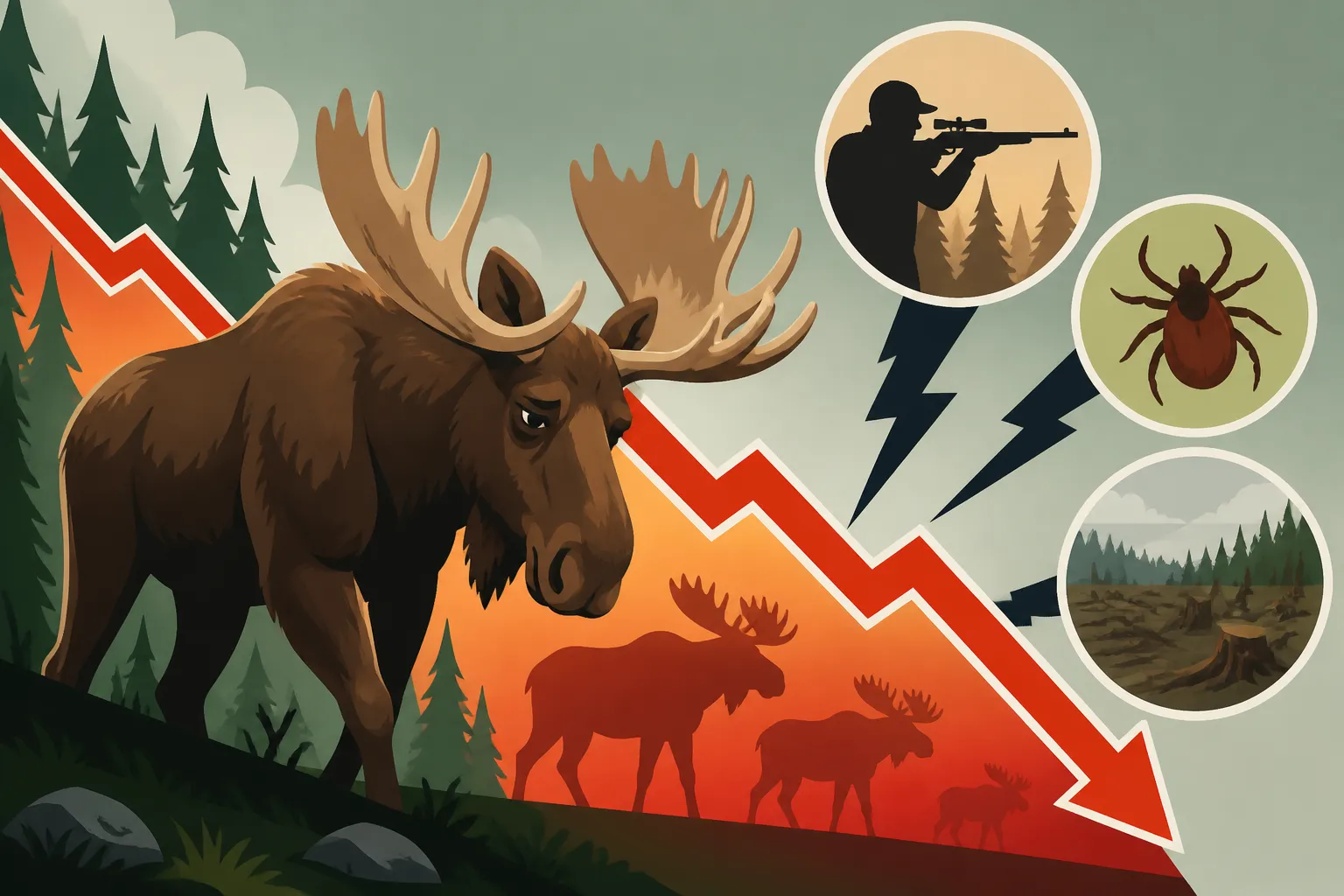
The reasons behind the decline in Ontario's moose population are multifaceted, a complex web of environmental changes, ecological interactions, and human impacts. There isn't a single "smoking gun," but rather a combination of pressures that collectively put stress on moose populations, particularly calves and vulnerable adults. It's truly a perfect storm of challenges, making it tough for these animals to thrive as they once did.
The Menace of Winter Ticks
Perhaps one of the most significant and talked-about threats to moose populations today is the winter tick (Dermacentor albipictus). While ticks have always been a part of the environment, milder, shorter winters have led to an explosion in their numbers and survival rates. Here's how it plays out:
- Life Cycle and Impact: Winter ticks infest moose by the tens of thousands, sometimes even over a hundred thousand on a single animal. They latch on in the fall, feed all winter, and drop off in the spring. This constant blood loss, especially over the long winter months, severely weakens moose. Calves are particularly vulnerable, often succumbing to anemia, hypothermia, or secondary infections. Adults can also be severely impacted, leading to reduced body mass, poor reproductive success, and increased susceptibility to other stressors.
- Ghost Moose Phenomenon: The classic sign of a heavily tick-infested moose is the "ghost moose" appearance. Animals will rub off large patches of hair trying to relieve the intense itching, leaving them with patchy, white-looking coats and exposed skin. This loss of insulation makes them more vulnerable to the cold, further compounding their energy drain.
- Climate Connection: The direct link to climate change is undeniable. Warmer fall temperatures extend the period when tick larvae are active and can successfully find a host. Milder winters also mean more ticks survive until spring, ready to drop off and reproduce. This creates a vicious cycle, as each successive year can bring even higher tick burdens. This phenomenon highlights why understanding How Winter Ticks Affect Moose Survival is critical for conservation efforts.
The Threat of Brainworm
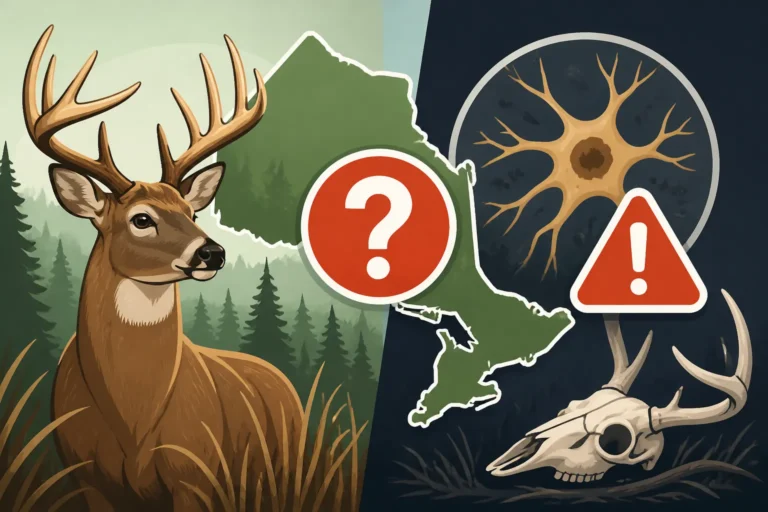
Another insidious threat to moose, particularly in areas where their range overlaps with white-tailed deer, is brainworm (Parelaphostrongylus tenuis). This parasite, while generally harmless to deer, is deadly to moose.
- Deer as Carriers: White-tailed deer are the definitive host for brainworm. They carry the parasite without showing significant symptoms. The adult worms live in the meninges (membranes around the brain and spinal cord) of deer, and their eggs are passed in the deer's feces.
- Moose Susceptibility: Snails and slugs consume the deer feces and become intermediate hosts. When a moose inadvertently ingests these infected snails or slugs (often while browsing on vegetation), the parasite migrates to its central nervous system. Unlike in deer, the parasite's migration through the brain and spinal cord of a moose causes severe neurological damage.
- Symptoms and Outcome: Moose infected with brainworm can exhibit a range of neurological symptoms, including loss of coordination, circling behavior, weakness, blindness, and eventually paralysis and death. It's a tragic end for these animals, and it’s especially concerning as deer populations expand northward, bringing brainworm into new moose territories. Hunters and land managers increasingly need to understand What Brainworm Does to Moose to grasp the full scope of this threat.
Habitat Loss and Fragmentation
Moose are creatures of the forest, relying on specific habitat types for food, cover, and refuge from predators and extreme weather. Changes to their habitat, whether through natural processes or human activity, can significantly impact their numbers.
- Forest Succession and Logging Practices: Moose thrive in early successional forests – areas that have been recently disturbed by fire or logging, leading to a flush of young deciduous growth (like willow, aspen, and birch) which is their primary browse. However, if logging practices don't create a mosaic of these diverse age classes, or if large areas mature into dense, uniform stands of conifer, the quality and quantity of moose forage can decline. This isn't to say logging is all bad; it's about the type and scale. For instance, understanding How Logging Cutblocks Change Deer Range can give insights into how similar changes impact moose, too.
- Human Development and Infrastructure: As human populations expand, so does the footprint of development – roads, towns, resource extraction sites. These activities can fragment existing moose habitat, making it harder for moose to move freely, find mates, and access critical resources without encountering human disturbance or increased risk of vehicle collisions.
- Wildfire Dynamics: Historically, natural wildfires played a crucial role in rejuvenating moose habitat by creating vast areas of regenerating forest. While fire suppression is vital for protecting communities, it has also altered the natural fire regime in some areas, potentially reducing the scale of habitat renewal that moose benefit from. Conversely, uncontrolled large wildfires can temporarily devastate habitat, pushing moose into new, often less ideal, areas.
Predation Pressures
While predation is a natural and healthy part of any ecosystem, an imbalance can put additional pressure on vulnerable moose populations, especially when other factors like ticks and disease are already weakening them.
- Wolf Populations: Wolves are the primary natural predators of moose, and their populations are intrinsically linked. When moose numbers are healthy, wolf predation helps to keep the herd strong by culling the old, sick, or weak. However, when moose populations are already struggling due to other factors, sustained wolf predation, particularly on calves, can hinder recovery and exacerbate declines. It becomes a significant concern when calf survival rates drop consistently low.
- Bear Predation: Black bears are also opportunistic predators of moose calves, especially in the spring. While they don't typically take down adult moose, a high density of bears in calving areas can significantly impact calf survival, especially if the cows themselves are stressed and in poor condition from a hard winter or heavy tick loads.
Climate Change and Heat Stress
Beyond just aiding ticks, broader climate change impacts can directly affect moose health and survival.
- Heat Stress: Moose are cold-adapted animals with dense coats and a high metabolic rate. They begin to experience heat stress at relatively low temperatures (around 14-20°C or 57-68°F), especially if they are active. Warmer summer temperatures, longer heatwaves, and reduced access to thermal refugia (like shaded forests or wetlands) can lead to increased energy expenditure, reduced foraging, and heightened stress levels. This chronic stress can weaken their immune systems and make them more susceptible to disease and parasites. We're seeing more and more how What Climate Shift Means for Ontario Game is a significant factor.
- Forage Quality: Changing weather patterns, including unpredictable rainfall and temperature fluctuations, can impact the growth and nutritional quality of vegetation moose rely on for food. Droughts can reduce forage availability, while altered growing seasons can change the timing of when nutritious browse is available.
Management and Conservation Efforts
Recognizing the severity of the moose population decline, the Ontario government and various conservation partners have implemented a range of management and conservation strategies aimed at stabilizing and, where possible, increasing moose numbers. This isn't a quick fix, but a long-term commitment requiring adaptive management and ongoing research.
Adaptive Hunting Management
One of the most direct and immediate responses to declining moose populations has been the adjustment of hunting regulations. This is often the most visible change for hunters and sometimes the most frustrating, as it directly impacts their opportunities.
- Reduced Tag Allocations: In WMUs where moose populations are struggling, the number of tags issued for both bull and cow moose has been significantly reduced. In some cases, antlerless tags have been completely eliminated to protect breeding females and allow the population to rebound. For hunters keen to understand the process, delving into Ontario's Moose Tag Allocation Process reveals the complex system at play.
- Increased Survey Efforts: To make informed decisions, biologists rely on accurate population data. Aerial surveys, often conducted using sophisticated technology, are used to estimate moose densities and health across different WMUs. This helps managers understand where populations are stable, declining, or showing signs of recovery. These surveys, and the data they provide, are crucial for effective adaptive management, including how they determine How Ontario Counts Its Moose.
- Research and Monitoring: Ongoing research into moose health, habitat use, and the specific impacts of ticks, brainworm, and climate change is vital. This includes tracking individual moose with GPS collars to understand their movements, survival rates, and causes of mortality. The data gathered helps refine management strategies and identify priority areas for intervention.
Habitat Enhancement and Protection
Healthy moose require healthy habitat. Conservation efforts also focus on improving and protecting the critical environments that moose depend on throughout their annual cycle.
- Forest Management Planning: Working with forestry companies to encourage logging practices that create diverse age classes of forest, particularly promoting early successional deciduous growth that moose browse on. This includes planning for smaller, more dispersed cuts and considering moose habitat needs during forest renewal efforts.
- Wetland Conservation: Protecting and restoring wetland areas, which are crucial for moose, especially in summer for thermal cover, water, and aquatic vegetation. These areas also provide refuge from biting insects.
- Controlled Burns and Prescribed Fire: In some suitable landscapes, the strategic use of prescribed fire is being explored or implemented to mimic natural disturbance patterns, creating the regenerating habitat that moose thrive on. This is a complex tool, requiring careful planning and execution, but it can be highly effective in the right context.
Education and Collaboration
Addressing the challenges facing moose requires a collective effort, involving hunters, landowners, Indigenous communities, and the broader public.
- Hunter Education: Educating hunters on proper carcass disposal to prevent the spread of diseases like CWD (though not currently identified in Ontario moose) and encouraging participation in mandatory harvest reporting to provide valuable data.
- Public Awareness Campaigns: Raising awareness among the general public about the threats to moose, particularly those related to climate change and the expansion of white-tailed deer into moose range, to foster broader support for conservation initiatives.
- Partnerships: Collaborative efforts with Indigenous communities, who hold deep traditional knowledge of moose and their habitats, are critical. Sharing knowledge and integrating traditional ecological understanding with scientific research strengthens conservation outcomes. Organizations like GoHunt also play a role in connecting hunters with educational resources and mapping tools that can help them understand habitat and regulations better.
What Hunters Can Do to Help
While government agencies and scientists lead many of these efforts, individual hunters also have a vital role to play in the conservation of Ontario's moose. Our passion for the outdoors and direct connection to the resource make us invaluable allies.
Be Informed and Ethical
- Understand Regulations: Stay up-to-date on current hunting regulations, tag allocations, and any specific rules for the WMU you intend to hunt. Regulations are often adjusted based on population data, and compliance is essential for effective management. For a deep dive into specific season dates, check out resources like Ontario Gun Season Dates.
- Report Your Harvest: Mandatory harvest reporting is not just a bureaucratic step; it provides crucial data for biologists to assess population trends, calculate success rates, and make informed decisions about future tag allocations. Even if your hunt isn't successful, that information is still valuable.
- Practice Ethical Hunting: Aim for clean, humane shots to minimize wounding loss. Respect bag limits and species-specific rules. Ethical hunting ensures that every animal harvested contributes meaningfully to management and is not wasted.
Support Research and Monitoring
- Report Sick or Dead Animals: If you encounter a moose exhibiting unusual neurological symptoms (like stumbling, circling, or unusual aggression) or find a dead moose under mysterious circumstances, report it to the Ministry of Natural Resources and Forestry (MNRF). This information can help track disease outbreaks and identify new threats.
- Participate in Citizen Science: Some conservation initiatives welcome public participation in data collection, such as reporting observations of moose, deer, or even tick loads. Stay tuned to MNRF announcements for opportunities to contribute.
- Advocate for Conservation: Support organizations and policies that prioritize moose research, habitat protection, and responsible wildlife management. Your voice as a hunter carries weight.
Respect the Resource
- Minimize Disturbance: When scouting or hunting, strive to minimize your impact on the environment. Pack out what you pack in, respect private property, and avoid unnecessary disturbance to wildlife.
- Long-Term Perspective: Embrace the long view of conservation. While reduced tag allocations can be disappointing in the short term, they are often necessary steps to ensure healthy moose populations for future generations. Our goal isn't just a successful hunt this year, but a vibrant ecosystem for decades to come.
By understanding the complex challenges facing Ontario's moose and actively participating in their conservation, we can all contribute to ensuring that this magnificent species continues to roam our northern forests for a long, long time. The future of Ontario's moose relies on our collective dedication and stewardship.
Comparing Key Factors in Moose Decline
To recap, here's a look at the major factors contributing to the decline in Ontario's moose population and their primary mechanisms:
| Factor | Primary Mechanism | Impact on Moose | Mitigation Efforts |
|---|---|---|---|
| Winter Ticks | Milder winters prolong tick activity; massive infestations | Anemia, hypothermia, reduced health, calf mortality | Research on tick control, adaptive hunting management |
| Brainworm | Expanding deer range brings parasite into moose habitat | Fatal neurological damage | Deer management in transition zones, research |
| Habitat Change | Forest succession, unsustainable logging, fragmentation | Reduced browse, less cover, restricted movement | Adaptive forest management, wetland protection, prescribed fire |
| Predation | Wolf and bear pressure, especially on vulnerable moose | Increased mortality, particularly for calves | Adaptive hunting management (tag reductions, calf protection) |
| Climate Change | Heat stress, altered forage, extended tick season | Weakened immune systems, reduced reproduction, stress | Habitat management (thermal cover), broader climate action |
Disclaimer
This article is for general informational purposes only and does not constitute professional advice. Laws, prices and regulations vary by location and change over time. Consult a qualified professional for guidance on your specific situation.