What Moose Eat Through the Year
Hunters often find themselves pondering the seemingly mysterious dietary habits of Ontario moose. Understanding what these majestic animals eat, and when, isn't just a matter of curiosity; it's a crucial piece of the puzzle for anticipating their movements, identifying prime habitat, and ultimately, planning a successful hunt. This guide will break down the year-round menu of the Ontario moose, from the first shoots of spring to the lean browse of winter, offering insights into their nutritional needs and how they forage across our diverse landscapes. Knowing their seasonal preferences will give you a significant advantage in the bush, helping you locate these incredible animals and understand their daily routines.
Spring: The Burst of Green and Nutrient Recovery
After a long, hard winter, spring is a critical time for moose. Their bodies are often depleted, and the arrival of new, nutrient-rich growth is a welcome relief. This period is all about recovery and rebuilding.
From Bark to Buds: Early Season Delicacies
As the snow recedes and the days lengthen, the first signs of green are a beacon for hungry moose. They transition from a diet of sparse woody browse and bark, which sustained them through the lean months, to highly digestible, protein-rich young shoots and buds. Aspen, willow, and birch are absolute magnets during this time. You'll see their small, emerging leaves and tender new stems stripped clean in areas where moose have been feeding. This early forage helps to clear out their digestive systems, which have been working hard on tough woody material all winter. If you're out scouting in late April or early May, pay close attention to the tips of young deciduous trees and shrubs; fresh browse marks are a sure sign moose are in the area, taking advantage of this nutritional burst. They are desperate for readily available energy and protein to kickstart their recovery after the rigours of winter.
The Allure of Emerging Aquatic Vegetation
While terrestrial greens are important, the appeal of aquatic vegetation begins almost as soon as the ice leaves the water. The first green plants to emerge in shallow ponds, marshes, and slow-moving rivers are incredibly rich in protein and essential minerals that moose crave. Pondweed and water-lily sprouts are among the earliest to appear, and moose will wade into chilly waters to access them. These early aquatic plants represent a significant nutritional upgrade and are a key reason why moose will frequent marshy edges and beaver ponds during spring. Understanding this can be vital for your scouting efforts; if you're looking for signs of early season moose activity, focus on these wetland transition zones. Knowing what these animals are seeking helps you predict their movements. This time of year often sees them pushing into areas where the water is just opening up, eager for those fresh, succulent greens. Moose truly appreciate a good, accessible water feature, and you can learn more about finding them in such spots by exploring articles like Hunting Moose Around an Ontario Beaver Pond.
Summer's Feast: Aquatic Powerhouses and Deciduous Browse
Summer in Ontario is a time of incredible abundance for moose, offering a diverse menu that helps them pack on weight and, for bulls, grow impressive antlers. It’s when they can truly feast.
The Sodium Craze: Diving for Aquatic Plants
Perhaps the most iconic image of an Ontario moose in summer is one with its head submerged, feeding on the bottom of a lake or pond. This isn't just for a cool dip; it's a dedicated search for sodium, a vital mineral often scarce in terrestrial plants but abundant in aquatic vegetation. Water lilies (both leaves and rhizomes), pondweed, and mare's tail are prime examples of the aquatic banquet they enjoy. Moose can spend hours each day in the water, consuming vast quantities of these plants. This consistent intake of sodium is critical for their overall health, electrolyte balance, and for bulls, the rapid growth of their antlers. Without sufficient sodium, a bull moose simply cannot develop a large rack. Hunters often note that good moose country frequently boasts numerous water bodies, and this strong dietary preference for aquatic plants is a major reason why. Using a tool like GoHunt can help you identify these specific riparian zones or lowland areas where aquatic forage is most abundant, giving you an edge in locating prime summer habitat.
Terrestrial Browse: Sustaining Growth and Energy
While aquatic plants steal the spotlight for their mineral content, the land-based browse available in summer is equally critical for sustaining growth and providing general energy. Moose are voracious browsers, and they'll strip the leaves and young stems from a wide variety of deciduous trees and shrubs. Willow, red-osier dogwood, trembling aspen, white birch, and mountain ash are all heavily targeted throughout the summer months. These plants provide much-needed protein and carbohydrates to fuel their large bodies. A big bull moose, for instance, needs a tremendous amount of energy to maintain its impressive size and grow its antlers, and this is supplied by a combination of aquatic and terrestrial foods. You can imagine the sheer volume of vegetation a creature like that consumes daily. To understand more about the impressive scale of these animals, consider reading about What a Big Bull Moose Weighs. Moose are constantly moving through the bush, systematically working through patches of preferred browse, leaving tell-tale signs of their passage.
Fall: The Calorie Push and Winter Preparations
As summer wanes and the air grows crisp, moose enter a crucial phase of their annual cycle: preparing for winter. This involves a concerted effort to maximize caloric intake and build up fat reserves.
Maximizing Energy Reserves: Berries and Fungi
Autumn sees a shift in the moose's diet as they prioritize energy-dense foods. Berries become a significant part of their menu, offering a concentrated source of carbohydrates and sugars. Blueberries, cranberries, mountain ash berries, and rose hips are eagerly sought out and devoured. If you're scouting a clear-cut or an area recovering from a fire in September, and you find dense patches of berry bushes, look for heavy moose sign. They will spend considerable time in these areas, methodically stripping the plants. Fungi and mushrooms also play a role, providing additional nutrients and calories. This period is a race against time, as they need to accumulate enough fat to endure the coming cold and scarcity. They know instinctively that the more energy they store now, the better their chances of survival. GoHunt maps can pinpoint areas with dense berry patches or prime browsing habitat, giving you a valuable lead.
Sustained Browsing: Deciduous Leaves and Twigs
While berries offer a concentrated energy boost, moose continue their heavy consumption of deciduous leaves right up until leaf drop. As the leaves begin to brown and lose some of their nutritional value, moose gradually shift their focus more towards woody stems and twigs. This pre-winter browse is still more digestible and nutritious than the sparse woody material they will rely on exclusively during the deepest snows. The urgency to pack on fat is palpable in their feeding habits; they're driven to eat as much as possible, for as long as possible. During the rut, which typically occurs in the fall, bulls expend an immense amount of energy chasing cows and fighting rivals, making their pre-rut feeding even more critical for survival through the breeding season and into winter. This intense feeding helps fuel demanding periods like the rut, which you can learn more about in resources such as Calling a Bull Moose in the Rut.
Winter: The Art of Survival on Woody Browse
Winter is the leanest and most challenging time for moose in Ontario. Their diet becomes incredibly restricted, and survival hinges on their ability to find sufficient woody browse and conserve energy.
The Staple: Balsam Fir and Woody Twigs
When deep snow covers the ground, moose diet becomes almost exclusively woody browse. Balsam fir is often the most critical winter food source in many parts of Ontario's moose range, and its importance is often underestimated by those who think of it only as cover. Moose will systematically strip the needles and tender twigs from balsam fir trees, often leaving behind a distinct browse line. Alongside balsam fir, the woody twigs of willow, trembling aspen, mountain ash, and red-osier dogwood are primary food sources. The challenge, however, is access. Deep snow can limit the height at which moose can browse, forcing them to push through drifts or seek out areas where the snow is shallower. They are masters of adapting to these harsh conditions, often using ridges or sheltered areas where snow depth is less extreme. This struggle for food in winter is a common thread among northern cervids, as highlighted in discussions around Where Ontario Whitetails Yard in Deep Snow.
Secondary Winter Forage: Cedar and Other Conifers
While balsam fir is a go-to, other conifers can also provide sustenance during the harshest months. White cedar, though generally preferred by white-tailed deer, is eaten by moose when available, especially in areas where other browse is scarce. Moose will also browse on other conifers like spruce, though these species are typically less palatable and less nutritious. Consumption of these less preferred species often signals increased dietary stress or limited availability of preferred browse. The ability to find a varied winter diet, even if it's mostly woody, is crucial. If you're scouting winter range, for example, GoHunt can show you coniferous stands or areas with dense, accessible browse, particularly around the edges of swamps or sheltered valleys. These are often where moose will concentrate to conserve energy and find what little food is available. Hunters looking for wintering areas might also find value in understanding how moose use features like Hunting a Cedar Swamp Edge.
Nutritional Necessities: Why Moose Eat What They Eat
Understanding what moose eat is one thing, but knowing why they choose certain foods reveals much about their biology and the pressures they face. Their diet is a finely tuned system for survival and reproduction.
Sodium, Minerals, and Energy
Moose have specific nutritional requirements that drive their foraging behaviour. The relentless search for sodium is perhaps the most notable, particularly during the warm months when they consume copious amounts of aquatic plants. This sodium is vital for nerve and muscle function, and for bulls, it plays a direct role in antler growth. Beyond sodium, protein is essential for growth, tissue repair, and overall health, especially during the spring and summer when new vegetation is abundant. Carbohydrates and fats are critical for energy, providing the fuel needed for daily activities and, in the fall, building up reserves to insulate them against the cold and power them through the demanding winter. Without these specific nutrients, moose would struggle to thrive, affecting everything from their health to their reproductive success.
Habitat and Forage Availability: The Local Menu
The specific diet of an individual moose, or a localized population, is heavily influenced by the habitat it calls home. The vast boreal forest, with its diverse tree species, wetlands, and successional stages from logging or wildfire, directly dictates the available menu. For example, a moose living in an area with numerous beaver ponds will naturally have a higher proportion of aquatic plants in its summer diet than one in a drier upland forest. Forest regeneration is a huge factor; young, regenerating logging cuts provide an explosion of palatable browse for several years, making these areas moose magnets. Conversely, mature, dense forests offer less understory browse, pushing moose to seek out openings or younger stands. This regional variation in food sources also plays a role in overall population health and density, which ties into why understanding Moose in Ontario's Boreal Forest is so important for hunters.
Reading the Landscape: How Hunters Can Use Dietary Knowledge
For the savvy hunter, understanding the moose's annual diet isn't just academic; it's a powerful tool that can significantly improve your chances of success. It's about thinking like a moose and predicting their next meal.
Scouting for Food Sources
When you're out scouting, don't just look for tracks; look for evidence of feeding. Are the young aspen trees stripped? Are there fresh bite marks on willow shoots? Is there evidence of moose wading into a pond to feed on lilies? Identifying these preferred browse species, particularly those critical for the current season, will tell you exactly where moose are spending their time. In summer, focusing on wetlands and beaver ponds can be incredibly productive, as moose prioritize aquatic forage. As fall approaches, shift your attention to areas with abundant berries or dense pockets of deciduous browse. Using detailed satellite imagery available through tools like GoHunt can help you pinpoint these vital water bodies and surrounding cover even before you step foot in the bush, giving you a strategic advantage in your hunt planning. Knowing what they're after makes a world of difference.
Understanding Movement and Timing
Moose movements are not random; they are often dictated by their ceaseless search for food, as well as their need to escape biting insects or find thermal cover. Understanding their dietary patterns allows you to anticipate these movements. For example, during hot summer days, moose might move from upland browsing areas to cool, insect-free waters to feed on aquatic plants. In the fall, they might concentrate in areas with abundant berry crops before shifting back to woody browse. Knowing that moose often feed most actively during the cooler parts of the day – early morning and late evening – can help you time your hunts effectively. Learning how to identify Reading Sign After a Fresh Snow can reveal recent feeding activity and help you piece together their daily routines. Furthermore, habitat changes, like those found along Hunting an Old Logging Road in the North, often create ideal feeding grounds that attract moose. These insights into their diet and the driving forces behind their movements are fundamental to successful moose hunting in Ontario. What Ontario is doing for moose populations often centers around ensuring healthy habitats that can provide this varied and crucial diet, ensuring the future of these magnificent animals.
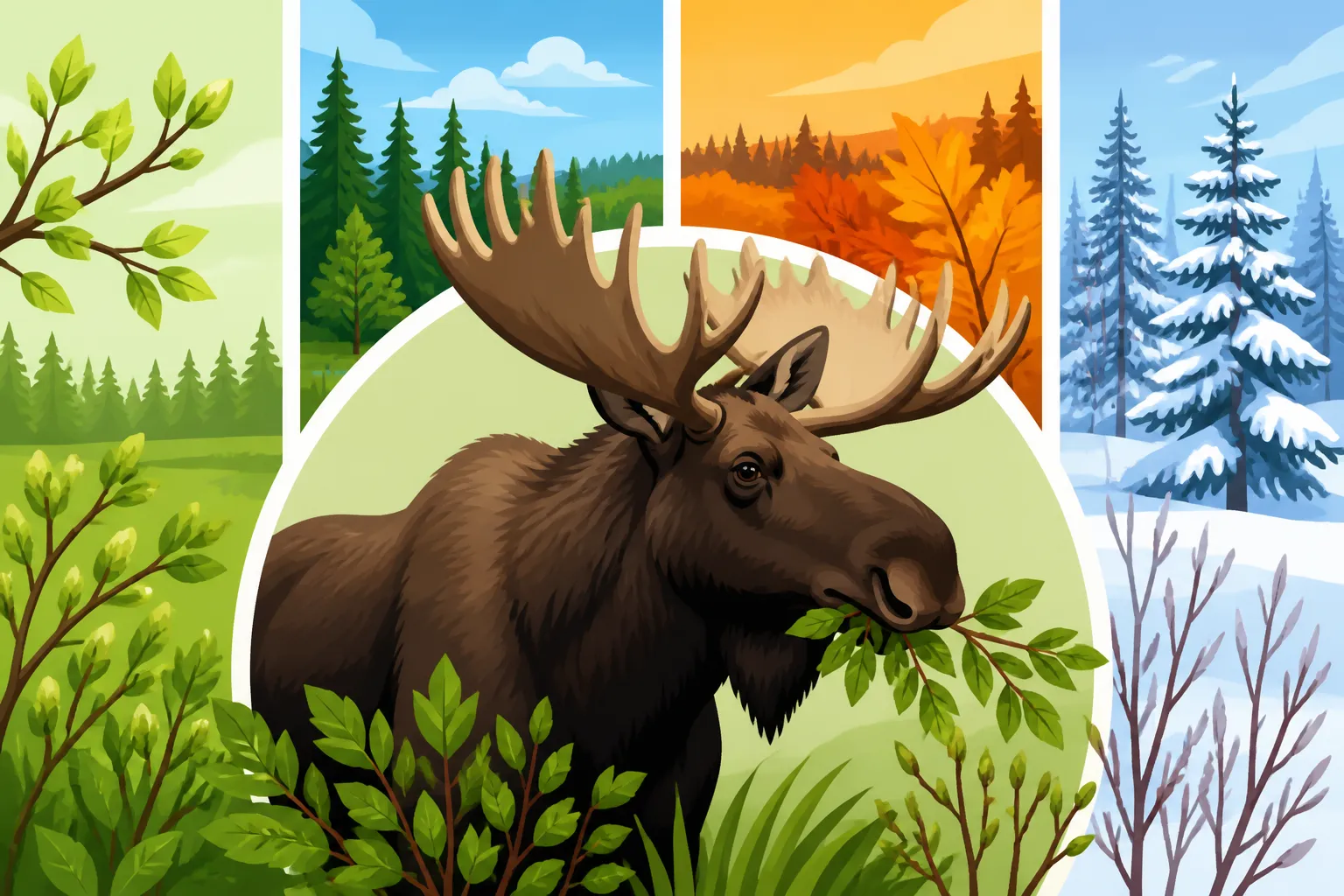
Seasonal Moose Diet Overview
Here's a quick look at the typical seasonal diet for moose in Ontario:
| Season | Primary Forage | Key Nutrients/Purpose | Habitat Focus |
|---|---|---|---|
| Spring | Young shoots, buds (aspen, willow, birch), emergent aquatic plants (pondweed, water lily) | Protein, quick energy, digestive cleanse | Recently logged areas, marsh edges, shallow ponds |
| Summer | Aquatic plants (water lilies, pondweed, mare's tail), deciduous leaves (willow, aspen, dogwood) | Sodium, minerals, protein, energy, growth | Lakes, ponds, slow rivers, dense deciduous stands |
| Fall | Berries (blueberry, cranberry), fungi, deciduous leaves/twigs (aspen, birch, maple) | High energy, fat reserves, rut fuel | Berry patches, regenerating clear-cuts, mixed forest |
| Winter | Woody browse (balsam fir, willow, aspen, mountain ash), white cedar, spruce | Sustenance, survival, energy conservation | Coniferous stands, dense browse areas, sheltered valleys |
Disclaimer
This article is for general informational purposes only and does not constitute professional advice. Laws, prices and regulations vary by location and change over time. Consult a qualified professional for guidance on your specific situation.