Ontario’s Record Wild Turkey
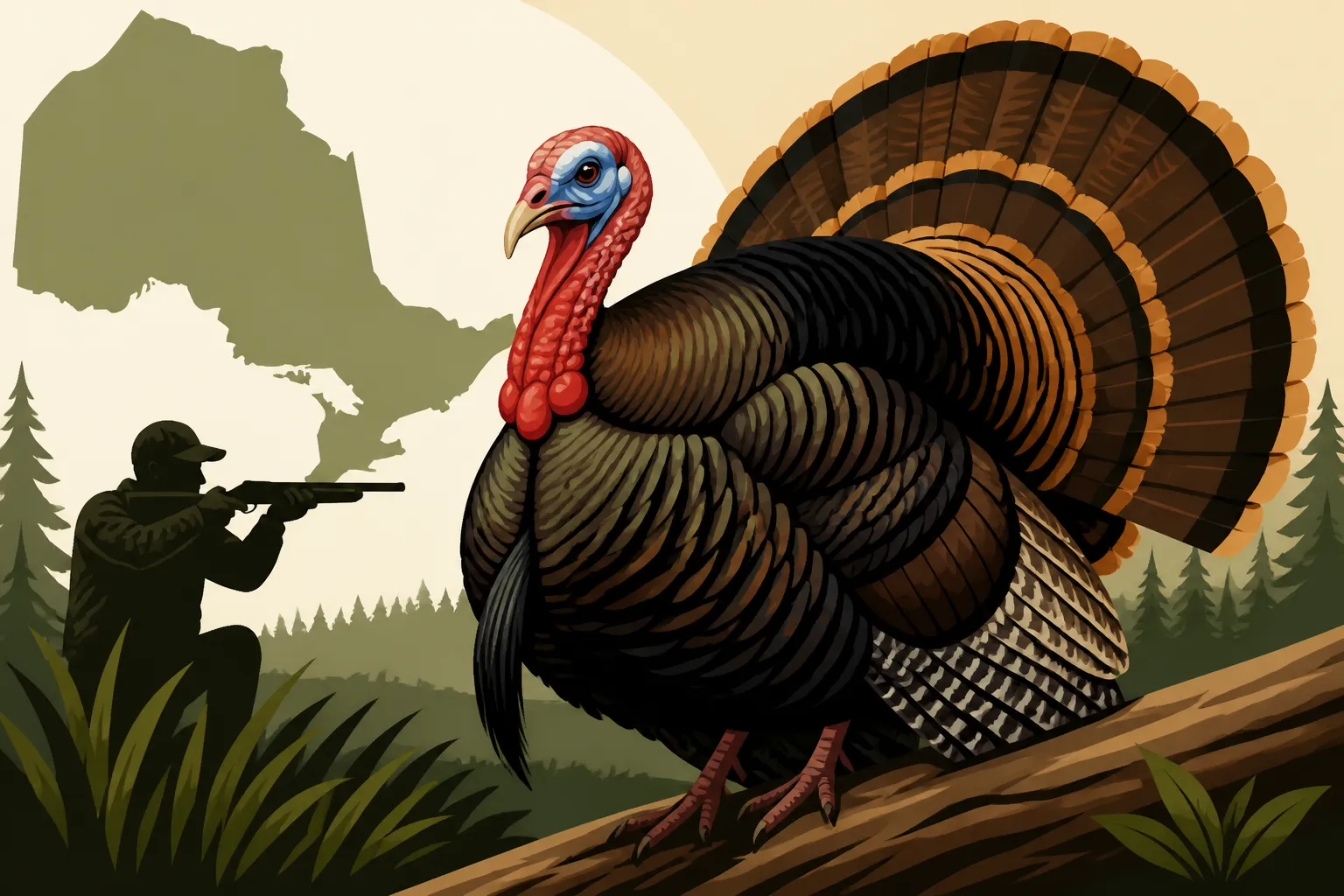
For many Ontario turkey hunters, the dream isn't just about filling a tag, it's about connecting with a truly exceptional bird – one that stands out in the memories and perhaps even in the unofficial record books. Trying to understand what makes a wild turkey a true "record" in our province, and what factors contribute to those impressive spurs and long beards, can feel like chasing a ghost if you don't know where to start. This guide aims to demystify what an Ontario record wild turkey looks like, how they're typically scored, and where you might just find that gobbler of a lifetime.
What Constitutes a Record Wild Turkey in Ontario
When we talk about a "record" wild turkey, it’s important to understand that in Ontario, there isn't one single, universally recognized official provincial record book exclusively for wild turkeys, similar to some deer scoring organizations. However, hunters often refer to the National Wild Turkey Federation (NWTF) scoring system as the gold standard for comparing birds. This system offers a clear, objective way to measure the key features of a gobbler and assign a score, allowing hunters to gauge just how impressive their harvest is against others. It’s the metric most serious turkey hunters use to evaluate a trophy.
The National Wild Turkey Federation Scoring System
The NWTF scoring system is pretty straightforward, and it focuses on three primary physical attributes of a gobbler: body weight, beard length, and spur length. Each of these components contributes to the overall score, giving a comprehensive picture of the bird's maturity and development. It’s not just about the heaviest bird, or the one with the longest beard; it’s a combination that truly defines a trophy.
For the NWTF score, here’s how it breaks down:
- Weight: The bird's field-dressed weight is taken to the nearest ounce. This number is then multiplied by 2.
- Beard Length: The length of the beard is measured in inches, from the follicle to the tip. This measurement is then multiplied by 10. If a bird has multiple beards, each one is measured, and those lengths are added together before being multiplied by 10. This is where birds with multiple impressive beards can really shine.
- Spur Length: Each spur is measured along its outside curve from the base where it emerges from the leg to its sharpest tip, recorded to the nearest sixteenth of an inch. These lengths are then added together.
The sum of these three components (double the weight, ten times the beard length, and the total spur length) gives you the final NWTF score. A truly exceptional Ontario gobbler will boast an impressive combination across all these categories, often pushing scores well into the 70s or 80s, sometimes even higher. It’s this combination that makes for a truly memorable bird.
Typical Versus Exceptional Gobbler Characteristics
To give you a better idea of what sets a regular gobbler apart from a potential record-breaker, let's look at some average characteristics and what constitutes a top-tier bird. Most hunters are thrilled to take any mature tom, but a "record" bird is in a league of its own.
A typical mature Ontario gobbler, say a 2-year-old tom, might weigh around 18-20 pounds, sport a 9-10 inch beard, and have spurs measuring around 3/4 to 1 inch. These are fantastic birds, providing an exhilarating hunt and delicious table fare.
However, a truly exceptional, older gobbler that could contend for "record" status will exhibit significantly more developed features:
| Characteristic | Typical Mature Gobbler | Exceptional / Record Potential Gobbler |
|---|---|---|
| Weight | 18-20 lbs | 22+ lbs (some can hit 25-28 lbs) |
| Beard Length | 9-10 inches | 11+ inches (12-14 inches not uncommon, multiple beards can stack up) |
| Spur Length | 0.75 – 1 inch | 1.25+ inches (1.5+ inches are rare and highly sought after, often sharp and curved) |
Birds pushing the upper limits of these exceptional categories are usually 3.5 years old or older. They've survived multiple hunting seasons and evaded predators, showcasing superior genetics and living in prime habitat that allows for maximum growth. The older a tom gets, the longer and sharper those spurs become, and often the beard length continues to grow, sometimes even branching into multiple strands.
Ontario's Wild Turkey Restoration Story and Habitat
Understanding where these magnificent birds come from helps us appreciate the scale of their return and why certain areas produce larger, older toms. Ontario's Wild Turkey Restoration Story is truly a conservation success. Once extirpated from the province by the early 1900s due to habitat loss and unregulated hunting, wild turkeys have made a phenomenal comeback thanks to dedicated efforts.
The Comeback Trail
The reintroduction efforts for wild turkeys in Ontario began in the mid-1980s, primarily through trap-and-transfer programs. Birds from states like Missouri, Michigan, and New York were released into suitable habitats across southern and central Ontario. These initial releases were incredibly successful, and the populations thrived, expanding naturally into new areas. It truly is a testament to what focused conservation can achieve.
Fast forward a few decades, and Wild Turkeys in Ontario are now a common sight in many parts of the province. Their population has grown to a healthy level, allowing for robust spring and fall hunting seasons. This success means that older, trophy-class birds have had the chance to mature, offering hunters opportunities that simply didn't exist for generations. The birds are resilient, and they've adapted well to the mosaic of agricultural land and woodlots that characterize much of their range.
Prime Habitat for Trophy Toms
The key to a big gobbler, beyond time, is prime habitat. Ontario offers a diverse landscape that supports healthy turkey populations, but some areas are undeniably better than others for growing large birds. Turkeys thrive in a mix of mature hardwood forests (especially those with oak and beech for mast crops), open fields for foraging and strutting, and dense cover for roosting and protection.
Regions with abundant agricultural fields interspersed with large, unbroken tracts of mature timber tend to produce the biggest birds. These areas offer a consistent, high-protein diet from waste grain, insects, and nuts, which directly translates to better body weight, spur development, and beard growth. Think about areas with plenty of corn, soybeans, and alfalfa next to rolling hardwoods – that's turkey paradise. You might find pockets like this in parts of southwestern Ontario, eastern Ontario's farm belt, or even some of the more settled regions of central Ontario. Using a good mapping tool like GoHunt can help you identify these transition zones between fields and forests, which are often key areas for turkey activity.
Factors Influencing Turkey Size and Trophy Quality
Several factors play a crucial role in a wild turkey's growth and its potential to become a record-class bird. It's not just luck; it's a combination of age, diet, genetics, and the environmental conditions they face throughout their lives.
Age: The Ultimate Trophy Ingredient
Without question, age is the single most important factor in a turkey's trophy quality. A young tom (jake) has very short spurs, typically less than half an inch, and a short beard. A 2-year-old gobbler will have spurs closer to an inch and a full beard. But for those truly impressive 1.5-inch spurs and 12-inch beards, you're almost certainly looking at a 3.5-year-old bird or older. These older birds are often referred to as "longbeards" for a reason. Learning Telling a Jake From a Longbeard is crucial for selective hunting.
Every year a gobbler survives, its spurs grow longer and sharper, and its beard continues to develop. These older birds are also often heavier because they've had more seasons to pack on weight. They are wily, having learned to evade predators and hunters alike, making them an even more prized trophy. Hunting these seasoned veterans often requires a different approach, more patience, and a deeper understanding of turkey behaviour.
Diet, Genetics, and Environmental Conditions
Beyond age, what a turkey eats and where it lives profoundly impacts its growth. A consistent, high-quality diet rich in protein and nutrients (from insects, seeds, and mast crops like acorns) allows a bird to reach its full genetic potential. Areas with strong agricultural influence, where waste grain is plentiful, can contribute to heavier birds with excellent beard and spur development.
Genetics also play a role, as some turkey bloodlines simply have the propensity for longer spurs, multiple beards, or larger body size. While hunters can't control genetics, understanding that some populations might consistently produce larger birds can help in scouting efforts.
Environmental conditions, such as mild winters or ample rainfall leading to lush vegetation, can also boost turkey health and growth. Conversely, severe winters with deep snow can be hard on turkey populations, limiting food access and potentially impacting their overall condition. This is Why Deep Snow Limits Turkey Range can affect the number of trophy birds available. A lack of predators can also contribute to more birds surviving to older ages, increasing the odds of finding a record-class tom.
Strategies for Pursuing a Trophy Gobbler
Chasing a record wild turkey requires more than just showing up during Ontario Spring Turkey Season Dates. It demands strategic planning, deep scouting, and often a level of persistence that can test even the most dedicated hunter. While luck always plays a part, putting yourself in the right place at the right time significantly increases your odds.
Intensive Scouting and Habitat Analysis
The pursuit of a record-class bird begins long before the season opens. Intensive scouting is paramount. This means spending time in the woods, even in the off-season, looking for signs of mature gobblers. Look for large tracks, impressive strut marks in dusty areas, substantial droppings, and significant scratchings. These are all indicators that big birds are frequenting an area.
Analyzing habitat with an eye for what trophy birds prefer is also key. Focus on areas where mature hardwoods meet open fields, especially those with good mast crop potential from oaks, hickories, and beech. Look for reliable water sources and good roosting trees – tall, sturdy trees near open areas where birds feel secure. Tools like GoHunt's satellite imagery and mapping layers can be incredibly useful for pinpointing these prime locations and identifying potential travel corridors. You can mark potential roosting sites, strutting zones, and feeding areas, building a comprehensive picture of where a trophy tom might be hanging out.
Patience, Persistence, and Smart Calling
Hunting trophy gobblers often means passing on younger birds and committing to a specific, challenging hunt. These older birds are notoriously wary and have likely heard every call in the book. This means your calling strategy needs to be subtle, realistic, and often less aggressive than you might use for a younger, more excitable tom. Sometimes, saying nothing at all, or just making soft clucks and purrs, is the most effective approach. Calling a Gobbler Off an Ontario Roost requires precision and understanding the bird's mood.
Patience is a virtue when a record bird is involved. Sitting still for extended periods in well-chosen setups, often with good concealment, is crucial. These older birds will often circle extensively before committing, or they may hang up just out of range, testing your resolve and your setup. Using decoys effectively can also be a game-changer; understanding Decoy Placement for Pressured Ontario Gobblers can help draw that wary tom into range. The goal isn't just to call a bird in, but to call that specific bird in, which often means being prepared to wait him out.
Documenting Your Ontario Record Wild Turkey
If you are fortunate enough to harvest a truly exceptional wild turkey in Ontario, documenting it properly is key, especially if you intend to have it scored under the NWTF system or simply want to remember all the details of your trophy.
Measurements and Photos in the Field
The moment of truth in the field can be exhilarating, but it's also when you need to be methodical. Before field dressing, if possible, get the bird's live weight. Otherwise, note its field-dressed weight as accurately as possible. Measure beard lengths carefully from the skin to the tip. For spurs, measure along the outside curve from the leg to the tip. It’s a good practice to take multiple measurements and even have a hunting partner verify them. Clear, well-lit photos of the bird, its spurs, and its beard from different angles are also invaluable. These details help tell the story of your hunt and provide proof of its impressive characteristics.
Preservation and Official Scoring
Proper preservation of your trophy is essential, especially if you plan to get a full taxidermy mount. Cooling the bird quickly, protecting the beard and spurs from damage, and getting it to a taxidermist promptly are all crucial steps. If you want an official NWTF score, you'll need to follow their specific guidelines for measurement, which often includes a waiting period after harvest for beards and spurs to dry and stabilize. Your local NWTF chapter or a reputable taxidermist can usually guide you through the process of getting your bird officially scored. Even if you don't pursue an official score, knowing how to measure your bird allows you to compare it with other fantastic Ontario turkeys and appreciate the scale of your achievement. It’s a moment to truly savour, recognizing the unique trophy you've earned from Ontario's wild turkey woods.
Disclaimer
This article is for general informational purposes only and does not constitute professional advice. Laws, prices and regulations vary by location and change over time. Consult a qualified professional for guidance on your specific situation.