Ontario’s Woodland Caribou Status
Many of us who spend time in Ontario's vast northern wilderness, whether hunting moose, fishing for walleye, or just exploring the backroads, often wonder about the health of the land and its most vulnerable residents. Among these, the woodland caribou holds a special place, a symbol of the truly wild boreal forest. It's tough to ignore the news about their struggles, and for those who care deeply about Ontario's natural heritage, understanding their current status and what's being done to protect them is incredibly important. This guide will walk you through where they stand today and why their future matters to all of us.
Understanding Woodland Caribou in Ontario
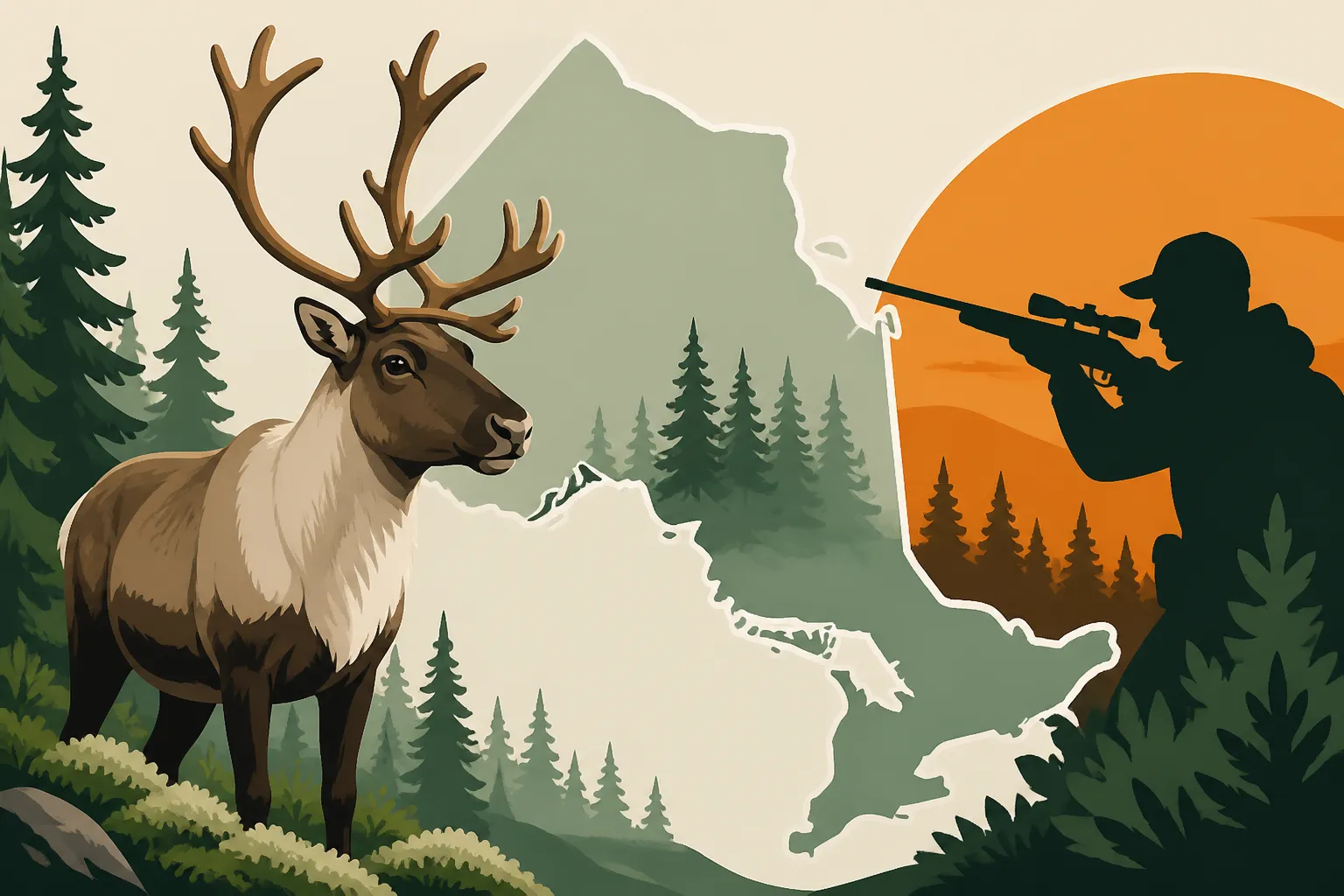
When we talk about woodland caribou in Ontario, we're really focusing on a specific, forest-dwelling subspecies that thrives in the vast, wild stretches of our boreal forest. These aren't your barren-ground caribou that migrate in massive herds across the tundra; Ontario's woodland caribou are much more solitary, adapted to a life among the trees, muskeg, and rocky outcrops of the Canadian Shield. They are an integral part of the northern ecosystem, indicators of its health and resilience.
The Different Types of Caribou
Globally, caribou (or reindeer, as they're known in Eurasia) are a single species, Rangifer tarandus, but they've adapted into several distinct subspecies, each with unique behaviours and habitat preferences. In North America, the two main groups are often recognized as barren-ground caribou and woodland caribou. Barren-ground caribou are the iconic migratory herds of the far north, moving thousands of kilometres between calving grounds and winter ranges. They depend on wide-open spaces and lichen-rich tundra.
Woodland caribou, on the other hand, are the residents of our northern forests. Within the broader "woodland caribou" umbrella, there are further distinctions, but for Ontario, we're primarily concerned with the forest-dwelling ecotype. These caribou are typically larger than their barren-ground cousins, with broader hooves that act like snowshoes, helping them navigate deep snow and soft muskeg. Their primary diet consists of terrestrial and arboreal lichens, particularly old-man's beard lichen that drapes from mature conifer trees. This specialized diet means they need vast tracts of undisturbed, mature forest to survive.
They're not just a northern curiosity; they're a vital part of the food web and cultural heritage. Their presence speaks volumes about the quality of habitat and the interconnectedness of species, from the smallest lichen to the largest predator. Understanding their niche helps us appreciate just how vulnerable they are to changes in their environment.
Historical Range and Decline
It's easy to look at a map of Ontario today and think of caribou as strictly a northern species, found only in the most remote reaches. But if you were to look back just a century or two, you'd see a very different picture. Historically, woodland caribou ranged much further south in Ontario, extending down into what are now agricultural lands and populated areas, even to the northern shores of Lake Superior and parts of southern Quebec. They were once a significant game animal for Indigenous communities and early European settlers across a much broader swathe of the province.
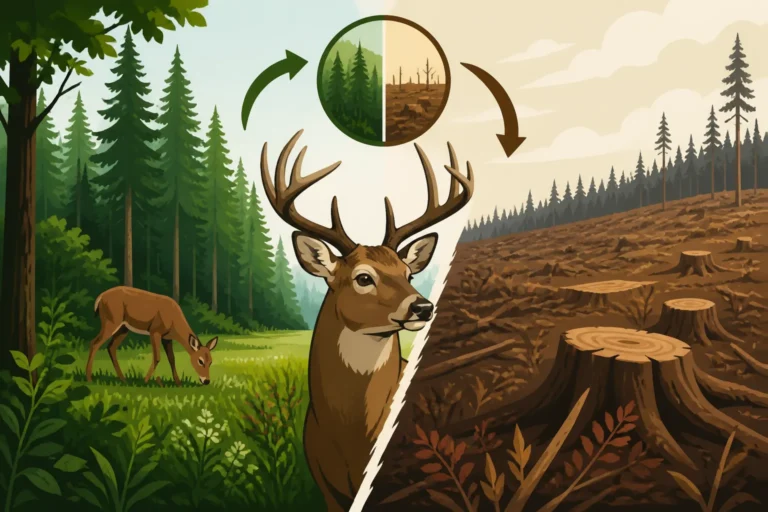
The decline of their southern range began centuries ago, primarily driven by changes in land use. As logging moved north, followed by settlement and agricultural expansion, the mature forests that caribou relied on were fragmented or removed entirely. This wasn't just about losing trees; it was about losing their specific food source (those slow-growing lichens) and exposing them to increased predation. When the forest changes, the whole ecosystem shifts, favouring species like deer, which in turn attract more predators like wolves. This "apparent competition" often spelled disaster for caribou, as they aren't equipped to deal with high predator densities that thrive on other prey.
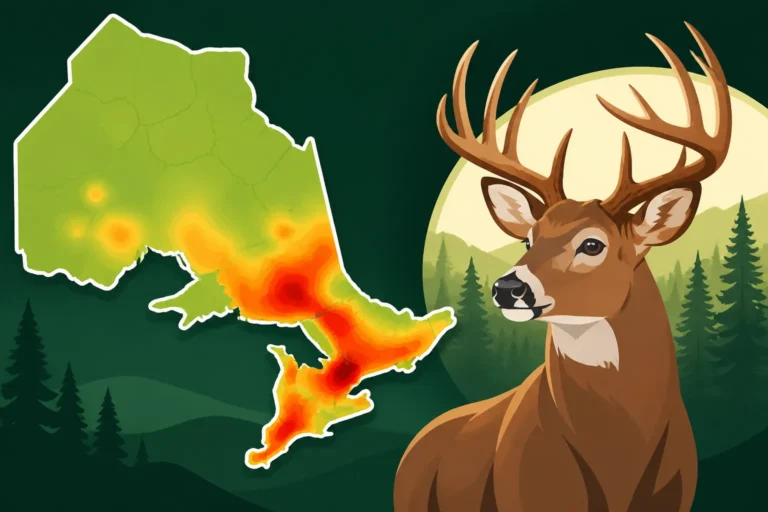
Today, their range in Ontario is significantly restricted to the boreal forest, generally north of Highway 11/17, stretching across the vast wilderness of the northwest and northeast. Even within this reduced range, their populations are often fragmented and facing ongoing challenges. This retreat from their historical grounds highlights the long-term impact of human activity and changing landscapes, a trend we are still grappling with as we seek to protect what remains.
The Current Status and Threats to Ontario's Woodland Caribou
The conversation around woodland caribou in Ontario is often tinged with urgency, and for good reason. Their populations have been declining in many areas, pushing them into a precarious conservation status. It's a complex issue, intertwined with industrial development, climate change, and the natural dynamics of the boreal forest.
Official Conservation Status
In Ontario, woodland caribou are listed as a "threatened" species under the provincial Endangered Species Act (ESA), 2007. This designation means they are likely to become endangered if steps are not taken to address the factors threatening their survival. Federally, under the Species at Risk Act (SARA), they are also listed as "threatened" across Canada. These legal protections are critical because they trigger specific requirements for their recovery and the protection of their habitat.
What does "threatened" actually mean in practice? It means that certain activities that could harm caribou or destroy their habitat are restricted or prohibited. This includes specific requirements for industries operating in caribou range to avoid or mitigate impacts. However, the sheer scale of the boreal forest and the diverse pressures it faces make implementing these protections incredibly challenging. Agencies constantly monitor caribou populations, and the data gathered helps inform crucial decisions about land use within Ontario's Wildlife Management Unit System that overlap with caribou range. The goal is to not just halt the decline, but to eventually see these populations stabilize and even grow.
Key Threats to Survival
The challenges facing Ontario's woodland caribou are multifaceted, often working in concert to exert immense pressure on their populations. It's not usually one single factor, but a combination that creates a perilous situation for these elusive creatures. Understanding these threats is the first step toward effective conservation.
Habitat Loss and Fragmentation
Perhaps the most significant threat to woodland caribou is the ongoing loss and fragmentation of their preferred habitat. Caribou need large, undisturbed tracts of mature boreal forest, primarily because their diet is heavily reliant on lichens, which take a long time to grow on trees and the forest floor. Industrial activities like forestry, mining, and the construction of roads, pipelines, and transmission lines break up these vast forests. When this happens, it creates "edges" and smaller, isolated patches of habitat. These changes impact caribou in several ways. Firstly, it directly removes the specific old-growth habitat they need. Secondly, it makes it easier for predators like wolves to access areas they previously couldn't, creating new pressures. As we've seen, Why Caribou Ranges Keep Shrinking is directly tied to these landscape alterations.
These fragmented landscapes also make caribou more vulnerable to human disturbance. New roads and cut lines provide access for other species, and even though caribou themselves are not hunted, the changes to their environment are profound. Imagine trying to live in a house where new roads are constantly being built through your backyard, and your kitchen suddenly has a new door inviting in unwanted guests. That's essentially what happens to caribou when their habitat is fragmented.
Predation
The boreal forest is a tough place, and predation is a natural part of the ecosystem. However, human-caused landscape changes have often tipped the balance against caribou. When logging or other developments open up the dense forest, it creates prime habitat for species like white-tailed deer and moose. These animals thrive on the younger vegetation that springs up after disturbances. The problem is that deer and moose are also the primary prey for wolves. As deer and moose populations increase in disturbed areas, so do wolf numbers.
Caribou, with their historically low population densities and specific predator avoidance strategies (like seeking out islands or isolated patches of old growth), are not adapted to withstand this increased predation pressure. They become "incidental" prey, caught in the crossfire of an ecosystem out of balance. The presence of deer and moose, which migrate and expand their range into traditional caribou areas, effectively draws predators like the What the Algonquin Wolf Actually Is into spaces where caribou once had relative safety. It's a classic example of how habitat alteration has cascading effects throughout the food chain, making it incredibly difficult for caribou to thrive.
Climate Change
While habitat loss is a direct and visible threat, climate change represents a more insidious and far-reaching danger to woodland caribou. The boreal forest, their stronghold, is particularly sensitive to shifts in climate. Changes in temperature and precipitation patterns can impact caribou in multiple ways. For instance, increased frequency or severity of ice storms can encase ground lichens, making them inaccessible. Similarly, How Deep Snow Shapes Ontario Game is a critical factor for caribou. Too much soft, deep snow can impede their movement, but changes leading to less predictable snow cover can also disrupt their winter foraging strategies.
Beyond direct impacts, climate change also contributes to shifts in vegetation patterns, potentially altering the composition of their lichen-rich diet over time. It can also influence the spread of parasites and diseases, and affect the timing of seasonal events that caribou rely on. A warming climate might even exacerbate the habitat fragmentation problem by allowing deer and their associated predators to expand their northern range further, pushing caribou into ever-smaller, more isolated pockets. These are long-term, systemic changes that demand broad-scale thinking for any hope of mitigating their effects.
Disease and Parasites
Like all wildlife, caribou are susceptible to various diseases and parasites. While not always the primary driver of population decline, these factors can weaken individuals and entire herds, making them more vulnerable to other threats like predation or harsh winters. Brainworm, for example, is a parasite carried by white-tailed deer that is usually harmless to deer but fatal to moose and caribou. As deer expand their range into caribou country, the risk of caribou contracting brainworm increases.
Other parasites, like winter ticks, can also take a toll, especially during mild winters. Large infestations can lead to hair loss, anaemia, and even death, weakening caribou at a time when they need all their energy to survive. These biological threats highlight the delicate balance of ecosystems and how easily it can be disrupted when species' ranges overlap in new ways due to other pressures.
Conservation Efforts and Management Strategies
The plight of Ontario's woodland caribou isn't going unnoticed. A significant amount of effort, resources, and dedication are being poured into understanding their needs and implementing strategies to help them recover. It's a complex, long-term undertaking that requires collaboration across many different sectors and levels of government.
Government Initiatives and Recovery Programs
Both federal and provincial governments recognize the critical status of woodland caribou and have developed strategies and recovery programs. Federally, the Canadian government has a national recovery strategy that outlines the critical habitat for woodland caribou and sets population and distribution objectives. Provincially, Ontario's Woodland Caribou Conservation Plan provides a framework for managing caribou and their habitat. This plan includes objectives for maintaining a viable and connected population, protecting and restoring habitat, and mitigating threats.
These initiatives often involve careful planning for resource industries operating within caribou range. For instance, new forest management plans must consider caribou habitat and implement measures to minimize disturbance, such as modifying harvest practices or establishing protected areas. Mining and energy projects also face rigorous environmental assessments that specifically consider their impact on caribou. It's a constant balancing act, trying to support economic activity while ensuring the long-term survival of a vulnerable species. Monitoring programs, often using aerial surveys and collared animals, are crucial to track population trends and the effectiveness of these management actions.
The Role of Science and Technology
Science and technology are absolutely foundational to effective caribou conservation. Researchers use a suite of tools to better understand these elusive animals and the vast, challenging landscapes they inhabit. Satellite telemetry, where caribou are fitted with GPS collars, allows scientists to track their movements, understand their habitat use patterns, identify calving grounds, and assess how they interact with disturbed landscapes. This data is invaluable for understanding how caribou respond to changes like new logging roads or clear-cuts, giving us real-time insights into their survival strategies.
Advanced mapping technologies, like GIS (Geographic Information Systems), are used to analyze habitat suitability, identify critical habitat, and model the impacts of various land-use scenarios. These tools help predict where caribou are most likely to be found and where conservation efforts should be focused. Moreover, genetic studies help researchers understand population connectivity and diversity, which is crucial for ensuring long-term viability. Organizations like GoHunt utilize publicly available data, often derived from these scientific studies, to help hunters and outdoor enthusiasts understand the broader landscape dynamics, including areas where sensitive species might be present. This blend of traditional ecological knowledge and cutting-edge science is crucial for making informed conservation decisions.
Collaboration and Public Involvement
Conservation of a species as wide-ranging and sensitive as the woodland caribou cannot be achieved by government agencies alone. It demands extensive collaboration and public involvement. Indigenous communities, who have coexisted with caribou for millennia, bring invaluable traditional ecological knowledge and perspectives to the table. Their insights into caribou behaviour, habitat use, and historical trends are essential for comprehensive management plans.
Industry stakeholders, including forestry, mining, and energy companies, are also critical partners. They play a direct role in minimizing their footprint and adopting practices that support caribou recovery. Conservation organizations, local environmental groups, and even responsible outdoor enthusiasts contribute through advocacy, volunteer efforts, and simply being informed stewards of the land. It’s about building a shared understanding and a collective commitment to protecting these animals. Public awareness campaigns and educational programs are vital for fostering this widespread support, helping people understand why it matters that caribou thrive in Ontario's vast north.
What This Means for Hunters and Outdoor Enthusiasts
As hunters and outdoor enthusiasts, we share a deep connection to Ontario's wild places. Understanding the status of species like woodland caribou isn't just about knowledge; it's about responsible stewardship and ensuring these wild spaces remain healthy for generations to come. While caribou aren't a game species, their well-being reflects the health of the broader ecosystem we all enjoy.
Hunting Regulations and Caribou
For hunters, it's crucial to understand that woodland caribou are a protected species in Ontario and, as such, there is no hunting season for them. They are not a legal game animal, and any actions that could harm, harass, or disturb caribou or their habitat are strictly prohibited and carry significant penalties under both provincial and federal legislation. The focus for caribou is entirely on recovery and protection.
This means that if you are out in the northern bush, perhaps on a Moose Hunting Ontario's Northern Bush adventure, or even just exploring Hunting Northwestern Ontario's Big Bush, and you encounter caribou, you must observe them from a distance and avoid any disturbance. While their range can overlap with other game species, they are easily distinguishable from moose or deer by their unique appearance, particularly their lighter brown coat, relatively small antlers (often present on both sexes), and distinctive broad, rounded hooves. Mistaking a caribou for another species is simply not an option.
Respecting Caribou Habitat
Since caribou require large, undisturbed areas, respecting their habitat is paramount, even if you're not directly interacting with them. Many of us access the northern forests via logging roads or ATV trails. It's important to be mindful of where you are and the potential impact of your activities. Stick to designated trails, be aware of any posted restrictions, and always practice Leave No Trace principles. Excessive noise or disturbance, even if not directly aimed at caribou, can cause stress and displace them from critical foraging or calving areas.
For those venturing into particularly remote areas, understanding the lay of the land, especially where caribou have known ranges, is vital. Using mapping tools like those offered by GoHunt or similar services that show habitat types can help you be a more informed visitor. Knowing the regulations around ATV Rules on Ontario Crown Land is also important, as uncontrolled off-road travel can damage sensitive habitats. The cumulative effect of many small disturbances can add up, so every responsible action helps. Protecting Hunting a Boreal Muskeg Edge or vast swaths of mature conifer stands, even if not explicitly marked, helps ensure caribou have the space they need to survive.
How to Be a Caribou Steward
Being a good steward of Ontario's wilderness means taking an active role in conservation, even if it's just through awareness and responsible behaviour. Educating yourself about caribou and their needs, perhaps by reading articles like Ontario's Woodland Caribou Status or Woodland Caribou and Their Status, is a great start. Share this knowledge with others who enjoy the outdoors, helping to spread awareness about their vulnerable status.
If you are fortunate enough to spot a caribou in the wild, enjoy the moment, but maintain your distance. Avoid trying to approach them for a closer look or a photo, as this can cause undue stress. It's also a good practice to report unusual sightings to the Ministry of Natural Resources and Forestry (MNRF) if you believe there's a conservation concern or if you see injured animals. However, it's generally best not to widely publicize specific locations of caribou sightings to avoid drawing unwanted attention or disturbance to these sensitive areas. By being a silent guardian and respecting their need for undisturbed solitude, you contribute directly to their survival. Supporting conservation initiatives and understanding broader ecological factors like What Climate Shift Means for Ontario Game also plays a role in the long-term health of our entire ecosystem.
| Aspect | Description |
|---|---|
| Official Status | Federally: Threatened (Species at Risk Act); Provincially: Threatened (Endangered Species Act). |
| Current Range | Primarily restricted to the boreal forest, generally north of Highway 11/17 in Ontario. Scattered, fragmented populations exist within this zone. |
| Key Habitat Needs | Large, undisturbed tracts of mature coniferous forest (spruce, pine), especially areas with abundant terrestrial and arboreal lichens. They often seek out peatlands, islands, and older growth to avoid predators. |
| Primary Threats | Habitat Loss & Fragmentation: Due to forestry, mining, and linear features like roads and seismic lines. Increased Predation: Due to landscape changes favouring deer/moose, which in turn increases wolf/coyote populations in caribou range. Climate Change: Affects snow conditions, food availability, and potential for disease/parasite spread. |
| Conservation Goal | To maintain a self-sustaining and connected network of woodland caribou populations across their current and historic range in Ontario, ensuring their long-term survival and recovery. |
| Hunting Status | Not a huntable species in Ontario. Woodland caribou are strictly protected, and it is illegal to hunt, harm, harass, or disturb them. |
Disclaimer
This article is for general informational purposes only and does not constitute professional advice. Laws, prices and regulations vary by location and change over time. Consult a qualified professional for guidance on your specific situation.