The Biggest Moose Ever Taken in Ontario
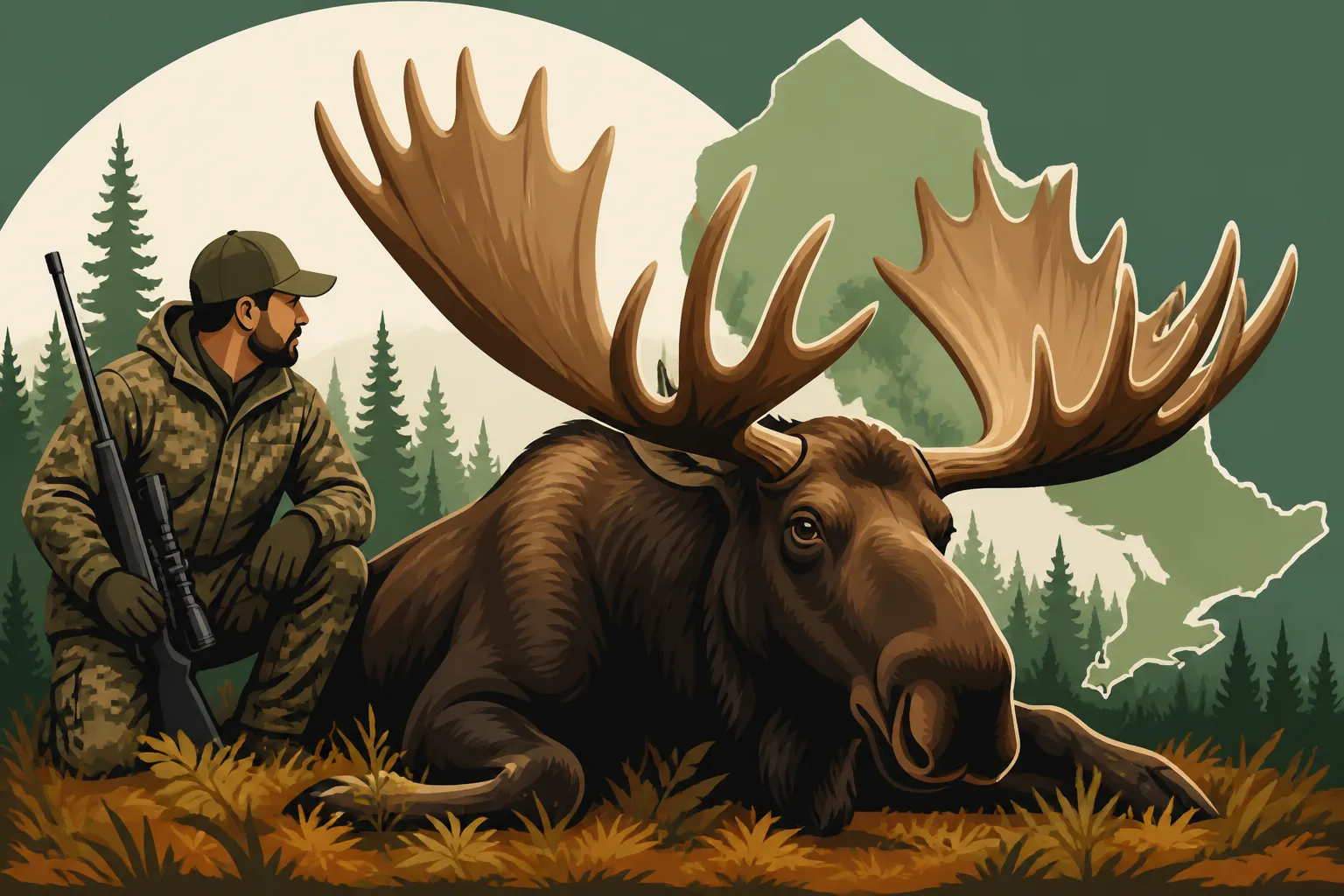
Every Ontario moose hunter dreams of that one-in-a-lifetime encounter, seeing a bull so colossal it feels like a creature from another age. It's not just about filling a tag; it's about the awe of standing before a true wilderness giant, a testament to the wild places we cherish. This guide delves into the storied history of Ontario's largest moose, exploring what makes a truly massive bull, where these giants come from, and how today's hunters might pursue such an incredible animal.
Understanding What "Biggest" Means for an Ontario Moose
When hunters talk about the "biggest" moose, they're often referring to more than just body weight. While a bull moose is an undeniably enormous animal in its own right – a mature bull can easily weigh over a thousand pounds – the true measure of a trophy, and what often distinguishes the "biggest," lies in its antlers. These magnificent headpieces are a direct reflection of the animal's age, genetics, and the quality of its habitat, telling a story of survival and dominance.
The Role of Boone & Crockett Scoring
For generations, the Boone & Crockett Club's scoring system has been the gold standard for officially measuring North American big game trophies, including moose. This system provides an objective way to compare antlers, standardizing what constitutes a truly exceptional animal. It's a precise method, taking into account various measurements of the antlers, like spread, length of points, circumference of beams, and the overall symmetry for typical racks. Non-typical racks, with their unique and often more numerous points, are also scored, but with an allowance for their inherent asymmetry.
When a hunter discusses a "record book" moose, they're usually talking about one that meets or exceeds the minimum entry scores for Boone & Crockett, or sometimes for provincial or regional record programs. This isn't just a competition; it's a way to recognize truly magnificent animals and, perhaps more importantly, the quality habitat that produced them. Achieving a score that places a bull in these records is a monumental accomplishment, highlighting the extraordinary nature of the animal and the hunter's skill. The pursuit of such a trophy often involves years of dedication, scouting, and understanding the nuances of moose behaviour.
Typical Versus Non-Typical Antlers
Moose antlers can primarily be categorized into two forms: typical and non-typical. Understanding the difference is crucial when discussing trophy potential and record sizes.
- Typical Antlers: These are generally symmetrical, with matching points and beam lengths on both sides. Imagine a classic, broad shovel with impressive tines. The Boone & Crockett system penalizes for asymmetry in typical racks, emphasizing the balanced beauty of the antlers. A truly enormous typical rack is a sight to behold, a perfectly balanced crown that signifies peak maturity and robust health.
- Non-Typical Antlers: These are characterized by their asymmetry and often feature unique, abnormal points or growths that don't mirror the other side. These can be incredibly impressive and often reflect injuries, genetic anomalies, or simply unusual growth patterns. While still beautiful in their own right, the scoring system for non-typical racks adjusts to account for these unique characteristics, adding rather than subtracting for abnormal points. Some of the most visually striking and massive moose antlers fall into the non-typical category, creating truly unique trophies that capture the imagination.
The pursuit of either a typical or non-typical trophy is a deeply personal choice for hunters. Some prefer the classic, symmetrical beauty of a typical rack, while others are drawn to the wild, unique character of a non-typical. Both represent significant achievements in the field.
The Legacy of Giants: Ontario's Record Moose
Ontario is renowned for its vast wilderness and, consequently, its ability to produce truly magnificent moose. Over the decades, hunters across the province have harvested some truly incredible bulls, animals that have etched their names into the record books and the lore of the hunting community. While specific records can shift and are maintained by official organizations, the stories of these giants continue to inspire.
Tracing the "Biggest Ever"
When people ask about "the biggest moose ever taken in Ontario," they're usually referring to one of the province's top-scoring entries in the Boone & Crockett record books. These are the bulls that set the standard, animals whose antlers boasted an incredible combination of mass, spread, and points. While specific hunter names and precise measurements often require checking official record archives, the general consensus points to certain regions of Ontario, particularly those with vast, undisturbed boreal forest and excellent habitat, as the consistent producers of these massive animals.
Historically, the northwestern and northeastern parts of the province have been hotbeds for producing record-class moose. Areas around Kenora, Dryden, and the vast expanses north of Lake Superior in Northwestern Ontario, or regions like the Chapleau Crown Game Preserve area in Northeastern Ontario, have consistently yielded exceptional bulls. These are landscapes where moose can live long lives, benefiting from abundant forage and less human disturbance, allowing them to reach their genetic potential. The largest bulls often come from areas with a mix of mature timber, regenerating clear-cuts, and healthy aquatic vegetation – a perfect recipe for moose growth. It's a testament to the wild character of these regions that they continue to offer the chance at such an animal.
Unofficial Giants and Local Legends
Beyond the official record books, there are countless stories of enormous moose that, for one reason or another, never made it to a scorer. These are the "unofficial giants" – the bulls that hunters witnessed but couldn't harvest, or those taken by individuals who weren't concerned with official measurements but simply cherished the memory of an incredible hunt. These local legends often speak of massive spreads, paddles so wide you could serve a full dinner on them, and body sizes that dwarfed anything seen before.
Perhaps a hunter on a remote canoe trip through the Albany River drainage saw a bull with antlers that seemed impossibly wide, only to have it disappear into the alders. Or maybe an old-timer in the backcountry of the Parry Sound region still talks about a particular bull he harvested decades ago, whose antlers were so heavy he needed two men to carry them out. These tales, passed down through generations, contribute immensely to the rich tapestry of Ontario hunting lore. They remind us that the wilderness holds its secrets, and not every magnificent animal needs to be officially measured to be appreciated. They fuel the imagination and inspire many to head out, hoping to catch a glimpse of their own legendary giant.
Where and Why Giant Moose Thrive in Ontario
Ontario's vast and diverse landscapes offer prime habitat for moose, but certain areas and conditions are particularly conducive to growing truly exceptional bulls. Understanding these factors can help modern hunters appreciate the challenges and rewards of pursuing these magnificent animals.
Prime Moose Habitat and Nutrition
The secret to growing big moose, with impressive antlers, lies in a combination of rich habitat, diverse nutrition, and sufficient age. Moose are browsers, meaning they primarily feed on the leaves, twigs, and bark of trees and shrubs, along with aquatic vegetation.
- Diverse Forest Ecosystems: Areas with a mosaic of forest types, particularly those recovering from logging or fire, provide an abundance of preferred browse like willow, trembling aspen, balsam fir, and red osier dogwood. Young, regenerating forests are moose cafeterias, offering tender shoots and dense cover.
- Aquatic Plants: Lakes, ponds, and slow-moving rivers are critical for moose, especially in summer. They feed on nutrient-rich aquatic plants like water lilies and pondweed, which are packed with minerals essential for antler growth and overall health. A bull that can consistently access these nutrient sources throughout its life is more likely to develop a large, healthy rack. This is why you often find moose near water, especially during warmer months.
- Mineral Intake: Calcium, phosphorus, and other trace minerals are vital for antler development. Moose get these from their diet, and areas with mineral licks or specific soil compositions can contribute to better antler growth. When you look at an expansive tool like GoHunt to scout an area, you'll want to identify these types of diverse habitats that provide a comprehensive diet for moose.
Without consistent access to high-quality forage and essential minerals, even a genetically superior bull won't reach its full antler potential.
Age, Genetics, and Population Dynamics
While food is fundamental, age and genetics play equally significant roles in producing record-class moose.
- Age: Simply put, moose need time to grow big antlers. A bull typically reaches its peak antler size between 7 and 10 years of age, sometimes even older. In areas with high hunting pressure or where younger bulls are often harvested, it's rare for a bull to live long enough to reach this mature stage. Conservation efforts and management strategies that allow bulls to age, combined with vast tracts of wilderness, are crucial.
- Genetics: Like all animals, moose inherit traits from their parents. Some bloodlines simply have the genetic blueprint for larger, more impressive antlers. While hunters can't control genetics, understanding that certain populations or regions might have a higher prevalence of "big antler genes" can inform scouting efforts.
- Population Density: Paradoxically, a moose population that is too dense can lead to smaller antlers, as competition for food increases, and the available browse is depleted more quickly. A healthy, balanced population, where the number of moose is in equilibrium with the carrying capacity of the land, is ideal for promoting growth and allowing individuals to thrive. Ontario's Wildlife Management Units (WMUs) are managed with these population dynamics in mind, aiming for sustainable harvests while allowing for trophy potential in certain areas. Understanding the dynamics of Ontario's Moose Population Decline and ongoing management efforts is key to long-term success.
These factors intertwine to create the conditions necessary for a bull moose to develop the colossal antlers that define a truly record-setting animal. It's a delicate balance of nature's bounty and careful management.
Strategies for Pursuing a Trophy Moose Today
The dream of harvesting a record-class moose remains a powerful motivator for many Ontario hunters. While these giants are rare, strategic planning, persistent effort, and a deep understanding of moose behaviour can increase your chances.
Scouting Remote and Undisturbed Areas
Trophy moose, by their very nature, are often found in areas that offer them sanctuary and a consistent food supply. This usually means remote, less-pressured wilderness.
- Deep Wilderness Exploration: Focus your scouting efforts on areas far from roads, trails, and easy access points. Look for large blocks of Crown Land, particularly in Northern and Northwestern Ontario, that require significant effort to reach, such as canoe-in or fly-in access. These are the places where moose can live long, undisturbed lives, allowing them to reach their full antler potential. You might consider Canoe-In Hunting on Ontario Crown Land or exploring vast, remote regions of Hunting Northwestern Ontario's Big Bush.
- Satellite Imagery and Mapping Tools: Modern technology is your friend here. Utilize satellite imagery and digital mapping apps (like GoHunt) to identify potential hotspots before you even set foot in the bush. Look for areas with a mix of old growth, recent clear-cuts (2-10 years old offer great browse), beaver ponds, and mature swamp edges. These tools can help you find those hidden gems that other hunters might overlook.
- Identifying Consistent Food Sources: Once you've identified remote areas, look for signs of heavy moose use, particularly around prime feeding areas. Fresh browse lines, tracks along water bodies, and rub lines on trees indicate consistent presence. Remember, moose will prioritize food and security, so finding where these two intersect is key.
Hunting these remote areas isn't for the faint of heart; it requires significant preparation, physical stamina, and a good understanding of wilderness survival, but the rewards can be truly exceptional.
Timing Your Hunt During the Rut
For most trophy hunters, the peak of the moose rut is the opportune time to be in the bush. This is when bulls are most active, vocal, and often less cautious as they search for cows.
- Peak Rut Periods: In Ontario, the moose rut typically kicks into high gear from late September through mid-October, though it can vary slightly by region and year. During this window, bulls are competing for mates, making them more susceptible to calling and more visible as they move actively. Understanding When Ontario's Moose Rut Peaks is crucial for planning your trip.
- Calling Strategies: Calling is incredibly effective during the rut. Using cow calls to mimic a receptive female or bull grunts to challenge a dominant male can bring an otherwise elusive bull right into your shooting lane. Being patient and knowing when to use aggressive versus subtle calls is an art form that takes practice. You can learn a lot about Calling a Bull Moose in the Rut to refine your technique.
- Patience and Persistence: Hunting a trophy moose during the rut often involves sitting for long periods in strategic locations, listening for grunts, and glassing open areas or clear-cuts. It's a test of patience, but when a massive bull responds to your call and steps into view, it's an experience you'll never forget.
A hunter's best chance at seeing a truly record-class bull often occurs during these intense weeks when their natural instincts override some of their usual caution.
Understanding Moose Management and Tag Allocation
Successfully hunting moose in Ontario, especially for a trophy, requires navigating the provincial tag allocation system. This can be one of the biggest challenges for hunters.
- The Allocation Process: Ontario uses a points-based draw system for moose tags, particularly for coveted bull tags in high-density areas. Hunters accumulate points for unsuccessful applications, increasing their odds in subsequent years. This system is designed to distribute opportunities fairly over time. Understanding Ontario's Moose Tag Allocation Process and How Ontario Moose Points Accumulate is fundamental.
- Wildlife Management Units (WMUs): Ontario is divided into WMUs, each with specific tag allocations, season dates, and regulations. Researching the historical success rates and trophy potential of various WMUs is essential. Some WMUs, particularly in the northern regions, are known for producing larger bulls due to less pressure and better habitat. Using resources like GoHunt can help you analyze past draws and identify WMUs where your points might give you a better chance at a bull tag.
- Applying Strategically: Consider applying as a group to pool points or increase your chances, if allowed by current regulations. Some hunters opt for cow tags in certain years to maintain points or secure meat for the freezer, while strategically building points for a bull tag in future years. It's a long game, but a well-thought-out application strategy can eventually lead to that dream moose hunt.
| Factor for Trophy Moose | Description | Impact on Antler Size |
|---|---|---|
| Age | Bulls typically reach peak antler size between 7-10 years old. | Allows for maximum bone growth and antler development. |
| Genetics | Inherited traits influence antler potential (spread, mass, points). | Determines the inherent capacity for large, impressive antlers. |
| Nutrition | Access to diverse, nutrient-rich forage (aquatic plants, browse). | Provides essential minerals (calcium, phosphorus) for healthy and large antler growth. |
| Habitat Quality | Mix of regenerating forests, mature cover, and water sources. | Offers abundant food, security, and space for moose to thrive. |
| Population Density | Healthy population numbers in balance with carrying capacity. | Reduces competition for food, allowing individuals to reach potential. |
| Hunting Pressure | Low human disturbance, allowing bulls to age naturally. | Reduces the likelihood of younger bulls being harvested before peak maturity. |
Remember, harvesting a trophy moose is a blend of careful planning, skill, patience, and a bit of luck. It's about enjoying the journey and the incredible wilderness experiences Ontario offers, whether or not you bring home a record-setter.
Disclaimer
This article is for general informational purposes only and does not constitute professional advice. Laws, prices and regulations vary by location and change over time. Consult a qualified professional for guidance on your specific situation.