Why Ontario Deer Numbers Swing
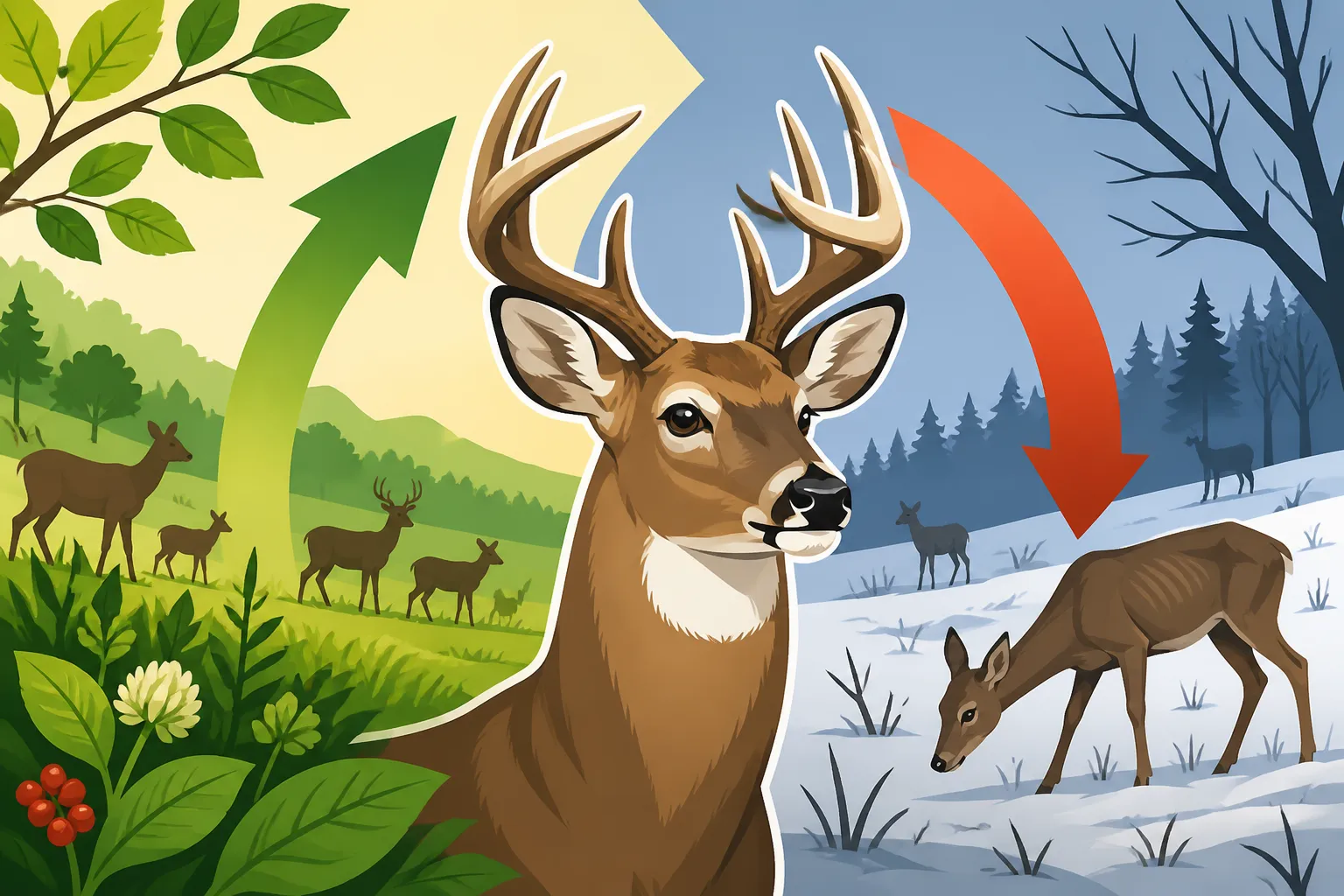
It's incredibly frustrating, isn't it? One year, you're seeing deer everywhere, your trail camera is blowing up, and the signs are abundant. The next, it feels like the woods have gone silent, and you're wondering where all the whitetails went. Deer populations in Ontario are far from static, and understanding why these numbers swing so wildly from season to season, and even year to year, is key to becoming a more informed hunter and conservationist. This comprehensive guide will delve deep into the complex factors that drive these fluctuations, from the harsh realities of winter to the subtle influences of habitat changes and disease.
Understanding the Natural Cycles of Deer Populations
Deer populations are not just random collections of animals; they are intricate systems influenced by a host of biological factors that create natural ebbs and flows, even without external pressures. Recognizing these inherent cycles helps us appreciate the bigger picture when we’re out in the bush.
The Whitetail Reproductive Rate
Whitetail deer are incredibly prolific creatures when conditions are right. A healthy doe in her prime, especially in agricultural areas of Southern Ontario, can consistently produce twins, and sometimes even triplets, year after year. This high reproductive capacity is a major driver of population growth, allowing herds to rebound quickly after a lean period or expand into new territories. However, this fertility is also heavily dependent on the doe's nutritional intake and overall health, which ties directly into the quality of the habitat and available food sources.
If does are stressed due to poor nutrition, extreme weather, or disease, their reproductive rates can plummet. They might have fewer fawns, or the fawns they do have might be weaker and less likely to survive their first year. This means that a seemingly small dip in conditions can have a cascading effect on the population a year or two down the line, as fewer young deer enter the breeding pool. Understanding these dynamics helps us realize that a single good or bad hunting season doesn't tell the whole story; it’s a reflection of the conditions affecting the does and fawns over the preceding seasons.
Carrying Capacity of the Land
Every piece of land, whether it's the sprawling forests of Northern Ontario or the smaller woodlots nestled between cornfields in the south, has a limit to how many deer it can sustainably support. This is known as the carrying capacity. When deer numbers are below this capacity, food is plentiful, deer are healthier, fawns thrive, and the population generally grows. However, once the population hits or exceeds this carrying capacity, resources become scarce.
You start to see signs of overpopulation: browse lines on trees become obvious, deer might look less healthy, and fawn survival drops significantly. The herd essentially "eats itself out of house and home," making itself more vulnerable to disease and harsh weather. Nature then steps in, often quite brutally, to bring the population back into balance with the available resources. This natural regulation is a powerful force, and while it might seem counterintuitive to a hunter wanting more deer, it's essential for the long-term health of the entire ecosystem and the deer herd itself.
Natural Mortality Beyond Predation
While predation gets a lot of attention (and we'll get to that!), a significant portion of natural deer mortality has nothing to do with wolves or coyotes. Old age, accidents, and even starvation contribute to the natural attrition of a deer herd. A buck that survives multiple hunting seasons and harsh winters eventually succumbs to old age, becoming more susceptible to other factors.
Accidents, like being hit by vehicles, especially during the rut when deer are less cautious, are also a major cause of death, particularly in areas with higher road density. Deer can also drown in rivers or lakes, break legs, or simply fail to thrive due to genetic weaknesses. These individual mortalities, while often unseen and uncounted, collectively add up to a notable impact on the overall population trends, constantly shaping the demographic structure of the herd.
The Impact of Weather on Whitetail Survival
In Ontario, weather isn't just a minor inconvenience; it's a profound, life-or-death factor for whitetail deer. The sheer variability of our seasons means deer populations are constantly battling the elements, and extreme weather events can cause dramatic swings in numbers.
Harsh Winters and Their Toll
There's perhaps no greater test for an Ontario whitetail than a severe winter. Deep snow, especially when it lasts for extended periods, makes it incredibly difficult for deer to move and access food. It also drains their energy reserves quickly. When snow depth regularly exceeds 20 inches, deer often "yard up" in sheltered areas like cedar swamps, where the dense canopy helps intercept snow and provides thermal cover. However, even these yards have limited browse, and once it's exhausted, deer face starvation.
Coupled with bitter cold temperatures, a long, deep winter can lead to what we call a significant What a Hard Ontario Winter Culls. Fawns, in particular, are extremely vulnerable, as their smaller bodies lose heat faster and they haven't built up the fat reserves of older deer. Even adult deer can emerge from a harsh winter in poor condition, making them less likely to breed successfully or more susceptible to disease in the spring. You can often predict a lower fawn crop a year after a particularly brutal winter. To learn more about how deer cope, consider How Deer Use a Cedar Swamp in Winter.
Drought Conditions and Food Availability
While severe winters often get the blame, prolonged drought conditions in spring and summer can also severely impact deer numbers, albeit in different ways. A lack of rainfall can stunt the growth of crucial forage plants, reducing the overall nutritional quality and quantity available to deer. This is particularly problematic for lactating does who need abundant, nutrient-rich food to nurse their fawns.
Droughts can also affect the success of important mast crops like acorns and beechnuts. If the trees are stressed, they might produce a smaller, less nutritious crop, which is a significant blow to deer trying to build up fat reserves for the coming winter. Without these critical food sources, deer enter the cold months in poorer condition, increasing their vulnerability to other stressors. A well-placed GoHunt trail camera could help you monitor browse conditions and water sources in dry periods, giving you a better idea of deer activity.
Early Frosts and Acorn Crops
The timing of the first hard frost can be another subtle but significant factor in deer survival. In years where an early, severe frost hits before key mast crops have fully developed or dropped, the nutritional value of those foods can be compromised. Acorns, for instance, are a vital autumn food source, packed with carbohydrates and fats that deer need to put on weight. If an early frost damages the developing acorns, or if the trees simply have a poor mast year, deer suffer.
This reduction in calorie intake means deer go into winter with less fat. It's like trying to run a marathon on an empty stomach. They simply don't have the reserves to withstand prolonged periods of cold and deep snow. Hunters who rely on What Acorn Crops Do to Ontario Deer for predicting deer movement can attest to how drastically a bad mast year changes patterns and, ultimately, deer health.
Habitat Changes and Their Influence on Deer
The landscape of Ontario is constantly evolving, driven by natural processes and human activity. These habitat changes are fundamental in determining where deer live, how many there are, and how healthy they become.
Logging, Forestry, and Regenerating Cover
Forestry practices, particularly clear-cutting and selective logging, play a massive role in shaping deer habitat across much of Ontario. While a mature, dense forest might seem ideal, it often offers limited food and cover close to the ground. Clear-cuts, when properly managed, can actually be a boon for deer in the years following logging. The regenerating saplings, shrubs, and herbaceous plants provide an explosion of high-quality browse, creating dense thickets that offer excellent escape and thermal cover.
However, the benefits are temporary. As these areas mature, the canopy closes, and the understory thins out again, reducing the food value. The timing and scale of logging operations, therefore, create a mosaic of habitats that can lead to local deer population booms and busts. Understanding How Logging Cutblocks Change Deer Range is crucial for hunters, as deer will often concentrate in these regenerating areas, especially in the early to mid-stages of regrowth.
Agricultural Practices and Food Sources
In southern and eastern Ontario, agricultural landscapes provide a powerful draw for whitetail deer. Vast fields of corn, soybeans, and winter wheat offer an incredible abundance of high-calorie food, allowing deer populations to thrive and grow larger body masses and impressive antlers. Changes in crop rotation, planting schedules, and harvesting methods directly influence food availability. For example, standing corn fields provide excellent cover and food well into the late season.
The trend towards larger, more intensely farmed fields, while providing abundant food, can also reduce the amount of edge habitat and small woodlots that deer rely on for cover and bedding. When farmers harvest crops early, deer lose both food and critical sanctuary, making them more vulnerable. Hunters often focus their efforts on Hunting a Standing Corn Field Edge or Hunting a Soybean Field at Dusk precisely because of the food security these fields offer. In these areas, using a platform like GoHunt to scout land features can give you an edge in identifying prime agricultural deer habitat.
Urbanization and Habitat Fragmentation
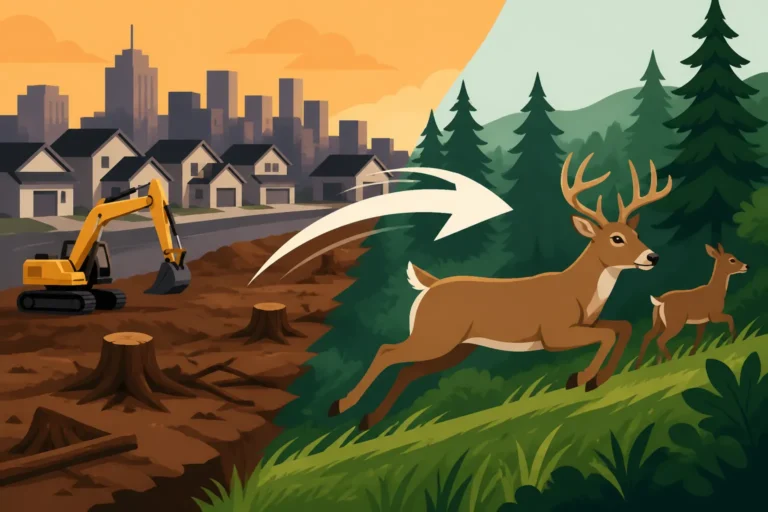
As human populations grow, particularly around cities like Toronto, Ottawa, and London, development spreads, and wild lands shrink. This urbanization leads to habitat fragmentation, where large, continuous blocks of deer habitat are broken up by roads, housing developments, and commercial areas. While deer are incredibly adaptable and can even thrive in suburban environments, fragmentation has a profound impact.
Smaller, isolated pockets of habitat mean reduced genetic diversity, increased human-deer conflicts (like vehicle collisions), and often localized overpopulation as deer are concentrated into shrinking spaces. This can lead to increased disease transmission and pressure on remaining natural resources. For hunters, it means fewer accessible hunting areas and often a greater need to secure private land permission as public access decreases.
Predator Dynamics and Deer Numbers
Predators are a natural and necessary part of the ecosystem, and their presence plays a significant role in shaping deer populations. While sometimes viewed as a threat to deer numbers by hunters, a healthy predator population often contributes to a healthier deer herd by culling the weak and preventing overpopulation.
The Role of Wolves and Coyotes
Ontario is home to both wolves and coyotes, and these canids are highly effective predators of deer. Wolves, particularly in the northern reaches, are primary predators of adult deer, especially during winter when deer are vulnerable in deep snow. Coyote populations are widespread across the province and are particularly effective at preying on fawns. A strong coyote presence can significantly impact fawn recruitment, meaning fewer young deer survive to adulthood and enter the breeding population.
The relationship between deer and these predators is dynamic. When deer populations are high, predator numbers can also increase in response, eventually helping to bring deer numbers back down. Conversely, if deer numbers drop due to other factors (like a harsh winter), the predator population may also decline or shift its focus, allowing the deer to recover. Understanding What Coyotes Do to Fawn Survival highlights the critical impact these adaptable predators have on a deer herd's ability to grow.
Bear Predation on Fawns
While black bears are omnivores, their diet isn't just berries and grubs; they are also opportunistic predators, especially when it comes to newborn fawns. During late spring and early summer, when fawns are born and are at their most vulnerable, bears will actively seek them out. Fawns, with their limited mobility and reliance on camouflage, are easy targets for a hungry sow emerging from hibernation.
This predation can be a significant factor in fawn survival in areas with high bear densities, especially if other food sources are scarce. While bear predation doesn't typically impact adult deer numbers in the same way wolves might, it can certainly contribute to those yearly swings in fawn recruitment that dictate future population health.
Balancing Predator-Prey Relationships
The delicate balance between predators and prey is crucial for a robust ecosystem. Too many predators can suppress prey populations, but too few can lead to overpopulation of prey, which then degrades habitat and can lead to disease outbreaks. Wildlife managers often look at predator-prey ratios when assessing herd health and making management decisions.
Hunting regulations for predators, where they exist, are sometimes designed to help manage these relationships. However, in vast areas of Ontario, natural forces largely dictate these dynamics. It's a complex dance where each species plays a vital role in maintaining the overall health and resilience of the natural world, even if it means fewer deer in some years.
Disease and Its Unseen Threat to Deer Herds
Beyond weather and predators, diseases pose an insidious and often devastating threat to deer populations. Some diseases are localized and temporary, while others, like Chronic Wasting Disease, represent a long-term, existential concern for the future of Ontario's whitetails.
Chronic Wasting Disease CWD and Surveillance
Chronic Wasting Disease (CWD) is arguably the most concerning threat to wild deer populations across North America. It's a fatal, neurological disease affecting deer, elk, and moose. Once an animal is infected, there is no cure, and it will eventually die. CWD spreads through direct contact with infected animals or indirectly through environments contaminated with bodily fluids (saliva, urine, feces) or carcasses. The prions that cause CWD can persist in the soil for years, making eradication incredibly difficult.
Ontario has been proactive in its Ontario's CWD Surveillance Program to detect and prevent the spread of CWD. Thankfully, as of now, CWD has not been detected in wild cervids in Ontario. However, with cases appearing in neighbouring jurisdictions, the threat is very real. An outbreak here would be catastrophic, leading to widespread deer mortality and potentially significant changes to hunting regulations and even the future of deer hunting in affected areas. Hunters have a critical role to play by reporting sick animals and cooperating with surveillance efforts. For more details on the disease itself, read What CWD Means for Ontario Deer.
Hemorrhagic Disease EHD
Epizootic Hemorrhagic Disease (EHD) is another significant disease that can cause rapid and dramatic deer die-offs. EHD is a viral disease transmitted by biting midges, often referred to as "no-see-ums." The disease typically flares up in late summer and early fall, particularly during warm, dry periods that concentrate deer around dwindling water sources, making transmission easier.
Deer infected with EHD often develop high fevers, swelling of the head and neck, and internal hemorrhaging. Many will seek out water to cool down, and numerous carcasses are often found near streams or ponds. While EHD outbreaks are usually localized and don't typically cause long-term population impacts across the entire province, a severe outbreak in a specific Wildlife Management Unit (WMU) can lead to a sudden and significant drop in local deer numbers for a season or two. This can leave hunters wondering where all the deer went, only to realize a disease outbreak was the silent killer.
Brainworm and Other Parasites
Deer also contend with a variety of parasites, with brainworm (Parelaphostrongylus tenuis) being one of the most notable in some regions. While brainworm is relatively harmless to whitetail deer, which are its natural host, it can be deadly to moose and elk. However, even in deer, heavy parasite loads can weaken animals, making them more susceptible to other stressors like harsh winters, malnutrition, or predation.
Other parasites, like ticks, are also a growing concern. While they don't directly cause large-scale deer mortality in the same way CWD or EHD can, heavy tick infestations can lead to anemia and stress, particularly in fawns or deer already struggling. These unseen battles with parasites contribute to the overall health and resilience of the herd, subtly influencing population numbers over time.
Human Factors: Hunting Pressure and Land Use
Beyond nature's forces, human activities play an undeniable and often complex role in the fluctuation of Ontario's deer numbers. From hunting regulations to how we use the land, our decisions directly impact deer.
Hunter Harvest and Population Management
Hunting isn't just a recreational pursuit; it's a vital tool for wildlife management in Ontario. Regulated hunter harvest helps control deer populations, keeping them within the carrying capacity of the land and promoting a healthy, robust herd. Without hunting, deer populations in many areas, particularly in Southern Ontario farmland, would quickly explode, leading to over-browsing, increased disease, and more conflicts with humans.
Wildlife managers use tools like Ontario Antlerless Deer Draws and Ontario Controlled Deer Hunt Validations to precisely manage harvest levels. If deer numbers are declining in a specific WMU, antlerless tags might be reduced or removed to allow the population to recover. Conversely, if numbers are too high, more tags might be issued. This adaptive management approach is critical for responding to those natural swings we've discussed. Every hunter who successfully harvests a deer and reports it helps inform these decisions, contributing to the province's ability to accurately manage the herd. Learn more about how the province monitors deer by reading How the Province Counts Its Game.
Poaching and Illegal Activity
While harder to quantify, poaching and other illegal hunting activities can also have a localized impact on deer numbers, especially in accessible areas close to human settlements or where law enforcement presence is sparse. The illegal take of deer, particularly does during vulnerable periods or trophy bucks, undermines legitimate management efforts and can put additional pressure on local populations.
Conservation officers work tirelessly to combat poaching, but the sheer vastness of Ontario's hunting grounds makes it a continuous challenge. Ethical hunters, by respecting regulations and reporting suspicious activities, play a crucial role in minimizing the impact of illegal harvest and helping to protect the resource for everyone.
Land Use Changes and Development
As mentioned earlier, broader land use changes, driven by human development, continue to redefine deer habitat. The conversion of forests and fields into suburban developments, industrial parks, or infrastructure projects like new highways permanently reduces the amount of suitable land available for deer. Even if specific areas are not directly hunted, the loss of these lands pushes deer into smaller, more fragmented pockets.
These changes don't just reduce habitat; they increase disturbance, restrict deer movement, and can sever traditional migration routes or access to critical wintering grounds. In effect, human development often compresses deer into remaining habitat, leading to localized population density increases, which ironically can exacerbate issues like vehicle collisions and crop damage, even as the overall landscape supports fewer deer. Hunters trying to find good spots often spend hours scouting using tools like GoHunt or similar apps, navigating these complex land use changes to find huntable deer populations, particularly in areas like Hunting Deer in Southern Ontario Farmland.
Summary of Deer Population Influencers
To put it all into perspective, here's a quick look at the major factors and their general impact on Ontario's deer populations:
| Factor | Primary Impact on Deer Numbers | How It Works |
|---|---|---|
| Reproductive Rate | Increase (when healthy), Decrease (when stressed) | Does produce more fawns in good conditions, fewer in poor. |
| Carrying Capacity | Limits growth (naturally reduces at max) | Land can only support a certain number; beyond that, health declines. |
| Harsh Winters | Decrease | Deep snow and cold lead to starvation and exposure, especially for fawns. |
| Drought Conditions | Decrease | Reduces forage quality and quantity, stressing does and impacting fawn survival. |
| Early Frosts/Mast Crops | Decrease | Poor mast crops mean deer enter winter with less fat, reducing survival. |
| Logging/Forestry | Increase (short-term), Decrease (long-term) | Regenerating cuts create browse; mature forests offer less food. |
| Agricultural Practices | Increase (food), Decrease (cover/edge) | Abundant crops provide food, but loss of natural cover can be a negative. |
| Urbanization/Fragment. | Decrease (overall habitat) | Loss of continuous habitat, increased human-deer conflict. |
| Wolves/Coyotes | Decrease | Predation on fawns and adults, especially in challenging conditions. |
| Bear Predation | Decrease (fawns) | Opportunistic predation on vulnerable newborn fawns. |
| CWD | Potential Major Decrease | Fatal neurological disease, long-term population decline. |
| EHD | Localized Decrease (short-term) | Viral disease causing rapid die-offs, especially around water sources. |
| Hunter Harvest | Regulated Decrease/Stabilization | Management tool to keep populations healthy and within carrying capacity. |
| Poaching | Localized Decrease | Illegal take of deer, undermines management efforts. |
Disclaimer
The information provided in this guide is for general educational purposes only and is not intended as legal advice or a substitute for official hunting regulations. Always consult the current Ontario Hunting Regulations Summary and relevant government resources before participating in any hunting activities. Rules and regulations are subject to change, and it is the hunter's responsibility to stay informed and hunt legally and ethically.