Whether Ontario Has Cougars
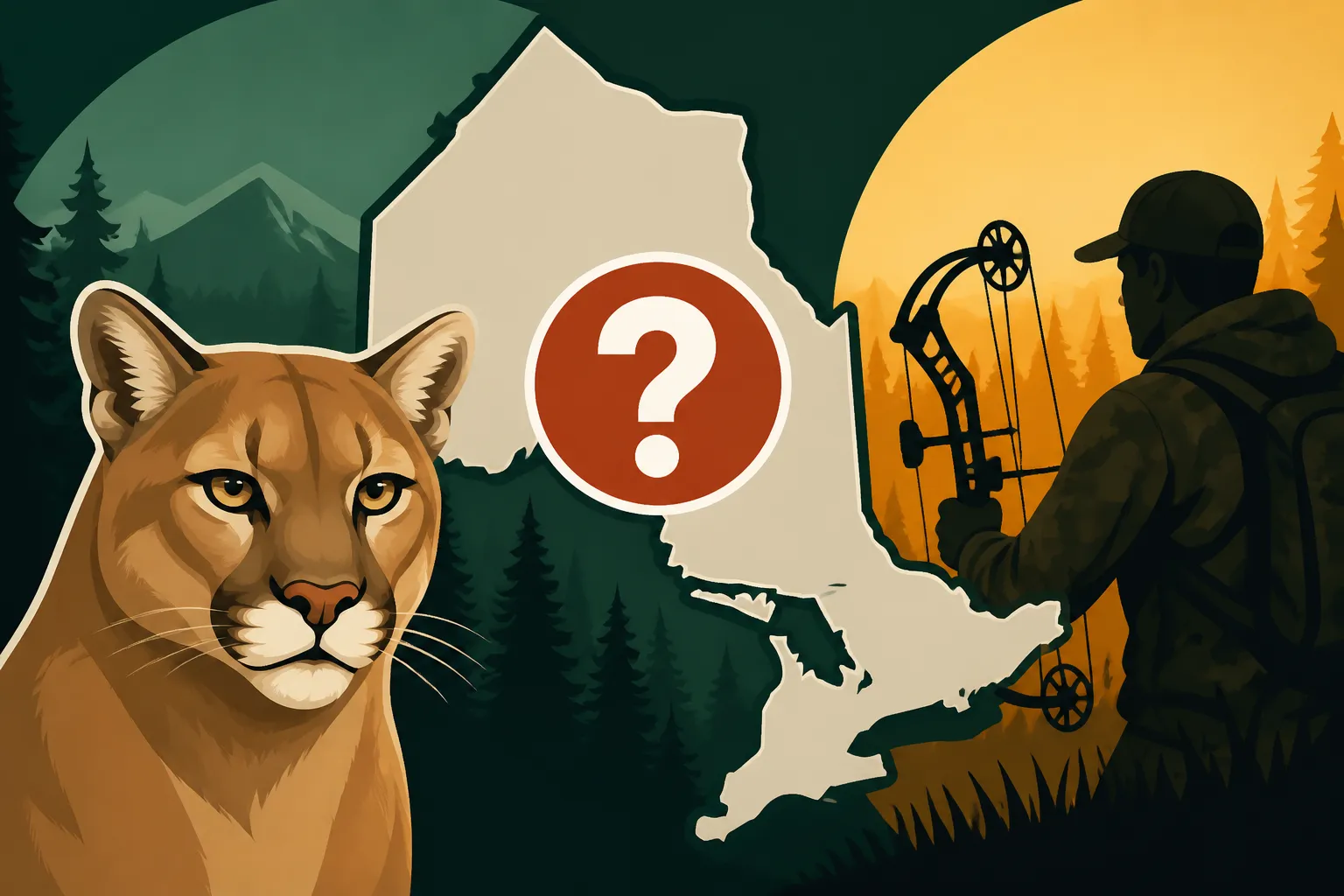
The question of whether cougars roam Ontario's vast wilderness is one that has fascinated hunters, naturalists, and everyday folks for generations, often stirring up a blend of intrigue and a touch of genuine apprehension. Many an outdoors enthusiast, after catching a fleeting glimpse of something large and tawny in the shadows, or finding an unusual track in the mud, has wondered if they've encountered one of North America's most elusive predators. This guide dives deep into the sightings, the science, and the lingering mystery surrounding cougars in Ontario, offering insight into their historical presence, the challenges of confirmation, and how hunters can contribute to a better understanding of this fascinating animal.
The Enigma of Ontario's Cougars: Separating Fact from Fiction
For years, the idea of a cougar silently stalking the Ontario bush has been the stuff of campfire tales and hushed whispers, often met with skepticism by some and staunch belief by others. It's a topic that truly divides opinion, and it’s important to understand why this powerful cat holds such a persistent, almost mythical, place in our collective imagination here in Ontario.
Historical Presence and Extirpation
It might surprise some, but cougars, or eastern pumas as they were historically known, absolutely did once roam the forests of Ontario. They were an integral part of the ecosystem, apex predators that played a crucial role in maintaining the balance of various prey populations. However, as European settlement expanded across the province, so too did the pressures of habitat loss and direct persecution. Forests were cleared for agriculture, human populations grew, and cougars, like many large predators, were often viewed as threats to livestock and safety. This led to organized hunting and trapping efforts, pushing these magnificent cats to the brink.
By the late 1800s and early 1900s, the eastern cougar population in Ontario, and indeed much of eastern North America, was largely considered extirpated – meaning locally extinct. While a few isolated individuals might have persisted in the most remote corners, the breeding populations that once thrived were gone. This historical presence, however, remains etched in the collective memory and oral traditions of many communities, providing a foundational truth that fuels the belief in their modern-day return. It’s not just a baseless rumour; there’s a historical precedent that makes the idea of a cougar in the bush feel very real for many.
The Persistence of Sightings and Reports
Despite official declarations of extirpation, reports of cougar sightings have never truly ceased in Ontario. From the dense forests of the Canadian Shield to the more agricultural regions of the south, people consistently report seeing these animals. These aren't just fleeting glances; many reports include detailed descriptions, photographs (though often grainy), track casts, or even recordings of vocalizations. Hunters spending days quietly observing the wilderness, hikers traversing remote trails, and even rural homeowners going about their daily lives often come forward with compelling accounts.
The sincerity of these reports is rarely questioned, even if the evidence doesn't always lead to official confirmation. People genuinely believe they've seen a cougar, and given the elusive nature of the animal and the vastness of Ontario's wild spaces, it's easy to understand why the mystery persists. Every rustle in the leaves, every large, unidentifiable track, or every eerie night cry can easily be attributed to this phantom feline. It's a testament to the powerful allure of the wild and the human desire to connect with the untamed. The sheer number of such reports, year after year, ensures the cougar remains a topic of spirited discussion among Ontario's outdoors community.
Understanding Official Confirmation: Why It's So Difficult
The gap between frequent public sightings and official, scientific confirmation is a wide one, and it's a source of considerable frustration for many who are convinced cougars are back. It's not that officials doubt the sincerity of the public; it's that the standards for scientific proof are incredibly rigorous, especially for a species presumed extirpated.
The Criteria for Official Verification
When it comes to officially confirming the presence of a species like the cougar, wildlife biologists and government agencies, such as the Ontario Ministry of Natural Resources and Forestry (OMNRF), operate under strict criteria. A clear, undeniable photograph or video taken by a biologist with verifiable location and context is a strong start. Even better is physical evidence: a carcass, scat confirmed through DNA analysis, a hair sample, or a verified track cast that can be unequivocally attributed to a cougar. Mere visual sightings, no matter how convincing to the observer, are rarely enough on their own.
This isn't because officials are trying to hide something or dismiss public input. It's because misidentification is common, especially with elusive animals. A large coyote or even a large domestic cat seen at a distance, or a set of tracks made by another animal under specific conditions, can easily be mistaken for a cougar by even experienced outdoors people. The goal is to avoid false positives and ensure that any official declaration is based on irrefutable scientific evidence that can withstand scrutiny. It's a high bar, but one that is necessary to maintain scientific integrity.
Challenges of Tracking an Elusive Predator
Even if cougars were present in Ontario, tracking and confirming them would be an immense challenge. These animals are masters of stealth and survival. They are primarily solitary, incredibly secretive, and typically nocturnal or crepuscular (active at dawn and dusk). They inhabit vast territories, often traversing rugged, densely forested terrain, much of it remote and difficult for humans to access. Ontario's landscape, with its expansive wilderness and diverse habitats, provides ample cover for an animal of this nature. Think about the challenges of tracking any of Ontario's Northern and Boreal Species – now imagine one that actively avoids detection.
Wildlife officials, even with dedicated efforts, would be looking for needles in a haystack. Modern technology, such as advanced trail cameras or GPS telemetry, certainly helps, but deploying and retrieving such equipment across thousands of square kilometers is a monumental task. The sheer scale of the potential habitat, combined with the cougar's natural evasiveness, means that even a small, scattered population could exist for years without providing the definitive proof required for official confirmation. Hunters who spend countless hours quietly observing the bush might have the best chance of encountering one, but even then, a clear, verifiable encounter is rare.
Where Do the Reported Cougars Come From? Possible Explanations
If confirmed wild cougar populations are not officially recognized in Ontario, yet sightings persist, where do these mysterious animals originate? There are several plausible explanations that shed light on the ongoing enigma, each contributing to the mosaic of cougar lore in the province.
Escaped or Released Captive Animals
One of the most commonly cited and often credible explanations for cougar sightings in Ontario revolves around escaped or intentionally released captive animals. The exotic pet trade, while regulated, still exists, and there are individuals who keep large cats, sometimes illegally or in substandard conditions. Roadside zoos, private collections, or even transient individuals moving through the province could result in a cougar escaping or being deliberately released into the wild. These animals, often disoriented and unfamiliar with true wilderness, might be more prone to being sighted near human habitation or on trails.
An escaped captive cougar might also behave differently than a truly wild one, perhaps showing less fear of humans initially, or struggling to find food in a natural environment. Such an animal could survive for a period, making appearances that fuel the belief in a wild population, before eventually perishing or being recaptured. While not indicative of a self-sustaining wild population, these incidents certainly contribute to the narrative and validate the experiences of those who report seeing a cougar. It’s a stark reminder of the complexities introduced when humans interact with wild animals in unnatural ways.
Misidentification of Other Wildlife
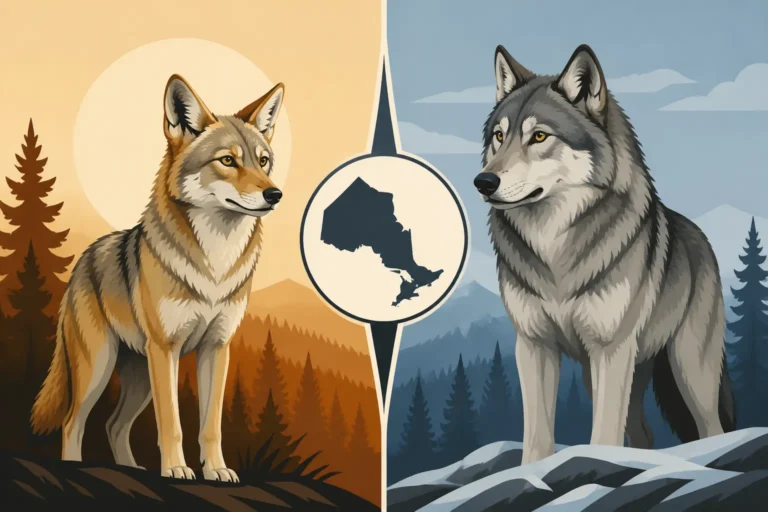
Another very common explanation for cougar sightings is the misidentification of other, more common, Ontario wildlife. The human eye, especially in low light, at a distance, or when surprised, can play tricks. Bobcats, while smaller, can sometimes be mistaken for cougars, particularly when seen briefly or if their typical bobbed tail isn't clearly visible. Telling a Coyote From a Wolf can be challenging enough for some, and a large coyote, especially one with a thicker coat or unusual colouration, could be mistaken for a cat by a hurried glance. Even very large domestic cats, especially feral ones, can appear surprisingly substantial and sleek-bodied to an unprepared observer.
The shape of an animal moving through dense bush, the way light plays on its fur, or even the excitement of a rare sighting can all contribute to misidentification. A deer, for instance, can sometimes appear with a long neck and body that, to a startled observer, might momentarily resemble a big cat, especially if only part of the animal is seen. The mind tries to fill in the blanks, and if the idea of a cougar is already present, it can easily create that image. This is why clear, unambiguous photographic or physical evidence is so crucial for official confirmation.
Transient Animals from Western Populations
Perhaps the most exciting, and biologically plausible, explanation for some confirmed cougar presence (even if temporary) is the possibility of transient individuals dispersing from established, healthy populations in Western Canada or the United States. Cougars are known to travel vast distances, particularly young males searching for new territories and mates. A young male cougar could, theoretically, disperse hundreds or even thousands of kilometers eastward from populations in places like Manitoba, Saskatchewan, or even states like Michigan or Wisconsin. Hunting Northwestern Ontario's Big Bush presents immense opportunities for vast, unfragmented travel.
While such dispersal events are rare, they are not impossible. However, the presence of a solitary transient animal does not constitute a re-established breeding population. For cougars to truly "return" to Ontario, there would need to be evidence of multiple individuals, including females, successfully breeding and raising young. This would require immense stretches of connected habitat and sufficient prey resources, as well as overcoming the numerous obstacles of human development. While a lone cougar might occasionally make an incredible journey into Ontario, the establishment of a self-sustaining population remains largely unconfirmed.
Here's a quick comparison of potential cougar look-alikes:
| Feature | Cougar (Puma concolor) | Bobcat (Lynx rufus) | Coyote (Canis latrans) | Large Domestic Cat |
|---|---|---|---|---|
| Size/Weight | Large (50-100 kg), long body | Medium (7-14 kg), stocky | Medium (15-20 kg), lean | Small-Medium (4-10 kg) |
| Tail | Very long, thick, often black tip | Short, "bobbed" (4-8 inches), black bars | Bushy, medium length, often pointed | Variable, typically slender |
| Ears | Relatively small, rounded | Prominent, tufted, pointed | Large, pointed | Variable, typically pointed |
| Colour | Tawny, tan, reddish-brown, uniform | Brownish-yellow with black spots/streaks | Grey, brown, sometimes reddish | Highly variable |
| Body Build | Muscular, powerful hindquarters | Stocky, powerful legs | Sleek, dog-like | Agile, slender |
| Footprints | No claw marks (retractable), teardrop toe pads | No claw marks, rounded toe pads | Visible claw marks, oval pads | No claw marks, rounded toe pads |
The Impact of a Potential Cougar Presence on Ontario Hunters
The re-establishment of a breeding cougar population in Ontario, though unconfirmed, would undoubtedly have significant implications for the province's hunting community. It’s not just a matter of another species to potentially encounter; it would shift dynamics across the board, from regulations to how hunters approach their time in the field.
Changes in Hunting Regulations and Safety Protocols
If a verifiable, breeding population of cougars were ever confirmed in Ontario, it would almost certainly trigger a review of existing hunting regulations. Cougars, as large predators, would necessitate a new set of rules regarding their protection, management, and potentially, if populations allowed, future harvest. This could involve designating new Wildlife Management Units, setting specific season dates, or requiring new tags, much like the process for Ontario's Moose Tag Allocation Process or Black Bear Hunting in Ontario. Hunters would need to stay incredibly informed about these new regulations, which would likely vary by region depending on cougar density and distribution.
Beyond regulations, hunter safety protocols would also adapt. While cougar attacks on humans are exceedingly rare, their presence would add another layer of awareness. Hunters, especially those venturing out alone for Hunting Ontario's Crown Land or Moose Hunting Ontario's Northern Bush, might be advised to carry bear spray or be extra vigilant. Understanding cougar behaviour, how to react to an encounter, and how to protect themselves and their hunting dogs would become an essential part of hunter education, similar to how we currently approach bear safety. This increased awareness isn't meant to instill fear, but rather to promote responsible and safe coexistence with all of Ontario's wild inhabitants.
Influence on Prey Species and Ecosystem Dynamics
As an apex predator, the reintroduction of cougars would inevitably have a profound influence on prey species populations and the overall ecosystem dynamics in Ontario. Cougars primarily prey on ungulates like deer, and a healthy cougar population could help to regulate local White-Tailed Deer Across Ontario numbers, particularly in areas where deer populations might be overabundant. This could, in turn, lead to healthier forest regeneration by reducing deer browsing pressure. They might also occasionally prey on other species like Moose in Ontario's Boreal Forest, though likely less frequently due to the moose's sheer size.
For hunters, this could mean shifts in deer behaviour, making them potentially more wary and altering their movement patterns. Hunters might need to adapt their strategies, perhaps focusing more on areas with thicker cover where deer might seek refuge from predators, or adjusting their calling techniques. Over time, the presence of cougars could also contribute to a more robust and resilient prey population, as natural selection would favour stronger, more elusive individuals. Understanding these potential shifts would become crucial for effective scouting and successful harvests, and tools like GoHunt's mapping capabilities could help hunters visualize and predict changes in prey distribution in relation to potential cougar habitat.
How Hunters Can Contribute to the Conversation
Hunters, by their very nature, spend an enormous amount of time immersed in the wilderness, often in remote areas where wildlife encounters are most likely. This unique position makes them invaluable citizen scientists in the ongoing quest to understand whether Ontario truly has cougars.
Reporting Credible Sightings
If you believe you’ve seen a cougar in Ontario, your report can be incredibly valuable, but its utility depends heavily on its credibility and detail. The most helpful reports are those made quickly to official channels, like the Ontario Ministry of Natural Resources and Forestry (OMNRF), and are backed by as much clear, objective information as possible. This means noting the exact date, time, and precise location using GPS coordinates if you have them. Describe the animal in detail: its size, colour, distinguishing marks, the length and thickness of its tail, and how it was behaving.
If you can safely and discreetly capture photographic or video evidence, that is perhaps the most useful contribution you can make. Even clear photographs of tracks, with a ruler or common object for scale, can be incredibly informative to wildlife biologists. Avoid sensationalizing the report; instead, focus on objective observations. Every credible, well-documented sighting helps build a clearer picture, even if it doesn't lead to an immediate official confirmation. It’s about building a database of information over time, contributing to the scientific understanding of this elusive creature.
Utilizing Technology for Documentation
In today's age, hunters have an array of technological tools at their fingertips that can make reporting and documenting potential cougar sightings significantly easier and more accurate. Trail cameras, widely used for scouting Reading Whitetail Sign in Ontario Hardwoods or monitoring bear baits, are perhaps the most powerful tool. A clear, date-and-time-stamped image or video of a cougar on a trail camera would be undeniable evidence. Placement is key; consider areas with known game trails or natural pinch points where animals are funneled.
Beyond trail cameras, smartphones with good cameras and GPS capabilities are essential. If you see something, try to get a photo or video, no matter how quick. Immediately after, use your phone's GPS to mark the exact coordinates of the sighting. Many hunting apps, like GoHunt, allow you to drop pins and add notes, creating a detailed record of your encounter. For those using satellite imagery for Scouting With Satellite Imagery in Ontario, integrating these reported sightings into a personal map can help track potential patterns. This blend of traditional bushcraft and modern technology empowers hunters to become active participants in solving the cougar mystery.
Disclaimer
This article is for general informational purposes only and does not constitute professional advice. Laws, prices and regulations vary by location and change over time. Consult a qualified professional for guidance on your specific situation.