Hunting an Alvar Grassland
Hunting in Ontario can often feel like a game of deep woods, thick bush, or sprawling farmlands, where deer, moose, and bear seemingly vanish into the dense cover. But what happens when you encounter a landscape that defies those norms, like an alvar grassland? These rare, open, limestone-based ecosystems present a distinct set of challenges and opportunities for hunters, and if you're not prepared, you might walk away empty-handed or completely bewildered by the sheer openness. This guide will dive deep into understanding alvar grasslands, the game they hold, and how to successfully hunt these unique Ontario environments, ensuring you’re ready for the wide-open expanse.
Understanding Ontario's Alvar Ecosystems
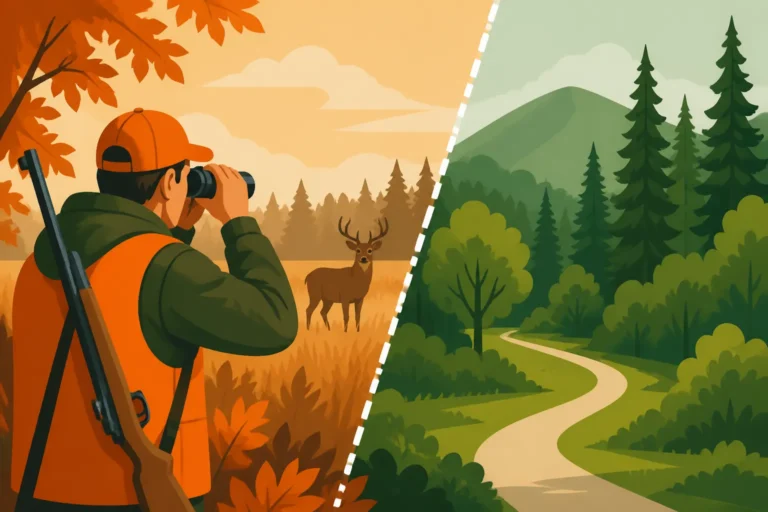
Alvars are truly unique ecosystems, not just in Ontario, but globally. Imagine a landscape where bedrock is barely covered by a thin layer of soil, leading to conditions that swing wildly between drought and flood. These aren't your typical forests or rich agricultural fields; they're open, often treeless, or dotted with sparse, stunted trees and shrubs, all growing on flat limestone or dolostone bedrock. If you’ve never encountered one, it can be a bit of a shock compared to the rolling hills and thick forests most Ontario hunters are used to.
What Makes an Alvar Unique?
The defining characteristic of an alvar is its shallow soil over bedrock, usually limestone. This means water retention is poor, leading to extremely dry conditions in summer, but conversely, they can become temporarily flooded after heavy rains due to the impermeable bedrock. This creates a really tough environment for many plants, but certain hardy species thrive, forming unique communities of grasses, sedges, and wildflowers. Think of it as nature's rock garden, but on a massive scale. The plants and insects that call alvars home are highly adapted to these extreme conditions, and so too are the wildlife that frequent them. It's a land of extremes, and understanding that is key to hunting there.
Where You'll Find Alvars in Ontario
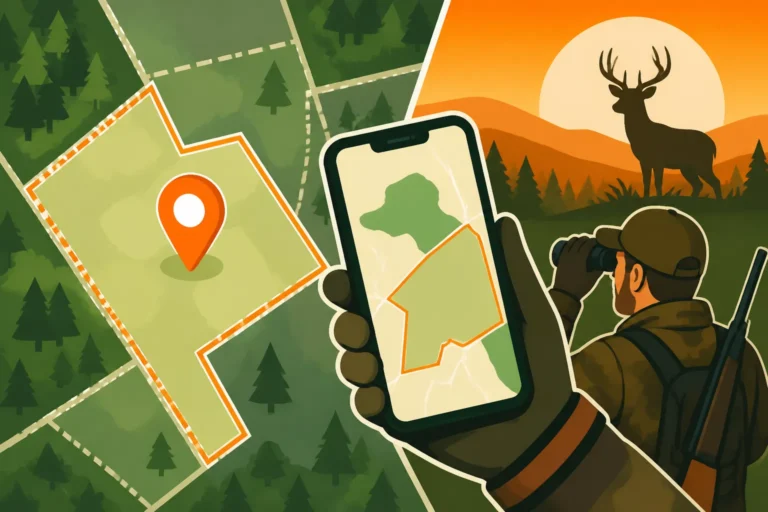
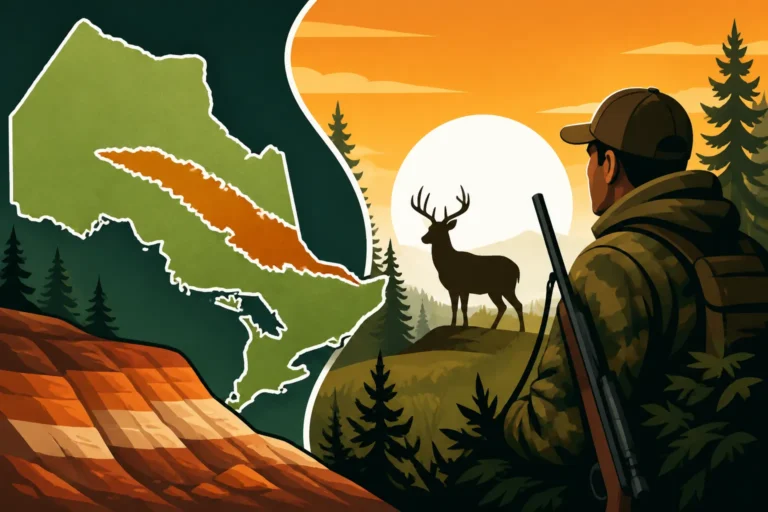
While rare, Ontario is actually home to some significant alvar complexes. The most famous, perhaps, is the Carden Alvar, located near Kirkfield, which is a globally significant site. You'll also find alvars on Manitoulin Island Units, the Bruce Peninsula, and scattered along the shores of the Great Lakes where the geology is just right. Each alvar complex has its own nuances, but the core characteristics of open, bedrock-influenced terrain remain. Identifying these areas often requires a good topo map or satellite imagery, as they stand out with their distinct lack of dense forest cover compared to surrounding lands. Scouting these unique areas is crucial, and mapping tools like onX Hunt can be incredibly valuable for pinpointing these distinct geological features and understanding their boundaries. Reading Ontario Crown Land Layers on onX can help you determine access and ownership for these areas.
Why Alvars Attract Game
Despite their harsh conditions, alvars aren't barren. In fact, their unique vegetation and structure can be a magnet for certain game species. The sparse tree cover allows sunlight to reach the ground, promoting diverse plant growth that provides forage. The open nature can also provide excellent visibility for game, making them feel secure while feeding, as they can spot predators from a distance. Furthermore, the rocky terrain can offer natural shelter and bedding areas, especially where there are slight depressions or scattered cedar thickets nearby. The edges of alvars, where they transition into more typical forest or wetland, are often prime travel corridors, offering the best of both worlds for deer, turkeys, and other creatures.
Game Species in Alvar Grasslands and Their Habits
Hunting an alvar means you need to adjust your expectations and strategies for the species that thrive in or move through these open, rocky environments. While you might not find moose making a home there, alvars can be fantastic for whitetail deer, wild turkeys, and various small game and predators.
Whitetail Deer: Adapting to the Open
Whitetail deer are incredibly adaptable, and alvars are no exception. You might not see the huge rubs and scrapes you find in a dense hardwood forest, but deer use alvars extensively, particularly for feeding and travel. They often graze on the specific grasses and forbs found there, especially during the spring and summer when growth is lush. During hunting season, particularly in the early fall, they'll use the open spaces to feed before retreating to nearby cover as daylight breaks or hunting pressure increases.
Their movement patterns will often revolve around the edges of the alvar, using the sparse cover for security. Look for trails leading from thicker bush into the alvar, or between small islands of trees within the alvar itself. If there's any sort of water source—even temporary puddles in bedrock depressions—it will be a magnet for deer, especially in dry conditions. The open nature means they'll be on high alert, relying on their keen eyesight and sense of smell to detect danger. Hunting them effectively here means understanding their need for security, even in an exposed environment.
Wild Turkeys: Kings of the Grassland
Alvars can be absolute hotspots for wild turkeys, especially during the spring and fall seasons. The open grasslands offer prime bugging and foraging areas, where turkeys can peck for insects, seeds, and even small reptiles. The scattered trees or nearby woodlots provide roosting sites, and the open ground allows gobblers to strut and display their dominance where hens can easily spot them. This is often where you'll find large flocks during the fall, spread out across the landscape.
For spring turkey hunting, an alvar can be both a blessing and a curse. The blessing is the excellent visibility for spotting gobblers; the curse is that they can see you just as easily. Positioning yourself carefully, using the natural contours of the land or sparse vegetation for concealment, is paramount. During the fall, hunting these open areas requires different tactics, often involving breaking up flocks and then calling birds back in. Ontario Wild Turkey Licences and Tags are essential, so make sure you're up to date.
Small Game and Predators: The Unseen Life
Beyond deer and turkeys, alvars host a variety of small game and predators. Cottontail rabbits often thrive in the shrubby edges and rocky crevices, finding both food and shelter. You might also encounter some grouse species, especially where the alvar transitions into mixed forest or areas with more substantial woody growth. Rabbit and Hare Hunting in Ontario can be quite productive in these transition zones.
And where there's small game, there are predators. Coyotes are common residents of alvar grasslands, using the open terrain to hunt and travel. Their ability to see across vast distances makes them formidable, but it also makes them vulnerable to careful calling strategies. Calling Coyotes in Ontario Farm Country tactics can be highly effective in these similar open environments. Wolves, while less common in some alvar areas, might also traverse these expanses. Observing tracks and scat can tell you a lot about the predator activity in a particular alvar.
Strategies for Hunting Alvar Grasslands
Hunting an alvar requires a shift in mindset from typical bush or forest hunting. You're dealing with vast sightlines, often strong winds, and limited cover. This means your scouting, approach, and concealment need to be top-notch.
Advanced Scouting and Mapping
Before you even step foot on an alvar, digital scouting is your best friend. Utilize satellite imagery on platforms like onX Hunt or GoHunt to analyze the terrain. Look for:
- Islands of Cover: Any clumps of cedars, pines, or even dense shrubbery within the alvar. These are likely bedding areas or staging points.
- Water Sources: Even small depressions that hold water after rain will be magnets for game.
- Elevation Changes: Subtle ridges or dips can offer precious concealment for both you and the game.
- Transition Zones: Where the alvar meets deeper forest, wetlands, or agricultural fields. These edges are crucial travel corridors.
- Access Points: How will you get in and out undetected?
Once on the ground, focus on reading the minimal sign available. While rubs might be scarce, look for scat, tracks in any soft soil, and disturbed vegetation. Understanding the prevailing wind patterns is critical, as scent will carry far in open environments.
The Art of Concealment and Approach
This is where alvar hunting truly differentiates itself. Forget climbing a tree in a dense forest. Here, you'll need to use what little cover is available to your advantage.
- Ground Blinds: Pop-up ground blinds are your best friend. Set them up well in advance if possible, allowing game to get used to their presence. Position them against a backdrop of sparse trees, a rock outcrop, or even a large clump of grass to break up your outline.
- Natural Cover: Use the natural contours of the land. A slight rise can provide a backdrop, allowing you to blend in. Even a single, stunted cedar or a large limestone slab can be enough to hide behind.
- Camo Selection: Opt for camouflage patterns that blend with the rocky, grassy, and often pale tones of an alvar. A typical deep-woods green might stand out starkly.
- Low Profile: When moving, stay as low as possible. Crawling, using "army crawls," or moving slowly from one piece of cover to the next can make all the difference. Think like a predator stalking its prey.
Your approach must be meticulous. With such wide-open views, any quick movement will be spotted. Plan your route, always keeping the wind in your favour, and approach your chosen hunting spot during low light conditions. Sitting All Day in an Ontario Blind might be your best bet, patiently waiting for game to move.
Still Hunting vs. Drives
Still hunting (slowly stalking) can be incredibly challenging in alvars due to the lack of continuous cover. It requires exceptional patience, meticulous movement, and an ability to freeze instantly. However, if you can master it, spotting a deer or turkey far off and slowly closing the distance can be incredibly rewarding.
Deer drives, on the other hand, can be surprisingly effective, especially on smaller alvar sections or where the alvar meets a significant piece of bush. A well-placed group of blockers and a quiet driver can push deer out of small pockets of cover into the open, offering opportunities. This takes coordination and prior scouting to understand escape routes.
Calling Strategies
Calling can be highly effective for both deer and turkeys in alvars, largely because sound travels so far.
- Turkey Calling: For turkeys, an alvar is perfect for getting those gobblers to sound off. Use loud, clear calls to locate birds, then position yourself carefully for an ambush. Decoys can be incredibly effective here, as they are highly visible from a distance, drawing birds in across the open ground.
- Deer Calling: For deer, rattling and grunting can work, but consider the increased visibility. A buck responding to a rattle might stop far off to survey the open ground before committing. Use soft grunts to try and bring them closer once spotted, or strategic rattling to pique curiosity, ensuring you have good cover. Rattling Volume in Thick Bush will differ significantly from what works in an alvar.
Essential Gear and Considerations
Hunting an alvar isn't just about strategy; it's also about having the right equipment to handle the unique terrain and conditions.
Footwear and Clothing
The ground in an alvar is often uneven, rocky, and can be wet in depressions. Sturdy, waterproof boots with good ankle support are essential. You'll be doing a lot of walking over unforgiving terrain, so comfort and durability are key.
Clothing should prioritize quietness, breathability (as you'll be exposed to sun and wind), and camouflage that matches the alvar environment. Layers are always a good idea, as temperatures can swing significantly in open areas. Blaze orange requirements still apply during gun seasons, so incorporate it effectively while maintaining your ability to blend into the surroundings. How Much Blaze Orange Ontario Requires is a crucial detail to remember.
Optics and Navigation
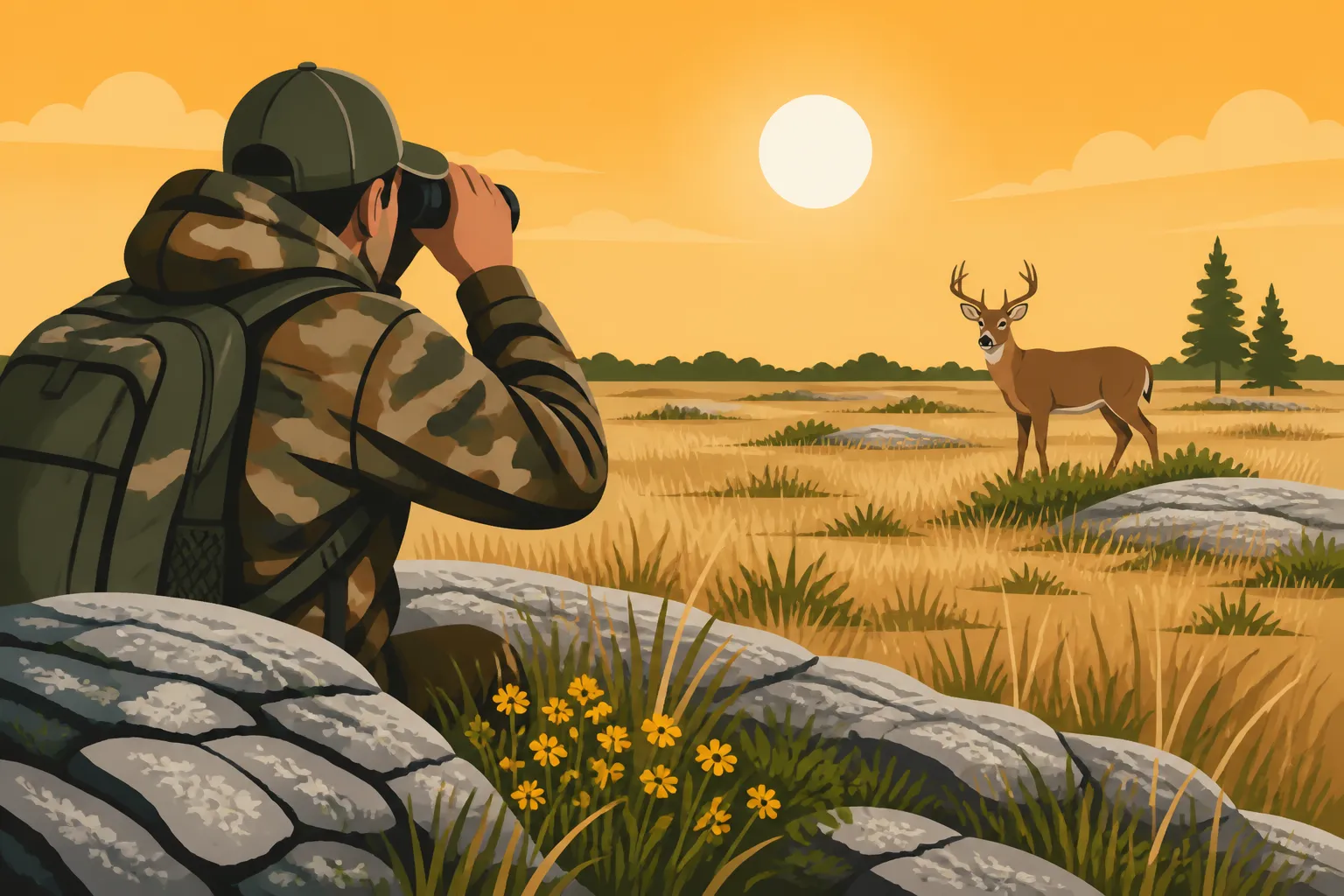
With such expansive views, quality optics are non-negotiable. Binoculars (10×42 or 12×50) are crucial for spotting game at long distances, identifying species, and assessing trophy potential without having to move. A spotting scope can also be incredibly useful, especially for long-range observation of deer or distant turkey flocks.
Navigation can be tricky in what might seem like a featureless landscape. While it's open, small variations can make it easy to get turned around. A reliable GPS unit or a smartphone with a mapping app like onX Hunt or GoHunt (with downloaded offline maps) is vital. Mark your vehicle, your stand locations, and any significant features. Compass and paper map are always smart backups. Scouting With Satellite Imagery in Ontario isn't just for finding alvars, but for navigating them too.
Carrying What You Need
Since you might be exposed to the elements and walking long distances, a good pack is necessary. Carry enough water, especially in warm weather, as alvars can be notoriously dry. Snacks, a first-aid kit, a knife, and processing essentials are also important. If you're successful, dragging game out of an alvar can be difficult due to the rocky, uneven ground. Plan your extraction route beforehand. Dragging a Deer Out of a Swamp might be a different scenario, but the principle of having a plan for extraction remains.
Hunting an alvar grassland in Ontario offers a truly unique and rewarding experience. It challenges your conventional hunting wisdom and forces you to adapt, but with careful planning, keen observation, and the right strategies, you can unlock the secrets of these fascinating landscapes and enjoy some truly memorable hunts.
Disclaimer
This article is for general informational purposes only and does not constitute professional advice. Laws, prices and regulations vary by location and change over time. Consult a qualified professional for guidance on your specific situation.